Whether a Multigen Pomsky Is More Predictable
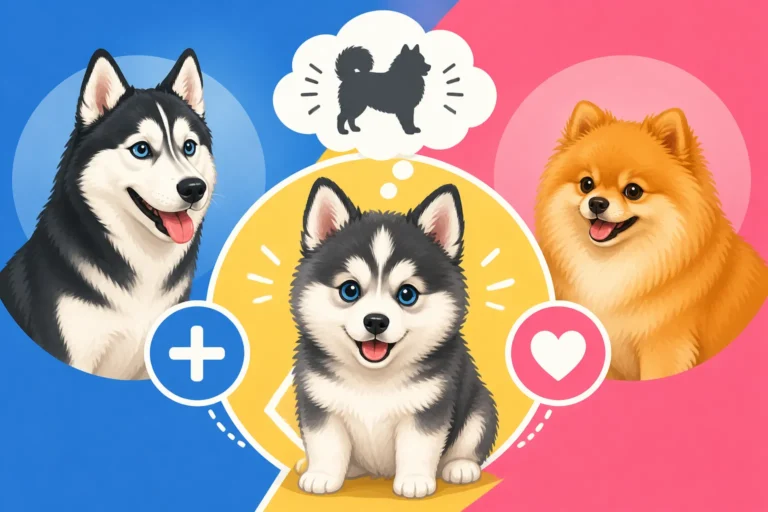
So many of us fall in love with the idea of a Pomsky, envisioning that perfect mini-Husky look or a fluffy, playful companion that fits our lifestyle just right. But the reality can sometimes be a bit of a lottery, especially when you're looking at earlier generations where traits can be all over the map. This guide is here to shed some light on whether a multigen Pomsky offers more predictability in terms of appearance, temperament, and health, helping you understand what to realistically expect when bringing one home.
Unpacking Pomsky Generations and Their Characteristics
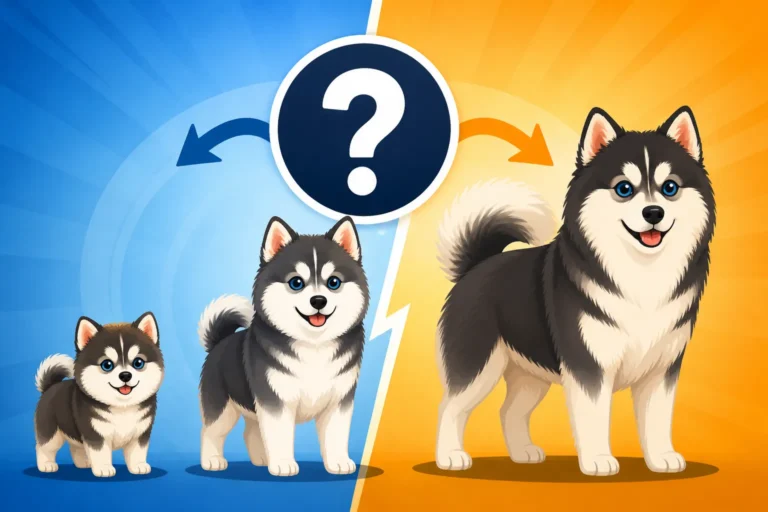
When you start looking into Pomskies, you’ll quickly encounter terms like F1, F2, and multigen. These aren't just fancy designations; they tell you a lot about how closely related your potential puppy is to its Husky and Pomeranian roots, and thus, how much variation you might see in its traits. Understanding these generations is the first step toward figuring out if a multigen Pomsky truly offers that sought-after predictability.
The Foundation: F1 Pomskies
An F1 Pomsky is a first-generation cross, meaning it's the direct offspring of a purebred Siberian Husky and a purebred Pomeranian. These are often the most unpredictable in terms of appearance, size, and temperament. Imagine flipping a coin: will your puppy get more of the Husky's independent, energetic personality or the Pomeranian's sassier, more companion-oriented nature? It's genuinely a toss-up.
Because it's the first cross, the genetic mix is incredibly diverse. You might get a puppy that looks exactly like a mini Husky, or one that's a dead ringer for a fluffy Pomeranian, or anything in between. Size varies wildly, from small Pomeranian-sized pups to larger, almost Husky-sized dogs. This is often why the internet's early viral Pomsky photos, which promised miniature Huskies, were sometimes misleading, leading to disappointment when real F1 Pomskies grew up looking quite different. Many breeders will tell you whether an F1 Pomsky is not the one breeders want precisely because of this wide variation.
Stepping Towards Consistency: F2 Pomskies
An F2 Pomsky is the result of breeding two F1 Pomskies together. Here, you start to see some degree of increased predictability compared to F1s, but it's still far from guaranteed. You're essentially mixing two already mixed sets of genes. While F1 x F1 pairings can produce puppies that are more consistent within a litter than F1s, you can still find a significant range of traits.
Think of it like baking: if you have a recipe that calls for "some flour" and "some sugar" from two different bags (F1 parents), the exact proportions in the final cake might still vary wildly, even if you follow the same steps. You might have one puppy with the Husky's thick double coat and another with a more Pomeranian-like fluff, or one with striking blue eyes and another with warm brown. This generation is an important step for breeders working towards a consistent type, but for a buyer, Whether an F2 Pomsky Is a Bigger Gamble than a multigen is a valid question to consider.
Defining Multigenerational Pomskies
A multigen, or multi-generational, Pomsky is typically defined as a Pomsky that is F3 or beyond. This means both parents are F2 or higher generation Pomskies, or sometimes an F2 is bred back to an F1 (though this can increase variability again). The goal behind multigen breeding is to stabilize the breed traits, striving for greater consistency in size, appearance, and temperament across litters and within the same litter.
By breeding Pomsky to Pomsky for several generations, breeders aim to concentrate the desired traits that make a Pomsky unique – that charming blend of Husky and Pomeranian features. This often means working towards a particular look, a specific size range, and a more consistent temperament profile. The idea is that after several generations, the genetic "dice roll" becomes less random, and the likelihood of a puppy inheriting a balanced mix of traits increases.
The Quest for Predictability in Multigen Pomskies
When people ask if multigen Pomskies are more predictable, they're often hoping for a clearer picture of their future companion's personality, look, and the amount of effort they'll need to put in. It's a completely reasonable desire – nobody wants surprises when bringing a new family member home. The truth is, multigen breeding does aim for this, and often achieves it to a significant degree, but it's not a magic bullet.
Temperament Traits and Their Inheritance
One of the biggest areas where predictability is sought is temperament. Pomskies can inherit a wide array of traits from both parent breeds. From the Husky, you might get independent thinking, a strong prey drive, and a tendency to "talk" rather than bark. From the Pomeranian, you could see more feistiness, a protective streak, and intense loyalty. In F1s, this can result in a wide spectrum, from a quiet, cuddly companion to a vocal, adventurous escape artist.
With multigen breeding, the idea is that breeders can selectively choose parents who exhibit the most desirable Pomsky temperament traits – perhaps a dog with a good balance of playfulness and affection, but less of the extreme stubbornness or excessive vocalization that some Husky lines carry. Over generations, this careful selection can lead to puppies that are more likely to have a balanced, amiable disposition, making them a more predictable fit for families seeking a certain personality type. However, individual personality can still vary, and factors like early socialization play a massive role.
Coat Types and Shedding Expectations
The Pomsky coat is a big draw for many, but it can also be a source of confusion. Will your puppy have the plush double coat of a Husky, a more stand-offish Pomeranian puff, or something in between? And what about the shedding? The Pomsky That Carries a Husky Coat at Twenty Pounds is a beautiful image, but it comes with a lot of loose fur. F1 Pomskies can present any of the three main coat types: standard, plush (often called "wooly" but usually refers to a longer, softer double coat), or short. The amount of shedding is also highly variable in first generations.
Multigen breeders, however, can focus on breeding dogs that consistently produce a desired coat type, perhaps the soft, medium-length double coat that many people associate with the "classic" Pomsky look. While no double-coated dog is truly hypoallergenic, and all Pomskies will shed (often quite a bit during seasonal "blowouts"), careful breeding can lead to more predictable coat texture and length, and potentially a more consistent shedding pattern. This means fewer surprises when it comes to grooming needs and how much fur you'll find on your couch. You might still need a good vacuum and a trusty lint roller from Chewy!
Predicting Adult Size and Appearance
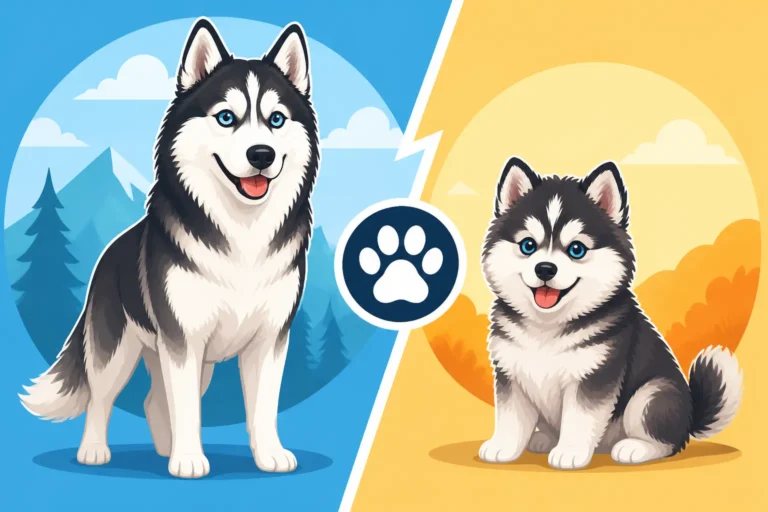
One of the greatest sources of unpredictability in earlier Pomsky generations is adult size. Many people are initially drawn to the idea of a "miniature Husky" only to find their F1 grows much larger than anticipated. What a Pomsky Actually Weighs Full Grown can range from 15 to 35 pounds, or even more, in F1s. This size variability can be a real concern for apartment dwellers or those with specific living arrangements. Similarly, appearance can be a mixed bag, with some F1s looking very Husky, others very Pomeranian, and some a blend that doesn't quite match expectations.
In multigen Pomskies, breeders are striving to narrow down this range. By consistently breeding dogs within a desired weight and height bracket, and selecting for specific facial features, ear sets, and tail curls, they can achieve greater consistency. This means a multigen puppy is more likely to grow into the size and aesthetic that the breeder is aiming for and that you, as a buyer, are expecting. While a precise guarantee is still difficult with any living creature, the probability of hitting that desired mark significantly increases with each successive generation of careful breeding. This is a huge benefit for those who've been surprised by the growth of a previous Pomsky.
Factors Influencing Multigen Pomsky Predictability
While multigen breeding aims for greater predictability, it's not an automatic outcome just because a dog is labeled "multigen." Several critical factors play into how predictable a specific multigen Pomsky litter will be. Understanding these can help you better assess a breeder and their claims.
The Role of Parental Genetics and Breeding Stock
The most significant factor influencing predictability in multigen Pomskies is the genetics of the parent dogs and the broader breeding stock. A responsible multigen breeder isn't just breeding two F2s together; they are carefully selecting dogs for specific traits that align with a developing breed standard. This means looking at several generations back, not just the immediate parents, to understand the genetic predispositions for size, coat, temperament, and health.
If a breeder consistently uses parent dogs that exhibit a wide range of traits, even if they are F2 or F3, then their offspring will continue to be varied. Conversely, breeders who have a strong foundation of consistent F2s and F3s with desirable traits are much more likely to produce predictable multigen puppies. This careful selection and understanding of genetic lineage are paramount, extending beyond just immediate physical appearance to include aspects like drive and intelligence. For example, a dog bred from parents known to be good at recall, despite the Husky's inherent independence, might be more likely to produce a puppy that responds well to training like Building a Recall a Pomsky Answers.
Breeder Practices and Transparency
The integrity and practices of the breeder are absolutely crucial. A truly dedicated multigen breeder will have clear goals for their lines, working towards a specific type, temperament, and health profile. They should be transparent about the lineage of their dogs, often sharing photos and information about multiple generations of their Pomskies. This isn't just about pretty pictures; it's about demonstrating consistency over time.
A good breeder will also perform comprehensive health testing on their breeding stock, addressing common concerns in both parent breeds, such as Hip Dysplasia in a Pomsky or Slipping Kneecaps in a Pomsky. This kind of health screening is vital because even if a multigen Pomsky looks consistent, hidden genetic issues can still surface. Transparency extends to discussing potential variations in a litter, even with multigens, and educating prospective owners about the realities of the breed, rather than just selling an idealized image. They should be able to articulate why their multigens are more predictable and show you the evidence.
The Inherent Variability of Mixed Breeds
No matter how many generations deep you go, the Pomsky is still a hybrid breed, not a purebred, and this inherent mixed-breed status will always carry some degree of variability. While predictability increases, it will likely never reach the level of a long-established purebred breed where traits have been painstakingly standardized over centuries. The genetic "mixing pot" remains larger than in purebreds.
This means that while your multigen Pomsky might be more likely to be a certain size or have a particular coat, there's always a chance for a genetic throwback. You might get a puppy that surprises you with a Husky-dominant trait, or a very Pomeranian-like characteristic, even in an F3 or F4 litter. It's a key point to remember that "more predictable" doesn't mean "100% predictable." It simply means the odds are more in your favor for getting the type of Pomsky you're envisioning compared to the earlier, more experimental generations. This nuance is important for managing expectations and preparing for your new furry family member.
Areas Where Predictability Still Remains a Challenge
Even with the advancements in multigen breeding, there are still aspects of a Pomsky that can retain a degree of unpredictability. It's important to be realistic and understand that while the likelihood of certain outcomes increases, a living creature is never a carbon copy. This is where careful consideration and preparedness come into play.
Health Concerns and Genetic Surprises
While reputable multigen breeders strive to health test their dogs and breed away from known genetic predispositions, the Pomsky inherits a broad genetic blueprint from two distinct breeds, each with its own list of potential health issues. For example, Huskies can be prone to certain eye conditions, and Pomeranians can have issues like The Collapsing Trachea a Pomsky Gets From the Pomeranian. Even with diligent screening, some health concerns might not manifest until later in life, or they might be recessive traits that surface unexpectedly.
It's a misconception to think that a multigen Pomsky is automatically healthier because it's a mix. Hybrid vigor can offer some benefits, but it's not a shield against all genetic diseases. The Two Opposite Disease Lists a Pomsky Inherits means a multigen puppy still has the potential to inherit issues from both sides. A breeder can certainly reduce the risk through selective breeding and testing, but they cannot eliminate it entirely. Owners should still plan for potential veterinary care and discuss these possibilities with their breeder, ensuring they understand what a health guarantee truly covers. Budgeting for unexpected vet visits, perhaps by setting aside funds or investigating pet insurance options, is always a wise decision for any dog owner.
Energy Levels and Training Aptitude
Energy levels and how easily a Pomsky can be trained are also areas that can still surprise owners, even with multigen puppies. Both Siberians and Pomeranians are intelligent breeds, but they are also known for their independent and sometimes stubborn streaks. A Pomsky can inherit a strong desire to run and explore from its Husky lineage, requiring significant daily exercise and mental stimulation. Or it might have a more moderate energy level, content with shorter walks and indoor play.
Even in multigen lines, an individual puppy's drive and attention span can vary. You might get a puppy that is eager to please and picks up commands quickly, or one that constantly tests boundaries and requires consistent, patient training. Whether a Pomsky Is Stubborn or Independent isn't a trait that vanishes after a few generations. Owners should be prepared for a dog that requires mental engagement and consistent positive reinforcement. Relying on a variety of interactive toys and puzzle feeders from a store like Chewy can be incredibly helpful for managing their sharp minds. Regular training classes, even beyond puppyhood, can help channel their intelligence and solidify good behaviors.
The Nuances of Socialization
Socialization is another crucial area where a puppy's individual response can vary, regardless of its generation. While a multigen Pomsky might be bred for a more agreeable temperament, its early experiences profoundly shape its social behavior. A puppy that isn't adequately exposed to various people, places, sounds, and other animals during its critical socialization window (typically up to 16 weeks) can develop fear or reactivity, even if it has excellent genetics.
Both parent breeds have tendencies that can influence socialization. Huskies can be wary of strangers if not properly introduced, and Pomeranians can sometimes be prone to "small dog syndrome" if not taught appropriate interactions. A multigen Pomsky needs dedicated, thoughtful socialization from the moment it comes home. Assuming a multigen puppy will automatically be perfectly social is a mistake. Its potential for a balanced temperament needs to be nurtured through consistent, positive exposure to the world around it. This is a responsibility that falls squarely on the new owner, regardless of the puppy's generation.
Making an Informed Choice: Finding a Predictable Multigen Pomsky
Navigating the world of Pomsky breeders can feel overwhelming, especially with the varied claims about generations and predictability. The key to finding a multigen Pomsky that aligns with your expectations is diligent research, clear communication, and a realistic understanding of what any dog breed, especially a hybrid, can offer.
Researching Reputable Multigen Breeders
Finding a reputable multigen breeder is perhaps the single most important step in increasing your chances of getting a predictable Pomsky. These breeders are not just breeding dogs; they are carefully planning litters with specific goals in mind – aiming for consistency in size, appearance, temperament, and health. They will have extensive knowledge of their lines, often spanning several generations, and can speak confidently about the traits they are consistently seeing.
Look for breeders who are transparent about their breeding practices, health testing protocols, and the lineage of their dogs. They should be willing to share documentation for health clearances for both parents and ideally, grandparents. A reputable breeder will also be focused on the welfare of their dogs, providing a clean, stimulating environment for their puppies, and ensuring they receive appropriate early socialization. Don't be afraid to ask for references from previous puppy buyers. A truly good breeder will be happy to show off their program and discuss their breeding philosophy in detail.
Questions to Ask Your Breeder
When you're speaking with a multigen Pomsky breeder, come prepared with a list of specific questions. This isn't just about getting answers; it's also about assessing the breeder's knowledge, honesty, and commitment to their dogs.
Here are some questions to consider asking:
- "How many generations of Pomskies are in your breeding program, and can you provide information on the F-numbers of the parents?" This helps verify their "multigen" claims.
- "What are your specific breeding goals for predictability in terms of size, coat, and temperament?" A good breeder will have clear, articulate answers.
- "Can you provide health testing results for the parents (and ideally grandparents) for conditions common in both Huskies and Pomeranians?" Look for verifiable health clearances for hips, elbows, eyes, and patellas. The Health Tests a Pomsky Breeder Should Show are non-negotiable.
- "What are the typical size and temperament ranges you see in your multigen litters?" This helps manage your expectations.
- "What kind of early socialization and enrichment do you provide for your puppies?" This indicates their commitment to well-adjusted puppies.
- "What is your contract like, and what guarantees do you offer regarding health and size?" Understand the terms clearly.
- "Can I meet the puppy's parents or see videos of them?" Observing the parents can give you insights into potential adult temperament.
A breeder who is evasive or unable to provide detailed answers to these questions should raise a red flag.
Preparing for the Unpredictable
Even with the most predictable multigen Pomsky from the most reputable breeder, it's crucial to remember that you're bringing home a unique living creature. There will always be elements of individuality and personality that you simply can't predict. The best approach is to prepare yourself for a range of possibilities and be committed to providing the best care, training, and socialization possible.
This means having a flexible mindset. While you might hope for a mellow, quiet dog, be ready to provide plenty of exercise and mental stimulation if your Pomsky turns out to be more energetic. If you're hoping for a cuddly lap dog, but get a more independent one, learn to appreciate their unique affection. Embrace the journey of discovery with your new companion. Stock up on essentials from Chewy, like durable toys and a comfy bed, but most importantly, open your heart to whatever wonderful personality emerges. The joy of a Pomsky, whether F1 or multigen, often comes from their delightful blend of traits, expected or not.
| Generation Type | Parentage | Predictability Level (Approx.) | Common Traits |
|---|---|---|---|
| F1 | Husky x Pomeranian | Lowest | Wide variation in size, coat, temperament, health |
| F1b | F1 Pomsky x Purebred Parent | Low to Medium | Often bred back for more of one parent's traits |
| F2 | F1 Pomsky x F1 Pomsky | Medium | More consistency than F1s, still broad range |
| F2b | F2 Pomsky x Purebred Parent | Medium | Further refinement towards one parent's traits |
| Multigen | F2 x F2 or higher generations | Highest (among Pomskies) | Increased consistency in desired traits |
Disclaimer
This article is for general informational purposes only and does not constitute professional advice. Laws, prices and regulations vary by location and change over time. Consult a qualified professional for guidance on your specific situation.