Why Pomsky Breeders Prefer F2 and Beyond
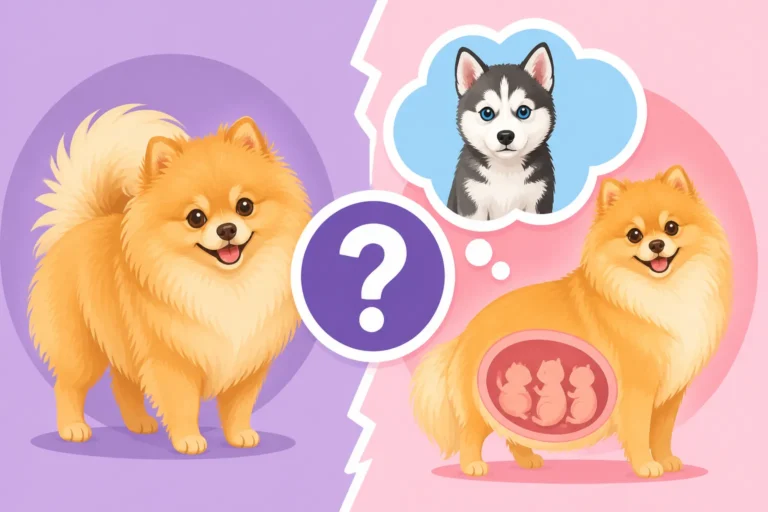
It's a common dream for prospective Pomsky owners to envision that perfect mini-Husky look, but the reality of crossbreeding, especially in the first generation, can often be a surprising journey. Many hopeful families find themselves puzzled when their F1 Pomsky puppy matures into something quite different from the picture in their head. This guide will dive deep into why reputable Pomsky breeders are so focused on moving beyond the initial F1 crosses, preferring to work with F2 and subsequent generations to achieve greater predictability in size, appearance, and temperament.
The Foundation: Understanding Pomsky Generations
Before we delve into the 'why,' it’s crucial to understand what these generational labels—F1, F2, and multigenerational—actually mean in the world of designer dog breeds like the Pomsky. These terms aren't just fancy jargon; they tell you a lot about the genetic makeup and, crucially, the predictability of a puppy.
What Defines an F1 Pomsky?
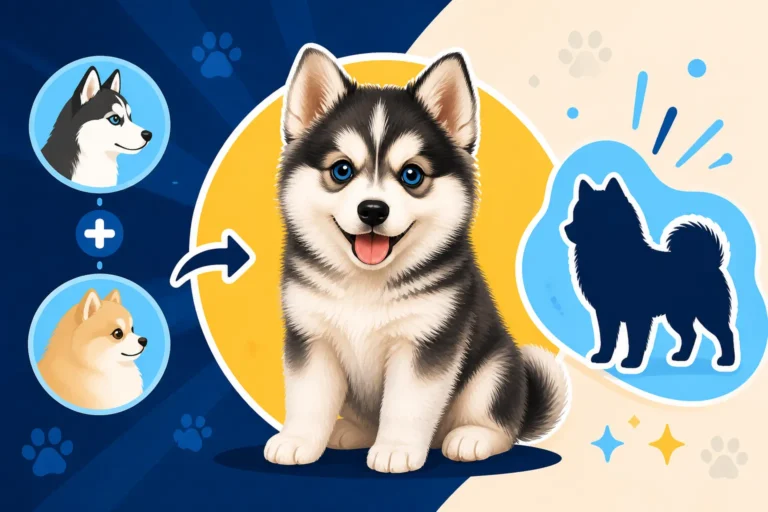
An F1 Pomsky is the very first cross between a purebred Siberian Husky and a purebred Pomeranian. The 'F' stands for filial, meaning offspring, and the '1' signifies it's the first generation. This initial pairing is fascinating from a genetic standpoint because you're literally mixing two distinct breeds with very different traits. Think of it like mixing two unique paint colors for the first time – you know what colors went in, but the exact shade you get can still be a bit of a surprise.
Because the parents are so genetically dissimilar, the F1 generation is where you see the most variation within a single litter. Some puppies might lean heavily towards the Husky in size, coat, or temperament, while others might favor the Pomeranian. This is why if you look at a litter of F1 Pomskies, you'll often see quite a wide range of looks and personalities. What F1 Means on a Pomsky explains this variability in more detail.
Stepping Up to F2: A New Generation
An F2 Pomsky is the result of breeding two F1 Pomskies together. So, instead of a purebred Husky and a purebred Pomeranian, you have two parents that are both 50% Husky and 50% Pomeranian, at least genetically speaking. The '2' indicates it's the second generation of the cross. This is where breeders start to gain a little more control over the outcome, though it's still far from a guarantee.
The goal with an F2 breeding is to begin solidifying the desired traits. While F1s are often lauded for their "hybrid vigor"—the idea that mixed breeds are healthier due to a wider gene pool—F2s are where breeders attempt to select for specific characteristics. You're trying to find two F1 parents that exemplify the ideal Pomsky traits and hope they pass those on more consistently to their offspring. This is a critical step in any developing breed, moving from a simple cross to something with a more defined identity. What an F2 Pomsky Is can provide further insights into this particular generation.
The Concept of Multigenerational Pomskies
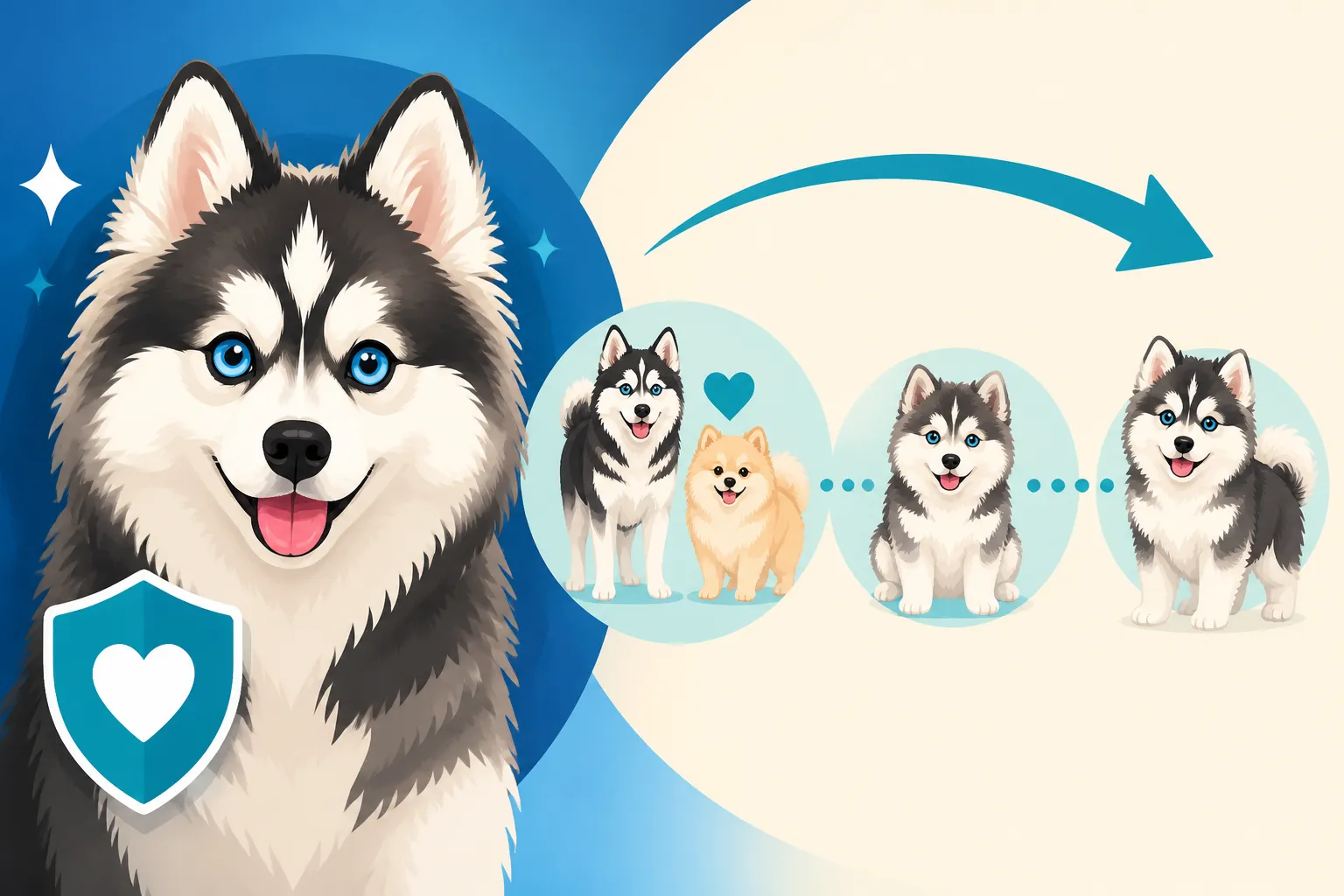
When we talk about "F2 and beyond," we're heading into the realm of multigenerational (or "multigen") Pomskies. This refers to F3, F4, and so on, where the parents are both F2 Pomskies, or an F2 is bred to an F3, and so forth. Essentially, it means you're continuing to breed Pomsky to Pomsky, moving further away from the original purebred parents.
The ultimate aim of multigenerational breeding is to establish a consistent "type" that breeds true, meaning puppies consistently inherit the desired physical and temperamental traits. This is how recognized breeds are eventually developed. For breeders who are serious about the future of the Pomsky, moving into multigen lines is essential to create a predictable and recognizable dog, rather than just a charming but variable crossbreed. Whether a Multigen Pomsky Is More Predictable is a great resource if you're curious about this long-term vision.
The F1 Enigma: Why First Generations Are a Roll of the Dice
The allure of the F1 Pomsky is strong, often fueled by viral photos of tiny, blue-eyed Huskies. However, the reality of an F1 litter can be a significant challenge for breeders and sometimes a surprise for new owners. The sheer unpredictability is the primary reason why serious breeders look past the F1 for their long-term goals.
Unpredictable Size and Appearance
One of the biggest frustrations with F1 Pomskies is their highly variable size and appearance. You might see a litter where one puppy is unmistakably Pomeranian-sized with a fluffy, stand-off coat, while its sibling could be significantly larger, almost mirroring a small Husky in build and fur texture. This wide range makes it incredibly difficult for breeders to promise a specific size or look to prospective buyers. Imagine having a litter and one puppy grows to 15 pounds, while another hits 30 pounds – it’s a huge difference!
This genetic lottery means that the "miniature Husky" look that many people desire is far from guaranteed in an F1. Some will get it, some will get a larger Pomeranian-type dog, and others will get something in between that doesn't quite fit either mold. This unpredictability extends to coat type, eye color, and even ear set. It’s hard to establish a breed identity when every dog is so unique. This is why Why Most Pomskies Look Like Large Pomeranians is a common observation.
Variability in Temperament and Drive
Beyond looks, F1 Pomskies also show considerable variation in their behavioral traits. The Husky brings a strong prey drive, an independent streak, and often a penchant for howling and escaping. The Pomeranian contributes a bold, sometimes territorial personality, often a sharper bark, and a tendency to be quite attached to their people. When you combine these, an F1 puppy could inherit a mix of any of these traits, making their adult personality hard to predict.
For breeders, this means an F1 litter can produce puppies with wildly different energy levels, training potentials, and social tendencies. One puppy might be a cuddly, calm lap dog, while another might have an intense prey drive and an urge to escape that would make even a seasoned dog owner pause. This lack of consistency in temperament can lead to owners being unprepared for the dog they receive, which sadly is a common reason why some Pomskies end up in rescue situations.
Health Conundrums in F1 Crosses
While the concept of "hybrid vigor" suggests that F1 crosses are inherently healthier, this isn't always a straightforward truth, especially when dealing with parent breeds that have very different health predispositions. Huskies, for example, are known for certain eye conditions and hip issues, while Pomeranians can be prone to patellar luxation and tracheal collapse. An F1 Pomsky can, unfortunately, inherit any of these conditions from either parent breed.
This means that while they might avoid some of the recessive genetic issues that can plague purebreds due to diverse genetics, they are still at risk for a broad range of problems present in both parent lines. For breeders, carefully monitoring the health outcomes in F1s is crucial to inform subsequent generations. It's a complex dance between trying to maximize genetic diversity and minimize the risk of inherited conditions. For more on this, you can look into The Two Opposite Disease Lists a Pomsky Inherits.
The Drive for Consistency: Why F2 is the Breeder's Starting Line
Moving to the F2 generation is a pivotal step for serious Pomsky breeders. It’s where they start to exert more influence over the genetic lottery, aiming to produce puppies that more reliably fit the emerging "Pomsky type." It's about taking the best of the F1 generation and trying to replicate it.
Aiming for a More Defined Look
With F2 breeding, the focus shifts to selecting F1 parents that already embody the desired physical traits of a Pomsky. If a breeder aims for a medium-sized dog with specific Husky markings and a manageable double coat, they will choose F1 parents who exhibit these characteristics. By breeding these "ideal" F1s together, the chances of their offspring inheriting those traits increase significantly compared to the initial F1 cross.
This selection process allows breeders to gradually narrow the wide spectrum of appearances seen in F1 litters. While you still won't get 100% uniformity, the variation within an F2 litter is generally much less extreme. This means potential owners can have a more accurate expectation of what their puppy will look like as an adult, which is a huge step towards establishing a recognized breed. This is also how breeders hope to achieve the iconic Siberian Husky mask and upright ears more consistently.
Stabilizing Temperamental Traits
Just as with physical traits, F2 breeding offers an opportunity to stabilize temperament. Breeders can select F1 parents that have demonstrated a balanced and desirable Pomsky personality – perhaps less prone to excessive howling, more amenable to training, or possessing a moderate prey drive suitable for family life. The goal is to produce F2 puppies with more predictable and consistent behavioral patterns.
This doesn't mean every F2 Pomsky will be identical, but the range of temperaments becomes narrower. Instead of a dog that could be extremely aloof like some Huskies or overly yappy like some Pomeranians, breeders strive for a blend that is energetic but trainable, affectionate but independent – the "sweet spot" of the Pomsky temperament. This consistency is vital for placing puppies into suitable homes and for the overall welfare of the breed. Consider how much easier it is to manage expectations when you can say, with some confidence, that a puppy will likely be active and intelligent, rather than "it could be anything!"
Progressing Towards Health Predictability
While hybrid vigor in F1s is often touted, the genetic diversity can also mean a wider array of potential health issues from both parent lines. In F2 and subsequent generations, a responsible breeder carefully tracks health outcomes in their lines. They select F1 parents who have been health-tested and shown no signs of common inherited diseases. By breeding dogs with known healthy backgrounds, they aim to reduce the prevalence of conditions like patellar luxation, hip dysplasia, and certain eye diseases. The Screening a Pomsky Should Have Yearly covers many of these essential health considerations.
This selective breeding within Pomsky lines, rather than continually introducing purebred Husky and Pomeranian genetics, allows for a more focused approach to health. While no breeding can guarantee perfect health, F2 breeders are working to create lines where the risk of certain conditions is better understood and, ideally, minimized. This systematic approach is critical for the long-term health of the breed and to move beyond simply relying on the general luck of a first cross.
Beyond F2: The Vision for Multigenerational Pomskies
For breeders deeply committed to the Pomsky, F2 is just a stepping stone. The true ambition lies in developing multigenerational Pomskies that are even more consistent and recognizable. This takes dedication, careful record-keeping, and a clear vision for the future of the breed.
The Pursuit of a "Breed Standard"
The ultimate goal for many serious Pomsky breeders is to eventually have the Pomsky recognized as a legitimate breed by major kennel clubs. This is a long and arduous process that requires a consistent "breed standard"—a detailed description of the ideal physical and temperamental traits of the dog. You can't have a breed standard if every dog in the first generation looks completely different.
Multigenerational breeding is the path to achieving this consistency. By continuing to breed Pomsky to Pomsky, selecting for desired traits and weeding out undesirable ones, breeders can gradually create a population of dogs that reliably conform to a specific type. This allows for the development of a predictable average size, coat type, and personality that future owners can expect. Think about how predictable a Golden Retriever or a Poodle is; that level of consistency is the aspiration, even if it’s many generations away. Whether the Pomsky Has a Written Standard is an interesting topic for those who follow breed development.
Maintaining Hybrid Vigor While Refining Traits
One of the challenges of moving beyond F1 is the potential for losing the initial "hybrid vigor." As you breed closely related crosses, you start to narrow the gene pool again, which, if not managed carefully, could lead to a resurgence of some recessive health issues or a decrease in overall robustness. Responsible multigenerational breeders are acutely aware of this and strive to maintain a healthy level of genetic diversity within their breeding programs.
They do this by using a diverse range of F1 foundation stock and by carefully managing their breeding pairs to avoid excessive inbreeding. The aim is to continue refining the Pomsky's characteristics – its moderate size, beautiful coat, and balanced temperament – without sacrificing the health benefits that come from its mixed heritage. It's a delicate balance, trying to select for specific traits while keeping the gene pool broad enough to prevent common purebred issues. Whether Hybrid Vigor Is Real in a Pomsky explores this concept in more depth.
The Breeder's Role in Long-Term Development
The commitment to multigenerational Pomskies goes far beyond simply pairing two dogs. It involves extensive health testing, meticulous record-keeping, and a deep understanding of genetics. Breeders track pedigrees, monitor the health and temperament of puppies as they grow into adults, and critically evaluate each generation's progress toward the ideal Pomsky.
They invest in DNA testing, consult with veterinarians, and often participate in breeder associations like the International Pomsky Association (IPA) to collaborate with others who share their vision. The International Pomsky Association and What It Sets aims to guide ethical breeding practices. This long-term dedication is what separates a casual cross-breeder from someone who is genuinely working to establish the Pomsky as a healthy, predictable, and beloved companion breed for generations to come. It's a significant undertaking that requires passion, patience, and a lot of hard work.
What This Means for You: Choosing Your Pomsky Generation
As a prospective Pomsky owner, understanding the differences between F1, F2, and multigenerational dogs is crucial. It directly impacts what you can expect from your puppy and helps you align your expectations with the reality of what breeders can consistently produce.
F1: The Adventure for the Flexible Owner
Choosing an F1 Pomsky means embracing a bit of a genetic adventure. You'll get a dog that is truly unique, a genuine blend of two distinct breeds. This can be incredibly rewarding for owners who are open to a wider range of sizes, appearances, and temperaments. You might get that perfect mini-Husky, or you might get a larger Pomeranian-looking dog, or anything in between.
The key here is flexibility and an understanding that predictability is low. If you have very specific requirements for size or temperament, an F1 might not be the best choice unless you are prepared for significant variation. However, if you love the idea of a one-of-a-kind dog and are ready to adapt to whatever traits your puppy inherits, an F1 can be a wonderful companion. Just be sure to consider Whether an F1 Pomsky Is Not the One Breeders Want from the breeder's perspective, as it highlights the challenges they face with this generation.
F2 and Beyond: Seeking More Assurance
If you're looking for a Pomsky that more reliably fits a certain image or personality profile, then an F2 or multigenerational Pomsky is likely a better fit. These generations offer a higher degree of predictability in terms of size, appearance, and temperament, making it easier to choose a puppy that aligns with your lifestyle and expectations. You're more likely to get the "type" of Pomsky you've researched and fallen in love with.
This increased predictability is often reflected in the price and demand, as these dogs represent years of careful breeding effort. When considering an F2 or multigen, you should still do your due diligence, but you'll find that breeders of these generations often have clearer goals and more consistent results. This gives you a better chance of bringing home a dog that grows up to be the companion you envisioned. For example, knowing what size to expect can help you plan for everything from dog beds to carrier sizes, and knowing your dog's likely activity level helps you prepare for exercise needs. Whether you're ordering a new crate or a specific type of high-energy dog food from Chewy, having a clearer idea of your dog's adult traits makes planning much easier. Whether Generation Changes a Pomsky's Size offers a practical view on how these generations differ.
The Importance of a Reputable Breeder, Regardless of Generation
Regardless of whether you're considering an F1, F2, or multigenerational Pomsky, the most critical factor is always choosing a reputable breeder. A good breeder will be transparent about the generation of their puppies, the health testing performed on the parents, and the potential range of traits to expect. They will also be a valuable resource for you throughout your dog's life.
They'll be able to tell you about the parent dogs' temperaments, show you health clearances, and provide insights into what you can expect from their specific lines. A reputable breeder is not just selling a puppy; they are placing a family member and want to ensure a good fit. They understand the nuances of each generation and will guide you to the right choice for your home. Asking questions and seeing the parents are crucial steps in this process.
Comparison of Pomsky Generations
Here’s a quick overview of how the different Pomsky generations typically compare:
| Trait | F1 Pomsky (Siberian Husky x Pomeranian) | F2 Pomsky (F1 x F1) | Multigenerational Pomsky (F2+ x F2+) |
|---|---|---|---|
| Predictability | Lowest (most variable) | Medium (more consistent than F1) | Highest (most consistent) |
| Size Range | Widest variation (e.g., 10-35+ lbs) | Narrower range than F1 (e.g., 15-28 lbs) | Tightest range (closer to established size) |
| Appearance | Highly variable coat, markings, ear set | More consistent coat, markings, ear set | Most consistent "Pomsky look" |
| Temperament | Wide range of Husky/Pomeranian traits | More stable and predictable temperament | Most predictable temperament traits |
| Hybrid Vigor | Highest | Still good, but selective breeding begins | Maintained through careful breeding |
| Breeder Focus | Initial cross, exploring genetic blend | Selection for desired traits, establishing type | Refining and solidifying breed standard |
| Buyer Expectation | Embrace uniqueness, prepare for surprises | Expect more consistency, but some variation | Expect high consistency and "true to type" |
Disclaimer
This article is for general informational purposes only and does not constitute professional advice. Laws, prices and regulations vary by location and change over time. Consult a qualified professional for guidance on your specific situation.