Who Bred the First Pomsky
It's incredibly common for new Pomsky owners, or even just those curious about this fascinating designer breed, to wonder about their origins. There's a lot of lore and misinformation floating around, making it tough to pin down exactly who was behind the very first Pomsky. This guide aims to clear up the confusion, separating the viral myths from the actual dedicated breeders who brought these captivating dogs into existence.
The Internet's Accidental Hand in Pomsky Creation
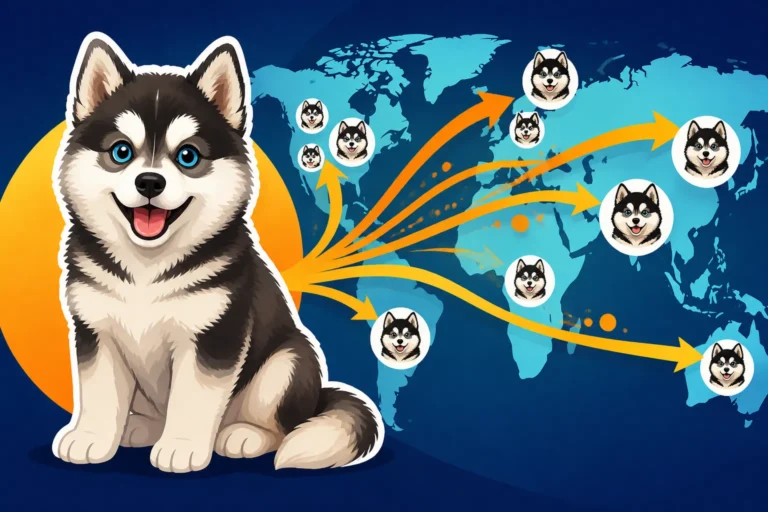
Before a single Pomsky was officially bred, the internet had already laid the groundwork for their immense popularity. It wasn't a breeder who first sparked the demand, but rather a series of captivating, yet often misleading, images that went viral and ignited a global fascination. This digital phenomenon created a desire for a dog that, at the time, barely existed in reality.
The Viral Photos and Misconceptions
Back in the early 2010s, particular photos began circulating widely online, showcasing what appeared to be impossibly cute, miniature Huskies. These images were utterly charming, featuring fluffy, blue-eyed pups that seemed to perfectly blend the striking looks of a Siberian Husky with the compact size of a Pomeranian. The problem? Many of these initial viral photos were often mislabeled or even digitally altered.
People fell head over heels for these "mini-Huskies" without realizing the true context. They saw an adorable, pocket-sized version of a majestic northern breed and immediately wanted one. This created a massive, instant demand for a dog that didn't yet reliably exist in the form people imagined. The public began clamoring for these dogs, often using the nascent term "Pomsky," long before responsible breeding programs had even started to take shape. It truly was The Viral Post That Invented Pomsky Demand.
The Reality Behind the Early Viral Images
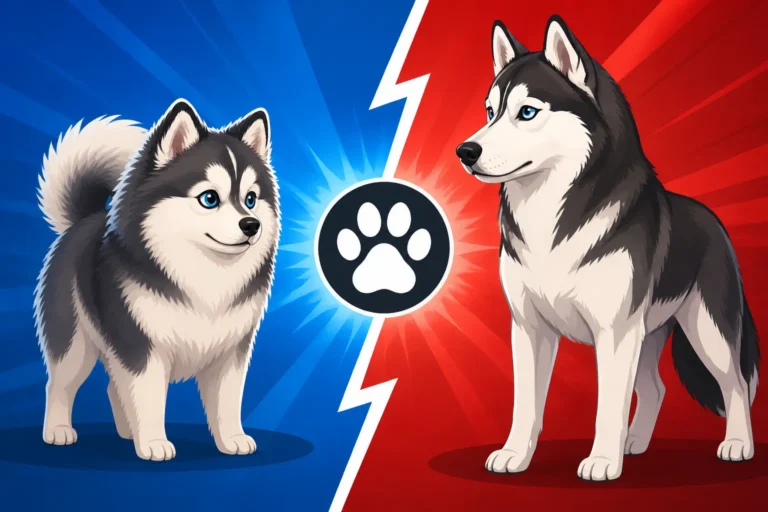
As charming as those initial viral photos were, they often didn't depict actual Pomskies. In many cases, the dogs in the pictures were either young Siberian Husky puppies that hadn't reached their full size, or even other small, Spitz-type breeds like the Alaskan Klee Kai or occasionally the Finnish Lapphund. These breeds, while beautiful, are distinct from the Pomsky.
The widespread circulation of these misidentified images led to a significant disconnect between public expectation and breeding reality. Prospective owners were often searching for a dog that was physically impossible to consistently produce, especially in the early days of Pomsky development. It left many feeling frustrated, and it put a lot of pressure on early breeders to try and meet an almost mythical ideal. This is why it's so important to understand Whether the First Pomsky Photos Showed Lapphunds or other breeds.
The First Actual Pomsky Litters: Separating Myth From Reality
While the internet was busy creating a phantom demand, dedicated individuals were beginning to explore the practicalities of breeding a true Pomeranian-Siberian Husky mix. The journey from viral fantasy to tangible reality was not simple, and it required careful planning and a deep understanding of canine genetics and reproductive science.
Pinpointing the Pioneer Efforts
It's difficult to name one single individual or kennel as "the" absolute first to breed a Pomsky, as several breeders were independently working on this crossbreed around the same time. However, a few key figures and early programs are widely credited with producing some of the first documented and successful litters in the United States, making the Pomsky a reality rather than just an internet meme. These pioneers weren't just throwing two dogs together; they were undertaking a deliberate and often complex breeding process.
These early efforts largely began around 2012, shortly after the viral phenomenon had peaked. Breeders, recognizing the intense public interest, started to strategically plan litters. They were driven by a desire to create a companion animal that truly embodied the best traits of both parent breeds, aiming for a smaller, more manageable Husky-like dog with the intelligence and charming personality of a Pomeranian. These were the true beginnings of The First American Pomsky Litter.
The Technical Challenges of Early Pomsky Breeding
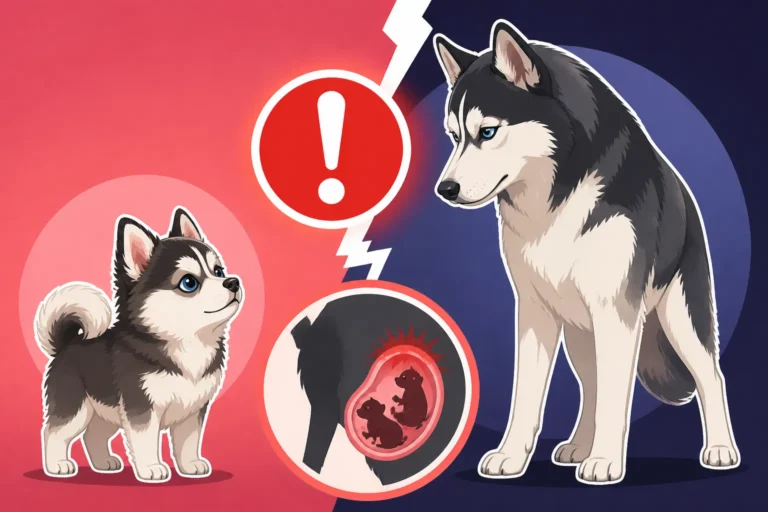
Breeding a Pomsky is not as simple as allowing a Pomeranian and a Siberian Husky to mate naturally. The significant size difference between the two breeds makes natural conception not just difficult, but incredibly dangerous for the smaller Pomeranian female. This is a crucial, non-negotiable aspect of Pomsky breeding that set it apart from many other crossbreeds right from the start.
To circumvent this physiological barrier, early Pomsky breeders almost exclusively relied on artificial insemination (AI). This veterinary procedure allows for the safe collection of semen from the male Pomeranian and its introduction into the female Siberian Husky. Yes, you read that right: the mother is almost always the larger Siberian Husky to ensure the safety of both mother and puppies during pregnancy and birth. This explains Why a Pomsky's Dam Must Be the Husky and Why a Pomsky Requires Artificial Insemination. This complex and costly procedure meant that early Pomsky breeding was a serious, medically assisted endeavor, not a casual backyard experiment.
The Pioneer Breeders: Vision and Challenges
The individuals who took on the challenge of breeding the first genuine Pomskies weren't just responding to internet hype; they were often experienced dog breeders with a vision. They faced unique challenges, from the technicalities of artificial insemination to the responsibility of developing a new crossbreed with consistency and health in mind.
The Aims of the Initial Breeding Programs
The primary goal for these pioneer breeders was to create a healthy, well-tempered companion dog that captured the desirable physical traits of the Siberian Husky in a smaller, more apartment-friendly package. They aimed for the striking blue eyes, the thick double coat, and the wolf-like facial markings often associated with Huskies, combined with the smaller stature and sometimes more biddable nature of the Pomeranian. It was about finding that perfect balance.
Beyond aesthetics, temperament was also a crucial consideration. Breeders hoped to produce dogs that were intelligent, playful, and affectionate, suitable for a variety of homes. They understood that a miniature Husky without a sound temperament would quickly become a handful, despite its cute appearance. So, while the look was a huge draw, health and disposition were equally, if not more, important. They wanted to deliver on the promise of the viral photos, but with a responsible approach.
Overcoming Obstacles and Managing Expectations
The path for early Pomsky breeders was not smooth. Beyond the necessary veterinary involvement for artificial insemination, they also had to contend with the inherent unpredictability of a first-generation (F1) cross. F1 Pomskies, where one parent is a purebred Husky and the other a purebred Pomeranian, can exhibit a wide range of sizes, coat types, and temperaments, sometimes even within the same litter. This made it difficult to guarantee what an F1 Pomsky would look like as an adult.
This variability was often at odds with the public's very specific expectations, fueled by the consistent look of the viral images. Breeders had to educate buyers about the realities of genetic inheritance and the fact that not every puppy would be a carbon copy of the idealized miniature Husky. They were constantly working to manage expectations and ensure that buyers understood the potential for variation in size, coat, and personality, often addressing concerns about Whether Pomsky Buyers Got What the Photos Promised.
Why Artificial Insemination Defined Early Pomsky Breeding
The reliance on artificial insemination wasn't just a convenience; it was a fundamental requirement that shaped the entire trajectory of the early Pomsky breed. It influenced everything from the cost of puppies to the ethical considerations of breeding.
The Safety and Necessity of AI
As mentioned, the size disparity between a male Pomeranian and a female Siberian Husky makes natural breeding unsafe for the Pomeranian. The sheer weight and size difference could cause serious injury to the smaller dog. Attempting to breed them naturally would be irresponsible and inhumane. Therefore, artificial insemination became the only safe and viable method for creating these first-generation crosses.
This necessity meant that early Pomsky breeding was almost exclusively carried out by professional, reputable breeders who had access to veterinary services and understood the reproductive process. It wasn't something a casual pet owner could attempt in their backyard without significant risk to the animals involved. This professional barrier inadvertently helped to establish a baseline of care and deliberate planning in the breed's initial stages.
Impact on Availability and Cost
The specialized nature of artificial insemination, combined with the need for veterinary oversight throughout the pregnancy and often during delivery (C-sections are not uncommon for Huskies carrying smaller-sire puppies), significantly increased the costs associated with producing a Pomsky litter. These expenses included vet fees for timing the insemination, the procedure itself, follow-up care, and potential emergency interventions.
These higher breeding costs naturally translated into higher puppy prices for prospective owners. Unlike many traditional breeds or accidental mixes, early Pomskies were never "cheap" dogs, simply due to the inherent expenses involved in their creation. This limited their immediate accessibility and helped distinguish them as a "designer" breed from the outset. Furthermore, because of these costs, it often meant that breeders were very invested in ensuring the health and well-being of each puppy, providing good quality nutrition and supplies from places like Chewy.
The Early Development of the Pomsky Breed Standard
As more Pomskies were bred and their popularity continued to grow, the need for some form of standardization became apparent. While not a recognized purebred, dedicated breeders understood the importance of working towards a common goal to ensure the health and predictability of future generations.
Working Towards Consistency
In the absence of recognition from major kennel clubs like the AKC or UKC, early Pomsky breeders began to form their own organizations and associations. The most prominent among these was the International Pomsky Association (IPA). These groups aimed to create guidelines for responsible breeding practices, establish health testing recommendations, and define a desired "type" for the Pomsky.
Their efforts were focused on bringing some order and predictability to a breed that was still very much in its formative stages. They sought to move beyond the F1 generation, which, as we discussed, can be highly variable, and work towards F2 and multi-generational crosses to achieve greater consistency in size, coat, and temperament. This was an attempt to provide clearer expectations for buyers and to ensure the breed's long-term health and viability. Understanding What the International Pomsky Association Does is key to appreciating this phase of development.
Defining the Desired Pomsky "Look"
One of the significant challenges in early standardization was reconciling the diverse appearances of F1 Pomskies with the public's idealized image. Breeders had to define what a "true" Pomsky would look like, acknowledging the blend of traits from both parent breeds. This involved describing acceptable size ranges, common coat colors and markings, ear set, and tail carriage.
While the "miniature Husky" look remained a strong aspiration, early standards also embraced the reality that many Pomskies would lean more towards the Pomeranian side in appearance, or present a truly unique blend. The goal wasn't to exclude dogs that didn't perfectly match the viral photos, but to create a framework that guided ethical breeding towards healthy, functional, and aesthetically pleasing dogs. Many still wonder, Whether Most Pomskies Look Like Big Pomeranians or true miniature Huskies, highlighting the continued discussion on the breed's ideal appearance. Finding the right food for these growing pups, regardless of their final look, was crucial, and resources like Chewy became important for breeders to stock up on quality kibble and supplements.
Key Milestones in Early Pomsky Development
| Aspect | Before First Litters (Early 2010s) | First Documented Litters (Circa 2012) |
|---|---|---|
| Driving Force | Viral internet photos of "miniature Huskies" (often misidentified) | Dedicated breeders responding to demand with responsible methods |
| Breeding Method | N/A (demand was for an imagined dog) | Exclusively artificial insemination due to size disparity |
| Parent Pairing | Imagined as natural breeding | Siberian Husky (dam) x Pomeranian (sire) for safety |
| Public Expectation | Uniform, consistent "mini Husky" look | Variable F1 outcomes, requiring breeder education |
| Cost Implications | None, as dogs didn't exist | Higher prices due to vet costs for AI and pregnancy management |
| Recognition | None | Formation of breed-specific associations (e.g., IPA) for guidelines |
The Enduring Legacy of Early Breeders
The efforts of those first breeders, who braved the complexities of artificial insemination and the unpredictability of a new cross, laid the foundation for the Pomsky breed we know today. They took a concept born from internet hype and transformed it into a tangible, if still evolving, reality. Without their dedication, the Pomsky might have remained merely a charming myth.
While there isn't one singular "inventor" of the Pomsky, it's clear that it was a collaborative effort by several passionate breeders who understood the science of canine reproduction and were committed to bringing this unique crossbreed into existence safely and responsibly. They faced scrutiny and skepticism, but their perseverance paved the way for the Pomsky to become one of the most beloved designer breeds. Whether you're considering a Pomsky puppy or an adult, understanding their origins helps you appreciate the journey these dogs have taken from internet sensation to cherished family member. Just remember, responsible breeding is paramount, and finding a breeder who understands this history and continues to prioritize health and temperament, offering good quality food and supplies from a trusted retailer like Chewy, is always the best path.
Disclaimer
This article is for general informational purposes only and does not constitute professional advice. Laws, prices and regulations vary by location and change over time. Consult a qualified professional for guidance on your specific situation.