The Pomsky Against a Purebred Husky
Many people fall head over heels for the striking looks of a Husky but then face the stark reality of their size, immense exercise needs, and sheer independent spirit in a typical home. That's where the Pomsky steps in, often marketed as the "miniature Husky," promising that iconic look in a more manageable package. But is a Pomsky truly just a smaller Husky, or are there fundamental differences that prospective owners absolutely need to understand? This guide is here to untangle the expectations from the reality, comparing the Pomsky directly against its purebred Husky ancestor so you can make an informed decision for your lifestyle.
Appearance: More Than Just a Smaller Silhouette
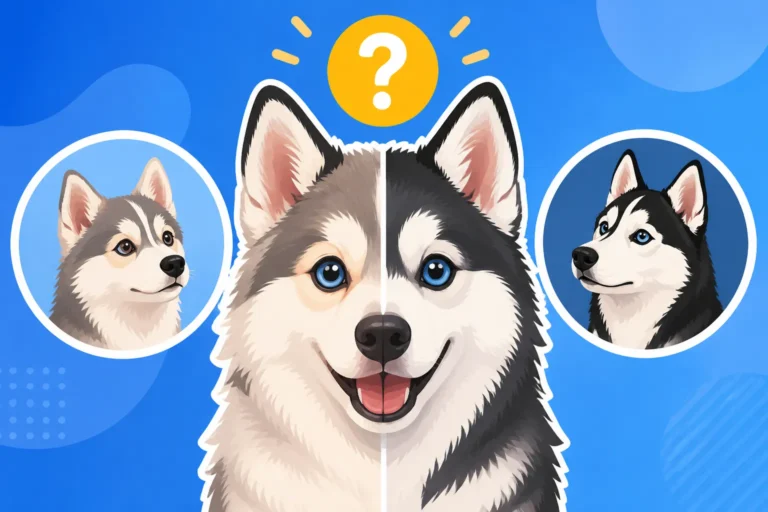
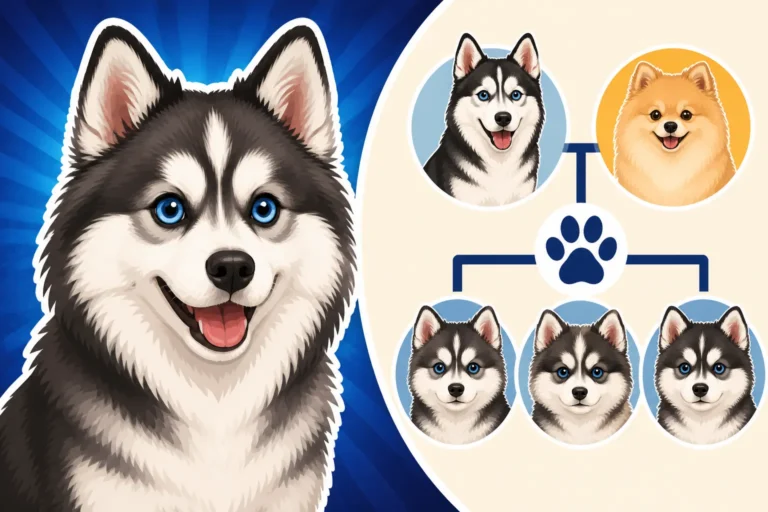
When you picture a Husky, you envision those piercing blue eyes, the thick double coat, the curled tail, and that distinctive mask. The dream for many Pomsky owners is to get exactly that, just scaled down. However, the genetic lottery of a mixed breed means you can get a much wider spectrum of appearances, sometimes leaning heavily towards the Pomeranian side, sometimes striking a unique balance, and sometimes actually looking like a miniature Husky.
Size and Build: The Defining Difference
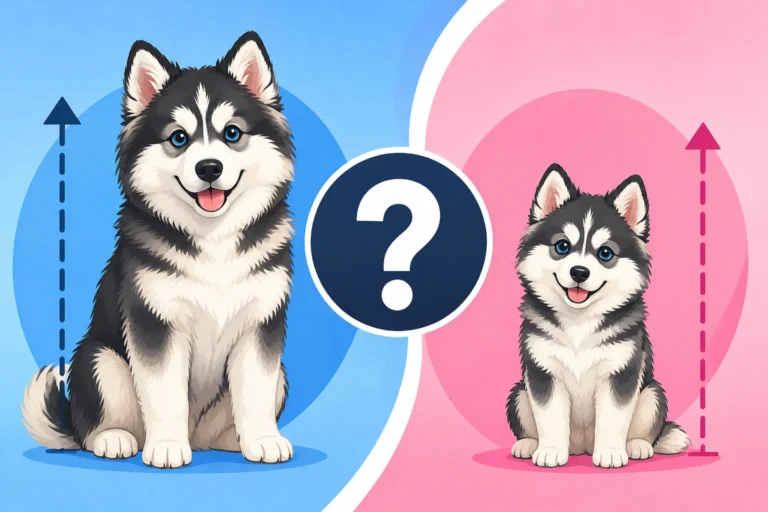
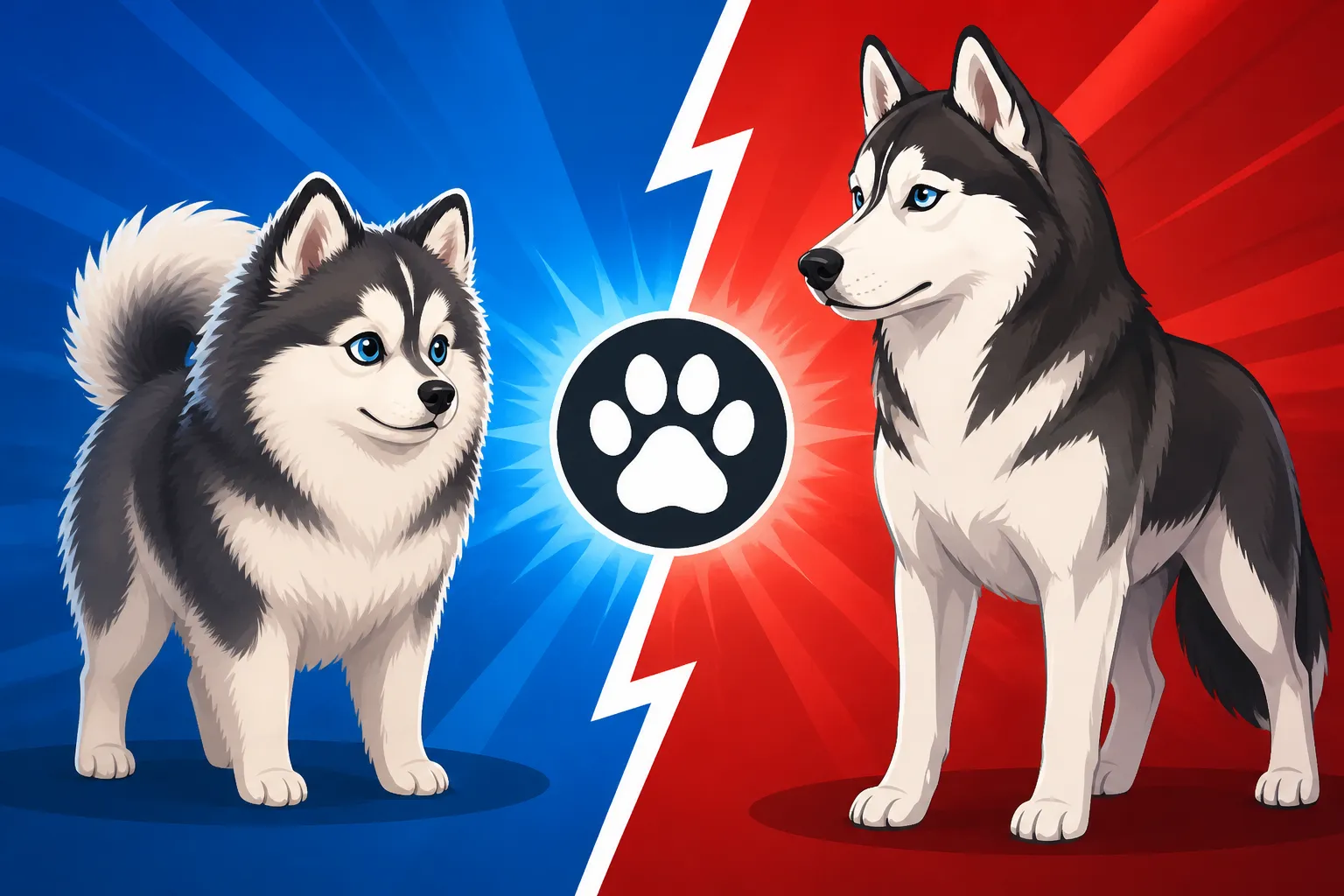
The most glaring and often discussed difference between a purebred Husky and a Pomsky is, without a doubt, their size. A Husky is a medium to large-sized dog, built for endurance and pulling sleds across vast, snowy landscapes. We're talking about a dog that can easily weigh anywhere from 35 to 60 pounds, sometimes more, and stand over 20 inches tall at the shoulder. They have a powerful, athletic build, designed for strength and stamina. This is a significant commitment in terms of space, food, and simply managing a large dog.
On the other hand, the Pomsky is specifically bred to be smaller. While there's no strict breed standard like with a purebred, a Pomsky typically ranges from about 10 to 35 pounds, with some "toy" or "micro" Pomskies aiming for even smaller sizes. Their height can be anywhere from 10 to 15 inches. This massive variation is one of the first frustrations new owners encounter. You might buy a puppy expecting a small companion, only to find you have a 30-pound dog on your hands. What a Pomsky Actually Weighs delves into this variability more deeply. The build also varies; some Pomskies retain the lean, athletic look of a Husky, while others might be a bit more stout, reflecting their Pomeranian heritage. It's critical to understand that even within one litter, you can have puppies that mature into very different sizes and builds.
Coat and Color: Variations on a Theme
Both Huskies and Pomskies boast luxurious double coats, which are part of their immense appeal. The Husky’s coat is thick and dense, perfectly designed to insulate them against extreme cold. They come in a variety of colors and patterns, including black and white, gray and white, red and white, sable, and pure white, often with distinctive masks and markings. This double coat sheds moderately year-round but famously "blows" its coat twice a year, resulting in an incredible amount of loose hair that can quickly overwhelm a home.
Pomskies inherit this double coat, but with interesting variations. You can find standard-coated Pomskies, which closely resemble the Husky's coat type, but also "wooly" coats, which are longer and fluffier, and even "short-coated" types that lean more towards the Pomeranian's shorter, yet still dense, fur. The wooly coat, while stunning, can be prone to matting and requires even more diligent grooming. Whether a Pomsky Blows Its Coat Twice a Year is a must-read for anyone considering a Pomsky. Like Huskies, Pomskies come in a dazzling array of colors and patterns, often showcasing those striking Husky masks and markings. However, the Pomeranian genes can introduce softer, sometimes less defined, colorations. Regardless of the type, preparing for significant shedding is non-negotiable for both breeds.
Facial Features: Eyes That Hypnotize
The eyes are often the first feature that draws people to the Husky, especially the captivating blue eyes, or heterochromia (one blue, one brown). Their almond shape gives them a keen, intelligent expression. Their ears are typically erect, medium-sized, and set high on their head, giving them an alert, wolf-like appearance.
Pomskies can absolutely inherit these stunning features, and many breeders specifically aim for those bright blue or bi-colored eyes. It's a major selling point. However, it's also common for Pomskies to have brown eyes, or even amber. The shape can be almond-like or rounder, a trait that often comes from the Pomeranian side. Similarly, while many Pomskies have erect ears like a Husky, some can have softer, more flopped ears as puppies that might take longer to stand, or in some cases, never fully stand. This again highlights the genetic variability; you might hope for a miniature Husky face, but end up with a dog that has a much softer, more Pomeranian-like expression.
Temperament and Personality: A Complex Mix
This is where the Pomsky truly diverges from a purebred Husky, often creating unexpected challenges for owners who anticipated a scaled-down version of the Husky personality. While both breeds are intelligent and can be affectionate, the blend of the independent, high-drive Husky with the sassy, sometimes more attention-seeking Pomeranian creates a truly unique and often unpredictable temperament in the Pomsky.
Energy Levels and Drive: Not Just a Lap Dog
Purebred Huskies are renowned for their incredible energy levels and drive. They were bred to run for miles, pulling sleds through harsh conditions. This means they require extensive daily exercise—not just a walk around the block, but sustained physical activity like running, hiking, or even dog sports. A bored Husky is a destructive Husky, prone to escaping, chewing, and digging. They thrive on having a "job" to do and will quickly become restless without proper outlets. The Exercise a Pomsky Needs Every Day is a crucial read here.
Pomskies generally have high energy levels too, but the intensity can vary. Some Pomskies will indeed have the boundless energy of a Husky, needing long runs and engaging playtime to keep them happy and prevent destructive behaviors. Others might be content with a couple of brisk walks and active indoor play. However, it's a mistake to assume that because they are smaller, their exercise needs are significantly diminished. They are still active dogs that require consistent mental and physical stimulation. The Pomeranian influence can sometimes manifest as a slightly more playful, less intense energy, but never underestimate the Husky side’s demand for activity. You might find yourself on Chewy browsing for an endless supply of durable chew toys and puzzle feeders!
Vocalization: The Sound of the Northern Winds (and a Little Sass)
Huskies are famous for their unique vocalizations. They are not typically barkers, but rather "talkers"—they howl, moan, grumble, and yodel, often engaging in lengthy conversations with their owners or other dogs. This distinctive communication style is part of their charm but can be a challenge in close living quarters. The Husky Howl in a Pomsky explains this phenomenon perfectly.
Pomskies, being a mix, can inherit either the Husky's melodic howls, the Pomeranian's tendency towards yappy barking, or a delightful (or infuriating) combination of both. Many Pomskies are quite vocal, prone to barking at passersby, howling at sirens, or "talking back" when they want something. This can be a significant issue for apartment dwellers or those with close neighbors. The sheer volume and frequency of their vocalizations can surprise owners who weren't prepared for such an expressive companion. Early training to manage barking and howling is essential, and even then, some Pomskies will simply be naturally chatty.
Trainability and Independence: A Stubborn Streak
Huskies are incredibly intelligent, but they are also notoriously independent and can be very stubborn. They were bred to make decisions on their own while out on the trail, which means they often prefer to think for themselves rather than blindly obey commands. This independent spirit can make training a challenge, especially when it comes to recall. A Husky’s high prey drive means that if something interesting catches their eye, they might decide a squirrel or a scent trail is far more compelling than your urgent calls. Recall on a Pomsky Bred From a Dog That Runs is a critical piece of information for any Pomsky owner.
Pomskies inherit this intelligence and can learn commands quickly. However, they also inherit that delightful stubborn streak and independent nature. Training a Pomsky requires consistency, positive reinforcement, and a lot of patience. They get bored easily with repetitive drills, so keeping training sessions short, fun, and engaging is key. The Pomeranian side can sometimes add a layer of defiance or a demand for attention that influences their willingness to cooperate. Many Pomskies will test boundaries constantly. While they love their families, their desire to please is often secondary to their own desires. This means off-leash reliability is rare, and a secure yard or a leash is almost always necessary for safety.
Health and Lifespan: A Blend of Genetic Blueprints
When you combine two different breeds, you're essentially blending their genetic blueprints, which means the resulting Pomsky can inherit health predispositions from both the Husky and the Pomeranian. While hybrid vigor is often touted, it's not a guarantee that a Pomsky will be healthier than either parent breed; it simply means they have a wider range of potential issues to inherit.
Common Health Concerns: A Mixed Bag
Purebred Huskies are generally a healthy breed, but they do have specific predispositions. Eye conditions are common, including juvenile cataracts, progressive retinal atrophy (PRA), and corneal dystrophy. Hip dysplasia, while not as prevalent as in some larger breeds, can also occur. Other concerns include hypothyroidism and zinc responsive dermatosis.
Pomeranians also have their share of breed-specific health issues. Patellar luxation (slipping kneecaps) is very common in smaller breeds, as is a collapsing trachea, dental crowding, and sometimes heart conditions. Alopecia X (black skin disease) is another notable concern in Pomeranians. The Two Opposite Disease Lists a Pomsky Inherits perfectly summarizes the broad spectrum of health possibilities.
For Pomskies, this means they can potentially inherit any of these conditions. For instance, a Pomsky could develop hip dysplasia from their Husky lineage or patellar luxation from their Pomeranian side. Dental issues are also common due to the mix of jaw sizes. Reputable breeders will health test their parent dogs for known conditions relevant to both breeds, such as OFA clearances for hips and patellas, and eye certifications from organizations like the Canine Eye Registry Foundation (CERF). However, even with testing, there are no guarantees with mixed breeds, and some conditions are harder to screen for. It's vital to discuss health guarantees and parent health clearances with any prospective breeder.
Lifespan Differences: Generally Similar
The lifespan of a purebred Husky typically ranges from 12 to 15 years, which is quite respectable for a medium to large-sized dog. They tend to age gracefully, maintaining their energy and playfulness well into their senior years, provided they receive proper care and nutrition.
Pomskies generally share a similar lifespan range, often falling between 12 and 15 years. The smaller size of the Pomeranian parent might slightly nudge the average lifespan upwards, as smaller dogs often live longer than very large breeds. However, the exact lifespan of a Pomsky can be influenced by all the same factors that affect any dog: genetics, diet, exercise, and overall veterinary care. Regular check-ups are paramount, and addressing any emerging health issues promptly can contribute significantly to their longevity and quality of life. Owners of senior Pomskies will find The Twelve to Fifteen Years a Pomsky Lives a helpful resource for navigating their dog's later years.
Grooming and Maintenance: The Double Coat Demands Attention
Both Huskies and Pomskies are double-coated breeds, which means they come with a significant grooming commitment. If you're not prepared for hair, these are not the breeds for you. The difference often comes down to the type of double coat and the specific challenges that arise from the Pomeranian influence in a Pomsky.
Shedding and Coat Care: A Daily Battle
Huskies are legendary for their shedding. They have a thick, soft undercoat and coarser guard hairs. While they shed year-round, they experience two major "blowouts" annually, usually in spring and fall, when they shed massive amounts of undercoat. During these times, it can feel like you're literally vacuuming up an entire dog daily. Regular brushing, often daily during shedding season, is essential to manage the loose hair and prevent matting. Specialty tools like undercoat rakes and force dryers are indispensable.
Pomskies also shed heavily, often year-round, with the same seasonal blowouts as their Husky ancestors. The amount of shedding can vary based on the specific coat type they inherit. Those with a "wooly" coat (a common trait from the Pomeranian side) often shed even more and are more prone to matting and tangles, requiring even more frequent and thorough brushing. Without consistent grooming, a wooly-coated Pomsky can quickly develop painful mats close to the skin. You'll find yourself needing a good supply of brushes and deshedding tools from stores like Chewy. Regardless of coat type, expect to invest time in grooming. The Undercoat Rake a Pomsky Owner Lives With is a testament to this reality.
Bathing and Professional Grooming: More Than Just a Quick Rinse
Bathing a Husky isn't a simple task. Their double coat is water-resistant and takes a long time to get thoroughly wet and even longer to dry completely. Improper drying can lead to skin issues like hot spots. Professional groomers often use high-velocity force dryers to push out all the dead undercoat and ensure the dog is completely dry to the skin.
Pomskies share these bathing challenges, and for those with wooly coats, the difficulty can be amplified. Their dense fur can trap moisture, making thorough drying absolutely critical to prevent skin problems and matting. Many Pomsky owners opt for professional grooming every 4-8 weeks, especially during shedding seasons, to ensure their dog's coat is properly maintained. A professional deshedding treatment can work wonders, removing copious amounts of loose undercoat and making home maintenance easier for a while. It's a significant ongoing cost to factor into your budget.
Living Environment and Suitability: Finding the Right Fit
Deciding between a Husky and a Pomsky often comes down to your living situation and lifestyle. While the desire for that Husky look is strong, the realities of their needs can dictate which breed is actually a good fit for your home.
Apartment vs. House Living: Space and Security
A purebred Husky is not an ideal apartment dog. Their high energy, vocal nature, and need for vast spaces to run mean they truly thrive in homes with large, securely fenced yards. Even then, a yard is not a substitute for active engagement and walks. Huskies are also legendary escape artists; they can jump, climb, and dig under fences with astonishing ease. The Pomsky Escape Artist in a Twenty Pound Body applies to Huskies as well! A truly secure fence with anti-dig barriers is often necessary.
Pomskies, being smaller, can potentially do better in apartments or smaller homes, but this depends heavily on the individual dog's energy level and the owner's commitment to daily exercise and mental stimulation. Many Pomskies still carry a strong Husky drive and can become destructive or vocal if under-exercised. A daily routine of brisk walks, playtime, and puzzle toys is non-negotiable. While their smaller size might make an escape slightly less dramatic, their Husky cunning and desire to roam are still present. A securely fenced yard is still highly recommended, even for a Pomsky, to allow them safe off-leash play.
Family Dynamics: Children and Other Pets
Huskies are generally good with children, known for being playful and gentle, though their size and boisterous nature mean supervision is always necessary, especially with very young kids, to prevent accidental knocks. However, their high prey drive is a significant consideration when it comes to smaller pets like cats, rabbits, or even small dogs. A Husky raised with a cat from puppyhood might tolerate it, but their instinct to chase and hunt can be overwhelming.
Pomskies can also be excellent family dogs, typically good with children, though again, their energy and sometimes nippy puppy phases require guidance. Because of their smaller size, they might seem safer around toddlers than a full-sized Husky, but their Pomeranian sass can sometimes mean they are less tolerant of rough play. The prey drive is still a major factor to consider. While a Pomsky is smaller, their instinct to chase small, fast-moving objects can be just as strong as a Husky's. Introducing a Pomsky to an existing small pet requires extreme caution and slow, supervised introductions. It's often safer to assume a strong prey drive and train accordingly, or simply avoid combining them with very small, vulnerable pets. Many Pomsky owners find themselves browsing Chewy for appropriate toys that cater to their dog's instinctual drives.
Climate Considerations: Built for the Cold
Huskies were bred for the frigid temperatures of Siberia. Their thick double coats make them incredibly well-suited to cold climates, where they thrive. Conversely, they are highly susceptible to overheating in warm or humid weather. Living in a hot climate with a Husky requires careful management, including limiting outdoor exercise to early mornings or late evenings, providing ample shade and water, and often requiring air conditioning indoors. Whether a Pomsky Overheats More Than a Husky is a common question.
Pomskies, with their double coats, also lean towards being more comfortable in cooler temperatures. While their smaller size might make them slightly more adaptable than a full-sized Husky, they are still prone to overheating in hot weather. Owners in warmer climates must take the same precautions as Husky owners: avoid mid-day walks, ensure constant access to cool water, and provide a cool indoor environment. A Pomsky's coat is still designed for insulation, meaning it traps heat. It's a common misconception that a small dog is automatically fine in any temperature; their coat type is the primary driver of their heat tolerance.
Here's a quick comparison of key traits:
| Trait | Purebred Husky | Pomsky (General) |
|---|---|---|
| Size (weight) | 35-60 lbs (female), 45-60 lbs (male) | 10-35 lbs, highly variable |
| Size (height) | 20-22 in (female), 21-23.5 in (male) | 10-15 inches, highly variable |
| Energy Level | Very high, needs extensive exercise | High, but can be managed with consistent activity |
| Vocalization | Known for howling, "talking," infrequent barking | Mix of howling, barking, chattering, often quite vocal |
| Prey Drive | High | Moderate to high, depends on genetics |
| Shedding | Heavy, especially during "blowing coat" seasons | Heavy, also blows coat, can be year-round |
| Trainability | Intelligent, independent, can be stubborn | Intelligent, but also independent and can be stubborn |
| Grooming Needs | Regular brushing, deshedding during coat blows | Regular brushing, more prone to matting if wooly-coated |
| Lifespan | 12-15 years | 12-15 years |
| Apartment Suitability | Low (needs space & activity) | Moderate (if exercise needs are met) |
| Children | Good, but large & boisterous (supervise small kids) | Good, but active & can be sassy (supervise small kids) |
| Other Small Pets | Low suitability (high prey drive) | Low suitability (moderate to high prey drive) |
| Warm Climate | Poor (prone to overheating) | Poor (prone to overheating) |
Ultimately, while the Pomsky offers the appeal of a smaller package, it's not a direct, miniaturized copy of a Husky. They carry a complex blend of traits from both parent breeds, and their individuality is a huge part of their charm and challenge. Understanding these nuances before bringing a Pomsky home will help ensure you're prepared for the wonderful, vocal, and sometimes stubborn companion you're inviting into your life. For those seeking Whether a Pomsky Suits a First Time Owner, the answer lies in preparing for a dog that requires dedication, training, and a deep understanding of its unique needs.
Disclaimer
This article is for general informational purposes only and does not constitute professional advice. Laws, prices and regulations vary by location and change over time. Consult a qualified professional for guidance on your specific situation.