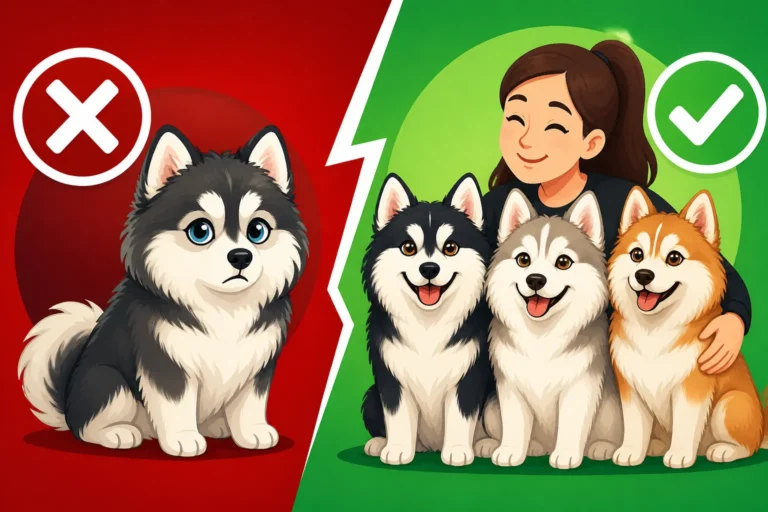
The Pomsky Against a Pomeranian
When you're captivated by the adorable, often miniature-Husky-like face of a Pomsky, it's easy to get swept up in the dream of owning one. But the reality of this designer crossbreed, particularly when compared to one of its parent breeds, the spirited Pomeranian, can be quite a different story. This guide will walk you through the distinct characteristics of the Pomsky and the Pomeranian, helping you understand what truly sets them apart beyond just their looks, and what you can genuinely expect from each.
Size and Appearance: The Visual Deception
The initial appeal of the Pomsky often lies in its promise of a "mini Husky" appearance, a compact version of the majestic Siberian Husky. However, the genetic lottery involved in crossbreeding means that results can vary wildly. On the other hand, the Pomeranian is a well-established toy breed with a highly predictable look. Understanding these differences is crucial, as the visual expectation can often be a major point of surprise or even disappointment for new owners.
The Expected Pomsky vs. The Pomeranian's Reality
Many prospective Pomsky owners envision a pint-sized Husky, complete with striking blue eyes, a wolf-like mask, and an athletic build. While some Pomskies do indeed hit this aesthetic jackpot, a significant number end up looking more like a larger, huskier version of a Pomeranian, or even a mix that doesn't strongly favor either parent in a predictable way. The "mini Husky" look is far from guaranteed. A Pomsky can range anywhere from 10 to 35 pounds, a huge variance that impacts everything from how much food they need to their physical presence in your home. This unpredictability in What a Pomsky Actually Weighs is one of the biggest challenges for those who purchase a Pomsky based solely on a desired look.
Contrast this with the Pomeranian. You know exactly what you're getting. They are consistently small, typically weighing between 3 and 7 pounds, and have a distinct foxy face, small erect ears, and a plumed tail that curls over their back. There's no genetic guesswork here; a Pomeranian puppy will grow up to be a Pomeranian adult, true to its breed standard. This predictability is often a huge comfort for owners who need a dog that fits a specific size requirement for apartment living or travel, eliminating the anxiety of not knowing if their tiny puppy will suddenly sprout to an unexpected size.
Coat Types and Colors: Where the Genes Clash
Both Pomskies and Pomeranians boast luxurious double coats, but the texture, density, and color variations can differ. Pomeranians are renowned for their profuse, stand-off double coat, which gives them their characteristic fluffy, ball-of-fluff appearance. Their coats come in a dazzling array of colors and patterns, including orange, black, white, cream, sable, parti, and merle, among others. The texture is generally soft but dense, providing excellent insulation. Their shedding, while present, is typically more manageable due to their smaller size.
The Pomsky's coat is a fascinating blend, or sometimes a chaotic mix, of its parents. Some Pomskies inherit the longer, softer, "wooly" coat more akin to a Pomeranian, while others get the sleek, medium-length coat of a Husky. Then there are the "standard" coats, which fall somewhere in between. The Three Pomsky Coat Types each come with their own grooming challenges. You might see a variety of colors and markings, including the classic black and white, red and white, grey and white, or even solid colors, often with the distinctive Husky mask. The double coat on a Pomsky can be incredibly dense, particularly if they lean more towards their Husky heritage, leading to significant shedding during seasonal "blow-outs."
Facial Features: Husky Charm in a Small Package?
When people talk about the "look" of a Pomsky, they're often talking about the facial features. The piercing blue eyes and expressive mask of a Husky are highly sought after. Indeed, many Pomskies do inherit these captivating traits, which contribute greatly to their unique appeal. Their ears are typically erect, though some may have softer ears in puppyhood that take a while to stand up, or even remain partially dropped if the Pomeranian genes are stronger. Their tails usually have the characteristic curl of both parent breeds, sitting high over their back.
A Pomeranian's face is quite different. It's often described as foxy, with bright, intelligent dark eyes and a perpetually alert expression. Their ears are small and roundish, always standing erect, and their muzzle is dainty. While they don't have the striking bi-color or blue eyes often seen in Huskies and Pomskies, their charming, inquisitive gaze is a hallmark of the breed. The Pomeranian's overall facial structure is refined and delicate, in stark contrast to the often more robust and primitive look of a Pomsky.
Temperament and Personality: Beyond the Cute Face
Looks can be deceiving, and nowhere is this more true than when comparing the temperament of a Pomsky to a Pomeranian. Both breeds are intelligent and capable of forming strong bonds, but their inherent drives and needs, stemming from their parentage, result in very different personalities and behavioral patterns. Understanding these nuances is paramount to a harmonious household.
Energy Levels and Exercise Needs
This is where the Husky side of the Pomsky often shines through, sometimes to the surprise of owners expecting a lapdog. Pomskies, especially those leaning more towards their Husky parent, can have surprisingly high energy levels for their size. They need regular, vigorous exercise to prevent boredom and destructive behaviors. We're talking long walks, runs, playtime in a secure yard, and mental stimulation. An under-exercised Pomsky can quickly become a handful, channeling that pent-up energy into barking, chewing, or even trying to stage a daring escape. They need daily engagement, and What a Pomsky Needs Daily includes not just physical activity but also brain games.
Pomeranians, while spirited and active in their own right, have significantly lower exercise requirements. A couple of brisk walks a day, combined with indoor playtime, is usually sufficient to keep them happy and healthy. They love to play and explore, but their smaller stature means they tire more quickly. They are far more adaptable to apartment living precisely because their need for wide-open spaces and endurance activities is minimal. For someone looking for a companion who enjoys a leisurely stroll rather than a marathon run, the Pomeranian is often the more suitable choice.
Trainability and Stubbornness
Both breeds are intelligent, but their approach to training differs. Pomeranians are generally eager to please and can be quite responsive to positive reinforcement. They excel in obedience and agility, often enjoying the challenge of learning new tricks. Their bright minds mean they pick things up quickly, though consistency is still key to managing their sometimes-bossy nature. They thrive on attention and praise, making training a rewarding experience for both dog and owner.
Pomskies, on the other hand, can inherit a strong streak of Husky independence and stubbornness. While intelligent, they might decide that listening to you isn't always their top priority, especially if something more interesting, like a squirrel or a captivating scent, captures their attention. Training a Pomsky requires immense patience, consistency, and a high-value reward system. They might "talk back" or try to negotiate commands, a trait often attributed to their Husky heritage. Building a solid Recall on a Pomsky Bred From a Dog That Runs can be a lifelong endeavor, and many owners find themselves needing professional guidance to navigate their unique blend of intelligence and willfulness.
Socialization and Family Dynamics
Pomeranians are known for their confident and sometimes feisty personalities. They often have a "big dog" attitude in a small body and can be wary of strangers or other animals if not properly socialized from a young age. With proper introduction and training, they can be excellent family pets, though their delicate size means they are generally better suited to homes with older, more considerate children who understand how to interact gently with a small dog. They can also be prone to developing small dog syndrome if not given clear boundaries and training.
Pomskies, like their Husky parents, can be very social and outgoing dogs. They often love people and can be quite friendly, though early socialization is crucial to ensure they grow into well-adjusted adults. They tend to be good with children, often having the playful energy to keep up with them, but again, responsible supervision is always necessary, especially with younger children due to their potential size and energy. However, the Husky prey drive can also be present in a Pomsky. The Prey Drive a Pomsky Gets From the Husky means care must be taken around smaller household pets like cats, rabbits, or guinea pigs, unless they are raised with them from a very young age and constantly supervised. This makes understanding their lineage's instincts vital for family dynamics.
| Feature | Pomsky | Pomeranian |
|---|---|---|
| Typical Weight | 10-35 pounds (Highly variable) | 3-7 pounds (Highly predictable) |
| Primary Look | Often mini-Husky or large Pomeranian; unpredictable | Consistent "foxy" face, fluffy, toy breed |
| Energy Level | Moderate to High; needs significant daily exercise and mental stimulation | Low to Moderate; happy with shorter walks and indoor play |
| Trainability | Intelligent but can be stubborn; requires patience and consistency | Intelligent and generally eager to please; good for obedience |
| Shedding | Moderate to Heavy, especially during seasonal blow-outs | Moderate, generally more manageable due to size |
| Grooming | Regular brushing (2-3x/week), daily during blow-outs; professional help needed | Regular brushing (2-3x/week) to prevent mats; professional trims optional |
| Prey Drive | Can be strong, inherited from Husky side | Present but generally less pronounced due to size and temperament |
| Vocalization | Can howl, talk, bark (mixture of parents); can be loud | Can be prone to persistent barking; alert watchdogs |
Grooming Requirements: A Tale of Two Coats
Both Pomskies and Pomeranians are double-coated breeds, meaning they have a soft, dense undercoat for insulation and a longer, coarser outer coat (guard hairs) for protection. This shared trait means both require significant grooming, but the scale and specifics of that grooming can differ considerably, especially given the Pomsky's potential for a much larger body size.
Shedding Seasons and Daily Maintenance
Prepare for hair, folks. Both of these breeds shed, and they do it enthusiastically. Pomeranians, despite their small size, have a surprisingly dense coat. They shed moderately year-round, with heavier shedding periods typically in spring and fall when they "blow" their coat. Regular brushing, about two to three times a week, is essential to remove loose hair, prevent matting, and keep their skin healthy. Without consistent brushing, a Pomeranian's beautiful coat can quickly develop uncomfortable mats, especially behind the ears and in the "armpit" areas.
Pomskies take shedding to a whole new level, especially if they lean towards the Husky side of their lineage. Whether a Pomsky Blows Its Coat Twice a Year is a common concern, and the answer is usually a resounding yes, in spring and fall. During these seasonal blow-outs, you might feel like you're harvesting enough fur to knit another small dog. Even outside of these periods, Pomskies shed moderately year-round. This means daily brushing during blow-outs and at least three times a week during other times is non-negotiable. You'll need specialized tools like an undercoat rake and a slicker brush, and a good vacuum cleaner will become your best friend. Many Pomsky owners swear by high-velocity dryers, available at pet stores or online retailers like Chewy, to help blast out loose undercoat after baths, significantly reducing shedding inside the home.
Bathing and Professional Grooming Needs
Bathing a Pomeranian needs to be done carefully to ensure their dense undercoat dries completely, preventing skin issues. They generally need a bath every 2-3 months, or as needed if they get particularly dirty. Professional grooming appointments every 6-8 weeks are often recommended not just for bathing and drying, but also for tidying up their coat, trimming paw pads, and ensuring nails are kept short. These regular sessions help maintain their iconic fluffy appearance and prevent coat problems.
For Pomskies, especially those with thicker or wooly coats, bathing can be a more involved affair. The Pomsky That Carries a Husky Coat at Twenty Pounds can take a long time to dry fully, and a damp undercoat can lead to skin irritations or hot spots. They might require bathing less frequently than a Pomeranian, perhaps every 3-4 months, unless they get very muddy. However, the drying process is critical. Many Pomsky owners find that professional groomers are invaluable, particularly for their deshedding services which involve specialized shampoos, conditioners, and high-velocity drying techniques to remove as much loose undercoat as possible. Trying to manage a full Pomsky deshedding at home can be a monumental task, and groomers often have the tools and expertise to do it efficiently.
Health Considerations and Lifespan: Inherited Traits
One of the often-touted benefits of a "designer dog" like the Pomsky is the concept of hybrid vigor, suggesting they might be healthier than their purebred parents. While there can be some truth to this, it's also important to remember that Pomskies inherit potential health issues from both the Siberian Husky and the Pomeranian. Responsible breeding practices are crucial for both breeds to minimize the risk of hereditary conditions.
Common Health Issues from Parent Breeds
Pomeranians are generally robust little dogs, but they are prone to certain genetic conditions. These include patellar luxation (slipping kneecaps), The Collapsing Trachea a Pomsky Gets From the Pomeranian, dental problems due to their small mouths, alopecia X (a skin condition leading to coat loss), and occasionally heart conditions. Their small size makes them more susceptible to hypoglycemia as puppies and often leads to Dental Crowding in a Pomsky's Small Mouth as adults, requiring diligent dental care.
Pomskies, being a mix, can inherit predispositions from both sides of their family tree. This means they could be at risk for conditions common in Huskies, such as The Eyes a Pomsky Gets From the Husky (like juvenile cataracts or progressive retinal atrophy), hip dysplasia, and certain autoimmune diseases. Simultaneously, they can inherit the conditions seen in Pomeranians, like patellar luxation and tracheal collapse. Therefore, prospective owners should be vigilant about understanding The Two Opposite Disease Lists a Pomsky Inherits and inquire about health screenings of both parent breeds. A reputable breeder will screen their breeding stock for these conditions, offering a clearer picture of potential risks.
Longevity and Senior Care
Pomeranians typically enjoy a long lifespan, often living 12 to 16 years, with some living even longer. As they age, common issues include worsening dental disease, joint stiffness or arthritis, and potential heart problems. Senior Poms benefit from regular vet check-ups, a quality diet appropriate for their age, and adjustments to their exercise routine to keep them comfortable and active.
The lifespan of a Pomsky is generally estimated to be around 12 to 15 years, putting them in a similar range to their Pomeranian parent. The Twelve to Fifteen Years a Pomsky Lives is a good estimate, but as a newer crossbreed, long-term health data is still accumulating. As a Pomsky ages, owners should be mindful of signs of joint pain (especially if they are prone to hip or knee issues), changes in vision or hearing, and weight management. Maintaining a healthy weight throughout their life is critical to reduce strain on joints and organs. Regular veterinary care, including annual check-ups, is paramount for early detection and management of age-related conditions. Products like joint supplements or specialized senior diets, often available at retailers like Chewy, can also play a supportive role in their senior years.
Living Environment and Adaptability: Finding the Right Fit
When deciding between a Pomsky and a Pomeranian, your living situation plays a huge role. Their differing energy levels, size, and inherent drives mean they adapt differently to various environments. What works for one might be a disaster for the other.
Space Requirements and Activity
Pomeranians are highly adaptable to various living situations, making them excellent choices for apartment dwellers or those with smaller homes. While they enjoy a securely fenced yard, it's not strictly necessary as long as they get their daily walks and indoor play sessions. Their small size means they don't demand vast amounts of space to stretch their legs indoors, though they certainly enjoy having room to zoom around the living room. They are happy to curl up on the couch for a cuddle, but also keen to join you for short adventures.
Pomskies are a bit more demanding. Their Husky lineage means they often possess a greater need for space and activity. While a smaller Pomsky might tolerate apartment living, it's generally not ideal, especially if they have higher energy levels. A securely fenced yard is highly recommended for a Pomsky, not just for exercise but also to provide an outlet for their digging tendencies and to prevent them from becoming The Pomsky Escape Artist in a Twenty Pound Body. They need more than just a short walk around the block; they thrive on longer walks, runs, hikes, or vigorous play sessions. Without adequate physical and mental stimulation, a Pomsky can become bored and destructive, leading to chewed furniture or persistent vocalizations.
Climate Tolerance
Both breeds have double coats, which provides them with a certain degree of protection against the elements, but their tolerance for extreme temperatures differs significantly. Pomeranians, with their dense, fluffy coats, can handle cooler temperatures quite well, though they are small and can get cold if left out in freezing conditions for too long. They are more susceptible to overheating in hot, humid weather due to their compact body and thick coat. Care must be taken to keep them cool during summer months, ensuring they have access to shade, fresh water, and are walked during cooler parts of the day.
Pomskies, with their Husky heritage, are generally more tolerant of cold weather. Their double coat is designed for insulation in harsh, snowy climates. They often revel in snow and cooler temperatures, showing their Husky roots. However, this same thick coat makes them very vulnerable to overheating in warm or hot climates. Owners living in southern states or during hot summers need to be extremely cautious. This means limiting outdoor exercise to early mornings or late evenings, providing plenty of water, access to air conditioning, and never leaving them in a hot car. Whether a Pomsky Overheats More Than a Husky is a valid question, as their smaller body size can sometimes make them less efficient at cooling down compared to a larger Husky, especially if they are heavily built.
Cost of Ownership: Beyond the Purchase Price
When considering adding a dog to your family, the initial purchase price is just the tip of the iceberg. The ongoing costs associated with feeding, grooming, veterinary care, and general supplies can add up quickly for any dog, but there are distinct differences between owning a Pomeranian and a Pomsky that are worth noting. While I can't give specific current prices, I can outline the types of expenses you'll encounter.
Initial Costs vs. Ongoing Expenses
The initial purchase price for a Pomeranian from a reputable breeder typically reflects the extensive health testing, quality care, and ethical breeding practices involved. This price includes factors like genetic testing for common Pomeranian ailments, vaccinations, deworming, and sometimes microchipping. Initial supplies for a Pomeranian will be smaller scale: a small crate, tiny toys, a small bed, and appropriate small-breed food.
For a Pomsky, the initial purchase price can be significantly higher than a purebred Pomeranian, driven by demand and the specialized breeding process (artificial insemination is often necessary due to the size difference of the parent breeds). Like Pomeranians, a reputable Pomsky breeder should also invest heavily in health testing, appropriate care for the dam and puppies, and all initial veterinary care. Beyond the initial cost, remember that Pomskies are generally larger, which often translates to higher ongoing costs. They'll need bigger crates, larger beds, and more robust toys. Their food consumption will be higher, and items like leashes and harnesses will need to be sturdier.
Food, Grooming, and Veterinary Care
When it comes to daily living, food is a continuous expense. Pomeranians, being small, eat relatively little. A bag of high-quality small-breed kibble from a retailer like Chewy can last them a good amount of time. Their grooming expenses, while present, are often slightly less than a large double-coated dog, though professional grooming can still add up. Routine veterinary care is standard for all dogs, but Pomeranians can have specific predispositions like dental disease and patellar luxation, which might incur costs over their lifetime.
Pomskies, being larger and often more active, will consume more food, leading to higher monthly feeding costs. Their extensive double coats, especially during seasonal blows, almost necessitate professional grooming for many owners. The sheer volume of hair means more frequent trips to the groomer for baths and deshedding treatments, which are more expensive for a larger dog. When it comes to veterinary care, Pomskies have the potential to inherit a wider range of genetic conditions from both parent breeds. This can lead to a more complex and potentially more expensive medical history. Insuring a Pomsky Against Two Parent Breeds can be a wise investment to help manage unexpected health costs, as their mixed genetics can sometimes make predicting issues challenging.
Disclaimer
This article is for general informational purposes only and does not constitute professional advice. Laws, prices and regulations vary by location and change over time. Consult a qualified professional for guidance on your specific situation.