Whether the Pomsky Boom Has Faded
Remember when the Pomsky first burst onto the scene, dazzling everyone with those adorable miniature husky looks? It felt like these tiny fluff balls were everywhere online, driving demand through the roof. But if you're looking for one now, you might be wondering if that initial frenzy has died down, or if the "Pomsky boom" has truly faded. This guide will dive deep into the journey of the Pomsky, from its meteoric rise to its current, more stable footing, helping you understand the real landscape of Pomsky ownership today.
The Initial Spark: How the Pomsky Phenomenon Began
It's hard to deny the instant appeal of a Pomsky. Imagine the striking features of a Siberian Husky – those piercing blue eyes, the wolf-like mask, the luxurious double coat – all condensed into a compact, apartment-friendly package. For many, this was the dream dog, perfectly blending exotic looks with a manageable size. The internet, as it often does, played a monumental role in launching the Pomsky into the public consciousness, creating a demand almost overnight that breeders scrambled to meet.
The Viral Photos and Unrealistic Expectations
The truth is, before actual Pomskies were widely available, the internet was already buzzing with images that looked like Pomskies but often weren't. Many people recall The 2011 Photos That Were Not Pomskies, images that captured the imagination but sometimes depicted different breeds like the Alaskan Klee Kai or even cleverly Photoshopped pictures. These early viral sensations created a massive, almost insatiable, demand for a dog that many breeders hadn't even truly perfected yet. People saw these pictures and instantly wanted one, often without fully understanding the genetics, temperament, or true size variability that would come with such a unique crossbreed. The allure was powerful, promising a perfect blend of two very different dogs.
This online phenomenon led to some unrealistic expectations. Buyers, captivated by the photos, often envisioned a small, calm, miniature Husky that would be easy to manage and universally friendly. What they sometimes received was a dog with a wide range of Husky or Pomeranian traits, both physically and behaviorally, which could be a delightful surprise or a challenging adjustment. The "boom" was fueled by this ideal image, rather than a deep understanding of the practicalities of owning such a mixed breed. It was a classic case of supply trying desperately to catch up with a runaway internet-fueled demand.
The Early Days of Ethical Breeding Efforts
Amidst the viral hype, some dedicated breeders saw the potential for a wonderful companion dog and began the meticulous, often difficult, process of ethically creating the Pomsky. This wasn't a simple task, primarily because of the vast size difference between the Siberian Husky dam (mother) and the Pomeranian sire (father). This physical disparity means that Why a Pomsky Cannot Be Bred Naturally, making artificial insemination a necessity to ensure the safety of both parent dogs, especially the smaller Pomeranian. These early, responsible breeders understood the genetic considerations, health screenings, and careful selection needed to produce healthy puppies.
It was a slow and deliberate process, with the first documented American litter, The 2012 Litter That Made the Pomsky Real, marking a significant milestone. These pioneers weren't just throwing two dogs together; they were investing in progesterone testing, vet care, and careful pairing to produce generations of Pomskies. Their commitment was about more than just capitalizing on a trend; it was about establishing a new crossbreed with attention to health and temperament, laying the groundwork for what the Pomsky would become. These initial efforts, while not always visible to the general public caught up in the online frenzy, were crucial in moving the Pomsky from a viral dream to a tangible reality.
The Role of Social Media in the Boom
Social media platforms like Instagram and Facebook were absolutely instrumental in skyrocketing the Pomsky's popularity. Every adorable puppy picture, every charming video of a tiny dog with big Husky eyes, instantly became shareable content. Hashtags like #pomsky and #minihusky proliferated, turning these dogs into canine celebrities. Owners loved showing off their unique companions, and the visual appeal of the breed made them perfect for viral content.
This rapid dissemination of images and stories created a powerful feedback loop. The more people saw Pomskies online, the more they wanted one, and the more content was created. It was an organic marketing machine that far outpaced traditional breed recognition or marketing efforts. This constant exposure cultivated a sense of urgency and desirability, with many people jumping on waiting lists or seeking out breeders based on what they saw trending. The boom wasn't just about the dogs; it was about the experience of discovering and sharing them in a digital age, making the Pomsky feel like the must-have pet.
Navigating the Peaks and Valleys of Pomsky Popularity
Like any trend, the initial fever pitch surrounding the Pomsky couldn't last forever. What started as an explosion of interest has naturally settled into a more sustainable, albeit still significant, level of demand. This shift isn't a sign of failure, but rather a maturation of the breed (or crossbreed, as it is officially). It signifies a move from novelty to a more established presence in the dog world, accompanied by a deeper understanding of what owning a Pomsky truly entails.
Supply, Demand, and the Price Tag Rollercoaster
In the early days of the Pomsky boom, demand far outstripped supply, leading to exceptionally high prices. People were willing to pay a premium for these rare, adorable "designer dogs," with prices often ranging significantly. It wasn't uncommon for individuals to pay The Fifteen Hundred to Five Thousand a Pomsky Costs or even more for a puppy, especially one with coveted blue eyes or a striking Husky mask. The allure of being one of the first to own such a unique dog pushed prices upward, creating an exclusive market.
As more breeders entered the scene—some reputable, some not—and the supply of Pomsky puppies increased, the market naturally began to stabilize. While Pomskies are still a considered purchase, the wild fluctuations and extreme pricing of the initial boom have generally leveled off. This doesn't mean they're cheap; the specialized breeding process, including artificial insemination, still incurs significant costs for responsible breeders. However, the desperation that drove initial buyers to pay exorbitant amounts for any available puppy has largely subsided, allowing for a more reasoned decision-making process.
Shifting Perceptions: From "Designer Dog" to "Real Breed"
The term "designer dog" often carries a mixed connotation. While it highlights the intentional crossbreeding of two purebreds, it can also suggest a fleeting trend or a dog bred primarily for appearance rather than health or temperament. In the initial boom, the Pomsky was very much seen as the quintessential "designer dog" – a fashionable accessory. However, as the breed has matured and more generations have been produced by ethical breeders, the perception has gradually shifted. People are starting to recognize that these aren't just random mixes; they are the result of deliberate breeding programs aimed at producing consistent traits.
This evolution in perception is crucial for the long-term viability of the Pomsky. Rather than being viewed as a passing fad, the Pomsky is increasingly being appreciated for its unique blend of characteristics, intelligence, and personality. Organizations like The International Pomsky Association and What It Sets have played a vital role in this shift, working to establish breeding standards, promote responsible practices, and educate the public. This helps solidify the Pomsky's place as a legitimate crossbreed with a dedicated community, moving beyond the initial superficial attraction.
Increased Awareness of Breed-Specific Challenges
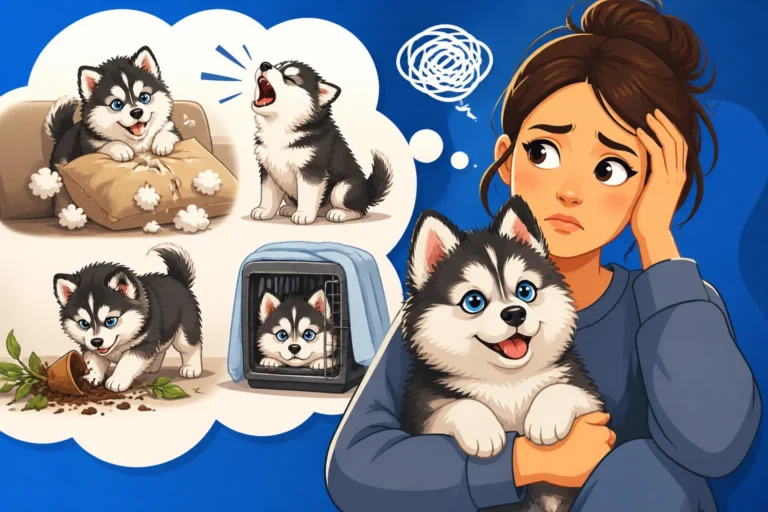
One of the most valuable outcomes of the initial boom settling down is the increased awareness among potential owners about the real-world challenges and responsibilities of owning a Pomsky. Early on, many buyers were drawn in by looks alone, sometimes overlooking the potential for energetic temperaments, significant shedding, or specific health considerations inherited from their parent breeds. The initial internet promise of a "mini Husky" didn't always prepare people for the reality of managing a dog that might inherit a strong prey drive, vocal tendencies, or an independent streak.
Now, resources are far more abundant, and experienced owners are more vocal about the full picture. Prospective Pomsky parents are better informed about topics such as The Pomsky That Carries a Husky Coat at Twenty Pounds, The Pomsky Escape Artist in a Twenty Pound Body, and Dental Crowding in a Pomsky's Small Mouth. This deeper understanding means that current buyers are often more prepared for the commitment involved, leading to better-matched homes and fewer surprises. It's a sign of a healthier, more educated market, where realism trumps romanticism.
The Current Landscape: A More Measured Interest
While the explosive, almost frantic, demand of the early days has subsided, it would be inaccurate to say the Pomsky has completely fallen off the radar. Instead, what we're seeing is a more sustainable, consistent level of interest. The breed has found its niche and maintained a loyal following, drawing in individuals who appreciate its unique qualities beyond just its initial novelty. This period reflects a maturation where education and responsibility are prioritized over impulse and trend-following.
Reputable Breeders Versus Backyard Operations
During the initial boom, many people saw an opportunity to make quick money, leading to a proliferation of backyard breeders and puppy mills that often disregarded health, genetics, and proper socialization. These operations contributed to issues like unpredictable sizing, temperament problems, and various health concerns in puppies. It was often a gamble, and many prospective owners found themselves asking Whether a Pomsky Without Papers Is Real or even worse, if their supposedly pure Pomsky was actually a different mix altogether. This era of irresponsible breeding was a significant challenge for the emerging crossbreed.
Today, the market has somewhat self-corrected. While backyard breeders still exist, the discerning buyer has far more resources to identify and support reputable breeders who prioritize health testing, genetic screening, and proper puppy rearing. These breeders are often transparent about their practices, provide health guarantees, and offer ongoing support to new owners. They understand the importance of screening for conditions like The Two Opposite Disease Lists a Pomsky Inherits and are committed to improving the breed. This shift has elevated the overall quality and ethical standards within the Pomsky breeding community.
The Growth of Pomsky Communities and Resources
A clear indicator that the Pomsky boom hasn't faded entirely, but rather matured, is the robust and thriving community that has grown around the breed. Online forums, social media groups, and local Pomsky meet-ups are common, providing invaluable support and information for owners. These communities offer a space for people to share experiences, ask questions, and celebrate their dogs. This is where you'll find real talk about everything from grooming tips (like dealing with The Undercoat Rake a Pomsky Owner Lives With) to training challenges, far beyond the glossy images that sparked the initial interest.
Beyond owner groups, there's also been a significant increase in informational resources. Websites, blogs, and even dedicated product lines cater specifically to Pomskies. Brands like Chewy, for instance, often feature comprehensive guides on specific breeds and carry a wide array of products suitable for Pomskies, from specialized brushes for their double coats to durable toys for their active minds. This ecosystem of support and information indicates a sustained, genuine interest in the breed, driven by a desire for responsible ownership and a deep affection for these unique dogs.
Rescue and Rehoming Trends for the Pomsky
It's a sad reality that any popular breed, especially one with a strong initial "boom," will inevitably see dogs entering rescue. The Pomsky is no exception. While the demand was initially sky-high, many individuals weren't fully prepared for the realities of owning a dog that can be intelligent, energetic, and sometimes stubborn. The mismatch between expectations (a miniature, docile Husky) and reality (a dog with significant Husky or Pomeranian traits) often led to surrenders. It's a common trend for these dogs to reach rescue around Why Pomskies Are Surrendered, when they hit adolescence and their full personalities emerge.
However, the growth in dedicated Pomsky rescues and hybrid dog rescue organizations also points to a continuing commitment to the breed. These groups work tirelessly to rehome Pomskies, and demand for rescued Pomskies remains steady. People who missed out on a puppy or prefer to adopt an older dog often turn to these organizations. This active rescue network signifies that while some owners may not be a good fit, there are plenty of dedicated individuals eager to provide a loving home for a Pomsky in need, demonstrating an enduring love for the breed even beyond the initial frenzy.
| Aspect | Initial Boom Phase | Current Measured Interest Phase |
|---|---|---|
| Driving Force | Viral photos, novelty, "mini Husky" ideal | Specific breed traits, established community, informed choice |
| Pricing | Highly inflated, premium for rarity | More stable, still a considered investment |
| Breeding Quality | Wide variation, many opportunistic breeders | Growing presence of reputable, health-focused breeders |
| Owner Knowledge | Often limited, driven by appearance | Greater awareness of needs, challenges, and commitment |
| Community | Fragmented, informal online buzz | Organized groups, extensive online and local resources |
| Rescue Trends | High surrenders due to unmet expectations | Active rescue network, consistent rehoming demand |
| Overall Perception | "Designer dog" fad | Legitimate crossbreed with unique qualities |
What a "Faded Boom" Really Means for Owners
The idea that the "Pomsky boom has faded" isn't necessarily a negative thing. In fact, for those genuinely interested in welcoming a Pomsky into their lives, this shift from frenzied hype to a more measured interest can be highly beneficial. It means the market has had a chance to mature, quality has generally improved among responsible breeders, and resources for owners are more robust than ever before. It's about moving past the superficial allure and embracing the full, complex reality of owning one of these special dogs.
Access to Responsible Breeding and Support
During the height of the craze, finding a Pomsky often meant navigating long waiting lists, dealing with high-pressure sales tactics, and sometimes, unfortunately, encountering less-than-ethical breeders. The sheer demand allowed many to cut corners, leading to health or temperament issues down the line. It was incredibly difficult for a prospective owner to discern who was truly breeding responsibly versus who was just cashing in on the trend. Many wondered What Nobody Warns a Pomsky Buyer About until it was too late.
Now, with a more stable market, responsible breeders have had the opportunity to establish themselves and refine their programs. They are more accessible, often eager to educate potential owners, and prioritize health testing for conditions like Slipping Kneecaps in a Pomsky or Hip Dysplasia in a Twenty Pound Pomsky. They provide clear contracts, offer health guarantees, and are invested in the lifelong well-being of their puppies. This means that a prospective owner today can more easily connect with a breeder who exemplifies ethical practices and offers ongoing support, fostering a much healthier start for both dog and family.
Finding a Pomsky Through Ethical Channels
The initial scarcity and high price drove some people to less reputable sources or even to impulse buys, sometimes leading to disappointment when the dog didn't match the idealized image. Today, the path to finding a Pomsky is much clearer and safer. Prospective owners are encouraged to do thorough research, visit breeders (if possible), and ask detailed questions about parentage, health clearances, and socialization practices. Websites like those of reputable breeders or even general pet supply sites like Chewy offer resources that can help new owners understand what to look for in a healthy puppy.
This emphasis on ethical channels extends beyond breeders to rescue organizations. As mentioned, Pomskies do end up in shelters or breed-specific rescues, often through no fault of their own. Opting for a rescue Pomsky can be a incredibly rewarding experience, providing a loving home to a dog in need and often coming with the benefit of the dog being spayed/neutered and up-to-date on vaccinations. The "faded boom" has opened up more avenues for finding a Pomsky, all while encouraging a more thoughtful and responsible approach to pet acquisition.
Long-Term Commitment Beyond the Hype
Perhaps the most significant benefit of the market cooling down is that it filters out those looking for a trendy accessory and attracts individuals prepared for a The Twelve to Fifteen Years a Pomsky Lives long-term commitment. A Pomsky isn't just a cute face; they are intelligent, active dogs with specific needs that require dedication from their owners. They can be vocal, they shed, and they thrive on mental and physical stimulation. People are now more likely to ask themselves Whether a Pomsky Suits a First Time Owner or if their lifestyle truly aligns with the demands of the breed.
This realistic approach is vital. It means fewer dogs are rehomed because their owners were unprepared for their energy levels or vocal tendencies. It encourages owners to invest in training, socialization, and proper care, ensuring a happy and well-adjusted dog. The enduring nature of the Pomsky's appeal, beyond the initial hype, speaks to the fact that those who seek them out now are generally doing so with a greater understanding and a deeper commitment to providing a loving, stable home.
The Future of the Pomsky: Sustained Interest or Niche Appeal?
The question of whether the Pomsky boom has faded might be better reframed as: has the Pomsky transitioned from a fleeting internet sensation to a recognized, albeit still emerging, crossbreed with a dedicated following? All signs point to the latter. While the initial explosive growth has naturally stabilized, the Pomsky continues to capture hearts, and its future looks more grounded and sustainable than ever before.
The Push for Breed Recognition
For many years, the term "designer dog" implied a lack of official recognition from major kennel clubs. While purebred enthusiasts might argue that a crossbreed can never be a "breed," organizations like the International Pomsky Association (IPA) are working diligently to establish standards, promote ethical breeding, and collect data, moving the Pomsky closer to potential recognition in the future, even if it's not with the traditional kennel clubs like the AKC. This is a long and arduous process, but the dedication of these groups signals a serious commitment to the Pomsky's future.
This push involves defining clear physical and temperamental standards, ensuring consistent breeding practices, and advocating for widespread health testing. It's about demonstrating that Pomskies are not just random mixes, but dogs bred with intention and care, exhibiting predictable traits across generations. This concerted effort helps elevate the Pomsky beyond a mere trend, positioning it as a distinct and valued companion animal with a recognized identity.
Evolving Breeder Standards and Owner Education
The past few years have seen a significant evolution in breeder standards within the Pomsky community. Responsible breeders are increasingly transparent about their practices, openly sharing health clearances for parent dogs (such as those related to The Eyes a Pomsky Gets From the Husky or The Collapsing Trachea a Pomsky Gets From the Pomeranian), and offering detailed information about their puppies' lineage and expected traits. They are not just selling a puppy but fostering a relationship with the new owner, providing guidance and support throughout the dog's life.
Hand-in-hand with evolving breeder standards is a greater emphasis on owner education. Prospective Pomsky parents are encouraged to research extensively, ask probing questions, and understand the commitment involved. Resources from breeders, breed associations, and even pet supply retailers like Chewy provide comprehensive information on everything from nutrition to training, ensuring that new owners are well-prepared. This focus on education creates a more informed and responsible ownership base, which is crucial for the long-term health and happiness of the breed.
The Enduring Charm of the Pomsky
Despite the initial hype mellowing, the core appeal of the Pomsky remains strong. It's a dog that offers a fascinating blend of characteristics: the striking beauty of a Husky in a smaller, more manageable size, often coupled with the spunky personality of a Pomeranian. Their intelligence, playful nature, and often vocal "conversations" continue to endear them to a growing number of enthusiasts. The Pomsky is not just a pretty face; it’s a dog with personality, loyalty, and an undeniable presence.
The enduring interest isn't about novelty anymore; it's about the unique companionship these dogs offer. Whether it's their playful antics, their striking appearance, or their loving nature, Pomskies have carved out a permanent place in the hearts of many. The "boom" may have leveled off, but the breed itself has settled into a comfortable, appreciated existence, promising a long and cherished future for this delightful crossbreed.
Disclaimer
This article is for general informational purposes only and does not constitute professional advice. Laws, prices and regulations vary by location and change over time. Consult a qualified professional for guidance on your specific situation.