Whether Anyone Regrets Creating the Pomsky
When the Pomsky first burst onto the internet scene, fueled by those captivating "miniature husky" images, it sparked a frenzy of excitement and demand. Many people, both hopeful owners and even some early breeders, envisioned a perfect, predictable small dog with all the striking looks of a Siberian Husky but in a more manageable, apartment-friendly package. This guide explores the complex reality behind the initial hype, delving into why the dream didn't always match the reality, and whether those involved in its creation or early adoption have faced moments of regret.
The Initial Vision vs. Reality: Why Expectations Fell Short
The digital age has a way of creating instant trends, and the Pomsky was no exception. Before 2012, the idea of a Pomeranian-Husky mix was largely unheard of, but a few photos circulated online (which, it turned out, weren't even genuine Pomskies – remember The 2011 Photos That Were Not Pomskies?) and ignited a spark. Suddenly, everyone wanted one, envisioning a universally small, blue-eyed, fluffy dog that would fit perfectly into any lifestyle. This intense, almost overnight demand set an incredibly high bar for a brand-new crossbreed, a bar that the unpredictable genetics of two very different parent breeds struggled to meet consistently.
The "Miniature Husky" Dream and its Unraveling
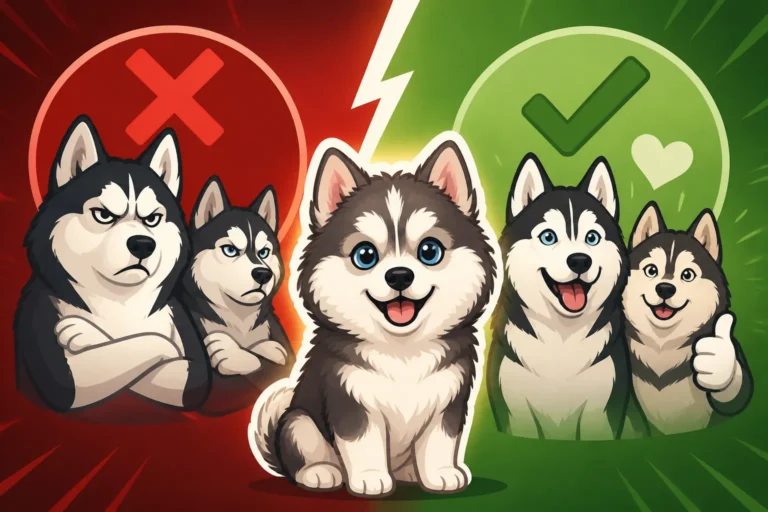
For many, the allure of the Pomsky was simple: a Siberian Husky, but small. People imagined a dog with the iconic Husky mask, striking blue eyes, and a thick double coat, but scaled down to a lap-dog size. This was the vision that drove prices sky-high and created extensive waitlists. However, genetics are rarely so obliging. The first true litter, documented around The 2012 Litter That Made the Pomsky Real, showed that while some puppies might indeed inherit a stunning miniature Husky appearance, others leaned heavily towards the Pomeranian side, or presented a blend that was distinct from the popularized image. The dream of a uniformly "miniature Husky" quickly gave way to the reality of genetic variability, leading to some disappointment among those who had a very specific image in mind.
It’s crucial to understand that crossbreeds, especially first-generation (F1) crosses, exhibit a wide range of traits inherited from both parents. There's no guarantee that a Pomsky puppy will inherit the exact eye color, coat markings, or even ear set that a prospective owner might desire based on a handful of internet photos. This variability often led to a mismatch between expectation and reality for buyers, who, having paid a premium for a "miniature Husky," sometimes received a dog that looked more like a medium-sized Pomeranian or an interesting, but unexpected, blend. This isn't to say these dogs weren't beautiful or wonderful companions, but they weren't the exact image that fueled the initial desire.
Unpredictable Traits: Size, Coat, and Temperament Surprises
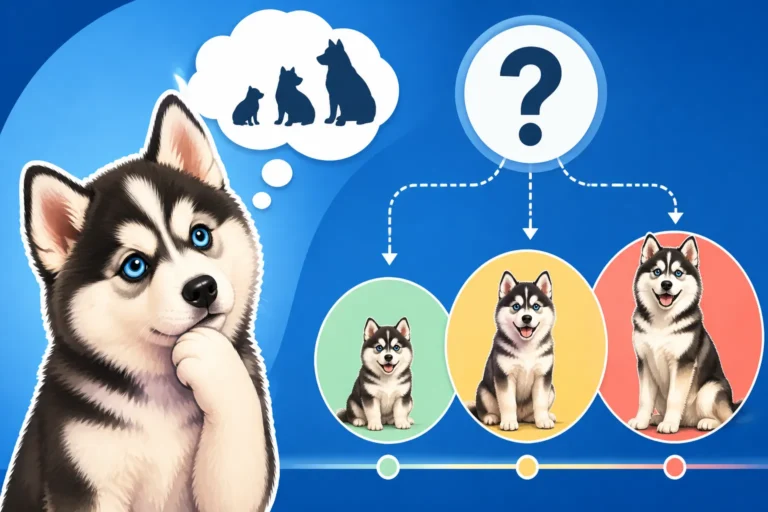
Beyond looks, the unpredictability extended to physical size, coat type, and most significantly, temperament. While the internet showcased sleek, athletic-looking miniature Huskies, many Pomskies actually developed a "wooly" coat that was dense and prone to matting, or a much shorter, spikier coat. The expectation of What a Pomsky Actually Weighs was also often skewed; while some indeed stay small, many grow to be much larger than anticipated, reaching 25-35 pounds or more, which can be a shock for someone expecting a 10-pound lap dog. These variations aren't necessarily "bad," but they certainly strayed from the narrow ideal presented in early viral content.
| Feature | Initial Expectation (Viral Image) | Common Reality (Genetic Variance) | Impact on Owners/Breeders |
|---|---|---|---|
| Appearance | Miniature Siberian Husky, striking mask | Wide range: more Pomeranian, or unique blend | Disappointment for those seeking a specific look |
| Size | Tiny, under 15 lbs | 15-35 lbs, sometimes larger | Surprise, especially for apartment dwellers expecting small |
| Coat Type | Sleek Husky double coat | Wooly, standard, or short; varying density | Unexpected grooming needs, shedding levels |
| Eye Color | Guaranteed blue | Brown, parti-colored, or blue (less common) | Specific aesthetic not always achieved |
| Temperament | Calm, adaptable, easy to train | High energy, stubborn, vocal | Unprepared owners facing behavioral challenges |
| Vocalization | Quiet or occasional yip | Loud, talkative, prone to howling | Noise complaints, challenging for shared living |
| Activity Level | Moderate walks, indoor play | Requires significant exercise, mental stimulation | Leads to behavioral issues if unmet |
Even more impactful were the temperament surprises. The Siberian Husky parent is known for its high energy, strong prey drive, and vocal nature (The Husky Howl in a Pomsky), while Pomeranians can be spirited, independent, and also quite vocal. Combining these traits doesn't always result in a calm, biddable companion. Many Pomskies inherited a significant prey drive, making them less suitable for homes with smaller pets, and a remarkable Houdini-like ability, living up to the moniker of The Pomsky Escape Artist in a Twenty Pound Body. This combination of unexpected size, coat type, and temperament often left both owners and even some breeders grappling with a dog that was far more demanding than the initial "miniature husky" image suggested.
Breeder Challenges and Ethical Considerations
The rapid rise of the Pomsky also brought a unique set of challenges and ethical considerations for breeders. Unlike established breeds with centuries of documented lineage and health clearances, the Pomsky was essentially created from scratch, largely in response to a viral trend. This meant breeders had to navigate the complexities of crossing two vastly different breeds, often without standardized health protocols or clear guidelines, all while managing intense public demand and high price points.
The Complexities of Artificial Insemination and Breeding Costs
One of the most fundamental challenges in Pomsky breeding stems from the sheer size difference between the parent breeds. A male Pomeranian cannot naturally breed with a female Siberian Husky without significant risk of injury to both dogs, and a female Pomeranian is far too small to safely carry Husky-sized puppies. This means that Why a Pomsky Can Only Be Made One Way – through artificial insemination, almost always with a male Pomeranian and a female Husky. This method is not only expensive but also requires veterinary expertise and careful timing.
The costs associated with ethical Pomsky breeding are substantial. They include extensive health testing of both parent dogs for conditions prevalent in their respective breeds, like Hip Dysplasia in a Twenty Pound Pomsky or Slipping Kneecaps in a Pomsky, genetic screening, stud fees, veterinary consultations for timing the insemination, the insemination procedure itself, and potential C-sections if complications arise. These expenditures are often much higher than those for naturally bred litters, contributing to the high purchase price of Pomsky puppies. Some breeders might feel regret if these significant investments don't yield the desired results, such as smaller-than-expected litter sizes or puppies that don't meet buyer expectations, making the financial return less predictable than they hoped.
Managing Genetic Diversity and Health Concerns
The relatively recent origin of the Pomsky means there isn't a vast genetic pool to draw from, nor are there long-established health databases specific to the crossbreed. Responsible breeders strive to manage genetic diversity and screen for potential health issues inherited from both parent breeds. This means carefully selecting parent dogs free from hereditary conditions like The Eyes a Pomsky Gets From the Husky or The Collapsing Trachea a Pomsky Gets From the Pomeranian, which is a significant undertaking. There’s a constant learning curve as the breed develops, trying to understand which traits and predispositions manifest most strongly in the offspring.
For breeders committed to ethical practices, the pressure to produce healthy, well-socialized puppies that meet public demand while maintaining genetic integrity can be immense. They might face regret or frustration when unforeseen health issues arise in their lines, or when puppies they've carefully bred end up in unsuitable homes because owners weren't prepared for the realities of the breed. The journey of defining a new crossbreed, especially one so popular, is fraught with challenges that traditional breeders of established breeds often don't encounter to the same degree, leading to moments of doubt about the path chosen.
Owner Perspectives: The Joys and the Unexpected Demands
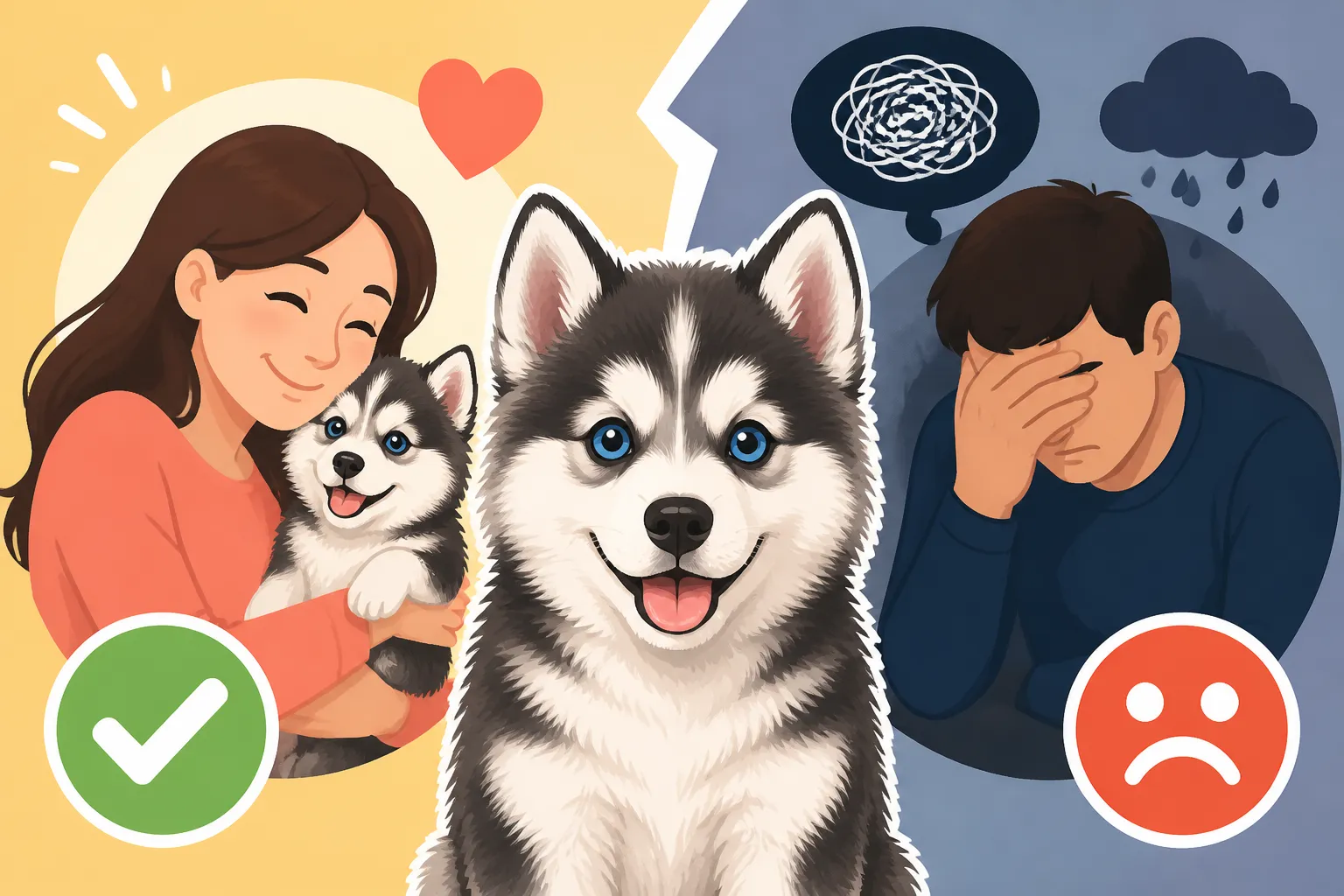
Many individuals eagerly adopted Pomskies, drawn in by their undeniable cuteness and the promise of a unique companion. For countless owners, their Pomsky is a cherished family member, bringing immense joy and laughter. However, for others, the reality of living with a Pomsky has presented unexpected challenges, leading some to question their initial decision. The disparity between the idealized image and the day-to-day demands of the breed can be a significant source of owner regret.
The High Energy and Training Needs
One of the biggest surprises for new Pomsky owners is often their energy level. While the "miniature" aspect might suggest a lower-energy dog, many Pomskies inherit a substantial drive from their Husky lineage. These aren't dogs content with a short stroll around the block; they often require significant daily exercise, often two long walks or vigorous play sessions. If their energy isn't channeled appropriately, it can lead to destructive behaviors like chewing furniture, incessant barking, or digging up the yard. This can be particularly challenging for owners living in apartments or without easy access to secure outdoor spaces.
Furthermore, Pomskies often inherit the intelligence and independent streak of both Huskies and Pomeranians, making them incredibly clever but also famously stubborn. Training a Pomsky can be a rewarding but demanding endeavor. They might learn quickly but choose whether or not to obey, especially if there's a more interesting squirrel to chase. Whether a Pomsky Is Stubborn or Independent is a common question, and the answer is usually a bit of both! Owners sometimes regret not fully understanding the commitment required for consistent, positive reinforcement training, and the potential for a dog that will push boundaries. Finding durable toys and high-value treats (available on platforms like Chewy) becomes essential for keeping these smart pups engaged and motivated during training sessions.
Grooming Realities and Shedding Surprises
The Pomsky's beautiful double coat is another area where expectations often clash with reality. Many owners are enchanted by the fluffy appearance but unprepared for the rigorous grooming demands. Pomskies shed, and they shed a lot. They typically "blow their coat" twice a year, a process where they shed their entire undercoat in clumps, lasting several weeks. Whether a Pomsky Blows Its Coat Twice a Year is a resounding yes, and during these periods, owners can find themselves overwhelmed by the sheer volume of fur.
Daily brushing, especially with an undercoat rake, becomes essential to prevent mats and reduce household hair. Without proper grooming, the coat can become tangled, uncomfortable for the dog, and lead to skin issues. Owners who envisioned a low-maintenance coat might experience regret when faced with the constant battle against fur and the potential for expensive professional grooming bills – indeed, The Grooming Bill on a Double Coated Pomsky can be significant. Many quickly invest in powerful force dryers and quality grooming tools (which you can often find at retailers like Chewy) to manage the shedding at home, realizing it's a necessary part of Pomsky ownership.
Socialization and Behavioral Quirks
The Pomsky's personality, a mix of its two parent breeds, can also be a source of unexpected behavioral quirks. While many are affectionate and playful, some can be wary of strangers, especially if not well-socialized from a young age. Their vocal nature means they might "talk" (howl, whine, grumble) rather than bark, but this doesn't necessarily mean they're quieter. In fact, their varied vocalizations can be quite loud and expressive, something neighbors might not always appreciate in an apartment setting.
Furthermore, their strong prey drive, inherited from the Husky, means that living with small pets like cats, rabbits, or guinea pigs might be challenging or even unsafe. Even if raised with them, vigilance is often required. Owners might experience regret if they brought a Pomsky into a multi-pet household without fully understanding this inherent instinct. Building a strong bond through consistent training, providing ample mental stimulation, and ensuring proper socialization from puppyhood are crucial to raising a well-adjusted Pomsky, but these are commitments that sometimes catch new owners off guard.
The Path Forward: Commitment, Education, and Responsible Ownership
Despite the initial hype and the challenges that came with it, the Pomsky has found its place in many loving homes. The key to preventing regret, both for owners and for the broader community of Pomsky enthusiasts, lies in education, realistic expectations, and unwavering commitment. Moving forward, the focus shifts from the idealized image to celebrating the individual dog and understanding its unique needs.
Adapting to the Dog You Have, Not the Dog You Imagined
For those who already own a Pomsky, the most crucial step is to embrace the dog they have, rather than mourning the "miniature Husky" they might have imagined. This means understanding their actual size, energy levels, grooming requirements, and specific personality quirks. If your Pomsky is 30 pounds instead of 15, adapt your living situation and exercise routine accordingly. If they are a vocal "talker," work on management techniques and reinforce quiet behaviors. Investing in professional training can be incredibly beneficial for channeling their intelligence and addressing any behavioral challenges, helping to bridge the gap between expectation and reality.
A realistic approach also extends to their lifespan. While these are relatively new crosses, understanding The Twelve to Fifteen Years a Pomsky Lives helps owners plan for long-term care, including potential senior-specific health concerns. Accepting that your Pomsky is an individual with its own unique blend of traits is the cornerstone of a happy and fulfilling relationship. It means providing them with the mental stimulation of puzzle toys and enrichment activities (again, retailers like Chewy offer a wide variety), the physical exercise they crave (The Exercise a Pomsky Needs Every Day), and the consistent training that helps them become well-behaved members of the family.
The Enduring Love for the Pomsky
Despite the early missteps and the moments of frustration, the Pomsky continues to capture hearts. Many owners deeply adore their Pomskies, celebrating their playful nature, intelligence, and unique beauty. The initial regrets experienced by some have often transformed into a deeper understanding and appreciation for the breed's complexities. Responsible breeders continue to refine their practices, focusing on health testing, temperament, and educating prospective owners about what to truly expect. This commitment to transparency helps set realistic expectations from the outset, leading to better matches between puppies and families.
The story of the Pomsky is a powerful reminder that while viral trends can create instant demand, the reality of living with a living, breathing animal is far more nuanced. It emphasizes the importance of thorough research, choosing a reputable breeder who prioritizes health and temperament over trends, and being prepared for the full commitment of dog ownership. While the initial vision of a perfectly predictable miniature Husky might have been a fantasy, the real Pomsky – with all its quirks, energy, and unique charm – is a wonderful companion for those who are truly ready for it. The moments of regret serve as valuable lessons, guiding the breed towards a more stable and responsible future where the love for these dogs far outweighs any initial disappointment.
Disclaimer
This article is for general informational purposes only and does not constitute professional advice. Laws, prices and regulations vary by location and change over time. Consult a qualified professional for guidance on your specific situation.