Why a Pomsky Can Only Be Made One Way
It’s a common dream for many aspiring Pomsky parents: picturing their two favorite breeds, the majestic Siberian Husky and the fluffy Pomeranian, simply getting together to create the perfect miniature Husky-like companion. But the reality of how a Pomsky comes into existence is far more complex and medically involved than just letting nature take its course. This guide will take a deep dive into the biological and practical reasons why a Pomsky can only be made through very specific, intentional breeding practices.
The Biological Imperative: Why Size Matters Immensely
The most fundamental reason why Pomskies are bred in a highly controlled manner comes down to the sheer size difference between the two parent breeds. This isn't just a matter of inconvenience; it's a critical safety issue that dictates the entire breeding process. Ignoring these biological realities would put the lives of both the dam and her potential puppies at extreme risk.
The Vast Size Discrepancy Between Parent Breeds
Imagine trying to breed a Great Dane with a Chihuahua naturally. It sounds almost comical, but the underlying danger is very real. The Pomeranian, a toy breed, typically weighs between 3 to 7 pounds, while the Siberian Husky is a medium-to-large breed, often tipping the scales at 35 to 60 pounds, sometimes even more. This isn't a small difference; it's a chasm. The anatomical structures of a Pomeranian female are simply not designed to carry or deliver puppies sired by a much larger male, even if those puppies are expected to be smaller than a purebred Husky.
Consider the physical scale alone. The bones of a Pomeranian are fine and delicate, their internal organs are proportioned for their small frame, and their birth canal is narrow. Introducing genetics from a breed five to ten times their size dramatically increases the size of the fetuses they would carry. This mismatch is the primary barrier to any natural conception or birth process, making it not only highly improbable but dangerously irresponsible to attempt. It's a fundamental biological truth that dictates every step of the Pomsky breeding journey.
Understanding the Risks of Natural Mating
If, by some miracle, a natural mating were to occur between a male Husky and a female Pomeranian (which is physically near impossible due to the size and weight difference, let alone the psychological and behavioral aspects), the consequences would be dire for the Pomeranian female. Carrying puppies from a Husky father would result in fetuses far too large for her tiny uterus and birth canal. The risk of dystocia, or difficult birth, would be astronomically high, almost certainly leading to severe complications, injury, or even death for the mother.
Beyond the physical trauma of an impossible birth, there are risks during pregnancy itself. The strain on her small body to nourish and carry larger-than-average puppies could lead to metabolic issues, nutrient deficiencies, and immense physical discomfort. This is why responsible breeders would never even consider such a pairing. The welfare of the dogs involved is paramount, and attempting a natural cross between such disparate sizes is a clear sign of an unethical and dangerous breeding practice. This profound understanding is why you hear so often that Why a Pomsky Cannot Be Bred Naturally.
The Importance of the Husky as the Dam
Given the inherent risks, the only responsible and ethical way to breed a Pomsky is to use a female Siberian Husky as the dam (mother) and a male Pomeranian as the sire (father). This crucial choice mitigates the primary size-related health risks. The Husky, with her larger size and more robust physique, is physically capable of carrying and delivering puppies that are a mix of her own genetics and those of a smaller Pomeranian. Her reproductive system is designed for larger litters and for carrying puppies of a moderate size.
Even with a Husky dam, the puppies will still be smaller than purebred Huskies, which makes the birth process generally safer for her. This specific pairing is non-negotiable for the health and safety of the mother and the viability of the litter. It’s why any reputable Pomsky breeder will always confirm that their puppies are born to a Husky mother. Understanding this foundational principle is key to appreciating Why a Pomsky's Dam Must Be the Husky and the dedication involved in ethical Pomsky breeding.
The Mechanics of Artificial Insemination (AI)
Once the biological imperative of using a Husky dam is understood, the next hurdle is the actual act of conception. Due to the significant size disparity even in the correct pairing (male Pomeranian and female Husky), natural breeding is often impractical or still carries unnecessary risks. This is where modern veterinary science and artificial insemination come into play.
Why Natural Mating is (Almost) Impossible
Even with the larger female Husky, the physical act of a natural mating with a small male Pomeranian is incredibly challenging, if not entirely impossible, in a controlled, safe environment. The male Pomeranian is simply too small to physically reach and successfully mate with a female Husky without significant manipulation and discomfort for both dogs. This isn't just about height; it's about alignment, weight distribution, and the natural instincts that guide breeding behavior. Forcing such a mismatch would be stressful and potentially harmful to both animals, especially the delicate Pomeranian male.
Furthermore, relying on natural instinct in such an unnatural pairing can lead to frustration and potential aggression. Breeders want the experience to be as stress-free and humane as possible. This practical difficulty is a major driver for the universal adoption of artificial insemination methods, ensuring that the process is efficient, safe, and controlled. It removes the physical impossibility and replaces it with a scientifically guided approach.
The Different Methods of Artificial Insemination
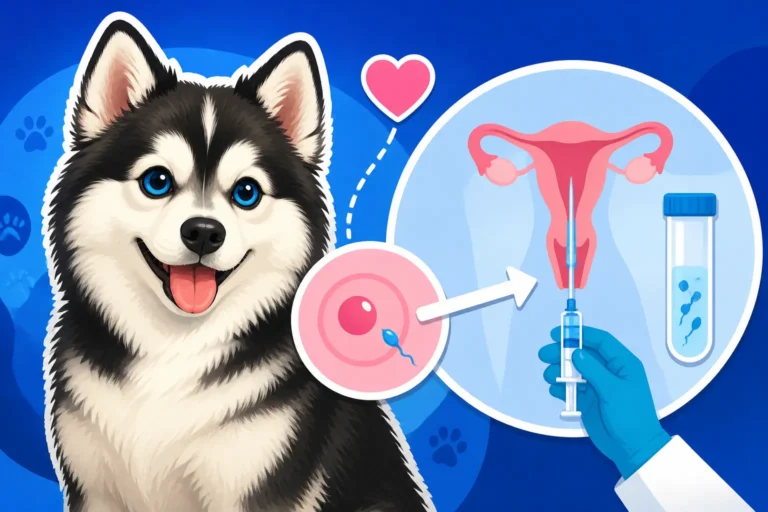
Artificial insemination (AI) for Pomskies typically involves collecting semen from the male Pomeranian and then carefully introducing it into the reproductive tract of the female Husky. There are a few different techniques, each chosen based on the individual dogs, the breeder's preference, and the veterinarian's expertise.
One common method is vaginal insemination, which is less invasive. This involves placing the semen directly into the vagina using a pipette. For Pomsky breeding, however, given the value of each breeding and the desire for higher success rates, breeders often opt for more advanced techniques. Transcervical insemination (TCI) involves passing a scope or catheter directly through the cervix into the uterus, allowing for precise placement of the semen, bypassing the vaginal tract. This greatly increases the chances of conception. In some cases, particularly with frozen semen or if previous attempts have been unsuccessful, surgical insemination might be employed, where the semen is surgically implanted directly into the uterus. This is the most invasive but also often the most effective method, highlighting the lengths breeders go to for this specific cross. It's a significant investment, both in terms of time and cost. You can learn more about these specialized procedures in articles like Whether Surgical Insemination Is Used in Pomsky Breeding.
Timing is Everything: Precision Breeding
Successful artificial insemination isn't just about the method; it's heavily reliant on impeccable timing. Dogs are only fertile for a very narrow window during their heat cycle. To pinpoint this optimal window, breeders work closely with veterinarians to perform progesterone testing. This involves regular blood tests for the female Husky to monitor her hormone levels, which indicate when she is ovulating and most receptive to conception. These tests are critical, as a missed window means waiting another six months or more for her next heat cycle.
The precise timing ensures that the insemination occurs when the eggs are viable and ready for fertilization, maximizing the chances of a successful pregnancy. This meticulous approach, requiring multiple vet visits and careful monitoring, adds to the complexity and expense of Pomsky breeding. It's a scientific endeavor, not a casual affair, and is a testament to the dedication required from responsible breeders to bring healthy Pomsky puppies into the world.
Beyond Conception: Ensuring a Safe Pregnancy
Successfully achieving conception through artificial insemination is just the first major step. The journey of breeding a Pomsky continues with the critical phase of pregnancy and birth, which still requires significant veterinary oversight and preparedness, even with a Husky dam.
Gestation Challenges for the Husky Dam
Even though the Siberian Husky is the appropriate dam for a Pomsky litter, her pregnancy is still carefully managed. While the puppies will likely be smaller than purebred Huskies, they are still a genetic mix that can present unique challenges. The breeder must monitor the dam's health closely, ensuring she receives proper nutrition to support the developing fetuses. High-quality dog food, perhaps specialized prenatal formulas found at pet supply retailers like Chewy, are often recommended to ensure she gets all the necessary nutrients.
Regular veterinary check-ups are essential throughout the gestation period. These visits allow the vet to monitor the puppies' development, check the dam's overall health, and anticipate any potential complications. Sometimes, despite all precautions, issues can arise, making careful observation and immediate veterinary access paramount. The goal is always to ensure the health and well-being of the mother, which directly impacts the health of the puppies.
Monitoring the Pregnancy: Veterinary Involvement
The involvement of a veterinarian doesn't stop after insemination. Throughout the approximately 63-day gestation period, the dam will undergo further examinations, which may include ultrasounds and X-rays. Ultrasounds are great for confirming pregnancy early on and checking the viability of the fetuses, ensuring heartbeats are strong. As the pregnancy progresses, typically closer to term, X-rays become invaluable.
An X-ray allows the veterinarian to count the number of puppies, assess their size, and determine their position within the birth canal. This information is absolutely crucial for planning the birth. If the puppies appear to be unusually large for the dam, or if there's an indication of a difficult presentation (like a breech birth), the vet can then advise the breeder on the best course of action, which often leads to a planned Cesarean section. This level of monitoring is a significant part of What a Pomsky Breeder Spends Before a Litter Exists.
The Role of Cesarean Sections in Pomsky Births
Due to the planned nature of Pomsky breeding and the slight uncertainty that comes with mixed-breed puppy sizes, Cesarean sections (C-sections) are relatively common and often a proactive decision in Pomsky whelpings. Even with a Husky dam, the genetic blend can sometimes lead to puppies that are larger than her average purebred Husky offspring, or simply a variation in size within the litter that could complicate natural delivery.
A planned C-section removes much of the risk associated with a natural birth that might encounter unforeseen difficulties. It allows a veterinary team to safely deliver the puppies, reducing stress and potential harm to both the mother and the newborns. While it's a more invasive and expensive procedure than a natural birth, the safety it provides often outweighs the downsides for responsible breeders. The costs associated with such a procedure are significant, and it’s a factor that contributes to the overall price of a Pomsky puppy, as outlined in discussions about What a Cesarean Costs a Pomsky Breeder. This careful planning is a hallmark of truly responsible Pomsky breeding.
The Cost and Commitment of Responsible Breeding
The intricate, vet-supervised process of breeding a Pomsky isn't just about biological necessity; it also demands a substantial financial investment and an unwavering commitment from breeders. This is a far cry from casual backyard breeding and is a major reason why Pomsky puppies typically come with a higher price tag.
Financial Investments in AI and Veterinary Care
Let's break down the financial reality. A responsible Pomsky breeder starts with healthy, genetically tested parent dogs. This alone is a significant investment. Then comes the entire artificial insemination process, which isn't a one-time fee. It involves:
- Progesterone Testing: Multiple blood tests to pinpoint the exact ovulation window. Each test has a cost.
- Semen Collection and Evaluation: Fees for collecting semen from the male Pomeranian and ensuring its quality.
- Insemination Procedure: Whether it's vaginal, transcervical, or surgical, each method has its own associated veterinary charges, with surgical being the most expensive due to anesthesia and operative time.
- Pregnancy Monitoring: Ultrasounds, X-rays, and regular check-ups throughout gestation.
These costs quickly add up, often running into the thousands of dollars before a single puppy is even born. This is why when you see discussions about What Artificial Insemination Costs a Pomsky Breeder, it's not just a small line item – it's a significant portion of the total investment. This commitment to professional veterinary care is non-negotiable for ethical breeding.
Time and Effort: The Breeder's Dedication
Beyond the financial outlay, the time and effort invested by a dedicated Pomsky breeder are immense. This isn't a 9-to-5 job; it's a 24/7 commitment, especially during the crucial stages. From tracking the female's heat cycle and scheduling vet appointments around it, to monitoring her during pregnancy, assisting with the birth (whether natural or C-section recovery), and then caring for a litter of newborns, it's a constant vigil.
Puppy care alone is incredibly demanding, involving round-the-clock feedings for very young puppies, maintaining a sterile environment, early socialization, and ensuring each puppy is healthy and thriving. This level of dedication impacts the breeder's personal life significantly, as they often forgo sleep and other commitments to ensure the well-being of their dogs. It’s a labor of love that goes far beyond simply "making puppies." This deep involvement highlights why breeders often view their dogs and puppies as part of their extended family.
Ethical Considerations in Pomsky Breeding
The intensive nature of Pomsky breeding also brings with it significant ethical considerations. Responsible breeders prioritize the health and temperament of their breeding dogs above all else. This means conducting thorough health screenings on both the Husky dam and the Pomeranian sire for common genetic conditions known to affect either parent breed. These might include screening for Slipping Kneecaps in a Pomsky (from the Pomeranian side), The Collapsing Trachea a Pomsky Gets From the Pomeranian, or The Eyes a Pomsky Gets From the Husky and Hip Dysplasia in a Twenty Pound Pomsky (from the Husky side).
Ethical breeders do not breed dogs with known health issues or poor temperaments, as these traits can be passed down to the puppies. They also ensure their breeding dogs are of appropriate age and condition for breeding, providing them with excellent care throughout their lives. This focus on responsible genetics and welfare aims to produce healthy, well-adjusted puppies and avoid perpetuating hereditary diseases. Choosing a reputable breeder who openly shares health testing results and details their breeding practices is crucial for anyone considering a Pomsky.
Understanding Pomsky Generations and Predictability
The controlled nature of Pomsky breeding, dictated by size and biology, also has a profound impact on the resulting puppies, particularly concerning their appearance, size, and temperament. This variability is highest in the first generation and often prompts breeders to aim for subsequent generations for more predictable outcomes.
F1 Pomskies: The First Generation's Variability
An F1 Pomsky is a first-generation cross, meaning it's a direct offspring of a purebred Siberian Husky mother and a purebred Pomeranian father. While these are "true" Pomskies, they are also the most variable in terms of their physical characteristics and temperament. Think of it like a genetic lottery: each puppy in an F1 litter could inherit a different mix of traits from its parents.
You might have one F1 puppy that looks predominantly like a miniature Husky, complete with striking blue eyes and a dense coat, while its littermate could lean more towards the Pomeranian side, with a fluffier coat, smaller size, and prick ears. Their adult size can also vary significantly, ranging anywhere from 10 to 35 pounds or more. This unpredictability is a defining characteristic of F1 Pomskies. It's why if you're looking for a very specific look or size, an F1 might not always deliver exactly what you envision, leading to common discussions such as Why an F1 Pomsky Varies So Much.
The Evolution to F2 and Multigen Pomskies
To achieve more consistency and predictability, many dedicated Pomsky breeders aim to produce F2 (second generation) and even multigen (multiple generations) Pomskies. An F2 Pomsky is the result of breeding two F1 Pomskies together. By doing this, breeders hope to "stabilize" certain desired traits, as both parents carry the Pomsky genetic makeup. While F2s can still show variability, the range of outcomes is often narrower than in an F1 litter.
Multigenerational Pomskies are the result of breeding F2s or later generations to other Pomskies, or sometimes back to an F1 to introduce more "Husky" or "Pomeranian" traits if needed. The goal here is to create a more consistent "type" of Pomsky, where puppies within a litter and across different litters are more likely to conform to a specific look, size, and temperament. This is a slow, careful process, akin to developing a new breed, and it requires a deep understanding of genetics and careful selection of breeding pairs. This quest for consistency is a key reason Why Pomsky Breeders Prefer F2 and Beyond.
Why Early Generations Show More Diversity
The high diversity in early Pomsky generations, especially F1s, is a direct result of the wide genetic pool from the two distinct parent breeds. A purebred Husky has two sets of Husky genes, and a purebred Pomeranian has two sets of Pomeranian genes. When these two are crossed, the F1 puppies receive one set from each. The way these dominant and recessive genes express themselves can be highly varied.
For example, coat type can range from a very Husky-like double coat to a denser, more stand-off Pomeranian coat, or anything in between. Eye color, ear set, facial markings, and even leg length can differ greatly even within the same litter. This genetic lottery means that while F1 Pomskies are indeed Pomskies, they represent a broad spectrum of what the "breed" can look like. As generations progress, and Pomsky is bred to Pomsky, breeders can selectively choose dogs that exhibit the most desirable and consistent traits, slowly working towards a more uniform appearance and temperament. It's why discussions about Whether an F1 Pomsky Is Healthier Than an F2 often revolve around predictability rather than inherent health differences.
The Impact on the Pomsky Breed Standard and Health
The highly controlled breeding methods employed for Pomskies are not just about safety and predictability; they also shape the developing "breed standard" and underscore the critical importance of health screening and ethical practices.
The Quest for Consistency in a Hybrid Breed
Unlike established purebred dogs with centuries of documented breeding and recognized standards, the Pomsky is a relatively new hybrid. The intense management of their creation, from AI to C-sections, is part of a broader effort by dedicated breeders to establish consistency in what is otherwise a genetic blend. Breeders are working to define what a "typical" Pomsky should look like, how it should behave, and what its ideal size range is. This means carefully selecting breeding stock that exemplifies desirable traits, even within the variability of early generations.
This ongoing quest for consistency is essential for the future recognition and acceptance of the Pomsky as a distinct breed. Without these controlled breeding methods, the offspring would be far too varied to ever establish a predictable type. It's a testament to the dedication of those passionate about the Pomsky that they put in the work, year after year, to refine these traits.
Health Screening and Responsible Breeding Practices
The rigorous breeding process extends to ensuring the health of the resulting puppies. Reputable breeders are committed to health screening their parent dogs for genetic conditions common to both Huskies and Pomeranians. This proactive approach helps to minimize the incidence of inherited diseases in Pomsky puppies. Comprehensive health panels are often conducted, looking for predispositions to conditions that can be found in either parent breed.
These health tests are crucial because, as a hybrid, a Pomsky could potentially inherit health issues from either parent breed. For instance, they might be prone to The Two Opposite Disease Lists a Pomsky Inherits, meaning they could face patellar luxation from the Pomeranian side or certain eye conditions from the Husky side. A responsible breeder will provide documentation of these health clearances for their breeding dogs, offering transparency and peace of mind to prospective puppy owners. You can often find information about these tests on a breeder's website or by asking for specific documentation.
The Role of Organizations like the International Pomsky Association
Given that the Pomsky is not recognized by major kennel clubs like the AKC, organizations such as the International Pomsky Association (IPA) have emerged to provide guidance and structure for the breed. These associations play a vital role in promoting responsible breeding practices, often establishing a registry for Pomskies and setting breed standards, even if unofficial. They encourage health testing, ethical breeding methods like AI and responsible dam selection, and provide resources for breeders and owners.
These organizations are crucial because they offer a framework for maintaining health, temperament, and consistency within the Pomsky population. By adhering to their guidelines, breeders contribute to the overall welfare and positive development of the breed. This self-regulation within the Pomsky community is an important aspect of how the breed is managed and how its future is being shaped, demonstrating the ongoing commitment behind its unique creation. You can learn more about what these organizations do by researching What the International Pomsky Association Does.
Why This Method Matters for Future Pomsky Owners
Understanding the precise and labor-intensive method of Pomsky breeding is not just for breeders; it's vital information for any prospective Pomsky owner. It impacts everything from cost to finding a reputable breeder, and ultimately, the health and well-being of your future furry family member.
The True Cost Reflected in Responsible Breeding
When you see the price tag on a Pomsky puppy, it's easy to balk without understanding the intricate process behind it. However, the costs associated with responsible Pomsky breeding are substantial. They include not only the initial purchase of high-quality, health-tested breeding stock but also ongoing veterinary expenses for artificial insemination, progesterone testing, ultrasounds, X-rays, and often, planned Cesarean sections. These are not cheap procedures.
Furthermore, consider the time commitment, the specialized care for the pregnant dam and newborn puppies, and the extensive health testing to ensure genetic soundness. All these factors contribute directly to the final price of a puppy. A cheaper Pomsky often signals that corners have been cut in the breeding process, potentially compromising the health and welfare of the dogs involved. Investing in a puppy from a reputable breeder, though seemingly more expensive upfront, often saves significant heartache and veterinary bills down the line. It's about paying for peace of mind and ethical practices. When considering The Fifteen Hundred to Five Thousand a Pomsky Costs, it's clear that this reflects a significant investment in the process.
Identifying a Reputable Pomsky Breeder
Armed with the knowledge of how Pomskies must be bred, you are better equipped to identify a reputable breeder. A responsible breeder will be transparent about their breeding practices, openly discussing their use of artificial insemination and confirming that their dams are always Siberian Huskies. They will readily share health clearances for both parent dogs, explaining the specific tests they've conducted for conditions like hip dysplasia, patellar luxation, and eye diseases. They won't shy away from questions about their breeding philosophy or the care they provide their dogs.
They will also be knowledgeable about Pomsky genetics, able to explain the differences between F1, F2, and multigen puppies, and set realistic expectations about adult size, appearance, and temperament. They won't make outlandish claims about "toy" or "micro" Pomskies if those don't align with responsible breeding practices for health. A good breeder will prioritize matching puppies with appropriate homes, not just making a sale. You'll likely find their puppies are fed high-quality food, perhaps a specific brand readily available at Chewy, and they’ll have well-socialized, healthy puppies.
Setting Realistic Expectations for Your Pomsky
Understanding the unique origins of the Pomsky also helps in setting realistic expectations for your own dog. Because of the genetic variability, especially in F1s, your Pomsky might not be an exact miniature replica of a Husky. They might inherit a mix of traits, leading to a truly unique individual. Their exercise needs, grooming requirements (which often involve managing a dense double coat, much like a Husky), and temperament can vary.
Being prepared for the possibility of a dog that might be larger than anticipated, or one with a coat that leans more Pomeranian, is part of embracing the wonderful individuality of the Pomsky. This knowledge empowers you to appreciate your Pomsky for who they are, rather than holding them to an unrealistic ideal. It also prepares you for the specific care requirements, like ensuring they get enough mental and physical exercise daily, or have access to quality grooming tools that can be easily ordered from retailers like Chewy.
| Aspect | Natural Mating (Pomeranian x Husky) | Artificial Insemination (Pomeranian x Husky) |
|---|---|---|
| Dam (Mother) | Pomeranian (highly dangerous) | Siberian Husky (essential for safety) |
| Sire (Father) | Siberian Husky | Pomeranian |
| Physical Feasibility | Extremely difficult/impossible due to size | Highly feasible with vet assistance |
| Risks to Dam | Catastrophic (dystocia, death) | Minimal (managed by vet care) |
| Veterinary Involvement | None (unethical) | Extensive (progesterone, AI, ultrasounds, X-rays, C-section planning) |
| Cost | Low (unethical, no vet involvement) | High (vet fees, specialized procedures) |
| Ethical Standing | Irresponsible, dangerous | Responsible, welfare-focused |
| Predictability | Hypothetically unknown | Still variable in F1, more consistent in F2+ |
| Common Outcome | Unsuccessful, harmful | Successful, healthy puppies |
Disclaimer
This article is for general informational purposes only and does not constitute professional advice. Laws, prices and regulations vary by location and change over time. Consult a qualified professional for guidance on your specific situation.