Whether Buyers Paid Deposits Before Any Pomsky Existed
Oh, the early days of the Pomsky! It’s a story wrapped in internet lore and a whole lot of excitement, but it also carries a cautionary tale for anyone who ever fell head over heels for a picture online. Many aspiring Pomsky owners found themselves in a unique, almost unprecedented situation: wanting a dog that, for all intents and purposes, didn't quite exist in the form they imagined, and yet, there was a rush to put down deposits. This guide will take you through the whirlwind origin of the Pomsky, exploring how viral images ignited a demand that outpaced reality, and the fascinating, sometimes risky, journey people embarked on to get their hands on these adorable pups, often committing financially before a single true Pomsky was even born or widely available.
The Spark: When the "Pomsky" Concept Went Viral
It all started with a photograph, or rather, a series of photographs that took the internet by storm. Imagine scrolling through your social media feed, seeing an image of what looked like a miniature Siberian Husky, complete with striking blue eyes, a fluffy coat, and that unmistakable wolf-like charm, but sized perfectly for an apartment. It was love at first sight for thousands, if not millions. The problem? Those initial viral images, often mislabeled as "Pomskies," weren't actually Pomskies at all.
The Myth of the Miniature Husky
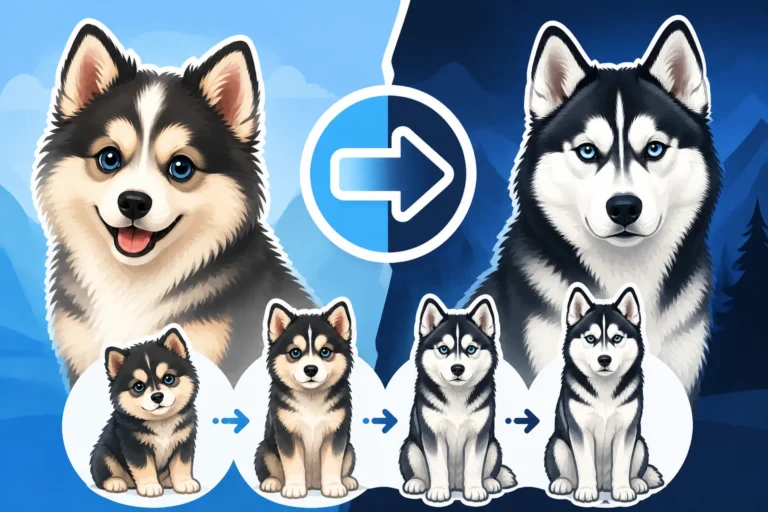
Before the genuine article, before dedicated breeders even attempted the cross, there were pictures of beautiful dogs circulating, often misidentified. Many of these early viral sensations were actually The 2011 Photos That Were Not Pomskies, like Finnish Lapphunds or Alaskan Klee Kais, breeds that certainly resemble smaller Huskies but are distinct in their own right. People saw these images and immediately envisioned a dog that combined the looks of a Husky with the more manageable size of a Pomeranian. It was an irresistible concept. The idea spread like wildfire, creating an insatiable demand for a dog that, at that moment, was more fantasy than reality. The emotional connection to these images was powerful, leading many to dream of owning such a unique canine companion.
The Birth of a New Desire
This viral phenomenon sparked a genuine desire among dog lovers for this specific combination. People weren't just thinking "I want a small dog" or "I want a Husky." They were thinking, "I want that dog from the internet." This intense, almost collective yearning put immense pressure on breeders. They saw the demand and recognized an opportunity, but it wasn't as simple as just putting two dogs together. Creating a Pomsky safely and ethically involved significant challenges, particularly given the vast size difference between the Siberian Husky and the Pomeranian. The sheer volume of inquiries and expressions of interest was unprecedented for a designer crossbreed that hadn't even found its footing yet.
The Leap of Faith: Paying Deposits for a Dream
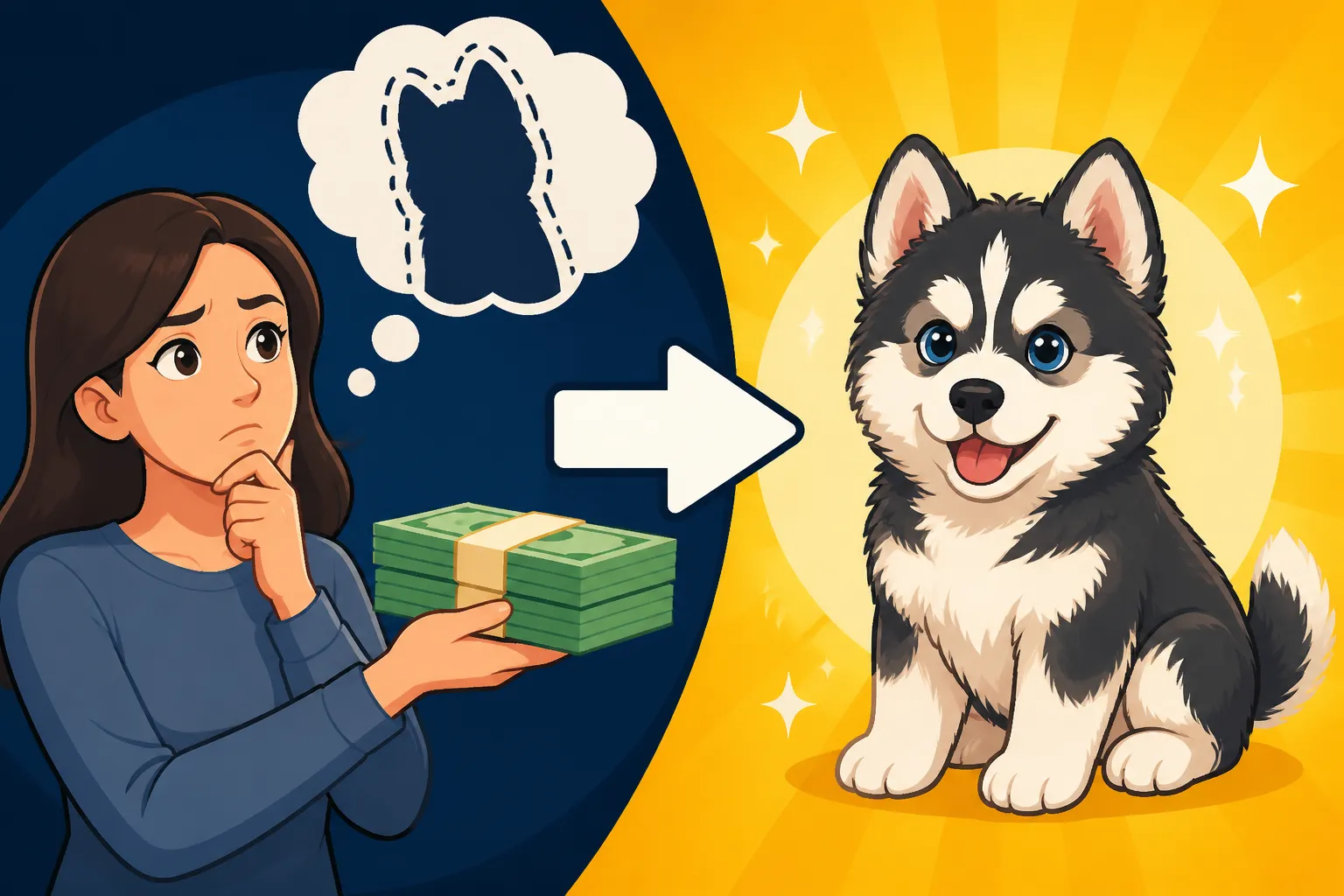
With the internet buzzing and demand soaring, a curious trend emerged: people began to inquire about and, in many cases, place deposits for Pomsky puppies before such litters were even a reliable reality. It was a testament to the power of those initial viral images and the fervent hope that someone, somewhere, could deliver on the promise of a miniature Husky.
The Rush to Secure a "Future" Puppy
It's easy to look back now and think, "Who would put a deposit on a dog that doesn't exist yet?" But for many, the desire was so strong, and the perceived availability so low, that the thought of getting ahead of the curve felt necessary. Reputable breeders and those just starting out recognized this eagerness. They began taking "waitlist" deposits, sometimes even before a specific breeding pair was confirmed, let alone before a pregnancy was established. The goal for buyers was simple: secure a spot. The thinking was, if these dogs were truly going to be rare and in high demand, you needed to get your name on a list as soon as possible. This created a highly competitive environment, where the act of placing a deposit became a symbol of commitment and a hopeful step towards owning one of these elusive pets.
The Uncharted Territory of Early Breeding
The early Pomsky breeders were navigating uncharted waters. The breeding process itself, primarily through artificial insemination, was complex and costly. This wasn't a natural pairing; the size disparity between a female Husky and a male Pomeranian required careful, veterinary-supervised intervention. Why a Pomsky Requires Artificial Insemination details the challenges. The success rate of these early breedings wasn't always guaranteed, and litters were often small. This further fueled the perception of scarcity, making those early deposits feel even more justified to eager buyers. People understood, or were led to understand, that they were investing in a pioneering effort, and that came with its own set of uncertainties. This period was crucial in shaping The 2012 Litter That Made the Pomsky Real and subsequent breeding efforts.
The Financial Commitment Without Tangible Assurance
For those who paid deposits in these nascent stages, it was a significant financial commitment with very little in the way of tangible assurance. They weren't seeing the parents in person, often only getting pictures or videos. They certainly weren't picking out a specific puppy from a litter that hadn't been born. Instead, they were often reserving a "spot" on a future litter, sometimes without even a firm timeline. The contracts, if they existed, were often rudimentary, reflecting the newness of the endeavor. Buyers were essentially trusting breeders to deliver on a promise born from internet hype, placing faith that the breeders could indeed produce the "miniature Husky" they craved. This initial financial outlay, often non-refundable, underscored the emotional investment people had in the Pomsky concept. What a Pomsky Deposit Costs would have been a critical consideration for these early adopters.
The Early Days of Pomsky Breeding: Meeting the Unprecedented Demand
Once the concept of the Pomsky took hold, a unique industry sprang up to meet the unprecedented demand. Early breeders faced the challenge of turning an internet sensation into a real, living companion, a process fraught with both opportunity and ethical considerations.
Ethical Considerations and Breeder Practices
The sudden explosion in demand for Pomskies, fueled by those captivating images, meant that not all breeders entering the scene were doing so with the highest ethical standards. Just like any "designer breed" boom, it attracted both dedicated individuals committed to healthy, well-tempered dogs and those simply looking to capitalize on the hype. For buyers, discerning between the two was incredibly difficult, especially when the breed was so new and unregulated. There was no established breed club, no long-standing health testing protocols universally adhered to, and no standard for what a "true" Pomsky should look or act like. This meant buyers were relying heavily on a breeder's personal integrity and what little information was available. Some breeders were meticulous, performing all recommended health screenings on parent dogs and offering robust health guarantees, while others were less transparent. This period highlighted the importance of asking rigorous questions about parentage, health testing, and puppy raising practices, even if it felt like you were asking about a unicorn. The Health Tests a Pomsky Breeder Should Show became crucial vetting questions.
The Reality of Breeding a Hybrid Dog
Creating a Pomsky isn't just about breeding a Husky and a Pomeranian; it's about careful selection and understanding genetics. Early breeders quickly learned that the offspring of an F1 Pomsky (first generation cross) could be incredibly variable. Some puppies might lean heavily towards the Husky in size and temperament, while others might favor the Pomeranian. This meant that the "miniature Husky" ideal that had driven so much of the initial demand wasn't always a guaranteed outcome. Buyers who placed deposits expecting a specific look or size might be surprised by the actual puppy they received. This unpredictability, while a natural part of hybrid breeding, was a learning curve for both breeders and buyers. It’s why many dedicated breeders now prefer F2 and multi-generational crosses to achieve more consistent traits, as discussed in Why an F1 Pomsky Is Not the One Breeders Want. The reality was often a far cry from the perfectly consistent "miniature husky" image that had gone viral.
The Cost Implications of a New Breed
Breeding Pomskies, especially in the early days, was an expensive undertaking. Beyond the specialized artificial insemination required, there were costs associated with health testing the parent breeds (Siberian Huskies and Pomeranians have their own sets of potential hereditary issues), quality nutrition for the pregnant dam and puppies, and veterinary care for the entire litter. These substantial costs, combined with the often small litter sizes, directly influenced the high price tags on early Pomsky puppies. Buyers weren't just paying for a puppy; they were indirectly contributing to the pioneering efforts, the specialized veterinary procedures, and the inherent risks that came with establishing a new crossbreed. This cost structure was, and largely remains, a fundamental aspect of Pomsky ownership, making it a premium dog from the outset. Understanding The Fifteen Hundred to Five Thousand a Pomsky Costs reveals the complex economics behind these desirable pups.
Navigating the Modern Pomsky Market: Lessons Learned
Today, the Pomsky market is far more established than in its infancy, yet the echoes of those early days — the excitement, the demand, and the lessons learned — continue to shape how breeders operate and how buyers approach the process.
The Evolution of Transparency and Standards
As the Pomsky has gained popularity and more breeders have entered the scene, there's been a gradual push towards greater transparency and the establishment of standards. Organizations like the International Pomsky Association (IPA) have emerged to provide guidance, although they don't hold the same long-standing authority as traditional kennel clubs. These organizations often advocate for health testing, ethical breeding practices, and sometimes even have a registry for Pomskies. While not universally adopted, their existence helps to create a framework that was entirely absent in the early days. Buyers now have more resources to research breeders, understand pedigrees (even if they're still a relatively new concept for this cross), and make more informed decisions. It's still crucial to do your homework, but the landscape is much clearer than when people were essentially pre-ordering a dream. What an IPA Registered Pomsky Guarantees provides more insight into these efforts.
The Importance of Due Diligence for Buyers
The biggest lesson from the early days of Pomsky deposits is the absolute necessity of rigorous due diligence. Never fall solely for an online picture. Always research breeders extensively. Ask for proof of parent health testing (hips, elbows, eyes, patellas), ask to see the parents if possible (or at least recent, clear videos), and inquire about the breeder's philosophy on puppy socialization and temperament testing. Understand the contract thoroughly, especially regarding health guarantees and what happens if the puppy doesn't match the expected adult size or appearance. The internet has made it easier to find information and connect with other Pomsky owners, allowing for peer reviews and shared experiences that simply weren't available to the very first buyers. Websites like Chewy, for example, offer a wealth of information on different dog breeds and what to look for in a responsible breeder, along with essential supplies once you bring your puppy home.
The Continued Role of Deposits in Securing a Puppy
Even with a more mature market, deposits remain a standard practice for securing a Pomsky puppy. Quality breeders often have waitlists, and a deposit signifies your serious intent. However, the nature of these deposits has evolved. Reputable breeders typically require deposits after a breeding has successfully occurred and pregnancy is confirmed, or even after puppies are born and evaluated. They are usually clear about their refund policies, if any, and what the deposit guarantees (e.g., a pick from a specific litter, or a general spot on a future list). The early scenario of paying for a dog that hadn't even been conceived is much less common with established, ethical breeders today. Always ensure you understand Whether a Pomsky Deposit Is Refundable before making any financial commitment. By asking detailed questions and being proactive, today's Pomsky enthusiasts can navigate the market with much more confidence than their predecessors.
| Stage of Pomsky Development | Buyer Scenario in Early Days | Buyer Scenario Today (Reputable Breeders) | Risks Involved in Early Days | Risks Reduced Today |
|---|---|---|---|---|
| Concept/Viral Hype | Saw viral photos, desired a "miniature Husky" instantly. | Researches breed, understands genetic variability. | Unrealistic expectations of size/appearance/temperament. | Better understanding of potential outcomes. |
| Breeding & Litters | Paid deposit before any actual Pomskies existed or were born. | Pays deposit after breeding confirmed/puppies born. | High uncertainty of litter existence or traits. | Greater assurance of puppy availability and traits. |
| Information & Guidance | Relied on limited info, breeder's word, and viral myths. | Accesses breeder websites, associations (IPA), forums, reviews. | Vulnerability to disreputable or inexperienced breeders. | Increased transparency, more informed decision-making. |
| Financial Commitment | Placed non-refundable deposits with vague contracts. | Clearer contracts, defined refund policies, specific puppy choices. | Loss of deposit, disappointment if puppy differs from expectation. | Clearer terms, less financial risk, better outcome matching. |
Disclaimer
This article is for general informational purposes only and does not constitute professional advice. Laws, prices and regulations vary by location and change over time. Consult a qualified professional for guidance on your specific situation.