Whether a Pomsky Can Compete in Any Sport
Many Pomsky owners gaze at their energetic, intelligent companion and wonder if there's more to their dog's potential than just walks and cuddles on the couch. You see the glint of the Husky's athleticism in their eyes and the Pomeranian's quick wit in their playful antics, and it's natural to ask if your Pomsky could excel in structured dog sports. This guide is here to unravel that question, exploring the incredible capabilities of your Pomsky and shedding light on which competitive activities might just be their calling.
Understanding the Pomsky's Athletic Profile
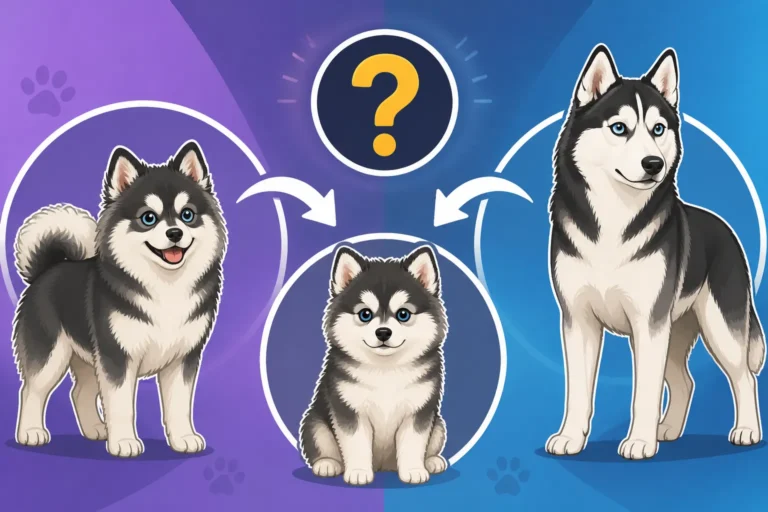
When you bring a Pomsky into your life, you're essentially getting a marvelous blend of two very different, yet equally vibrant, breeds. This genetic tapestry gives them a unique athletic profile that can be both exhilarating and, at times, a bit challenging to work with. Understanding where their traits come from is key to unlocking their sporting potential.
The Husky Influence on Pomsky Drive
Let's be honest, the Siberian Husky is a working dog through and through. They were bred for endurance, for pulling sleds over vast, frozen landscapes, and for a relentless drive to go, go, go. This inherent energy, that almost tireless enthusiasm for movement, often translates directly to your Pomsky. You'll notice it in their boundless zoomies, their desire for long walks, and that deep-seated need to have a "job" to do. Many Pomskies inherit that classic Husky stamina, meaning they can sustain activity for longer periods than many small-to-medium sized dogs. This incredible drive is a huge asset in many dog sports, especially those requiring sustained effort. However, it also means they need a lot of physical and mental stimulation, or you might find yourself with a rather destructive housemate. Remember, The Exercise a Pomsky Needs Every Day is substantial, and sports can be an excellent outlet.
The Pomeranian Influence on Pomsky Agility and Size
On the flip side, we have the Pomeranian. While small, Pomeranians are far from delicate lapdogs. They're agile, surprisingly sturdy, and possess a bold, confident personality. This is where your Pomsky often gets their compact size and quick, nimble movements. A Pomeranian's quickness and ability to change direction on a dime contribute to a Pomsky's surprising athleticism in a smaller package. They might not have the long strides of a Husky, but they can be incredibly fast and agile over shorter distances or through intricate courses. This combination of Husky drive with Pomeranian nimbleness makes for a dog that can surprise you with their speed and precision, especially once they're properly motivated.
Temperamental Traits Affecting Performance
Now, here's where the "unique" part really comes in. Both parent breeds have strong personalities, and your Pomsky will inherit a mix. Huskies are known for their independence and a touch of stubbornness. They're smart, but they often question why they should do something. Pomeranians, too, have a feisty, "big dog in a small body" attitude. This means your Pomsky is likely to be intelligent, but also potentially opinionated. Getting them to focus and consistently perform can be a delightful dance of persuasion, treats, and unwavering patience. It's not uncommon for owners to wonder Whether a Pomsky Is Stubborn or Independent because they often display both! They might understand exactly what you want but decide, in that moment, that something else is far more interesting. This independent streak is a charm of the breed, but it requires a consistent, positive reinforcement training approach to thrive in a competitive setting. You'll need to figure out What a Pomsky Will Work For – often it's high-value treats from a place like Chewy, or a favorite squeaky toy.
Popular Dog Sports and Pomsky Suitability
With their unique blend of traits, Pomskies actually have a wider range of sporting opportunities than many people might initially assume. It's all about finding the right fit for your individual dog's personality and physical capabilities.
Agility: A Natural Fit for Nimble Pomskies?
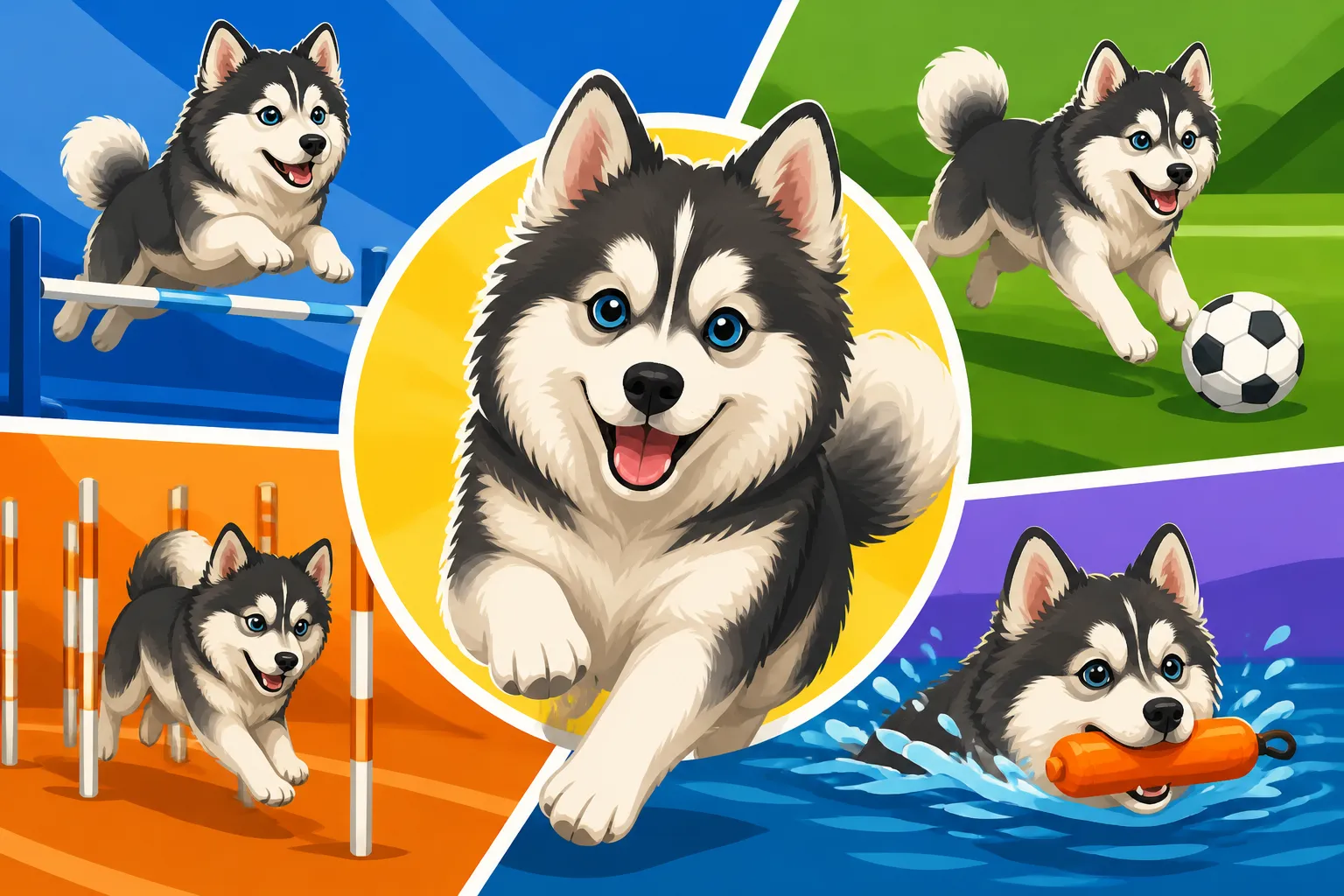
Agility is a fantastic sport where dogs navigate an obstacle course with their handler, completing jumps, tunnels, weave poles, and more, all against the clock. This sport is often a natural fit for many Pomskies. Their inherent speed, quick turns, and the springiness they get from their Pomeranian side make them surprisingly adept at weaving through poles and flying over jumps. You'll find that the mental challenge of learning a course combined with the physical exertion is exactly what many high-energy Pomskies crave. The key here is consistent, positive training to build focus and drive. It also means you need to be physically fit enough to keep up with them! Many Pomsky owners have successfully seen their dogs thrive in agility, enjoying the challenge and strengthening their bond. Indeed, many ask Whether a Pomsky Can Do Agility, and the answer is a resounding yes with the right approach.
Obedience and Rally: Channeling Their Intelligence
While Pomskies are intelligent, their independent nature can make traditional obedience a bit more challenging than with, say, a Golden Retriever. However, this doesn't mean they can't excel. Both obedience and rally obedience involve dogs performing a series of commands (sits, stays, recalls, heeling) with precision. Rally adds a fun, flowchart-like course where dogs and handlers navigate stations performing different exercises. For Pomskies, these sports offer immense mental stimulation. They love to learn, and once they understand the "game" and see the reward in working with you, their intelligence shines. The challenge lies in that Husky-esque independence; they might know the command but choose to test the boundaries. Patience, high-value rewards (think delicious Chewy training treats), and making it fun are crucial. These sports are excellent for building a strong communication foundation, which is beneficial for any dog.
Scent Work and Nose Work: Tapping into Instincts
If your Pomsky has an amazing nose – and many do – scent work or nose work could be their absolute passion. These sports capitalize on a dog's natural hunting instincts by teaching them to detect specific target odors (like birch, anise, or clove) hidden in various environments. There's no flashiness, just quiet, focused work, which can be incredibly fulfilling for a busy mind. This is a sport where a Pomsky's keen senses, combined with their problem-solving intelligence, truly shine. It's also a low-impact activity, making it suitable for Pomskies who might have joint considerations as they age. Plus, it's something you can practice easily at home with everyday items before joining a formal class. Whether a Pomsky Takes to Scent Work is often a matter of giving them the chance, and many find it an incredibly rewarding activity for their dogs.
Canicross, Bikejoring, and Urban Mushing: Harnessing the Sled Dog Spirit
This is where the Husky genes really come alive! Canicross involves running with your dog attached to you by a bungee line and harness. Bikejoring is similar but with a bicycle, and urban mushing can involve a scooter or even a tricycle. These activities allow your Pomsky to use their natural desire to pull and run, much like their Husky ancestors. If your Pomsky has significant Husky influence in terms of size and drive, these can be incredible outlets for their energy. They need to be physically mature and have excellent health, of course, and proper equipment (like a well-fitting harness designed for pulling) is essential. These aren't for every Pomsky, especially the smaller ones, but for those with the right build and temperament, it's a fantastic way to honor their heritage. Many owners wonder Whether a Pomsky Can Pull a Sled or Scooter, and while they won't be pulling a full sled team, they can certainly enjoy lighter forms of urban mushing.
Dock Diving and Lure Coursing: Fun and High Energy
Dock diving involves dogs running down a dock and leaping into a pool of water to retrieve a toy, with distance measured. Lure coursing, on the other hand, mimics a chase hunt, where dogs pursue an artificial lure across an open field. Both are high-energy, high-excitement sports that can appeal to a Pomsky's playful and prey-driven nature. If your Pomsky loves water, dock diving can be a blast. Their relatively compact size and agility can make them surprisingly good jumpers. Lure coursing taps into their innate chase drive. Just be mindful of their prey drive around other animals, as this can be quite intense. The Prey Drive a Pomsky Gets From the Husky is no joke, and while controlled in lure coursing, it's something to be aware of in other settings. These are often seen as more recreational, fun activities, but competitive circuits exist too.
| Sport Category | Pomsky Suitability | Key Pomsky Traits Leveraged | Potential Challenges |
|---|---|---|---|
| Agility | High – excellent for energetic, nimble Pomskies who enjoy problem-solving. | Speed, agility, intelligence, quick turns, jump drive. | Focus, stubbornness, consistency. |
| Obedience/Rally | Moderate to High – great for mental stimulation and building communication, but requires patience. | Intelligence, desire to please (when motivated), communication. | Independence, easily distracted, high value for self-interest. |
| Scent Work | High – perfect for Pomskies with good noses and a love for focused, independent problem-solving. | Strong sense of smell, focus, problem-solving, quiet determination. | Can be too subtle for high-energy dogs seeking constant action. |
| Canicross/Mushing | Moderate to High (for larger, more Husky-like Pomskies) – fulfills pulling drive. | Endurance, pulling instinct, drive to run, stamina. | Physical build limitations for smaller Pomskies, need for specific equipment. |
| Dock Diving | Moderate to High (if they love water) – taps into retrieve drive and jumping ability. | Play drive, athleticism, jumping ability, love for water. | Not all Pomskies are strong swimmers or enjoy water. |
| Lure Coursing | High – excellent outlet for prey drive and natural chase instincts. | Speed, chase drive, agility, quick acceleration. | Intense focus on the lure, potential for over-excitement, need for controlled environment. |
Preparing Your Pomsky for Sport
Deciding which sport to pursue is just the first step. Preparing your Pomsky physically and mentally is crucial for both their success and their long-term health and happiness.
Early Socialization and Training Foundations
Just like with any dog, a strong foundation is everything. For a Pomsky, this means extensive early socialization. Expose your puppy to a wide variety of sights, sounds, people, and other well-behaved dogs from a young age. This helps them develop confidence and reduces reactivity, which is invaluable in busy sporting environments. A well-socialized dog is less likely to be distracted by unfamiliar settings or other competitors. Beyond socialization, basic obedience training is non-negotiable. A solid "sit," "stay," "come," and "leave it" are the building blocks for any sport. These commands are not just about control; they're about building a language between you and your dog. A Pomsky needs to learn How Long a Pomsky Holds Concentration, and building that up from short, fun sessions is key. Positive reinforcement, using treats and praise, will be your best friend.
Health Clearances and Physical Conditioning
Before you seriously consider any high-impact sport, a thorough veterinary check-up is paramount. Pomskies can inherit a mix of health concerns from their parent breeds, including patellar luxation, hip dysplasia, and eye conditions. A vet can assess your dog's overall health and discuss any potential predispositions. For instance, The Two Opposite Disease Lists a Pomsky Inherits means you need to be aware of a broad spectrum. Many responsible breeders will provide health clearances for the parents, which is a great start. However, your individual dog still needs to be cleared for intense physical activity.
Once cleared, physical conditioning is next. Don't just throw your Pomsky into intense training sessions. Start slow and gradually build up their stamina, muscle tone, and coordination. This might involve longer walks, structured play, or even specific exercises recommended by a canine fitness expert. Ensuring your Pomsky is at a healthy weight is also critical to prevent unnecessary strain on their joints. Regular screenings, like The Screening a Pomsky Should Have Yearly, become even more important when your dog is engaged in competitive sports.
Finding the Right Trainer and Community
This might be the most important step for you and your Pomsky. A good trainer understands the nuances of different breeds and can tailor their approach to your Pomsky's specific temperament. Look for trainers who use positive reinforcement methods and have experience with intelligent, independent breeds. Ask if you can observe a class before committing. A supportive training community can also make a huge difference, offering encouragement, advice, and a sense of camaraderie. Websites for local kennel clubs or national breed organizations often list trainers specializing in various dog sports. Finding a community that celebrates your Pomsky's unique personality, rather than trying to fit them into a generic mold, is invaluable.
Addressing Challenges and Setting Realistic Expectations
Even with the best intentions and training, there will be hurdles. Pomskies are full of personality, and that means their journey in dog sports won't always be a straight line.
Overcoming Stubbornness and Distraction
Ah, the Pomsky stubborn streak! It's real, and it's something you'll definitely encounter in training. Your Pomsky might decide that sniffing a particularly interesting blade of grass is far more compelling than executing a perfect weave pole. This is where patience, consistency, and motivation become your superpowers. High-value treats, like those from Chewy, or a favorite squeaky toy can be powerful motivators. Keep training sessions short, fun, and varied to prevent boredom. If your Pomsky is distracted, try training in a less stimulating environment first, gradually introducing more distractions as they gain confidence and focus. Remember, for a breed with such a strong independent streak, turning training into a game they want to play is far more effective than trying to force compliance. Sometimes, their independence can manifest as a desire to explore, turning your seemingly well-behaved dog into The Pomsky Escape Artist in a Twenty Pound Body if given the chance!
Managing Energy Levels and Preventing Burnout
Pomskies have incredible energy, but it's important to manage it effectively. While they need a lot of exercise, over-exercising can lead to injuries or burnout. It's a delicate balance. Ensure they get adequate rest between training sessions and incorporate different types of activities – mental games, sniff walks, and structured play – to keep them engaged without always pushing their physical limits. Pay attention to their body language. Are they still eager to work, or are they starting to lag? Are they showing signs of stress or fatigue? Preventing physical and mental burnout is crucial for their long-term enjoyment of sports. On the flip side, insufficient exercise can lead to behavioral problems, like a Pomsky that just can't settle down, or worse, What a Pomsky Destroys as a Puppy and beyond.
Celebrating Small Victories (and Knowing When to Say No)
The most important thing to remember is that dog sports should be fun for both of you. Not every Pomsky will become a national champion, and that's perfectly okay. Celebrate every small victory: a perfectly executed weave pole, a focused heel, or even just offering attention in a distracting environment. These small successes build confidence and reinforce the positive association with training.
It's also important to know when to say no. If your Pomsky consistently seems unhappy, stressed, or reluctant during a particular activity, it might not be the right sport for them. Pushing a dog into something they dislike can damage your bond and lead to behavioral issues. There are so many dog sports out there; if one isn't working, try another! The goal is to provide an enriching, healthy life for your Pomsky, not to force them into a mold. If your Pomsky is particularly vocal, for example, you might want to consider how Whether a Pomsky Gets Its Owner a Noise Complaint might impact your participation in certain public venues, and choose quieter activities instead.
Ultimately, a Pomsky can absolutely compete in a variety of dog sports, bringing their unique blend of enthusiasm, intelligence, and athleticism to the field. With patience, understanding, and a willingness to embrace their vibrant personality, you and your Pomsky can embark on an incredibly rewarding athletic journey together.
Disclaimer
This article is for general informational purposes only and does not constitute professional advice. Laws, prices and regulations vary by location and change over time. Consult a qualified professional for guidance on your specific situation.