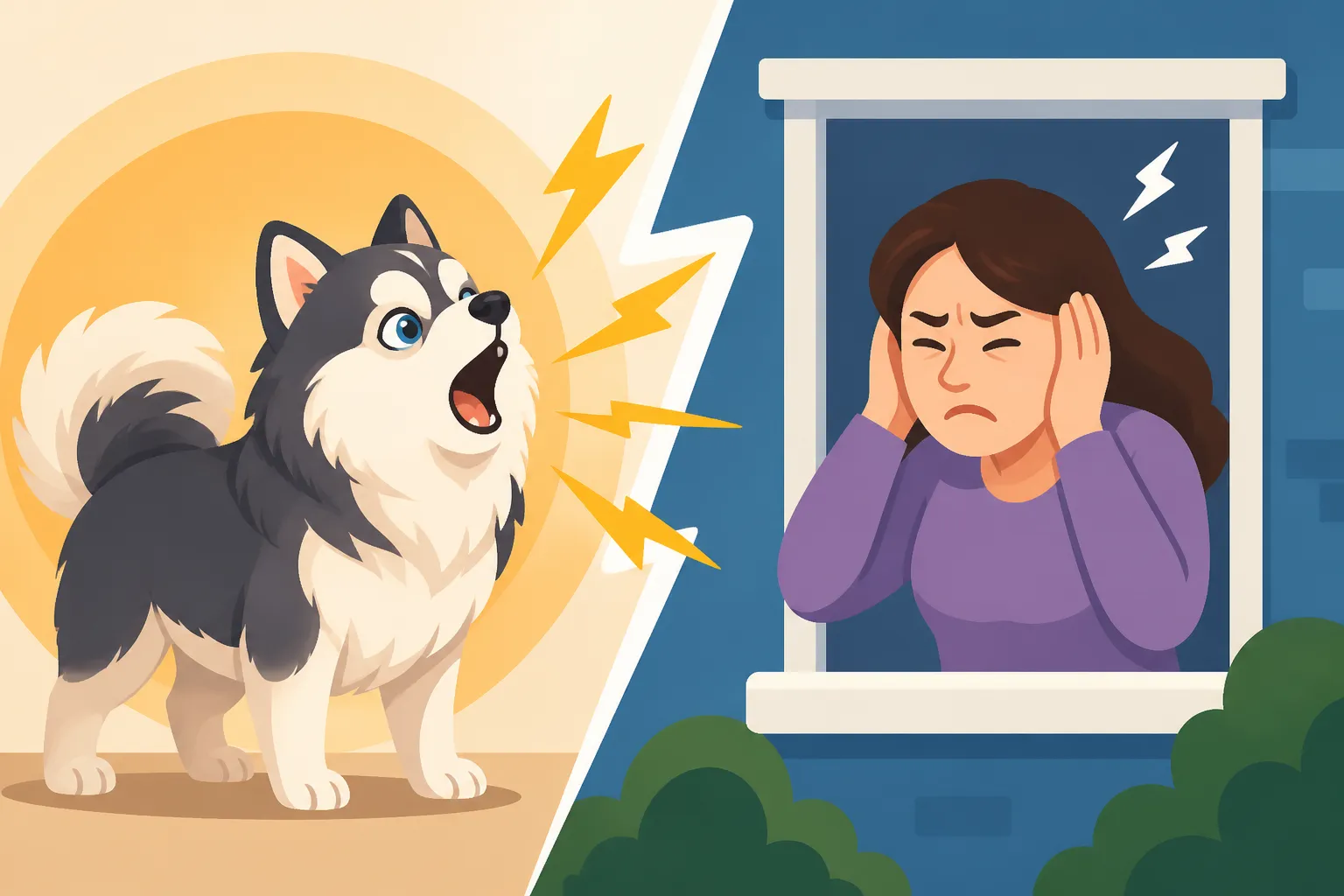
Whether a Pomsky Gets Its Owner a Noise Complaint
The fear of receiving a noise complaint about your beloved Pomsky can be a heavy burden, especially for those living in apartments, townhouses, or homes with close neighbors. You want to give your dog the best life, but you also need to be a considerate member of your community. This guide will delve into why Pomskies can be vocal, provide actionable strategies to manage their noise, and offer advice on navigating a noise complaint should one arise, helping you maintain peace with your neighbors and sanity in your home.
Understanding Pomsky Vocalizations: What Makes Them So Noisy?
Pomskies are a fascinating blend, inheriting traits from two very different, yet equally vocal, parent breeds: the Siberian Husky and the Pomeranian. This unique genetic combination means their vocal repertoire can be incredibly diverse and, at times, quite loud. Understanding why they make noise is the first step toward effective management.
The Husky Howl and Pomeranian Bark Blend
Imagine combining the majestic, often mournful, howl of a Siberian Husky with the sharp, insistent bark of a Pomeranian. That's essentially what you get with a Pomsky. It's rarely a predictable mix; some Pomskies lean more towards the husky "talk" while others adopt the Pomeranian's alarm-like bark.
Huskies are renowned for their wide range of vocalizations. They don't typically bark much in the traditional sense, but they howl, yodel, grunt, groan, and "talk" in a way that sounds almost human, especially when they're expressing happiness, demanding attention, or reacting to sirens. This husky trait means your Pomsky might engage in long, drawn-out vocal performances that, while endearing to you, could be quite disruptive to neighbors, particularly if they are not used to hearing such sounds. When a Pomsky really gets going, it can be quite a sound. The Husky Howl in a Pomsky describes this vocal trait in more detail.
On the other hand, Pomeranians are classic alert barkers. They are small dogs with big personalities, often quick to sound the alarm at anything they perceive as new or threatening – a person walking by, a bird on the feeder, or the mail carrier approaching. This high-pitched, rapid-fire barking can be incredibly persistent. If your Pomsky inherits this trait, you might find yourself with a dog that barks at seemingly everything, making apartment living particularly challenging. This intense, sharp barking is often what triggers the most complaints, as it can be piercing and relentless. You might find yourself asking Whether a Pomsky Barks Like a Pomeranian and realizing that yes, many do. Some Pomskies can even develop a high-pitched "scream" when frustrated or excited, which is truly startling. Whether a Pomsky Screams is a concern for many owners.
Reasons Behind the Racket
Beyond their inherited vocal tendencies, Pomskies vocalize for a variety of reasons, many of which are rooted in their intelligent and active nature. Identifying the specific trigger for your Pomsky's noise is crucial for addressing it effectively.
One of the most common reasons for excessive noise is sheer boredom and lack of stimulation. Pomskies are intelligent dogs with significant energy levels, even in their smaller packages. If they're not getting enough physical exercise or mental enrichment, they will find ways to entertain themselves, and often, that involves making noise. A bored Pomsky might howl at walls, bark at shadows, or simply "talk" to fill the silence. This isn't just a quirky habit; it's a genuine cry for engagement.
Another significant factor is separation anxiety. Many Pomskies develop a strong bond with their human families and can become genuinely distressed when left alone. This distress can manifest as prolonged howling, barking, whining, and even destructive behavior. It's not about being naughty; it's about panic and loneliness. A Pomsky suffering from separation anxiety might start vocalizing the moment you leave and continue until you return, creating a constant disturbance for anyone nearby. Learning Whether a Pomsky Howls When Left is a key indicator of this issue.
Alert barking is deeply ingrained in both parent breeds. Your Pomsky feels it's their job to let you know about everything happening outside your home. The doorbell, people walking past the window, sounds from the hallway, even a car door slamming down the street – all can trigger a flurry of barks. This can be especially problematic if your dog has a clear line of sight to a busy street or common area. It often feels like Whether a Pomsky Barks at Every Sound is a daily reality.
Finally, demand barking is a behavior that humans often inadvertently reinforce. If your Pomsky barks at you, and you respond by giving them attention, food, or opening the door for playtime, they quickly learn that barking gets results. This can escalate into a persistent habit where your dog constantly barks to get what they want, making quiet moments a rarity. This "talking back" can feel like a charming quirk until it becomes incessant and demanding. You might wonder, Whether a Pomsky Talks Back? Indeed, they do, and it can be a challenge.
Preventing Noise Complaints: Training and Management Strategies
The good news is that much of a Pomsky's vocal behavior can be managed and even significantly reduced through consistent training, proper management, and understanding their needs. It takes dedication, but a quieter home and happier neighbors are well within reach.
Proactive Training for a Quieter Pup
Starting early and being consistent are crucial when it comes to managing vocalizations. Training your Pomsky doesn't just mean teaching tricks; it means teaching them how to exist calmly in your home and community.
Early and Ongoing Socialization is paramount. Exposing your Pomsky puppy to a wide variety of sights, sounds, people, and other dogs in a positive and controlled manner helps them develop confidence and reduces reactivity. A dog that is comfortable with its environment is less likely to bark nervously at every new stimulus. Take them on car rides, short walks in different neighborhoods, to pet-friendly stores (if allowed and safe), and introduce them to calm, vaccinated dogs.
One of the most valuable commands you can teach is a "quiet" cue. This isn't about punishing barking, but rather teaching your dog to stop barking on command and rewarding the silence. Start by teaching a "speak" command (encouraging a bark, then rewarding it). Once they understand "speak," you can then introduce "quiet." Wait for them to bark, say "quiet," and when they pause even for a second, reward them immediately. Gradually increase the duration of silence before rewarding. This takes patience but is incredibly effective for managing demand or alert barking. For comprehensive online training resources, platforms like BAXTER & Bella offer structured programs that can guide you through teaching a "quiet" cue and other essential manners from the comfort of your home. Teaching a Pomsky a Quiet Cue is a skill every Pomsky owner should strive for.
Adequate Mental and Physical Enrichment cannot be overstated. A tired Pomsky is often a quiet Pomsky. These dogs need more than a quick trip to the backyard. They thrive on structured walks, playtime, and mental challenges. Incorporate puzzle toys, scent work games, and regular training sessions into their daily routine. Aim for at least two good walks a day, and consider activities like fetch or flirt pole play to burn off physical energy. Mental games, even short 10-15 minute sessions, can be just as tiring as physical exercise for their clever brains. As we discussed in The Exercise a Pomsky Needs Every Day, their energy needs are significant for their size. Engaging their minds with activities helps prevent boredom barking.
If separation anxiety is a concern, alone time training is essential. Start by leaving your Pomsky alone for very short periods (a few minutes), then gradually increase the duration. Provide high-value, long-lasting chews or puzzle toys (like a KONG stuffed with frozen peanut butter) to distract them during your absence. Monitor them with a pet camera to identify when they start vocalizing and adjust your training plan accordingly. The goal is to make alone time a positive, calm experience, rather than a source of distress.
Environmental Management and Tools
Sometimes, training alone isn't enough, and you need to adjust their environment to help them succeed. This is especially true for Pomskies who are highly reactive to external stimuli.
Managing Visual and Auditory Triggers is a big one. If your Pomsky barks at everything they see outside the window, consider using privacy film, frosted glass, or simply keeping blinds and curtains closed during times of heavy outdoor traffic. For auditory triggers, white noise machines or calm music can help muffle outside sounds that might prompt barking or howling. Some pet owners even use specific dog-calming music that has been shown to reduce anxiety.
Crate training can be a game-changer for many Pomskies, providing them with a safe, den-like space where they feel secure. If introduced positively, a crate can become a comforting retreat, reducing anxiety when you're away or during overwhelming situations. It's crucial that the crate is never used for punishment. Whether a Pomsky Should Sleep in a Crate is a common question, and for many, it's a solid strategy for a calmer night and less separation anxiety.
When it comes to tools, long-lasting chews and interactive puzzle toys are your best friends. Stuffable toys, durable chew bones, or slow feeders can keep your Pomsky occupied and mentally stimulated for extended periods, especially when you need them to be quiet, like during your workday or when guests are over. You can find a vast selection of these on platforms like Amazon, from treat-dispensing balls to durable chew toys designed to last.
Consider consulting with a professional about anti-barking devices, but always use them with extreme caution and never as a primary training method. Options like citronella spray collars or vibration collars can sometimes be used as a deterrent when paired with positive reinforcement, but they should only ever be introduced under the guidance of a professional trainer. Avoid shock collars, as these can cause fear, anxiety, and aggression, often exacerbating behavioral issues rather than solving them. Remember, the goal is to address the reason for the barking, not just suppress the symptom.
Dealing with Existing Noise Complaints
Receiving a noise complaint from a neighbor or landlord can be incredibly stressful and embarrassing. However, how you respond can make all the difference in resolving the issue amicably and effectively.
Communicating with Neighbors and Landlords
Your first step should always be to respond with empathy and a willingness to cooperate. It's easy to get defensive, but remember that excessive dog noise can genuinely disrupt someone's peace and quiet, impacting their sleep, work, and overall quality of life. Acknowledge their frustration and assure them that you are taking their concerns seriously.
Gather specific information. Ask your neighbor for details: What times of day is the barking or howling occurring? How long does it last? What kind of noise is it? The more specific information you have, the better you can pinpoint triggers and times to observe your Pomsky. Consider setting up a pet camera (many are available on Amazon) to discreetly record your Pomsky's behavior when you're not home. This can provide valuable insights into what's happening and also serve as evidence of your efforts.
Next, develop and share an action plan. Show your neighbor and/or landlord that you are taking concrete steps. Explain the training methods you are implementing, the increased exercise and enrichment your Pomsky is receiving, or any professional help you are seeking. Even if the problem isn't immediately solved, knowing you are actively working on it can significantly improve neighbor relations. Regularly update them on your progress, perhaps by sharing a simple log of your training efforts. This open communication is vital, especially if you live in a multi-unit dwelling where Whether a Pomsky Suits Shared Walls is a constant consideration.
Document everything. Keep a detailed log of your training sessions, the times you leave and return, any vet visits for behavioral assessment, and all communication with your neighbors and landlord. This documentation can be invaluable if the situation escalates or if you need to demonstrate your efforts to a landlord or housing authority.
When Professional Help is Needed
There are times when, despite your best efforts, your Pomsky's vocalization issues persist. This is not a sign of failure on your part, but rather an indication that you might need specialized guidance.
A Certified Professional Dog Trainer (CPDT) or a Karen Pryor Academy Certified Training Partner (KPA CTP) can offer invaluable support. They can assess your Pomsky's behavior in your home environment, identify specific triggers, and help you implement a tailored training plan using positive reinforcement techniques. They can teach you effective strategies for managing alert barking, reducing demand barking, and building a stronger, quieter routine. Their expertise can provide objective insights and methods you might not have considered.
For severe cases, particularly if separation anxiety, fear, or other complex behavioral issues are suspected, a Veterinary Behaviorist might be the most appropriate professional. These are veterinarians who have specialized training in animal behavior and can diagnose and treat behavioral disorders. They can rule out any underlying medical conditions that might be contributing to the vocalization and, if appropriate, prescribe medication to help manage anxiety or fear in conjunction with a comprehensive behavior modification plan. Sometimes, what looks like mischief is actually profound distress requiring a multi-faceted approach.
Finally, always ensure your Pomsky is in good health. Sometimes, increased vocalization can be a sign of pain, discomfort, or an undiagnosed medical issue. A thorough check-up with your regular veterinarian is always a good first step to rule out any physical causes before diving deep into behavioral solutions. Your vet can also offer advice on calming supplements or refer you to a behaviorist if needed.
Here’s a quick overview of common Pomsky vocalizations and potential approaches:
| Type of Vocalization | Common Triggers | Potential Solutions |
|---|---|---|
| Howling | Sirens, other dogs, loneliness, excitement, boredom | "Quiet" command, increased enrichment, alone-time training, white noise machine, professional assessment for separation anxiety. |
| Sharp Barking | Doorbell, passersby, other dogs, demand for attention | Desensitization to triggers, "Quiet" command, redirection with toys, visual barriers (blinds), ignoring demand barking. |
| Whining | Attention seeking, distress, hunger, pain, frustration | Address underlying need (food, potty), ignore attention-seeking, vet check for pain, professional assessment for anxiety. |
| Grumbling/Talking | Contentment, playful engagement, mild complaint, excitement | Generally harmless, but if excessive or inappropriate, use "Quiet" command; often a sign of high spirits or a desire for interaction. |
| Screaming | Extreme fear, pain, restraint, high frustration, over-excitement | Identify and avoid triggers, desensitization, positive reinforcement for handling, professional assessment (vet or behaviorist) for fear/pain. |
Remember, managing a vocal Pomsky is a journey, not a destination. It requires patience, consistency, and a willingness to understand your dog's unique needs. By taking proactive steps and seeking help when necessary, you can create a harmonious environment for both your beloved Pomsky and your neighbors.
Disclaimer
This article is for general informational purposes only and does not constitute professional advice. Laws, prices and regulations vary by location and change over time. Consult a qualified professional for guidance on your specific situation.