Whether a Pomsky Is Too Smart for Its Owner
It’s a common scenario: you bring home that adorable Pomsky puppy, envisioning a perfectly obedient, miniature Husky companion, only to discover a furry little mastermind who seems to outthink you at every turn. Many Pomsky owners find themselves wondering if their clever canine is simply "too smart" for their own good, leading to exasperating situations like escaping the yard or ignoring commands with a knowing glance. This guide will delve into the unique intelligence of Pomskies, explore how their smarts can sometimes feel like a challenge, and provide actionable strategies to harness their sharp minds for a harmonious life together.
The Truth About Pomsky Intelligence: Beyond the Cute Face
Pomskies are a fascinating blend of Siberian Husky and Pomeranian, two breeds known for their distinct intelligence. The Husky contributes a legendary independence and problem-solving ability, often geared towards survival and efficiency in harsh environments. The Pomeranian brings a quick wit, eagerness to learn, and a sometimes mischievous charm. When combined, these traits create a dog that is undeniably intelligent, observant, and often has a strong will. It’s no wonder they keep their human companions on their toes!
Understanding Their Bright Minds
A Pomsky’s intelligence isn't just about learning commands quickly; it’s a deeper cognitive ability that manifests in various ways. They can assess situations, anticipate outcomes, and often devise their own solutions to problems. This isn’t necessarily a bad thing, but it does mean they aren't just looking for what you want them to do; they're often figuring out what they want to do and how to achieve it. This inherent cleverness can be incredibly rewarding when channeled correctly, but it demands an equally clever and consistent approach from their owners.
Their problem-solving prowess can be truly impressive. Many Pomsky owners report their dogs figuring out complex puzzle toys within minutes, or even discovering how to open cabinets and doors that seem secure. This isn’t a sign of defiance, but rather an indication of an active, curious mind that needs constant engagement. If that engagement isn't provided in structured ways, they’ll create their own "jobs," which might not always align with your household rules!
How This Intelligence Manifests
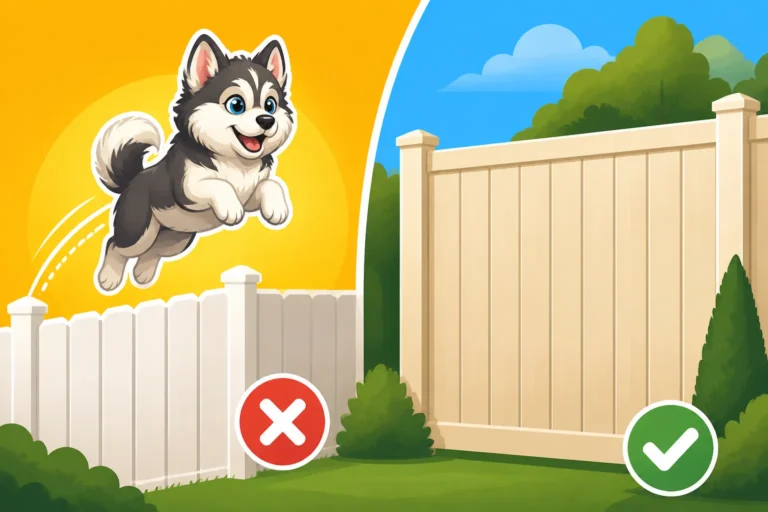
One of the most common ways Pomsky intelligence manifests is in their uncanny ability to be escape artists. They might watch you unlatch a gate once and then spend days perfecting their own technique. This isn't out of malice, but pure canine ingenuity. You might think your fence is perfectly secure, but a smart Pomsky will test every weakness, from digging under to scaling seemingly impossible heights. This is often why you hear stories about The Pomsky Escape Artist in a Twenty Pound Body. They are adept at evaluating their surroundings and finding the path of least resistance to freedom.
Another manifestation is what many owners affectionately call "selective hearing." You call their name, they glance at you, and then continue doing exactly what they were doing. It’s not that they didn't hear you; it’s that they weighed the perceived reward of coming to you versus the immediate satisfaction of their current activity, and decided the latter was more appealing. This can be incredibly frustrating, especially when you're trying to achieve a reliable recall at the dog park. Their intelligence allows them to make these cost-benefit analyses in the blink of an eye, often leaving owners feeling outmaneuvered.
The Double-Edged Sword: When Smart Becomes Challenging
While a smart dog can be a joy to train and interact with, for Pomsky owners, that intelligence can sometimes feel like a daily challenge. Their cleverness often comes hand-in-hand with an independent streak, a combination that can make traditional training methods less effective if not adapted to their unique needs. It’s not that they can’t learn; it’s that they’re often asking, "Why should I?" or "What's in it for me?"
The Pomsky's Problem-Solving Skills
Pomskies are natural-born strategists. If there’s a treat hidden, they won’t just sniff it out; they’ll try different angles, push objects around, and often figure out mechanical puzzles with surprising speed. For instance, you might invest in a high-tech puzzle feeder from Amazon, thinking it will keep them occupied for hours, only to find it fully dismantled and emptied within twenty minutes. This kind of rapid problem-solving is a testament to their intelligence, but it means you'll constantly need to up your game in terms of mental enrichment.
Their knack for figuring things out extends to their environment. Many owners are astonished to find that their Pomsky has learned to Whether a Pomsky Learns to Open a Door Handle or even manipulate baby gates. They observe, they learn, and they experiment. If they want to get to the other side of a closed door, they'll try pawing, jumping, and eventually, if they've seen you do it, attempting to turn the handle. This level of environmental manipulation requires both keen observation and a persistent drive, both hallmarks of their intelligent nature.
The Independent Streak and What It Means for Training
The intelligence of a Pomsky is often paired with an independent and sometimes stubborn nature, inherited from their Husky lineage. This isn't outright defiance, but rather a strong sense of self-preservation and a desire to do things on their own terms. When training, you might find that while they understand what you want, they're not always motivated to comply if they don't see an immediate benefit or if something more interesting catches their attention. This trait makes it vital to understand What a Pomsky Will Work For – high-value treats and enthusiastic praise are often key.
Their cleverness also means they can get bored with repetitive tasks very quickly. If you try to drill the same "sit" command twenty times in a row, a Pomsky might simply wander off, finding a more stimulating activity. They learn fast, and once they've mastered something, repeating it without variation can be dull for their active minds. This is why trainers often recommend that Whether Short Sessions Suit a Pomsky, keeping the engagement high and the novelty fresh to maintain their interest and cooperation. This isn't a flaw in their character; it's simply a characteristic of a very smart dog who needs mental stimulation just as much as physical exercise.
Turning Intelligence into a Training Advantage
Instead of viewing a Pomsky's intelligence as a hurdle, shift your perspective to see it as a superpower for training and bonding. Their sharp minds mean they are capable of learning a vast array of commands, tricks, and even complex tasks, provided you present the information in an engaging and consistent manner. The key is to challenge them mentally, keep things interesting, and always make training a positive experience.
Engaging Their Minds with Mental Stimulation
One of the best ways to channel a Pomsky’s intelligence is through mental enrichment. Puzzle toys that dispense treats, like those found on Amazon, can be a fantastic way to keep their brains active. Start with easier puzzles and gradually increase the difficulty as your Pomsky masters them. Rotating these toys regularly ensures novelty and prevents them from becoming predictable and therefore boring. Interactive feeders that require them to work for their meals can also slow down eating and provide a daily mental workout.
Beyond toys, consider introducing them to activities like scent work or nose games. Pomskies have a keen sense of smell, and engaging this natural instinct can be incredibly fulfilling for them. Hiding treats around the house or yard and encouraging them to "find it" taps into their primal hunting instincts and provides an excellent mental challenge. Whether a Pomsky Takes to Scent Work is a resounding yes, and it’s a wonderful way to tire them out mentally without needing a huge amount of physical space, which can be invaluable on rainy days.
Building a Strong Bond and Consistent Routine
Consistency and positive reinforcement are paramount when training a clever Pomsky. They thrive on clear rules and predictable routines, even if they sometimes test the boundaries. Use high-value rewards – small, soft, tasty treats are often more effective than dry kibble – and lavish praise to mark correct behaviors. Avoid punishment, as a smart Pomsky will quickly learn to avoid you or the situation rather than understanding what they did "wrong." Building a strong, trusting bond means they will be more willing to work with you, even when their independent streak flares up.
Varying your training sessions, as mentioned, is crucial. Instead of drilling "sit" repeatedly, incorporate it into a sequence of tricks, or practice it in different environments. Keep sessions short, typically 5-10 minutes, and end on a positive note. This ensures that training remains fun and engaging for your Pomsky, preventing boredom and frustration for both of you. Remember, these dogs are highly intelligent, so make sure they're thinking with you, not just for you.
Strategies for the 'Too Smart' Pomsky
So, what do you do when your Pomsky seems to have an answer for everything and an escape plan for every scenario? It's about outsmarting the outsmart-er, not by being mean, but by being one step ahead and leveraging their intelligence for constructive purposes. It requires patience, creativity, and a good sense of humor.
Harnessing Their Cleverness for Good
Instead of fighting their intelligence, try to harness it. Pomskies excel at learning complex tricks and can be taught impressive obedience routines. Challenge them with multi-step commands or teach them useful tasks around the house, like putting toys away or retrieving specific items. Some Pomskies even enjoy activities like agility, which combines physical exertion with mental puzzle-solving. Whether a Pomsky Can Do Agility is often determined by their individual temperament and size, but many thrive in such structured, stimulating environments.
Involve your Pomsky in daily activities. If you're gardening, let them "help" dig in a designated digging pit. If you're doing laundry, teach them to carry lightweight items. Giving them a job, even a small one, fulfills their innate need to contribute and utilize their smarts. This engagement can also help reduce unwanted behaviors that stem from boredom. After all, The Exercise a Pomsky Needs to Stay Sane isn't just physical; it's mental too.
When to Seek Professional Guidance
Sometimes, even the most dedicated owner can feel overwhelmed by a "too smart" Pomsky, especially if challenging behaviors persist despite your best efforts. This is absolutely nothing to be ashamed of. Seeking professional guidance from a certified dog trainer or behaviorist can provide you with tailored strategies and insights into your dog's specific needs. They can help you identify the root cause of certain behaviors and teach you effective communication techniques.
Many excellent resources are available, from local trainers to online platforms like BAXTER & Bella, which offer comprehensive programs and support for dog owners. A good trainer can teach you how to motivate your Pomsky, manage their independent streak, and turn their intelligence into a cooperative partnership. They can also help address specific issues, whether it's perfecting Building a Recall a Pomsky Answers or finding solutions for destructive chewing. Don't hesitate to reach out if you feel you're hitting a wall – a fresh perspective can make all the difference. Whether a Pomsky Needs a Professional Trainer is often yes, especially for first-time owners or those struggling with the breed's unique blend of traits.
Here's a quick comparison of behaviors and their underlying intelligence manifestations:
| Behavior | Underlying Intelligence Trait | Owner Challenge | Smart Solution |
|---|---|---|---|
| Escaping yard/crate | Problem-solving, observation | Security lapses | Fortify environment, teach "stay" and boundary games |
| Selective hearing | Cost-benefit analysis, independence | Poor recall | Use high-value rewards, vary training locations, build strong recall through games (e.g., "hide and seek") |
| Quickly solving puzzle toys | High cognitive ability, curiosity | Boredom | Rotate toys, increase difficulty, introduce scent work |
| Opening doors/cabinets | Observational learning, dexterity | Access to forbidden items | Child-proof locks, redirection to appropriate activities, teach "leave it" and "stay" |
| Getting bored with repetition | Quick learner, need for novelty | Training stagnation | Keep sessions short and engaging, incorporate new tricks, practice in different environments and contexts |
| Testing boundaries constantly | Persistence, understanding limits | Inconsistent behavior | Maintain strict consistency, clear rules, always follow through on commands, provide acceptable alternatives to undesirable behaviors |
Ultimately, having a Pomsky that seems "too smart" is a privilege, not a curse. It means you have an engaging, capable companion who thrives on interaction and challenges. By understanding their unique mental makeup and employing smart, consistent training methods, you can transform potential frustrations into a deeply rewarding partnership. Enjoy the journey with your clever canine!
Disclaimer
This article is for general informational purposes only and does not constitute professional advice. Laws, prices and regulations vary by location and change over time. Consult a qualified professional for guidance on your specific situation.