Whether a Pomsky Learns to Open a Door Handle
It’s a scenario many Pomsky owners eventually face: you turn your back for a moment, and suddenly, your clever canine has figured out how to operate a door handle, granting themselves free rein of the house or even an unexpected jaunt outside. This guide is here to shed light on why your Pomsky might become a canine locksmith, how they pull off these crafty maneuvers, and most importantly, how to secure your home to keep their adventurous spirits safely contained.
The Crafty Nature of a Pomsky's Mind
Pomskies are a fascinating blend of two highly intelligent and, let's be honest, often mischievous breeds: the Siberian Husky and the Pomeranian. This unique genetic cocktail results in a dog that is not only charming and energetic but also incredibly sharp-witted. Their intelligence often translates into problem-solving abilities that can surprise even experienced dog owners, making them far more adept at navigating human environments than one might initially expect.
The Intelligence Inherited from Both Sides
Think about the Siberian Husky. These dogs were bred for endurance and independent thinking, often making decisions on their own while pulling sleds over vast, featureless landscapes. That same independent, problem-solving spirit is very much alive in your Pomsky. They don't just follow orders; they observe, they analyze, and they come up with their own solutions to challenges, whether that challenge is opening a treat jar or escaping a room. This isn't just about being "smart" in a human sense; it's about being incredibly observant and persistent. Huskies are known for their ability to find weaknesses in fences, bypass gates, and generally outwit their human companions when the motivation is high.
On the other side, you have the Pomeranian, a breed known for its spirited personality, quick learning, and often a surprising amount of bravado packed into a small frame. Pomeranians are curious, alert, and can be quite cunning. They excel at learning tricks and can be very persistent when they want something. When you combine the Husky's drive for autonomy and problem-solving with the Pomeranian's sharp wit and determination, you get a Pomsky who is not just intelligent but also highly resourceful. They're not just waiting for you to open doors; they're actively figuring out how to do it themselves.
Why Door Handles Become a Target
For a Pomsky, a closed door isn't just a barrier; it's a puzzle, an invitation to explore, or a sign that something interesting is happening on the other side that they're missing out on. Their motivations for tackling a door handle can be varied. Sometimes it's pure curiosity – "What's out there?" or "Where did my human go?" Other times, it's boredom. A Pomsky left alone with insufficient mental or physical stimulation might decide that figuring out the door is a great way to pass the time. They are dogs that thrive on engagement and activity, and a lack of it can lead to them channeling their energy into less desirable behaviors, like trying to break out.
Then there's the desire to be with their people. Many Pomskies form strong bonds with their families and don't appreciate being separated. If you've ever found your Pomsky whining at a closed door or pawing at it, you know this instinct well. They want to be part of the action, whether it's joining you in the kitchen for dinner prep or following you to the bathroom. This inherent desire to be involved, coupled with their intelligence, means they're constantly looking for ways to breach perceived barriers. This pursuit of freedom and connection is also why The Pomsky Escape Artist in a Twenty Pound Body is such a common topic among owners. They see the door as a tool, and they're learning how to use it.
How Pomskies Master Door Handles
It might seem incredible that a dog, without opposable thumbs, can operate something designed for human hands. But once you break down the process, you realize it's a combination of keen observation, physical agility, and relentless persistence. Your Pomsky isn't necessarily thinking like a human, but they are incredibly good at mimicking actions and understanding cause and effect.
Observation and Repetition
Dogs are master observers of human behavior. Every time you grab a door handle, twist it, and push or pull the door open, your Pomsky is likely watching intently. They're processing this information, connecting your action with the result: the door opening. This isn't just a one-off event; they learn through countless repetitions. They see you do it, they see other family members do it, and eventually, they start to experiment.
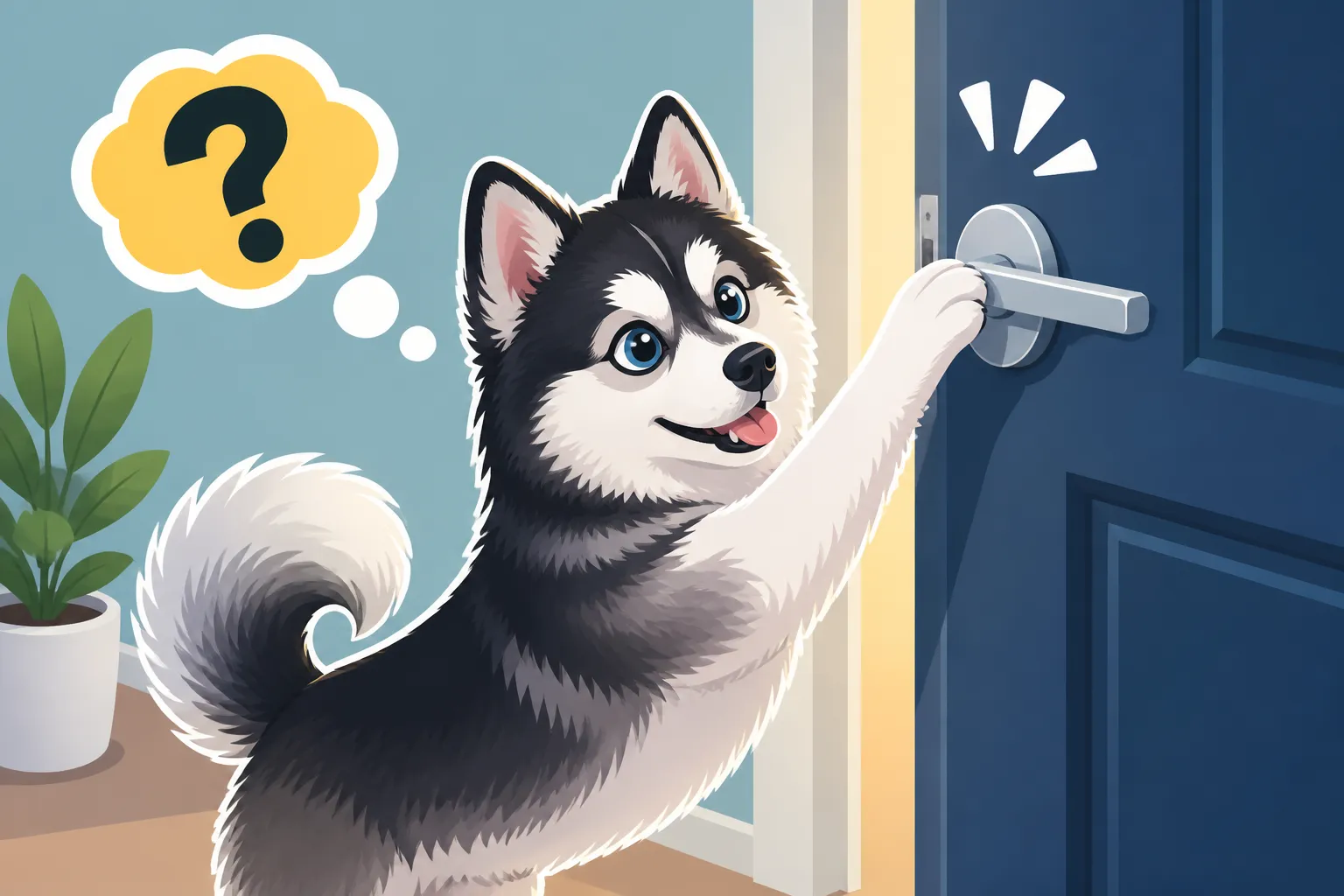
Their initial attempts might involve pawing at the handle, jumping up, or even trying to mouth it. If, by sheer accident, one of these attempts results in the latch disengaging, even just a tiny bit, that's a huge victory for your Pomsky. They remember what worked, even if it was unintentional, and they'll try to replicate it. This trial-and-error process is how many animals learn complex behaviors. Over time, with enough practice and motivation, they refine their technique. A small lever handle, for instance, is often much easier for a dog to manipulate with a paw or muzzle than a round doorknob, which requires a specific grip and twist. They learn which angles work, how much pressure to apply, and the precise movement needed to achieve their goal.
The Physical Capabilities
While Pomskies come in a range of sizes, even the smaller ones possess surprising strength and agility. Their Husky heritage gives them strong hind legs and a muscular build, allowing for powerful jumps. A Pomsky can launch themselves upwards, easily reaching many standard door handles, especially the lever-style ones. How High a Pomsky Can Jump a Fence is a testament to their vertical prowess, and that same jumping power can be applied to reaching a door handle.
Once they can reach the handle, their paws come into play. Dogs use their paws for a variety of tasks, from digging A Pomsky That Digs to holding toys. A Pomsky's paws, while not as dexterous as human hands, are quite capable of pushing down on a lever handle or even trying to grip and twist a knob if they're particularly determined. Some Pomskies even use their mouths to pull or twist handles, relying on their strong jaws. Their full body weight can then be used to push or pull the door open once the latch is disengaged. It’s a full-body effort, demonstrating their impressive coordination and physical problem-solving skills.
Preventing Your Pomsky from Becoming a Locksmith
The good news is that while your Pomsky might be a genius, there are practical steps you can take to outsmart them and keep your home secure. It’s all about making the door handle an impossible puzzle, rather than just a difficult one. Prevention is always better than trying to break a deeply ingrained habit.
Securing Your Doors
The most direct way to prevent your Pomsky from opening doors is to physically secure them. This often means upgrading your existing hardware or adding clever deterrents. For lever handles, which are notorious for being dog-friendly, child-proof lever handle covers are an absolute lifesaver. These covers often require an adult hand to pinch or slide a mechanism before the lever can be depressed, making it nearly impossible for a dog's paw or snout to operate. You can find a wide variety of these on platforms like Amazon, and they're usually simple to install.
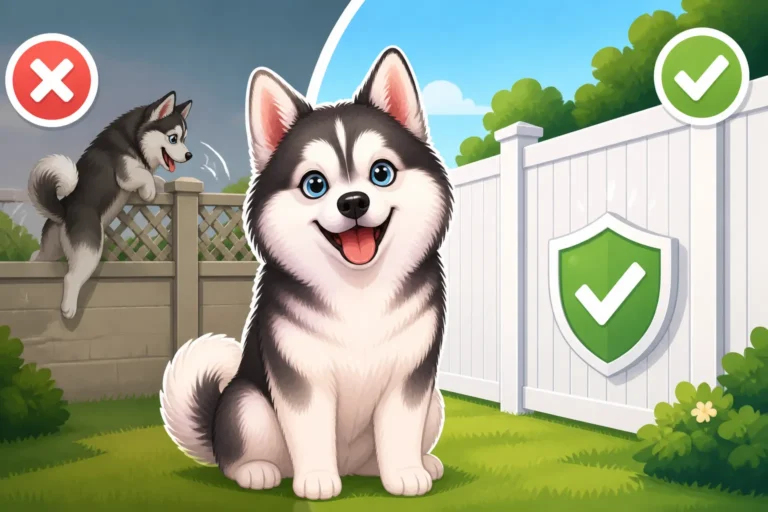
For traditional doorknobs, the solution can be a bit trickier, but child-proof doorknob covers exist that spin freely, preventing your dog from getting a grip. Alternatively, installing deadbolts, especially those that require a key on both sides or a more complex turn mechanism, can provide an extra layer of security. Just remember, if you use a key-on-both-sides deadbolt on an exit door, always ensure the key is readily accessible in case of an emergency for human occupants. Beyond specific door mechanisms, also consider the general security of your home. The Fence a Pomsky Actually Needs is crucial for outdoor containment, but indoor containment is just as important for peace of mind.
Here's a quick comparison of common door handle types and their vulnerability:
| Handle Type | Pomsky Vulnerability | Recommended Solution |
|---|---|---|
| Lever Handle | High | Child-proof lever handle cover, deadbolt, reverse lever installation |
| Round Doorknob | Moderate to High | Child-proof doorknob cover, deadbolt, higher installation (if possible) |
| Push/Pull Handle | Low (if no latch) | Secure with secondary latch/bolt if it leads outside or to restricted areas |
| Deadbolt | Very Low | Excellent secondary security; ensure key access for emergencies (if double-sided) |
Training and Management Strategies
Physical barriers are great, but they should be part of a larger strategy that includes training and good management. A bored Pomsky is a destructive Pomsky, and that applies to them trying to dismantle your house one door at a time. Ensuring your Pomsky gets adequate physical and mental exercise is paramount. The Exercise a Pomsky Needs Every Day isn't just about keeping them fit; it's about keeping their intelligent minds occupied and preventing them from finding their own "jobs" like door-opening.
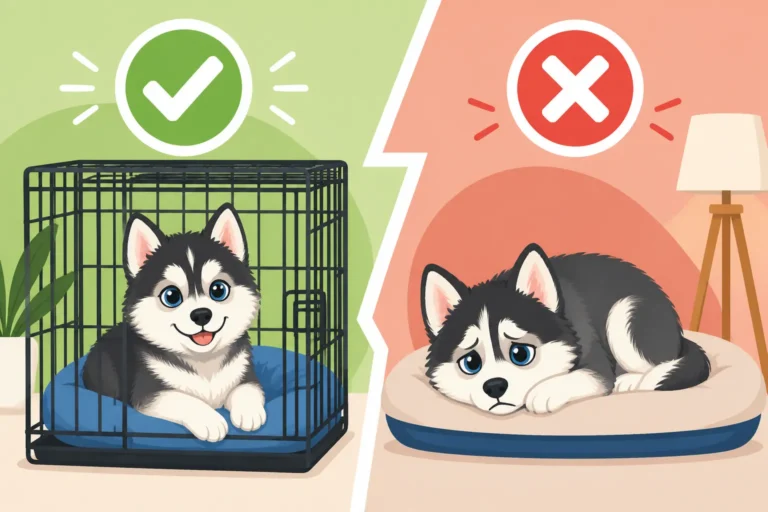
Mental stimulation can come in many forms: puzzle toys, training sessions, or even interactive games. Enroll in obedience classes or utilize online resources. Programs like BAXTER & Bella offer comprehensive online training that can help you channel your Pomsky's intelligence into positive behaviors, teaching them cues like "stay" and "place" that can be invaluable around doorways. Crate training can also be an excellent management tool, providing a safe and secure space for your dog when you can't actively supervise them. A well-crate-trained Pomsky understands their den and will be content there for reasonable periods, removing the temptation of an unsupervised door. This also ties into the concept of Whether a Pomsky Should Sleep in a Crate, which many owners find beneficial for both security and routine.
Consistency is key with any training. If you sometimes allow them to push open a door but other times scold them, they'll become confused. Establish clear rules and stick to them. If a door is closed, it's a boundary. Reward calm behavior around doors, and don't inadvertently reinforce door-opening by giving attention every time they try.
What to Do If Your Pomsky Already Knows the Trick
So, your Pomsky has already earned their honorary locksmith certification. Don't despair! It’s a common issue, and while it requires persistence, you can definitely break the habit and secure your home. The key is a multi-pronged approach that combines management, redirection, and consistent training.
Breaking the Habit
First and foremost, immediately implement the physical barriers we discussed, such as child-proof lever covers or deadbolts. If your Pomsky can no longer physically open the door, they won't get the reward of freedom, and the behavior will slowly extinguish. This is crucial because every successful door-opening reinforces the habit.
Next, focus on redirection and positive reinforcement. If you catch your Pomsky attempting to open a door, interrupt the behavior with a firm but calm "no" or "leave it," then immediately redirect their attention to an appropriate activity, like a chew toy or a short training session with treats. Reward them lavishly when they engage with the alternative activity or if they choose to settle calmly near a door instead of trying to open it. The goal is to make door handles less interesting and less rewarding than other behaviors. Ensure they have plenty of appropriate chew toys, puzzle feeders, and opportunities for mental engagement so they aren't driven by boredom to seek out the "thrill" of door-opening.
Safety Considerations
Beyond the inconvenience, a Pomsky who can open doors poses significant safety risks. The most obvious is escaping your home. Pomskies, with their Husky heritage, have a strong wanderlust and incredible athleticism. What to Do When a Pomsky Bolts is a frantic question no owner wants to face. An open door means they could dash into a busy street, get lost, or encounter dangerous situations.
Ensure your Pomsky is always wearing identification, including a tag with your current phone number. Microchipping is also a non-negotiable step for any adventurous dog, as it provides a permanent form of ID if they lose their collar. Whether a Pomsky Should Be Microchipped Immediately is a question with an obvious answer for these escape artists. Additionally, consider investing in a GPS tracker that attaches to their collar. Products readily available on Amazon can offer real-time location tracking, providing an invaluable tool if your clever Pomsky does manage to slip out. This extra layer of security can offer immense peace of mind, especially if you live in an area where Whether a Pomsky Can Be Trusted in an Unfenced Yard is a definite "no."
For interior doors, an unlocked door could lead your Pomsky into areas with potential hazards, like cleaning supplies, medication, or food items that are toxic to dogs. By understanding their intelligence and propensity for mischief, you can proactively secure your home and keep your ingenious Pomsky safe and sound within their designated boundaries. Whether a Pomsky Opens a Baby Gate is another related concern, as their problem-solving skills often extend beyond just door handles.
Disclaimer
This article is for general informational purposes only and does not constitute professional advice. Laws, prices and regulations vary by location and change over time. Consult a qualified professional for guidance on your specific situation.