What to Do When a Pomsky Bolts
There are few things that strike fear into a Pomsky owner's heart quite like the sight of their beloved furry friend bolting out the door or through a gate, seemingly deaf to your panicked calls. It’s a moment of pure dread, a punch to the gut, as you watch that familiar fluffy tail disappear down the street. The truth is, Pomskies, with their clever Husky heritage and often boundless energy, can be notorious escape artists. This guide isn't just about what to do in that terrifying moment; it’s about understanding why it happens and how to drastically reduce the chances of it ever happening again.
Understanding the Pomsky's Drive to Bolt
It’s easy to feel frustrated, or even personally offended, when your Pomsky takes off running. You feed them, love them, walk them, and still, the lure of the open road (or forest, or park) calls to them. But understanding the deep-rooted instincts behind this behavior is the first step toward preventing it. It's not about defiance; it's about breed.
The Husky Heritage of Roaming
Let’s be honest, you fell in love with that intelligent, mischievous glint in your Pomsky's eyes, right? That intelligence, paired with the strong prey drive and independent nature of their Siberian Husky ancestors, creates a dog hardwired for adventure. Huskies were bred to cover vast distances, pulling sleds over icy terrain for hours on end. Their purpose was to work tirelessly, often far from their human companions, relying on their own instincts.
When you see your Pomsky make a break for it, they're not intentionally trying to be disobedient; they're simply responding to an ancient call. They might catch a whiff of a rabbit, see a squirrel dart across the street, or simply be overcome with the sheer joy of running free. This powerful urge to explore, to follow a scent trail, or to chase anything that moves, is incredibly strong. It's why we often refer to The Pomsky Escape Artist in a Twenty Pound Body. This isn't just a cute quirk; it's a serious characteristic that requires vigilant management.
The Pomeranian Influence on Alertness and Size
While the Husky gives your Pomsky the wanderlust, the Pomeranian side brings its own set of traits that contribute to bolting behavior. Pomeranians are known for their keen awareness and often their "big dog in a small body" attitude. They're alert to everything happening around them, and if something catches their attention – a leaf blowing, a distant sound, another dog – they can be quick to react.
Combine this heightened alertness with a smaller, more agile body, and you have a dog that can slip through smaller gaps, squeeze under fences, or dart past your legs with surprising speed. The Pomeranian’s feisty nature means they aren’t easily intimidated, making them more likely to explore unfamiliar territory once they’ve made their escape. They might not cover the vast distances a full-sized Husky would, but they can disappear into dense brush or urban environments quickly, making recovery a challenge.
Immediate Actions When Your Pomsky Escapes
The moment you realize your Pomsky has bolted, panic can set in. But those first few seconds and minutes are absolutely critical. What you do (or don't do) immediately can significantly impact the outcome.
Do Not Chase Them Down
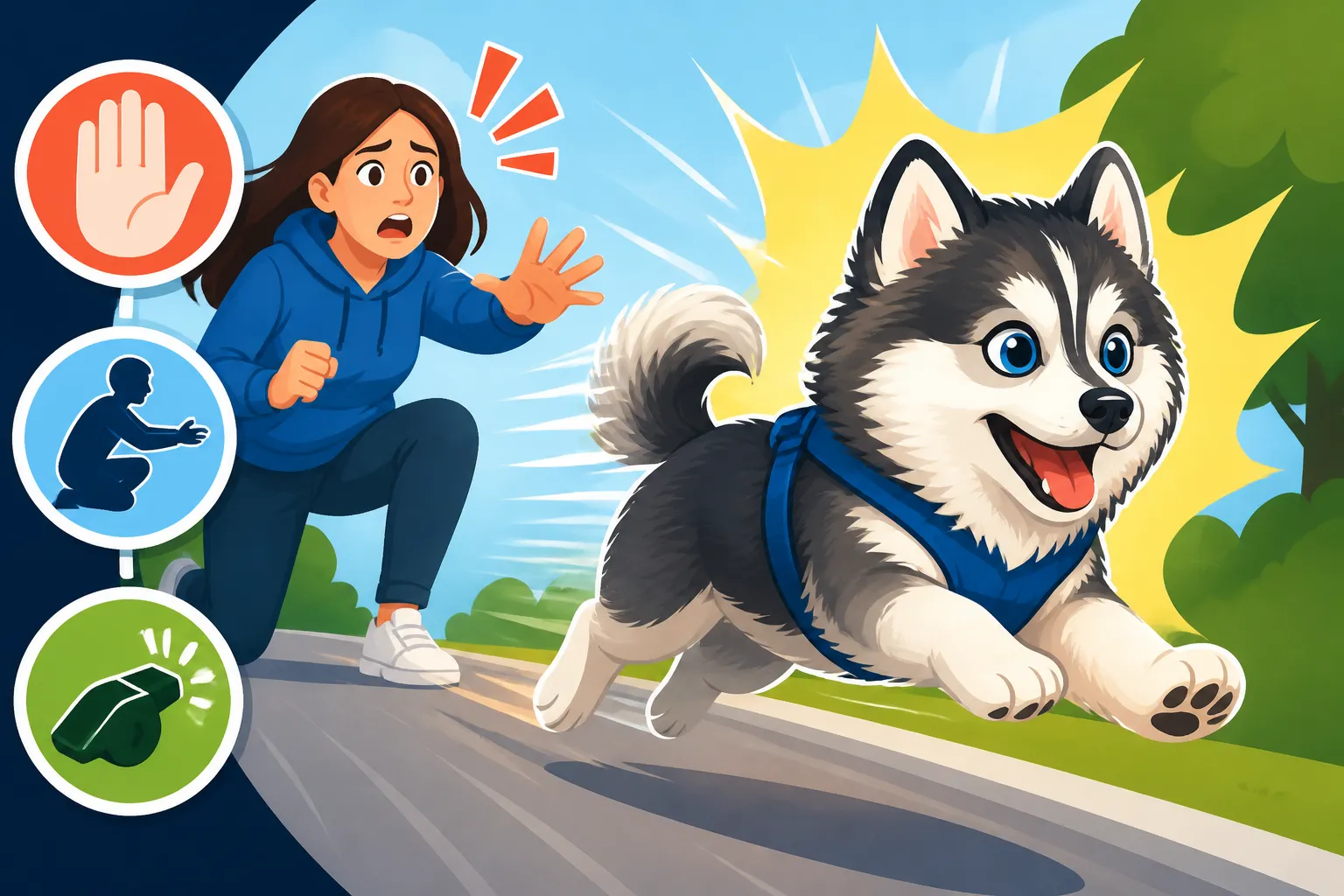
This is perhaps the hardest piece of advice to follow, but it's one of the most important. Our instinct is to sprint after them, screaming their name. However, for a Pomsky with a strong prey drive and a love for running, this often backfires spectacularly. They'll interpret your chase as a game, or worse, become frightened and run even faster and further. Think about it: when your dog runs off with a stolen sock, do they usually come back if you chase them? No, they often go faster, tail wagging, thinking it’s a fun game of keep-away.
Instead of chasing, try to remain calm. Seriously, take a deep breath. Your frantic energy will only fuel their excitement or fear. If they're still within sight, try to crouch down, make yourself smaller, and call them in a happy, excited voice. Pretend you have the most amazing treat in the world, even if you don't. Sometimes, turning and running away from them can trigger their natural instinct to chase you, making them come back. It sounds counterintuitive, but it often works. If they're out of sight, this technique may not be an option, so don’t dwell on it if it’s too late.
Alert Your Immediate Surroundings
As soon as you realize your Pomsky is truly gone, you need to broaden your search. Shout their name, yell "car!" if they're near traffic, or call out for help from anyone nearby. Neighbors, people walking by, or even delivery drivers can be invaluable in these moments. Give them a quick description: "Small fluffy dog, black and white, answers to Luna!" Every extra pair of eyes can make a huge difference, especially if your Pomsky is still close by.
If you have another dog, especially one that your Pomsky is bonded with, bring them out on a leash. Sometimes the sight or smell of a familiar canine friend can be a strong motivator for a bolting Pomsky to return. Leave your door open (if safe to do so) and put out a strong-smelling item like their bed, a favorite toy, or even your unwashed t-shirt near the escape point. The familiar scent can act as a beacon, guiding them back when they've had enough of their adventure or realize they're lost.
Strategies for Luring and Catching a Bolting Pomsky
Once the initial panic subsides and you’re actively searching, you need a plan that leverages your Pomsky's natural instincts and desires. It’s not about force, but about persuasion.
Using High-Value Treats and Toys
Pomskies are intelligent and, like their Husky parents, can be quite food-motivated – especially for the right kind of food. Forget the dry kibble in these moments. You need something irresistible. Think hot dogs, cooked chicken, cheese, or even wet dog food. These are the "jackpot" treats that can often override their desire to explore or chase.
If your Pomsky is within sight but not coming, get low, open the treat bag, and make happy, exciting noises. Don't go to them; make them come to you. Toss a small, incredibly delicious piece of treat just a few feet away, then another a bit closer, slowly luring them back. This game of "come get the good stuff" can be incredibly effective. Similarly, if they have a favorite squeaky toy or ball, try using that to get their attention and entice them closer. The goal is to make coming back to you seem like the most rewarding option available.
Enlisting Help and Creating a Perimeter
Don't try to tackle this alone. Call friends, family, or even post on local social media groups immediately. The more people you have searching, the better. Assign specific areas to search, and instruct everyone not to chase. Instead, they should try to calmly get the dog's attention and lure them if possible, or at least keep an eye on their direction of travel.
If you can, create a "net" or a soft perimeter. Have several people spread out in a semi-circle, slowly and calmly moving towards the last known location of your Pomsky. The idea is to gently funnel them towards a safe area, like your yard or a fenced park, rather than cornering them or pushing them further away. If you have a long line or a leash, one person could hold it, while others gently guide the Pomsky towards it. This tactic can take time and patience, but it’s often more successful than a disorganized chase. It’s also crucial to remember that What to Do in the First Hour a Pomsky Is Lost is often key to their safe return.
Preventative Measures to Stop Future Escapes
An ounce of prevention is worth a pound of cure, especially when it comes to a bolting Pomsky. Investing time and effort into these measures now will save you countless moments of stress later.
Secure Fencing and Gates
This is non-negotiable for a Pomsky. A standard 4-foot fence might be fine for some dogs, but for a determined Pomsky, it's often more of a suggestion than a barrier. They are known to be exceptional jumpers and climbers. How High a Pomsky Can Jump a Fence can surprise many owners. You should aim for a fence that is at least 6 feet high, preferably with no horizontal rails that could aid in climbing.
Beyond height, you need to consider what's under the fence. Pomskies often have a strong digging instinct, inherited from both parent breeds who might dig for denning or hunting. Inspect your fence line regularly for weak spots or areas where they could dig under. Burying chicken wire a foot or so deep along the fence line, or adding a concrete footer, can be effective deterrents. Also, ensure all gates have secure, difficult-to-open latches. Consider double-latching systems or even padlocks. Never underestimate a clever Pomsky's ability to Whether a Pomsky Opens Doors and Gates.
Leash and Harness Security
Many Pomsky owners mistakenly believe a collar is sufficient for walks. However, their body shape, combined with their ability to pull and wriggle, makes them prone to slipping out of traditional collars. A properly fitted harness is essential. Look for harnesses that have a snug fit around the chest and behind the front legs, with multiple points of adjustment. Some harnesses even offer a "double-clip" option, allowing you to clip the leash to both a front and back ring for added security and better control.
Even with a harness, a determined Pomsky can sometimes back out. For extra peace of mind, many owners use a double-leash system: one leash attached to a regular flat collar, and another to a secure harness. This provides a backup in case one fails. Martingale collars can also be an option for added security, as they tighten slightly when a dog pulls, preventing them from backing out, but they should always be used correctly and never left on unsupervised. This brings up the important question of Whether a Pomsky Backs Out of a Harness. Choosing the right gear from retailers like Amazon, known for a wide variety of pet products, is critical.
Tools and Training to Bolster Safety
Preventative measures are great, but sometimes things happen unexpectedly. Having the right tools and ongoing training can make all the difference when those moments arise.
Microchipping and ID Tags
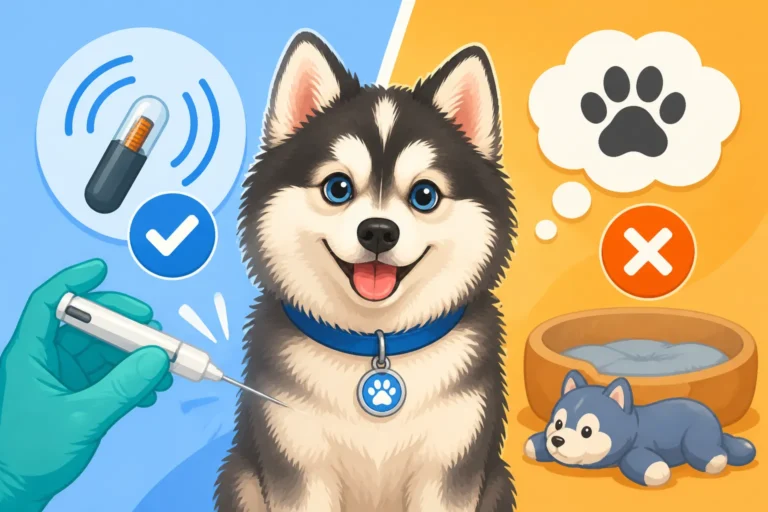
These are your Pomsky's silent guardians. A microchip is a tiny transponder, implanted under your dog's skin, that can be scanned by any vet or shelter to retrieve your contact information. It's a permanent form of identification that can't be lost, chewed off, or fall off. If your Pomsky does bolt and is found, the microchip is often the quickest way to reunite you. It's a low-cost, high-impact measure that every dog owner should take. In fact, it's so important that many advocate for Whether a Pomsky Should Be Microchipped Immediately.
In addition to a microchip, always ensure your Pomsky wears a collar with up-to-date ID tags. These tags should include your dog's name, your phone number, and potentially your address. Some owners even add a "reward if found" message to incentivize good Samaritans. While microchips are vital, a visible ID tag allows someone who finds your dog to contact you immediately without needing a scanner. Check these tags regularly to ensure the information is legible and the tag is securely attached.
Robust Recall Training
This is the holy grail for any Pomsky owner. A reliable recall, where your dog comes immediately when called, is the single most powerful tool against bolting. It requires consistent, positive reinforcement training from puppyhood. Start in a low-distraction environment, use high-value treats, and make coming to you the most exciting thing in the world. Gradually introduce distractions, always setting your dog up for success.
Practice your recall often, even when you don't need it. Use different tones of voice, different locations, and varying rewards. Enroll in obedience classes, either in-person or through online platforms like BAXTER & Bella, which offer comprehensive training programs that emphasize crucial skills like recall. Remember that Recall on a Pomsky Bred From a Dog That Runs is particularly challenging, given their instincts, but it's not impossible. Building a Recall a Pomsky Answers is a lifelong commitment, but one that can literally save your dog's life.
GPS Trackers for Peace of Mind
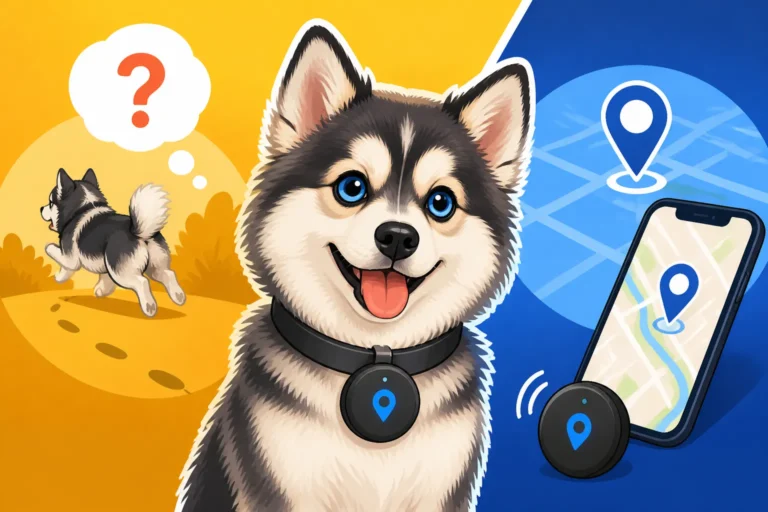
Even with the best training and security, accidents can happen. A gate might be left ajar, or a leash could break. For those moments, a GPS tracker offers an incredible layer of security. These small, lightweight devices attach to your dog's collar or harness and allow you to track their location in real-time via a smartphone app. Many offer features like geofencing (alerting you if your dog leaves a predefined safe zone) and activity monitoring.
While they come with a subscription fee and require charging, the peace of mind they offer is invaluable. If your Pomsky bolts, you won't be relying solely on sightings; you'll have a good idea of their direction of travel and current location. This can significantly reduce the time spent searching and the associated stress. It’s a worthwhile investment for any owner of an adventurous breed like a Pomsky. It really answers the question of Whether a Pomsky Should Have a GPS Tracker with a resounding yes for many owners. You can find a range of reliable GPS trackers on Amazon, often with different features and price points to suit your needs.
Dealing with the Aftermath and Long-Term Behavioral Changes
Finding your bolting Pomsky is a huge relief, but the journey doesn't end there. There's an aftermath to consider and important lessons to learn to prevent future incidents.
Health Check and Stress Reduction
Once your Pomsky is safely back, the first thing you should do is a thorough health check. Inspect them for any cuts, scrapes, thorns, or injuries they might have sustained during their adventure. Check their paws for tenderness or damage from running on hot pavement or rough terrain. If they seem unusually tired, limping, or have any visible injuries, contact your vet immediately. Even if they seem fine, it's a good idea to monitor them closely for the next 24-48 hours for any subtle changes in behavior or appetite.
Beyond physical checks, consider their emotional state. Escaping can be a stressful experience for some dogs, even if it started as an exciting romp. Provide a quiet, comfortable space for them to decompress. Offer fresh water and a favorite meal. Reassure them with gentle petting and calm words, but avoid excessive fuss, which can inadvertently reward the escape behavior. It's a tricky balance between showing love and not reinforcing the idea that running off leads to extra attention.
Reinforcing Boundaries and Training After an Escape
An escape, while frightening, can be a powerful learning experience – for both you and your Pomsky. It highlights weaknesses in your containment, supervision, or training. Use this opportunity to double down on your preventative measures. Inspect your yard again, perhaps adding coyote rollers to the fence or reinforcing gates. Re-evaluate your walking routine and consider a different type of harness or a double-leash system.
Most importantly, ramp up your recall training. If your Pomsky bolted, their recall clearly wasn't strong enough in that high-distraction, high-excitement scenario. Go back to basics in a controlled environment, focusing on making your come command absolutely bulletproof. Practice in various locations with increasing distractions. Every successful recall, especially when they could have chosen to ignore you, builds that vital connection and trust. Consider enrolling in an advanced obedience course, perhaps even an online one from BAXTER & Bella, to fine-tune these skills and get expert guidance on specific challenges your Pomsky presents. Remember, consistency is key, and every interaction is a training opportunity.
The Impact of Bolting on Trust and Safety
A bolting incident can unfortunately erode the trust between you and your Pomsky, and perhaps more importantly, between your dog and the wider world. Repeated escapes can lead to your dog being labeled a "runner," which might restrict their access to off-leash areas or even make it harder to find pet sitters. It also puts your dog in significant danger, from traffic accidents to encounters with aggressive wildlife or other dogs.
For your own peace of mind and your Pomsky's safety, it's essential to address the root causes of bolting. This might involve increasing their daily exercise to burn off excess energy, providing more mental stimulation with puzzle toys, or even working with a professional dog trainer or behaviorist. Understanding that Whether a Pomsky Can Ever Be Off Leash is a serious question for this breed, and for most, the answer is a firm no in uncontrolled environments, is vital. Prioritizing their safety through consistent management and training isn't just about preventing headaches; it's about ensuring a long, happy, and secure life for your adventurous Pomsky.
Comparison of Escape Prevention Methods
To help you visualize the different approaches to preventing a Pomsky from bolting, here's a quick comparison of common methods and their effectiveness.
| Method | Description | Pros | Cons |
|---|---|---|---|
| High Fencing (6ft+) | Physical barrier around yard, preventing jumps or climbs. | Highly effective physical deterrent; provides secure yard access. | Can be expensive to install; requires consistent maintenance. |
| Dig Guards/Concrete Footers | Physical barriers buried along fence line to prevent digging under. | Prevents tunneling; durable solution. | Labor-intensive to install; not always aesthetically pleasing. |
| Secure Harness & Double Leash | Specialized harness designed to prevent slipping, often paired with a secondary collar/leash connection. | Great for walks; significantly reduces leash escapes; immediate control. | Requires proper fitting; can still fail if gear breaks or is misused. |
| Reliable Recall Training | Teaching your Pomsky to come immediately when called, regardless of distractions. | Most empowering tool for owners; allows safe off-leash in controlled areas. | Requires immense consistency and high-value rewards; never 100% reliable. |
| Microchip & ID Tags | Permanent internal ID and visible external ID with owner contact information. | Best chance of reunion if lost; no ongoing effort once set up. | Does not prevent escape; relies on finder to act; tags can fall off. |
| GPS Tracker | Device on collar/harness that tracks dog's location in real-time via app. | Real-time location data; peace of mind; rapid recovery if lost. | Ongoing subscription costs; requires charging; can be damaged/lost. |
Disclaimer
This article is for general informational purposes only and does not constitute professional advice. Laws, prices and regulations vary by location and change over time. Consult a qualified professional for guidance on your specific situation.