What to Do in the First Hour a Pomsky Is Lost
The moment you realize your mischievous Pomsky isn't where they're supposed to be – whether the gate was left ajar, they slipped their leash, or simply vanished during an outdoor adventure – a cold wave of panic can wash over you. It's a horrible, gut-wrenching feeling. But in that crucial first hour, how you react can make all the difference in bringing your beloved furry friend back home. This guide will walk you through immediate, actionable steps to take when every second counts, helping you navigate the terrifying initial moments of a lost Pomsky situation.
The Immediate, Panicked Reaction and How to Override It
It's natural to feel utterly overwhelmed when you discover your Pomsky is missing. Your heart pounds, your mind races, and you might feel a paralyzing fear. But this is precisely when you need to take a deep breath and channel that energy into focused action. Pomskies, with their unique blend of Husky wanderlust and Pomeranian cleverness, can cover ground surprisingly quickly, or hide exceptionally well. Every minute you spend frozen in shock is a minute they could be moving further away or getting into trouble.
The Critical First Five Minutes: Don't Freeze
The very first moments after realizing your Pomsky is gone are perhaps the most critical. This isn't the time for a prolonged search of every nook and cranny inside your house; it's about securing the immediate perimeter and acting fast. First, confirm they are truly gone from the immediate area. Quickly check all rooms, under beds, in closets – places they might be hiding if startled or just being exceptionally quiet. Once you're sure they've exited the house or yard, don't waste another second. Your primary goal is containment and immediate recall.
Next, secure any open exits. Did a door swing open in the wind? Was the gate accidentally left unlatched? Close them all immediately to prevent any other pets from escaping or to ensure that if your Pomsky doubles back, they can't get out again. If you have children, immediately enlist their help, not in searching far afield, but in staying put and closing doors behind them. The faster you act in these initial minutes, the higher the chance your Pomsky is still very close by, perhaps just around the corner, investigating something new and exciting. This immediate, frantic burst of activity can feel chaotic, but it sets the stage for a more organized search.
Shouting and Searching: Where to Look First
Once the exits are secured, your voice is your most powerful tool. Start calling your Pomsky's name – loudly, clearly, and with a tone that sounds happy and inviting, not panicked or angry. Many dogs, especially those that are easily spooked or have a bit of that independent Husky streak, might bolt further if they sense fear or anger in your voice. Use familiar phrases or sounds you use to get their attention, like the crinkle of a treat bag, a specific whistle, or a happy, excited tone. Walk the immediate perimeter of your property, expanding slightly into direct neighbor's yards if you have a good relationship with them. Look under bushes, cars, and any other hiding spots.
Remember, Pomskies are notorious for being The Pomsky Escape Artist in a Twenty Pound Body, and they often don't just run away; they explore. They might have simply slipped out to chase a squirrel, investigate a new smell, or greet a passing dog. Focus your initial search on these immediate, high-interest areas. Listen intently for any tell-tale sounds: a distant bark, a little howl, or the jingle of their collar. If your Pomsky has a favorite squeaky toy, grab it and make some noise. The familiar sound might trigger their curiosity and draw them back. Don't be shy about shouting their name; you need to make your presence known.
Mobilizing Resources: Spreading the Word Fast
The first hour is a sprint, but it's also about laying the groundwork for a broader search if your Pomsky isn't found immediately. You need to leverage every resource at your disposal, both human and technological, to maximize your chances of a swift reunion. Waiting even an hour to spread the word can significantly reduce visibility.
The Power of Social Media and Local Networks
In today's connected world, social media is an incredibly powerful tool for a lost pet. As soon as you've completed your immediate physical search of your property, grab your phone. Create a concise, clear post with a recent, high-quality photo of your Pomsky. Include their name, the exact time and location they were last seen, any distinguishing features (like specific markings, eye color, or the fact they might be wearing Whether a Pomsky Slips a Collar or a specific harness), and a contact number. State clearly that they are missing and ask people to share. Emphasize not to chase them, but to call you immediately if sighted. Many dogs, especially those with an independent streak, might see being chased as a game or become frightened and run further.
Post this message on all relevant local social media groups: your neighborhood's Facebook group, Nextdoor, local lost pet pages, and any breed-specific Pomsky groups you might be part of. The faster this information gets out, the more eyes are actively looking in your immediate area. You might not be ordering a physical sign from Amazon in the first hour, but the speed of digital sharing is your biggest asset right now. Think of it as an instant digital alert system for your community, mobilizing an army of local dog lovers to keep an eye out.
Contacting Local Animal Shelters and Vets
While it might seem premature in the first hour, making initial contact with local animal shelters, humane societies, and veterinary clinics is crucial. Most won't have your dog yet, but getting your information on their radar is important. Call them and provide a description of your Pomsky, emphasizing that they were just lost. Leave your contact information. If you're lucky enough to have a good photo on your phone, offer to email it to them. Some offices have after-hours answering services or emergency lines, so try those if it's outside regular business hours.
This step is doubly important if your Pomsky is microchipped. Double-check that your contact information registered with the microchip company is completely up-to-date. A quick call to the microchip registry (the number is usually on your dog's vet records) can confirm this. If a kind stranger finds your Pomsky and takes them to a vet or shelter, the microchip is often the first thing they'll scan. It’s your dog's permanent ID, and an unregistered or outdated microchip is practically useless. This proactive step can shave hours off the reunion process if your Pomsky is found by someone else. Remember, Whether a Pomsky Should Be Microchipped Immediately is vital preventative advice that pays off in moments like these.
Setting Up a "Home Base" Scent Trail
Pomskies have an incredible sense of smell, inherited from their Husky lineage. You can use this to your advantage, even in the first hour. If your dog isn't responding to calls or you suspect they've wandered a bit further, create a "scent station" at the point they went missing or your front door. Place a strongly scented item that belongs to you or your Pomsky outside. This could be an unwashed t-shirt you've worn, their unwashed dog bed, or even their favorite blanket. The familiar scent can act as a beacon, potentially guiding a confused or lost Pomsky back to a recognized, safe spot.
Pair this with some high-value, smelly food. This isn't their regular kibble; think about something really enticing like a bit of warmed-up wet food, a strong-smelling treat, or even a piece of cooked chicken (if safe for them). Place a bowl of water too, as a thirsty dog might be drawn to it. Leave these items in a sheltered spot, if possible, where they won't be immediately disturbed by other animals or the elements. This creates a strong sensory anchor that could draw your Pomsky back home, especially if they are feeling disoriented or scared.
The Search Strategy: Practical Steps for the First 60 Minutes
With the initial shock managed and digital alerts sent, it’s time to fine-tune your physical search within that critical first hour. Your Pomsky isn't just going to appear; you need a strategic approach to cover ground effectively.
Expanding Your Physical Search Perimeter
After thoroughly checking your immediate property, it’s time to broaden your search. Don't just wander aimlessly; think like a Pomsky. Where would they go? Consider areas of interest: other dogs being walked, neighborhood children playing, nearby parks or walking trails, or even just interesting smells coming from a neighbor's barbecue. Walk (don't drive, if possible, as you'll miss too much) in ever-widening circles from the point your Pomsky was last seen. Call their name, shake that treat bag, and listen.
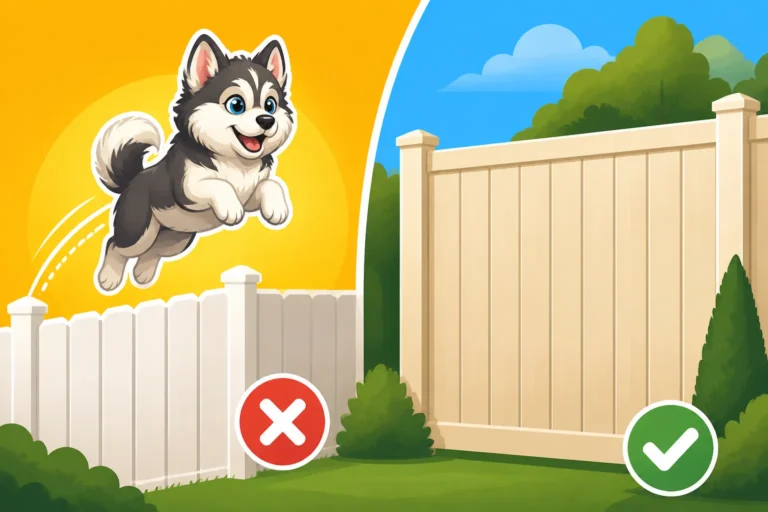
Be methodical. Walk down one side of the street, then back up the other. Check every alleyway, every yard (if you have permission or it's visible from the street), and under every parked car. If you live near any bodies of water or dense foliage, scan those areas from a safe distance, but exercise caution. Pomskies are naturally curious and athletic, often capable of feats like How High a Pomsky Can Jump a Fence, so don't underestimate their ability to get into places you wouldn't expect. If you have any family members or friends who can help, assign them different search zones, all radiating out from your home.
Utilizing Scent and Sound Cues
Your voice and familiar sounds are powerful attractants. If you've spent time on Building a Recall a Pomsky Answers, now is the moment to put that training to the test. Use the same happy, encouraging tone and specific recall words you've always used. Carry a small container of their absolute favorite, high-value treats – not just a few, but a good handful. If you’ve invested in quality training supplies from trusted sources like BAXTER & Bella, those special treats might be just the incentive your Pomsky needs to overcome their curiosity and return. The strong smell of these treats carried on the wind can sometimes travel further than your voice, especially for a dog with a keen sense of smell.
Keep an eye out for any subtle clues. Did they knock over a trash can? Are there fresh paw prints in a muddy patch? Did a neighbor's dog suddenly become very agitated or start barking in a particular direction? These small details can offer vital clues as to which way your Pomsky might have headed. Many Pomskies love to "talk" rather than bark, so listen for any unique vocalizations you recognize. Sometimes a frightened dog will respond to a calm, gentle whisper rather than a loud shout, so vary your approach.
What to Avoid Doing
In the panic of the first hour, it's easy to make mistakes that could hinder your efforts. The absolute most important thing to avoid is chasing your Pomsky if you spot them. For a dog that might be scared, disoriented, or even thinking it's a game, being chased will almost certainly make them run further and faster. Instead, if you see them, crouch down, turn slightly sideways (to appear less threatening), and call them in a happy, inviting voice. Entice them with treats or their favorite toy.
Also, try not to give up hope. The first hour is intense, but many dogs are found close to home, often hiding or just exploring. Avoid getting into arguments or blaming others; all energy needs to be focused on the search. While it's vital to alert people, don't overwhelm yourself with too many opinions or conflicting advice in this immediate window. Stick to your action plan, remain as calm as you can, and trust your instincts about your own dog.
Preparing for Longer-Term Search (Even in the First Hour)
Even if you’re still actively searching in that crucial first sixty minutes, it's smart to have a mental blueprint for what comes next. Some preparation for a longer search can be done very quickly, even while your adrenaline is pumping.
Creating Physical Flyers (Even if Digital is Faster)
While digital sharing is your fastest initial move, having a plan for physical flyers is important for sustained efforts. In the first hour, you might not have time to print them, but mentally prepare what you'll include. A clear, recent photo is paramount. Make the text large and easy to read, including "LOST DOG" or "MISSING POMSKY" at the top. Your phone number should be prominently displayed. Crucially, add a line advising people not to chase but to call you immediately with the dog's location.
If you have a printer at home, you could quickly print a few rudimentary signs even in the first hour to put on immediate street corners or lampposts. If not, make a note to head to a local print shop or library as soon as the first hour is up, armed with your digital photo and text. Having these ready will save valuable time later if the initial search isn't successful.
Checking Microchip and Collar Information
This can be a quick check you do while making those initial phone calls to vets. Take a moment to look at your Pomsky's collar tag. Is the phone number legible and correct? Is there an address? If not, make a note to get a new tag immediately once your dog is home. A simple tag is often the quickest way for someone who finds your dog to contact you, often bypassing the need for a microchip scan entirely. Many Pomskies are active and can wear down tags, or lose them entirely.
Beyond the physical tag, reiterate the importance of the microchip. Hopefully, you registered it when you got your dog and have kept the information updated. If you haven't, or you're unsure, put a reminder on your urgent mental to-do list to rectify this as soon as your Pomsky is safe at home. For future prevention, also consider if a Whether a Pomsky Should Have a GPS Tracker might be a valuable investment, especially given their inclination to roam. While not a "first hour" solution for recovery, it's something to think about to prevent the agonizing experience from happening again. Every layer of identification increases the chances of a happy reunion. After all, the ultimate goal isn't just to find them, but to ensure they stay home safely, understanding why Whether a Pomsky Runs If a Door Opens is such a critical behavioral trait to manage.
| Timeframe | Action Category | Specific Steps & Details |
|---|---|---|
| 0-15 minutes | Immediate Containment & Shout | Confirm absence, secure all open exits (doors, gates). Shout Pomsky's name in a happy, inviting tone around your property. |
| 15-30 minutes | Alert Family & Go Digital | Get family/housemates to help. Create a clear "Lost Dog" social media post (photo, last seen, contact, description). Share on local groups. |
| 30-45 minutes | Contact Professionals & Scent | Call local animal shelters and vet clinics, providing description. Verify microchip contact details. Place unwashed owner/dog items & high-value smelly food outside. |
| 45-60 minutes | Expand Search & Utilize Cues | Walk ever-widening circles from last known location. Use familiar calls/whistles, shake treat bag. Avoid chasing if sighted; crouch and entice. |
| First Hour – Ongoing | Prepare for Longer Term | Mentally plan physical flyer content. Recheck collar tag information for accuracy and legibility. Consider preventative measures like a Why a Pomsky Should Wear a Harness instead of a collar, or a GPS tracker for the future. |
Disclaimer
This article is for general informational purposes only and does not constitute professional advice. Laws, prices and regulations vary by location and change over time. Consult a qualified professional for guidance on your specific situation.