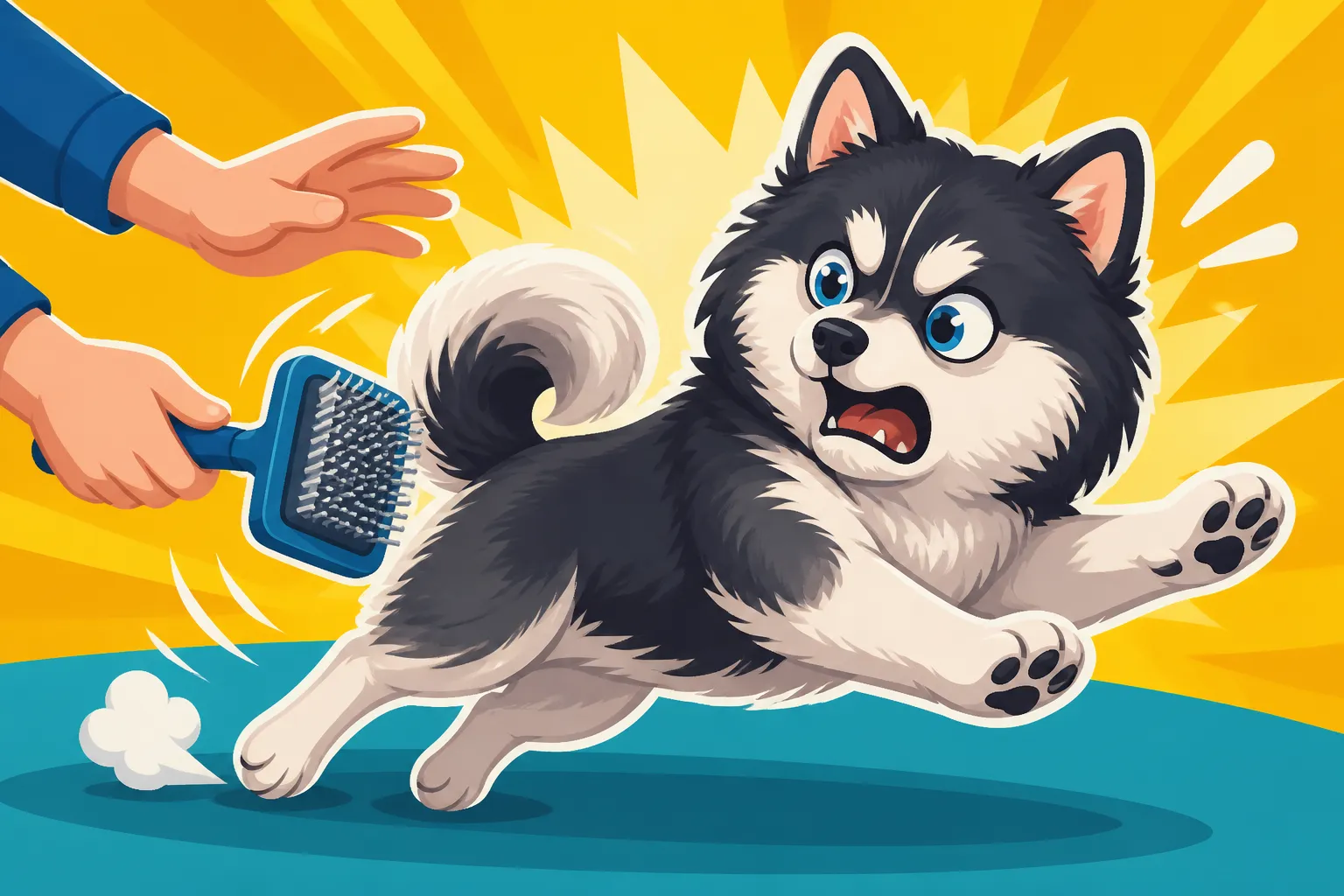
A Pomsky That Fights Being Brushed
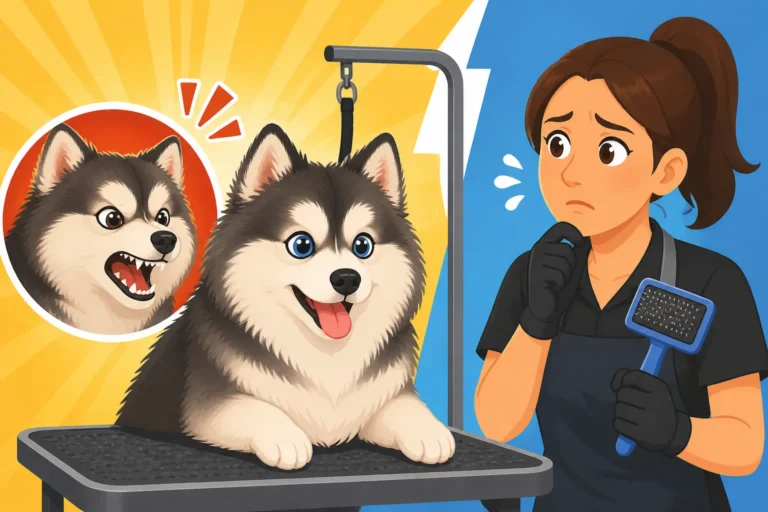
Having a Pomsky is an absolute joy, but let's be real – that gorgeous double coat? It comes with a responsibility, and often, a battle. Many Pomsky owners find themselves utterly frustrated when their fluffy companion turns into a wriggling, snapping, or outright fleeing Houdini every time the brush comes out. This guide is here to walk you through understanding why your Pomsky might be fighting the brush and, more importantly, how to turn grooming time into a positive, bonding experience for both of you.
Understanding Why Your Pomsky Hates Being Brushed
It's easy to take it personally when your beloved dog acts like the brush is an instrument of torture, but there are usually very good reasons behind their resistance. It's not about being "bad"; it's about communication, past experiences, and sometimes, discomfort.
Early Experiences and Trauma
Think about how your Pomsky learned about brushing. Was it during a stressful puppy groomer visit where they were held down? Did a previous owner try to force them to stand still? Puppies, much like human children, absorb experiences quickly, and a negative early encounter with grooming tools can create a lasting aversion. If they associate the brush with fear, pain, or being overwhelmed, it's completely understandable that they would fight to avoid it.
Even if you've had your Pomsky since they were a tiny fluffball, perhaps that initial interaction was rushed or perhaps a painful mat was pulled accidentally. These early moments, even seemingly minor ones, can lay the groundwork for a deep-seated distrust of the grooming process. It's not about them being stubborn, it's about their memory of something unpleasant, and their instinct to protect themselves from a repeat performance.
Instinctive Reactions to Restraint
Both the Siberian Husky and the Pomeranian, the parent breeds of your Pomsky, possess a strong independent streak. Huskies are known for their stubbornness and aversion to being held still, often preferring to make their own choices. Pomeranians, while smaller, can be equally feisty and sensitive to perceived threats or discomfort. When you combine these traits, you get a Pomsky who might naturally resist being constrained or held against their will.
Forcing a Pomsky into a position they don't want to be in can trigger their natural fight-or-flight response. They might wriggle, nip, or try to escape not because they're being mean, but because they feel trapped and instinctively want to regain control of their body. This isn't just about the brush itself; it's about the act of you holding them, touching them in certain ways, and essentially, "making" them do something. Understanding this innate desire for autonomy is key to approaching grooming from a place of respect rather than confrontation.
Pain or Discomfort
Sometimes, the resistance isn't psychological; it's purely physical. Your Pomsky might be hurting! Mats and tangles can be incredibly painful, especially when they're pulled or brushed through without care. If a brush catches a tight mat near the skin, it can feel like a sharp tug, causing immediate discomfort and making your dog associate the brush with pain. This is particularly true for Pomskies with thicker, woolier coats, which are prone to matting.
Beyond mats, underlying skin conditions can make brushing unbearable. Hot Spots Under a Pomsky's Undercoat are notorious for being intensely itchy and painful. Allergies, dry skin, flea bites, or even a hidden wound could be making your Pomsky's skin sensitive. Imagine having a sunburn and someone trying to rub a brush over it – you'd probably fight them too! If your Pomsky suddenly develops a strong aversion to brushing, or if they vocalize pain or try to bite when touched in certain areas, a vet visit is definitely in order to rule out any medical issues.
Essential Tools and Techniques for a Positive Experience
Okay, so we understand why they might be resisting. Now, let's talk about turning things around. It all starts with having the right equipment and approaching the task with patience and positivity.
Choosing the Right Brushes for a Pomsky's Coat
A Pomsky's magnificent double coat, inherited from both parent breeds, is designed to protect them from the elements. This means it has a soft, dense undercoat and a longer, coarser outer coat, also known as guard hairs. Simply put, you can't use just any brush. A cheap slicker brush or a basic bristle brush won't cut it and can actually cause more discomfort than good by not reaching the undercoat or pulling at the guard hairs.
For most Pomskies, you'll need a combination of tools:
- Pin Brush: Great for general detangling and getting through the top coat.
- Slicker Brush: Essential for fluffing out the coat and removing loose hair, especially from the longer areas. Choose one with fine, bent wire bristles.
- Undercoat Rake: This is your secret weapon for a double-coated breed. It's designed to reach deep into the undercoat and pull out shedding fur without damaging the guard hairs. Look for one with rotating pins, which can be gentler. You'll literally live by The Undercoat Rake a Pomsky Owner Lives With.
- Metal Comb: A good quality, wide-toothed metal comb is crucial for checking your work and finding any hidden tangles or mats after brushing.
Using the correct tools ensures efficiency and minimizes pulling, which is key to making the experience more comfortable for your Pomsky. Trying to tackle a thick undercoat with only a pin brush is like trying to rake a lawn with a fork – frustrating for you and potentially painful for your dog.
Creating a Calm and Safe Environment
The setting for your grooming session is just as important as the tools you use. If you try to brush your Pomsky in a chaotic, noisy environment, they're already on edge. Instead, aim to create a zen zone. This might mean choosing a quiet room, playing soft music, or simply ensuring no other pets or children are creating distractions.
Consider where you're brushing them. Some dogs feel more secure on a non-slip mat on the floor, while others might tolerate a grooming table if they've been properly introduced and desensitized to it. The key is to make it a predictable, low-stress experience. Have high-value treats ready, not just as a reward, but as a distraction. A lick mat smeared with peanut butter or plain yogurt can keep them happily occupied for several minutes, allowing you to get some brushing done without their full attention being on the brush. Remember, it's about gentle reassurance and positive associations.
The Power of Desensitization and Counter-Conditioning
This is the cornerstone of turning a negative grooming experience into a positive one. Desensitization means gradually exposing your Pomsky to the brush and the act of brushing in a way that doesn't trigger their fear or anxiety. Counter-conditioning means changing their emotional response to the brush from negative to positive.
Start small. Seriously, tiny. Don't even brush them at first. Just bring the brush into the room. Let them sniff it. If they show curiosity or no negative reaction, reward them with a treat. Repeat this. Then, touch the brush gently to their body, just for a second, in a non-sensitive area like their shoulder or flank. Immediately reward with a high-value treat. Don't press, don't brush. Just touch.
Over days, or even weeks, gradually increase the duration and intensity. One stroke, then treat. Two strokes, then treat. Always stop before they get uncomfortable, not after. The goal is for them to associate the sight and feel of the brush with delicious rewards and positive attention. This process can be slow, but it builds trust and changes their emotional response at a fundamental level. Online training platforms like BAXTER & Bella offer excellent guidance and structured programs for desensitizing dogs to grooming tools and handling, which can be a huge help if you're feeling lost.
Step-by-Step Approach to Brushing a Resistant Pomsky
Once you've got your tools and a positive mindset, it's time to put it into practice. Remember, patience is your most important tool here.
Starting Small: Tiny Sessions, Rewarding, Building Trust
As mentioned with desensitization, the golden rule here is "less is more" initially. Your goal isn't to get a full brush-out done in one go; it's to create a positive association with even the idea of brushing. Start with sessions that last literally seconds. One brush stroke, followed by a treat and praise. That's it. Repeat this a few times, then end the session on a positive note. You want your Pomsky to think, "Oh, brushing means good things happen, and it's over quickly!"
Choose an area to start that your Pomsky is least sensitive about, typically the shoulders or chest. Avoid areas that might be ticklish or have hidden mats. As they get comfortable with a few strokes in one area, you can slowly move to another. The absolute key is to stop before they show signs of stress or discomfort. If you push too far, you undo all your hard work. Always aim to finish the session while they are still happy and cooperative.
Gradual Increase in Duration and Pressure
Once your Pomsky tolerates a few gentle strokes without resistance, you can begin to increase the duration of each stroke or the number of strokes you do before offering a treat. Instead of one stroke, then treat, try two strokes, then treat. Then three. Maybe you brush for 10 seconds, then treat, then 15 seconds. This is where you really start to make progress.
You can also gradually increase the pressure of the brush, making sure it's firm enough to get through the undercoat but never painful. Use smooth, consistent strokes, always brushing in the direction of hair growth. If you encounter a snag, stop immediately, identify the tangle, and address it separately rather than yanking the brush through. This slow, methodical approach helps your Pomsky build confidence that grooming won't hurt, and that their cooperation will always be rewarded. This process of Getting a Pomsky Used to the Undercoat Rake is particularly vital given their double coat.
Addressing Mats and Tangles Carefully
Mats are the arch-nemesis of a double-coated dog owner. If your Pomsky is already resistant to brushing, encountering a painful mat will set you back considerably. Prevention is always better than cure, so regular brushing is essential. However, if you do find mats, tackle them with extreme care.
First, identify the mat. Gently separate the hair around it with your fingers. You can use a detangling spray designed for dogs to help loosen the hair. Never try to brush through a tight mat with a slicker brush or rake – this will only cause pain and tighten the mat further. Instead, use the end of a metal comb or a special mat splitter tool to carefully work the mat apart, strand by tiny strand, starting from the outside edge and working your way inward.
If a mat is very tight and close to the skin, it might be safer to cut it out. Always use blunt-nosed scissors, pointing them away from the skin, and slip a comb between the mat and the skin as a guard. Better yet, if mats are severe or your Pomsky is highly sensitive, consider a professional groomer. They have specialized tools and techniques to remove mats safely and with minimal stress. Knowing Whether a Wooly Pomsky Mats can help you be proactive.
Here's a quick comparison of brushing techniques:
| Technique | Description | Best For | Notes |
|---|---|---|---|
| Line Brushing | Parting the coat in small sections, brushing from the skin out, layer by layer. | Dense undercoats, thorough deshedding, preventing mats. | Ensures you reach the skin. Crucial for Pomskies. |
| Pin Brush Grooming | General detangling and smoothing the top coat. | Daily maintenance, puppies, less dense coats. | Won't get deep into a thick undercoat, use in conjunction with other tools. |
| Slicker Brush Grooming | Removing loose undercoat, fluffing the coat. | Heavy shedding periods, finishing touches. | Use gentle, outward strokes. Can be painful if pressed too hard on skin or pulled through mats. |
| Raking | Using an undercoat rake to pull out dead undercoat. | Seasonal shedding (blowing coat), preventing mats in dense coats. | Essential for Pomskies. Go slow, don't dig into the skin. |
| Mat Splitting | Using a mat splitter or blunt scissors to carefully break apart tight mats. | Existing mats and tangles. | Never pull; always protect skin. When in doubt, see a professional. |
When Professional Help Becomes Necessary
Sometimes, despite your best efforts, you might hit a wall. There's no shame in seeking professional help; in fact, it's often the kindest thing you can do for your Pomsky and your sanity.
Recognizing When You're Out of Your Depth
It's okay to admit that you're struggling. If grooming sessions consistently end with you feeling frustrated and your Pomsky feeling stressed, it's time to consider professional intervention. Signs that you might be out of your depth include:
- Aggression: Your Pomsky growls, snaps, or bites at you or the brush. Whether a Pomsky Bites the Groomer is a serious concern, but if they're biting you, it's even more urgent to seek help.
- Severe Matting: The mats are too numerous, too tight, or too close to the skin for you to safely remove.
- Persistent Fear/Anxiety: Despite your efforts with desensitization, your Pomsky consistently hides, trembles, or attempts to escape at the sight of grooming tools.
- Time Constraints: You simply don't have the time to dedicate to the slow, patient process required for a very resistant dog.
In these situations, forcing the issue will only worsen your Pomsky's fear and damage your bond. A professional groomer has the experience, tools, and often, the detached patience needed to work through these issues.
Finding a Fear-Free Groomer
Not all groomers are created equal, especially when dealing with a fearful or aggressive dog. Look for a groomer who emphasizes a "fear-free" approach. These professionals use positive reinforcement, gentle handling, and often specialized techniques (like allowing dogs to stand on the floor rather than a high table) to minimize stress.
When researching groomers, ask specific questions:
- Do they use positive reinforcement and treats?
- What is their approach to fearful dogs?
- Do they offer "express" grooming or shorter sessions for anxious pets?
- Are they willing to do "happy visits" where your Pomsky just comes in, gets treats, and leaves without being groomed?
- Do they have experience with double-coated breeds and managing their shedding?
- What is their policy on muzzling a fearful dog? (Sometimes a muzzle, if properly introduced, can actually reduce stress by ensuring safety for both dog and groomer, but it should never be used as punishment). You might even ask Whether a Pomsky Should Be Muzzled to Be Brushed to see their philosophy.
A good fear-free groomer can make an incredible difference, often achieving in one session what you might struggle with for weeks at home, simply because they are experts in canine body language and gentle handling. They can also provide valuable advice for at-home maintenance. What a Deshedding Treatment Costs on a Pomsky will give you an idea of the expense, but for a truly difficult case, it's money well spent.
The Role of Your Veterinarian
If your Pomsky suddenly develops a strong aversion to being brushed, or if they show signs of pain, tenderness, or aggression during grooming, your first call should be to your veterinarian. As we discussed earlier, underlying medical issues could be the root cause.
Your vet can perform a thorough examination to rule out:
- Skin conditions: Allergies, infections, hot spots, or parasites.
- Musculoskeletal pain: Arthritis, back issues, or other injuries that make standing or being touched uncomfortable. Slipping Kneecaps in a Pomsky or Hip Dysplasia in a Twenty Pound Pomsky could make certain positions painful.
- Other internal issues: Though less common, any internal discomfort could manifest as grumpiness and resistance to handling.
Your vet can also provide guidance on sedation options if grooming is absolutely necessary (e.g., for severe matting) and your Pomsky is highly stressed. This is usually a last resort, but knowing it's an option can provide peace of mind. They can also recommend specialty veterinary dermatologists if skin issues are complex. What a Skin Workup Costs on a Pomsky can give you an idea of the expense of diagnostic tests.
Long-Term Strategies for a Lifetime of Happy Grooming
Once you've navigated the initial hurdles, establishing a consistent, positive routine is key to ensuring that grooming remains a manageable and even enjoyable part of your Pomsky's life.
Consistency and Routine
Dogs thrive on routine and predictability. Making grooming a regular part of your Pomsky's schedule helps them understand what to expect and reduces anxiety. Don't just brush when they're shedding heavily or when mats appear; incorporate short, pleasant brushing sessions several times a week, even if it's just for a few minutes.
Choose a specific time of day when both you and your Pomsky are relaxed. Maybe after their morning walk when they're tired, or in the evening while you're watching TV. The consistency isn't just about the act of brushing; it's about the entire ritual – getting the tools out, going to the designated spot, getting treats, and then putting everything away. This predictability helps your Pomsky settle into the routine. Remember, Teaching a Pomsky to Be Brushed is an ongoing process, not a one-time fix.
Positive Reinforcement Beyond Brushing
The bond you share with your Pomsky is the foundation for everything, including grooming. Continue to use positive reinforcement in all your interactions. This means rewarding good behavior, celebrating small successes, and always being patient and gentle. Grooming shouldn't be an isolated event of "forced attention"; it should be an extension of the trust and positive relationship you've built.
Use praise, happy voices, and high-value treats not just during brushing, but for any cooperative behavior. This reinforces that being handled, touched, and staying calm around you leads to good things. Engage in training sessions that build focus and self-control, like "stay" or "down," which can translate into better cooperation during grooming. Think of grooming as another form of training, where clear communication and rewards lead to success.
Maintaining Overall Coat Health
A healthy coat is easier to brush and less prone to matting and skin issues. Good nutrition plays a significant role. Ensure your Pomsky is on a high-quality dog food appropriate for their life stage and size. Some Pomskies, particularly those with a strong Husky lineage, can benefit from a diet that supports skin and coat health, sometimes requiring extra supplementation. For example, Whether a Pomsky's Diet Needs More Zinc Than Most is a valid concern for some.
Consider adding omega-3 fatty acid supplements (like fish oil) to their diet, which can promote healthy skin and a shiny coat. Regular bathing with appropriate dog shampoo (but not too often, to avoid stripping natural oils) helps keep the coat clean and manageable. How Often a Pomsky Should Be Bathed is a common question, and finding the right balance is key. Using a force dryer after baths, if your Pomsky tolerates it, can also help blow out loose undercoat and prevent matting. Regular check-ups with your vet will also ensure any underlying health issues affecting their coat are caught early.
Common Mistakes to Avoid
In the heat of the moment, or out of sheer desperation, it's easy to fall into traps that actually make the brushing battle worse. Be mindful of these common pitfalls.
Forcing or Punishing Your Pomsky
This is perhaps the biggest mistake you can make. If your Pomsky is struggling, growling, or trying to escape, never resort to physical force, harsh words, or punishment. This will only confirm their fears that the brush is a negative experience and that you are not to be trusted during these times. They will learn to associate the brush with pain, fear, and conflict, making future sessions even harder, if not impossible.
Instead of force, step back. Take a break. Re-evaluate your approach. Perhaps the session was too long, or you hit a sensitive spot. Maybe they're not in the right mood. End on a neutral note if possible, or try a tiny, positive interaction (one pet, one treat) before you totally disengage. Remember, you're trying to build a positive association, and punishment will shatter that trust instantly. It might feel like it "works" in the short term by physically overpowering them, but it creates deep emotional scars that are incredibly difficult to heal.
Neglecting Regular Grooming
It's a vicious cycle: your Pomsky hates brushing, so you avoid it. But avoiding it means their coat gets more tangled, mats form, and then when you do try to brush, it's even more painful and difficult. This reinforces their hatred of the brush. For a double-coated breed like a Pomsky, neglecting regular grooming is not an option. Their undercoat will mat, collect debris, and can lead to serious skin problems.
Commit to a schedule, even if it's just two short, positive sessions a week. Think of it as preventative maintenance. These short sessions can prevent larger, more painful issues, making the overall experience more manageable for everyone. Even during non-shedding periods, a quick brush-through keeps the coat healthy and maintains the positive association.
Using the Wrong Tools
We touched on this earlier, but it bears repeating. Using brushes that aren't designed for a double-coated dog is a recipe for disaster. A brush that merely skims the top coat won't remove the shedding undercoat, leading to matting. A brush that's too harsh or has sharp bristles can scratch the skin or pull hair painfully.
Invest in good quality tools specifically recommended for double-coated breeds. An undercoat rake, a sturdy slicker brush, and a metal comb are non-negotiables for a Pomsky owner. Buying cheap or incorrect tools in an attempt to save money will likely lead to more frustration, more pain for your dog, and ultimately, more expense when you have to take them to a professional to fix the resulting matting. Brands often make specific tools for different coat types, and a quick search on Amazon for "double coat undercoat rake" will show you the types of tools you need. Do your research and make sure you're equipped for success.
Disclaimer
This article is for general informational purposes only and does not constitute professional advice. Laws, prices and regulations vary by location and change over time. Consult a qualified professional for guidance on your specific situation.