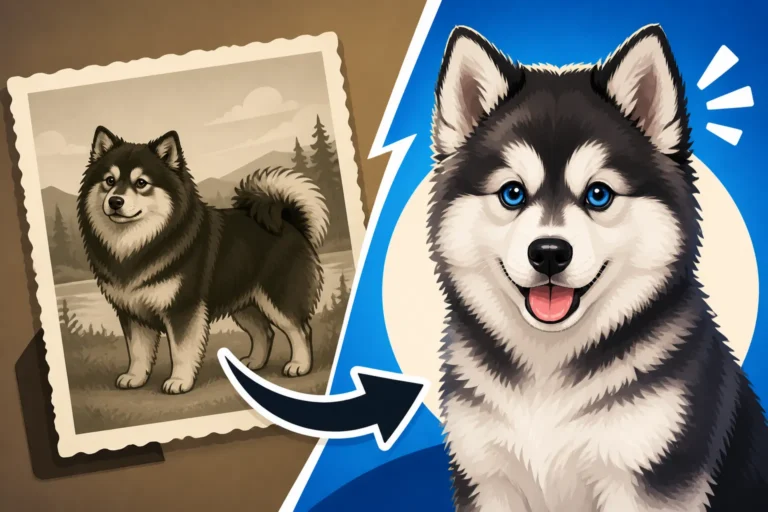
The Year the First American Pomsky Litter Was Born
Ah, the Pomsky! For many, the journey to finding one of these captivating dogs began with a flurry of internet photos and a dream of a miniature Husky. But the path from viral sensation to actual, breathing puppies was anything but straightforward, especially here in America. This guide dives deep into that pivotal moment, exploring the year the very first American Pomsky litter truly came into existence, and what it meant for the future of this unique crossbreed.
The Genesis of the Pomsky Craze: Setting the Stage for the First Litter
Before we dive into the actual birth year, it’s crucial to understand the environment that made the Pomsky such a sought-after dog. It wasn't just a quiet development in the kennels; it was a phenomenon born largely out of internet virality and a collective desire for a specific aesthetic. People saw these adorable pictures online and immediately wanted one, often without fully grasping the complexities of creating such a cross.
The Viral Photos That Sparked a Phenomenon
The story often begins a little earlier than the first American litter, typically around 2011. This was the year when a few images of incredibly cute, fluffy, miniature Husky-like dogs began circulating wildly across social media platforms. These pictures quickly went viral, igniting a fervent desire in countless dog lovers. The problem? Many of these initial viral photos were actually of Alaskan Klee Kai or even cleverly Photoshopped images, not actual Pomskies. But the damage, or perhaps the demand, was done. People saw these charming faces, often with striking blue eyes and classic Husky markings, and their hearts were captured. They didn't just want a dog; they wanted that dog, the one that looked like a tiny Husky. This created an unprecedented public clamor for a breed that, in a standardized form, didn't quite exist yet. The idea of a smaller, more manageable version of the majestic Siberian Husky, mixed with the playful personality of a Pomeranian, was simply irresistible to many. It set the stage for breeders to attempt to fulfill this burgeoning demand, turning a digital fantasy into a tangible reality. The viral sensation proved that the market was ripe, almost begging, for the existence of this designer crossbreed. The 2011 Photos That Were Not Pomskies details this early misinformation.
The Unrealistic Expectations and Breeder Challenges
With such intense, internet-fueled demand came a wave of unrealistic expectations. Many prospective owners envisioned a dog that was essentially a carbon copy of a Husky, just scaled down, perfectly suited for apartment living and less intense exercise. They imagined a fluffy, blue-eyed companion without necessarily considering the potential health, temperament, or behavioral traits that could arise from mixing two distinct breeds. This put immense pressure on early breeders. They weren't just creating a new crossbreed; they were trying to match a public image that was, in many ways, an idealized fantasy. The physical differences between a Siberian Husky and a Pomeranian are vast, making natural breeding impossible and raising significant ethical and logistical challenges. It’s not simply a matter of putting two dogs together and hoping for the best. The size disparity between a female Husky (who typically must be the dam) and a male Pomeranian (the sire) means that natural conception is unsafe and impractical. This inherent biological hurdle meant that conventional breeding methods were out of the question, leading to a specialized and often costly approach right from the start.
The Groundbreaking Moment: The Birth of the First American Pomsky Litter
Against this backdrop of viral fame and considerable breeding hurdles, dedicated individuals began the painstaking work of making the Pomsky a reality. It was a journey of careful planning, veterinary involvement, and a good deal of pioneering spirit.
Identifying the Pioneer Breeders and the Year 2012
While stories and claims of early Pomsky breeding exist, the consensus among reputable breeders and enthusiasts points to 2012 as the pivotal year for the first documented American Pomsky litter. This wasn't a nationwide, simultaneous event; rather, it was the result of specific breeders, often in different parts of the country, taking on the challenge. One of the most frequently cited pioneers in the Pomsky world is Tavares Pomeranians (sometimes known as T & C Pomskies or similar variations, depending on the historical accounts), credited with producing one of the earliest, if not the earliest, successful litters in the United States. Located in Arizona, this breeder's efforts marked a significant milestone. Another name often mentioned in early discussions is Shelley Stover of Arctic Design Pomskies in the Pacific Northwest. These individuals, and perhaps a few others, were at the forefront of what would become a rapidly expanding industry. They took on the financial and logistical burden of bringing these dogs into the world, demonstrating that the "miniature Husky" wasn't just a pretty picture, but a living, breathing possibility. Without their dedication in 2012, the Pomsky might have remained merely an internet myth or a fringe endeavor. Their work laid the foundation for the entire American Pomsky breeding community that exists today.
The Intricacies of Artificial Insemination (AI)
The reason the 2012 litters were so significant, and frankly, why Pomskies couldn't just "happen" in a backyard, lies in the essential role of artificial insemination. As mentioned, the size difference between a female Siberian Husky and a male Pomeranian makes natural breeding not only impossible but also dangerous for both dogs. To ensure the safety of the dam and the successful conception of puppies, artificial insemination (AI) is the only viable method. This process is far more complex and costly than natural breeding. It involves careful timing of the female Husky’s ovulation cycle, typically through progesterone testing, and then the collection of semen from the male Pomeranian. This semen is then expertly inserted into the female. The procedure often requires the expertise of a veterinarian specializing in canine reproduction, adding substantially to the cost and complexity of a litter. Early breeders, therefore, weren't just dog owners; they were also navigating advanced veterinary procedures, ensuring proper medical care for their breeding dogs throughout the process. This rigorous, vet-supervised approach differentiates responsible Pomsky breeding from casual crossbreeding, highlighting the investment and commitment required from the very beginning. Why a Pomsky Requires Artificial Insemination explores this in more detail.
The Immediate Aftermath: What Came Next for the Early Pomskies
The birth of these first litters in 2012 didn't just solve the "can it be done?" question; it opened the floodgates for further development, intense public interest, and the inevitable challenges that come with a burgeoning new crossbreed.
Public Reaction and the Rise of Dedicated Breeding Programs
Once the reality of American-bred Pomskies became clear, public interest skyrocketed even further. People who had only dreamed of these dogs now saw that they were truly available. This fueled a rapid increase in demand, which, in turn, led to the establishment of more dedicated breeding programs across the country. Early adopters of these puppies became ambassadors for the crossbreed, sharing their experiences and further popularizing the Pomsky. The internet, which had created the initial demand, now became a platform for connecting potential buyers with legitimate breeders. Groups and forums dedicated to Pomskies began to form, allowing owners to share tips, celebrate their new companions, and discuss the unique quirks of the breed. This organic growth was a testament to the Pomsky's appeal. However, this boom also brought its own set of problems. With high demand, unfortunately, come less scrupulous individuals looking to make a quick profit. This led to a need for discerning buyers to carefully vet breeders and understand the real costs and care involved. You'll find many useful products on sites like Chewy for your Pomsky puppies.
The Long Road to Breed Recognition and Standardization
Unlike purebred dogs recognized by major kennel clubs, the Pomsky, as a relatively new designer crossbreed, started with no established breed standard or formal recognition. This meant that early litters, even from the same parents, could exhibit a wide range of appearances and temperaments. The aim of many early breeders was to move beyond the initial F1 (first generation, Husky x Pomeranian) crosses towards F2 and multi-generational Pomskies, hoping to achieve more predictability in size, coat type, and temperament. This desire for consistency led to discussions and eventually the formation of organizations like the International Pomsky Association (IPA). While not a traditional kennel club, the IPA was established to provide guidelines, promote ethical breeding practices, and work towards a more standardized vision for the Pomsky. This was a crucial step because without a shared understanding of what a Pomsky should be, the breed risked becoming an unregulated free-for-all. The goal was to ensure that future generations of Pomskies embodied the best traits of both parent breeds in a predictable and healthy manner, fostering the development of a true "breed type." The International Pomsky Association and What It Sets delves into these efforts.
The Lasting Impact: How the First Litter Shaped the Pomsky We Know Today
The first American Pomsky litter in 2012 was more than just a novelty; it was the foundation upon which the entire breed's journey has been built. Its legacy continues to influence breeding practices, owner expectations, and the ongoing evolution of these captivating dogs.
Understanding Genetic Diversity and Health Considerations
The very act of creating the first Pomsky litters highlighted the importance of understanding the genetic contributions from both parent breeds. While the initial hope was for "hybrid vigor" – the idea that crossbreeds are inherently healthier due to a wider gene pool – the reality is more nuanced. Pomskies inherit predispositions to certain health conditions from both Siberian Huskies and Pomeranians. This means that responsible breeders, learning from the early days, must conduct comprehensive health screenings on their breeding stock to mitigate the risk of passing on genetic diseases. Conditions like Hip Dysplasia in a Pomsky from the Husky side, or Slipping Kneecaps in a Pomsky and The Collapsing Trachea a Pomsky Gets From the Pomeranian from the Pomeranian side, are serious considerations. The early litters helped demonstrate the range of possible outcomes, informing subsequent breeding choices aimed at producing healthier generations. Owners today are encouraged to ask about parent health clearances and understand the potential health landscape of their Pomsky, making informed choices about their care and lifestyle. Many excellent resources, like specialized diets on Chewy, are available to help support a Pomsky's health.
Educating Future Pomsky Owners
Perhaps one of the most significant impacts of those first litters, and the subsequent growth of the breed, has been the push for education. The initial viral photos led to a dream dog, but the reality of owning a Pomsky involves dedication, training, and a deep understanding of their unique needs. Early owners often had to learn on the fly, but now, resources are abundant. Future Pomsky owners need to understand that these dogs are not simply "miniature Huskies" in temperament. They can be intelligent, mischievous, and retain a strong prey drive, making Recall on a Pomsky Bred From a Dog That Runs a constant training priority. Their double coats, inherited from both parents, require significant grooming, as detailed in The Undercoat Rake a Pomsky Owner Lives With. The personality blend means they can be aloof like a Husky but also prone to barking and suspicion like a Pomeranian, impacting how A Pomsky in a House With Children or other pets might integrate. The journey from 2012 to today has underscored the need for transparency from breeders and realistic expectations from owners, ensuring that these wonderful dogs find homes where they can truly thrive. The lessons learned from those pioneering litters continue to guide the community, advocating for responsible ownership and a healthier future for the Pomsky breed.
| Event / Milestone | Approximate Timeframe | Significance |
|---|---|---|
| Viral Photos Circulation | 2011 | Ignited global demand for "miniature Huskies." |
| First American Pomsky Litter | 2012 | Confirmed the feasibility of the crossbreed in the US via AI. |
| Rise of Dedicated Breeders | 2013-2015 | Led to establishment of more formal breeding programs to meet demand. |
| Formation of IPA | Mid-2010s | Attempted to set standards, promote ethics, and track lineage for consistency. |
| Increased Public Awareness | Ongoing | Highlighted the unique traits and care requirements of the breed. |
Disclaimer
This article is for general informational purposes only and does not constitute professional advice. Laws, prices and regulations vary by location and change over time. Consult a qualified professional for guidance on your specific situation.