Why an F1 Pomsky Varies So Much
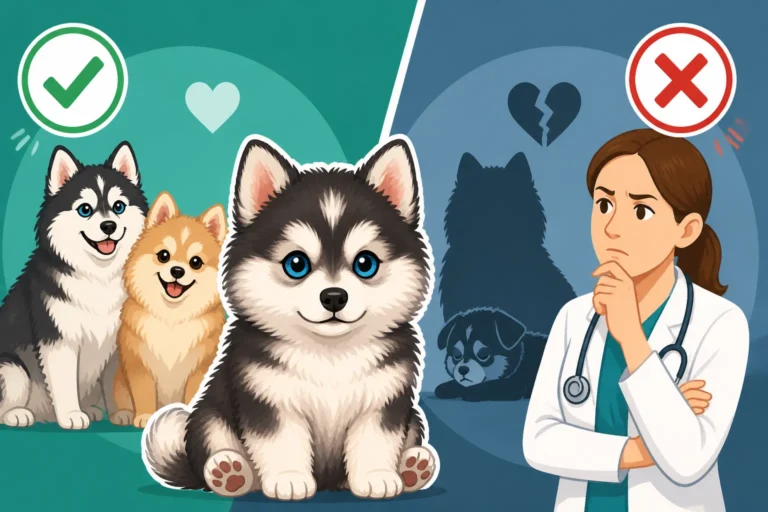
It's a common dream: you've seen those adorable pictures of a tiny, fluffy dog with piercing blue eyes, looking exactly like a miniature Husky, and you've set your heart on an F1 Pomsky. But then, your puppy arrives, and you start to notice things aren't quite as predictable as the internet promised. This guide is here to shed light on why F1 Pomskies are wonderfully, sometimes wildly, variable, and what that means for families bringing one home.
Understanding F1 Generation Genetics
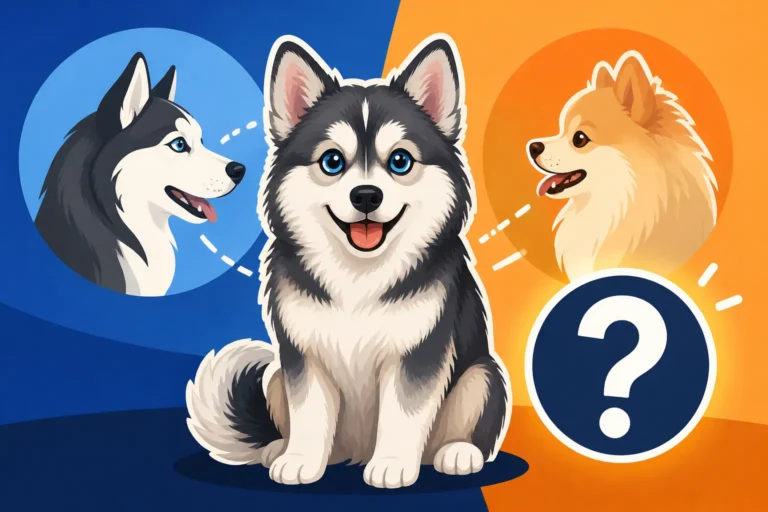
When we talk about an "F1" Pomsky, we're talking about the very first generation cross between a purebred Siberian Husky and a purebred Pomeranian. It sounds simple enough, right? Fifty percent Husky, fifty percent Pomeranian. But in genetics, especially when the parent breeds are so dramatically different, that 50/50 split doesn't mean a predictable, even blend. Instead, it often means a fascinating, and sometimes surprising, roll of the genetic dice.
The Core Concept of a First Generation Cross
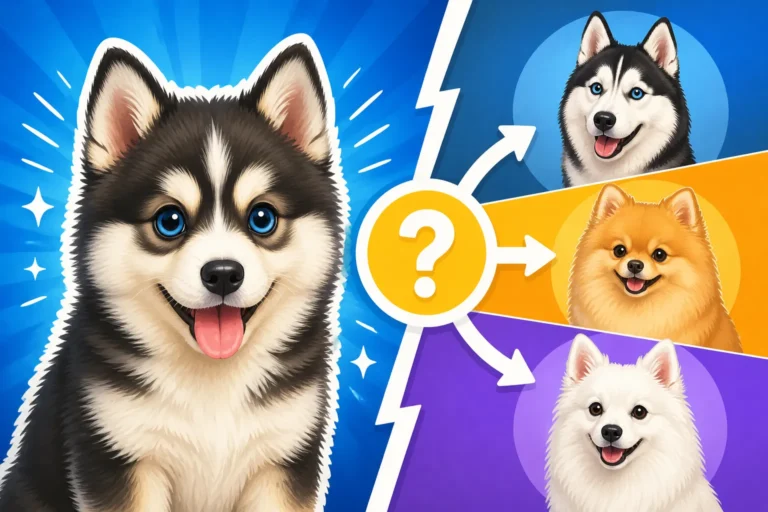
An F1 generation represents the most direct genetic combination possible between two distinct breeds. Think of it like mixing two very different paint colors for the first time. You might expect a predictable middle ground, but sometimes one color dominates, or you get a swirling, mottled effect that's hard to anticipate. In dogs, this means that while every F1 Pomsky gets half its genes from a Husky and half from a Pomeranian, which specific genes are expressed for which trait is largely up to chance. Some puppies in the same litter might strongly favor the Husky parent, while others might look and act much more like a Pomeranian. It's a genetic lottery, and every puppy gets a unique ticket.
When breeders talk about subsequent generations (F2, F3, and so on), they're trying to selectively breed Pomsky to Pomsky to stabilize certain traits and achieve a more consistent look and temperament. But in that very first F1 cross, you're getting the full spectrum of possibilities from those foundational parent breeds. It's exhilarating for some, and a source of confusion for others who were hoping for a carbon copy of a specific picture they saw online.
The Wide Gene Pool from Parent Breeds
The Siberian Husky and the Pomeranian are about as different as two dog breeds can get, and this is the root cause of the F1 Pomsky's famous variability. Consider the stark contrasts:
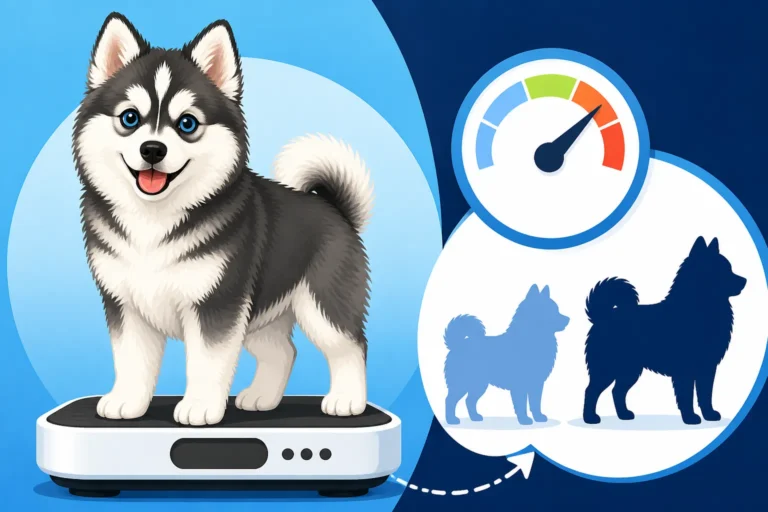
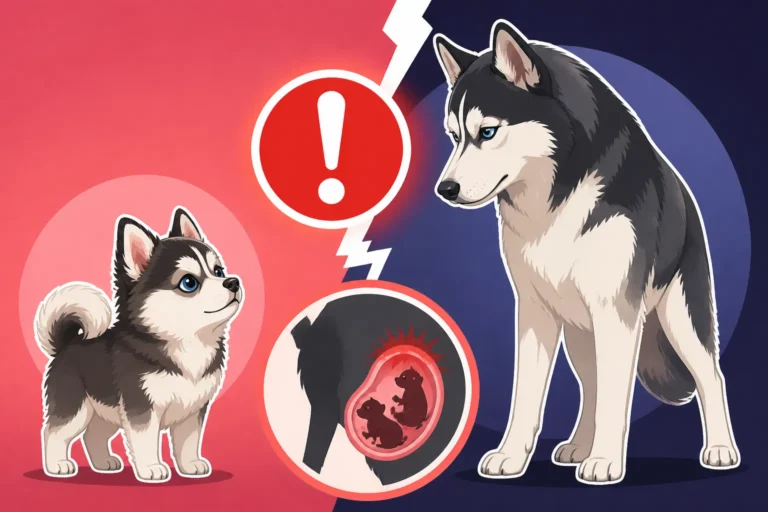
- Size: Huskies are medium-to-large working dogs, weighing anywhere from 35 to 60 pounds, often more. Pomeranians are tiny, delicate toy breeds, typically under 7 pounds. The resulting F1 Pomsky can literally fall anywhere within this vast range, from a small 10-pound companion to a robust 30-pound dog, or even larger in some cases. It's not uncommon for owners to be surprised when their "mini" Pomsky puppy keeps growing.
- Coat: Both breeds have dense double coats, but their texture, length, and shedding patterns differ. Huskies have a powerful double coat designed for arctic temperatures, while Pomeranians have a fluffy, stand-off coat. An F1 Pomsky can inherit any combination of these, leading to a The Three Pomsky Coat Types: the "standard" or "plush" coat that is mid-length and dense, or the "wooly" coat which is longer and more prone to matting, or even a shorter, sleek coat that leans more Pomeranian. The density and shedding can also vary wildly.
- Temperament: Huskies are known for their independence, boundless energy, vocal nature, and strong prey drive. Pomeranians are often spirited, intelligent, and fiercely loyal, but can also be prone to excessive barking and a bit of a "big dog in a small body" attitude. An F1 Pomsky can pick and choose from this behavioral smorgasbord, resulting in anything from a quiet, cuddly couch potato to a high-energy, howling escape artist.
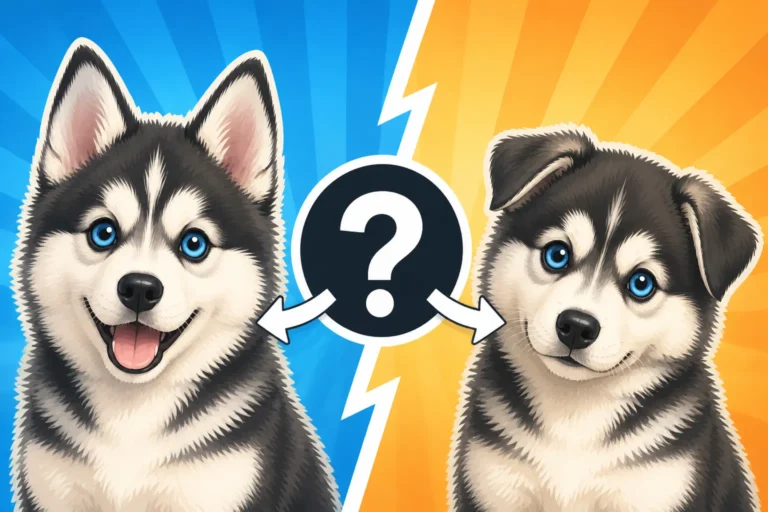
- Facial Structure and Features: The long muzzle and almond-shaped eyes of a Husky are a world apart from the foxy face and rounder eyes of a Pomeranian. Ear set (erect Husky ears vs. sometimes dropped Pomeranian ears), tail carriage (curled over the back vs. held high and fluffy), and even eye color (those striking The Blue Eyes People Buy a Pomsky For from the Husky, or the dark eyes of a Pomeranian) are all subject to random inheritance. Some F1s get the classic Whether a Pomsky Has the Husky Mask, while others have more of a Pomeranian-like expression.
This massive genetic difference creates a wide array of outcomes in the first generation. It's why no two F1 Pomskies from different litters, and sometimes even from the same litter, look or act exactly alike.
Manifestations of Variability in F1 Pomskies
The unpredictability of F1 genetics means that nearly every trait you might expect in a Pomsky can manifest in a spectrum of ways. It’s part of their charm, but also something prospective owners need to be prepared for. This isn't a factory-produced item; it's a unique living creature with its own genetic blend.
Physical Traits: From Tiny to Husky-Sized Surprises
When you bring home an F1 Pomsky puppy, you're essentially getting a surprise package. Even within the same litter, puppies can grow to vastly different sizes and display an incredible range of physical characteristics.
- Size and Weight: This is probably the most commonly discussed and often surprising variable. While many hope for a "miniature Husky" around 15-20 pounds, an F1 Pomsky can easily mature into a 30-35 pound dog, or even more if the Husky parent was particularly large or the Pomeranian's genes didn't exert as much influence on bone structure and growth. Predicting adult size from a puppy is notoriously difficult. A breeder might give you an estimate based on the parents, but ultimately, it's a genetic gamble. A puppy with dainty paws might still surprise you with a growth spurt, while a chunky puppy could mature into a moderate size.
- Coat Type and Shedding: Both parent breeds are double-coated, meaning a Pomsky will certainly shed. However, the type of coat and the intensity of shedding can vary significantly. Some F1s get the dense, plush coat that requires substantial grooming, like The Pomsky That Carries a Husky Coat at Twenty Pounds. Others might inherit a longer, "wooly" coat that is gorgeous but demands even more diligent brushing to prevent matting. And yes, all Pomskies will experience significant shedding, especially when they Whether a Pomsky Blows Its Coat Twice a Year during seasonal changes. You might find yourself constantly vacuuming and using lint rollers, regardless of their specific coat type. Investing in good grooming tools from places like Chewy becomes a necessity!
- Appearance: Facial Features, Ear Set, Tail Curl, Eye Color, Markings: This is where the "mini Husky" dream often collides with genetic reality.
- Facial Features: Some F1 Pomskies will indeed have that striking Husky-like face with a longer muzzle, while others will have a rounder, more Pomeranian or foxy look.
- Ear Set: While many breeders aim for erect ears, it's not uncommon for an F1 Pomsky to have softer ears that might flop or only partially stand up, especially when they're young. Whether a Pomsky's Ears Stand Up is often a question mark until they're older.
- Tail Curl: The iconic Husky tail that curls over the back is a desirable trait, but some F1s might have a less pronounced curl or a tail that hangs lower, more reminiscent of the Pomeranian.
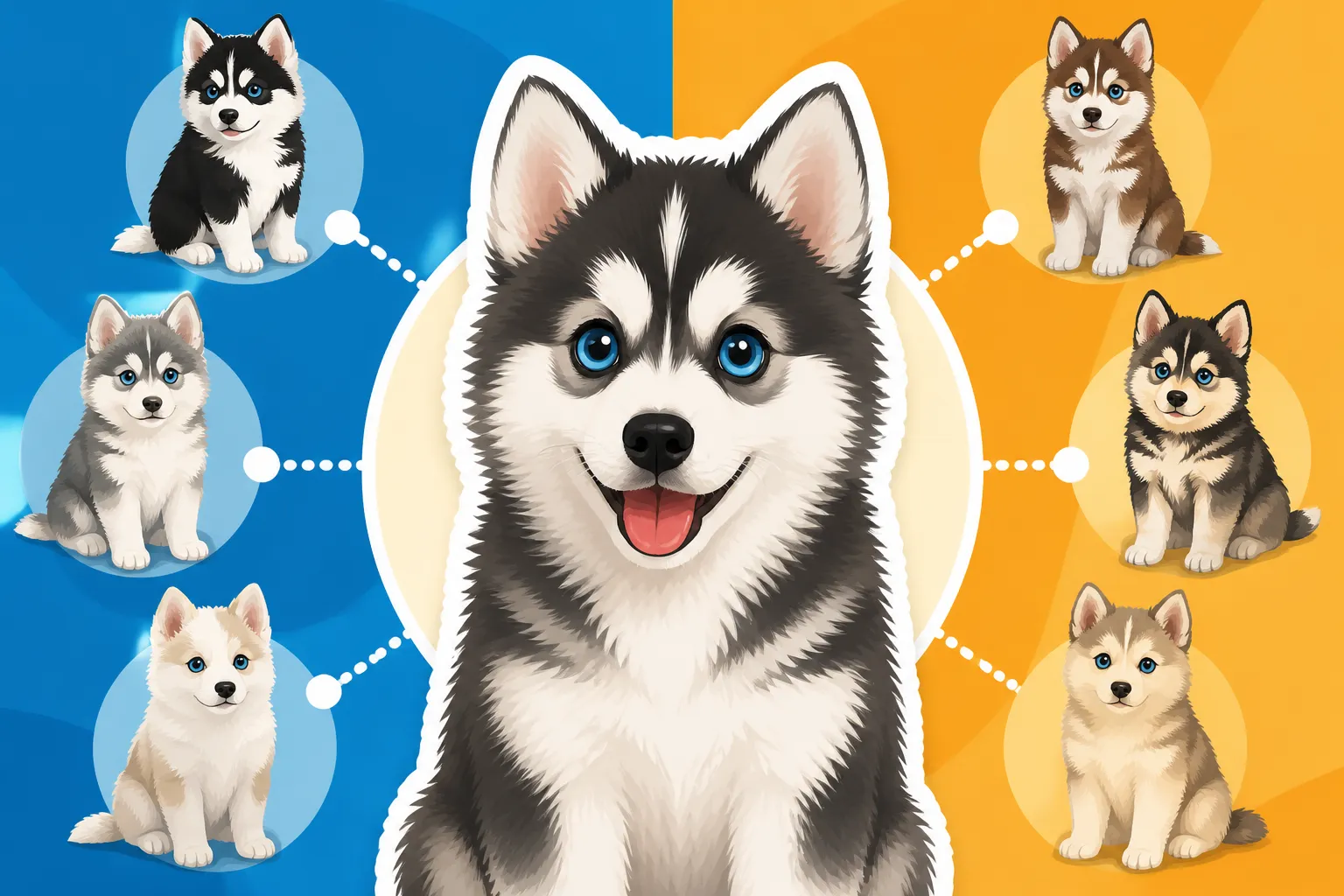
- Eye Color: While blue eyes are highly sought after, an F1 Pomsky can have brown eyes, bi-colored eyes (one blue, one brown), or even parti-colored eyes (different colors within the same eye), all thanks to the varied genetics. The allure of those striking blue eyes is real, but not a guaranteed outcome.
- Markings: Husky masks and distinct color patterns are also variable. You might get a perfect mask, a partial mask, or no mask at all. Colors can range from black and white, grey and white, red and white, sable, and even solid colors, all depending on the specific genes inherited from both parents.
Temperamental Traits: A Mix of Independent and Companionable
Beyond physical appearance, the behavioral traits of an F1 Pomsky are equally unpredictable. You're merging the spirited, independent nature of a Husky with the bold, sometimes sassy personality of a Pomeranian. The result can be a fascinating, but sometimes challenging, mix.
- Energy Levels: Huskies are known for their incredible stamina and need for substantial exercise. Pomeranians, though small, also have surprising energy and can be quite playful. An F1 Pomsky can inherit a high drive that demands The Exercise a Pomsky Needs Every Day, requiring long walks, playtime, and mental stimulation to prevent boredom and destructive behaviors. Or, they might be a more moderate energy dog, happy with regular walks and indoor play. It's rare to find a truly low-energy F1 Pomsky; even the smaller ones tend to have a surprising zest for life.
- Vocalization: If you've spent any time around Huskies, you know they're talkers – howling, yipping, and making a wide range of expressive sounds. Pomeranians can be prone to barking. An F1 Pomsky can inherit the Husky's vocal repertoire, becoming a dog that loves to "talk" and express itself with howls and yips. Why a Pomsky Talks Instead of Barking is a real phenomenon you might experience. Or, they might be more inclined to bark like a Pomeranian, especially at perceived threats or new sounds. This variability in vocalization means you might end up with a very chatty dog or one that's a bit quieter.
- Trainability and Stubbornness: Huskies are intelligent but notoriously independent and can be stubborn. Pomeranians are also smart but can have a sassy, "what's in it for me?" attitude. An F1 Pomsky will often be a highly intelligent dog, but that intelligence can come with a side of independent thinking that some owners perceive as stubbornness. Building a strong Recall on a Pomsky Bred From a Dog That Runs is a significant challenge, as is general obedience training. They might quickly learn commands but choose whether or not to obey them based on their mood or if something more interesting catches their attention. This isn't malice; it's just their unique blend of "do my own thing" attitude. Patience, consistency, and high-value treats (easily found on Chewy!) are your best friends here.
- Prey Drive: Huskies were bred to pull sleds and hunt small game, giving them a strong The Prey Drive a Pomsky Gets From the Husky. Pomeranians, too, have a history as ratters. This means an F1 Pomsky can have a significant prey drive, which manifests as an intense interest in squirrels, rabbits, cats, or anything small and moving. This makes off-leash adventures risky and requires a very secure yard. It's a trait that needs to be managed carefully, especially in households with other small pets.
| Trait Category | Siberian Husky (Parent 1) | Pomeranian (Parent 2) | F1 Pomsky (Possible Outcomes) |
|---|---|---|---|
| Size/Weight | 35-60+ lbs | < 7 lbs | 10-35+ lbs (highly variable) |
| Coat Type | Dense, medium-length double coat | Fluffy, stand-off double coat | Standard, Plush, or Wooly; shedding intensity varies |
| Face Shape | Longer muzzle, almond eyes | Fox-like, rounder eyes | Husky-like, Pomeranian-like, or a blend |
| Ear Set | Erect, triangular | Erect (sometimes softer) | Erect, semi-erect, or slightly dropped |
| Tail Carriage | Curled over back | High, fluffy, often curled | Curled high, slightly curled, or held lower |
| Eye Color | Blue, brown, bi-colored | Brown (most common) | Blue, brown, bi-colored, parti-colored |
| Vocalization | Howls, yips, "talks" | Barks frequently | Howls, barks, or a mix of both |
| Energy Level | High, needs extensive exercise | Moderate-High, playful | Moderate-High, requires daily activity |
| Trainability | Intelligent, independent, stubborn | Intelligent, can be sassy | Smart but can be stubborn, requires consistent training |
| Prey Drive | High | Present (ratting history) | Moderate-High, needs supervision around small animals |
Managing Expectations and Choosing an F1 Pomsky
Given all this variability, what does it mean for you, the potential Pomsky owner? It means approaching the breed with an open mind, a sense of adventure, and a clear understanding that you might not get the exact "mini Husky" you envisioned, but rather a unique, wonderful dog that might surprise you in the best ways.
Why Predictability is a Challenge
The biggest challenge with an F1 Pomsky is the inherent lack of predictability. The internet, social media, and selective photos can paint a picture of a uniform "mini Husky" look, and it's easy to fall in love with that image. However, as we've discussed, F1s are the wild card generation. A puppy that looks dainty and perfectly Husky-like at 8 weeks could grow into a 30-pound dog with more Pomeranian facial features. This isn't a fault of the dog or the breeder (assuming they're transparent), but simply how first-generation crosses work.
This unpredictability is actually one of the main reasons why some Pomskies regrettably end up in rescue situations. Owners might get a dog that is much larger, sheds more, or is more vocal than they anticipated. They might have wanted a small, quiet lap dog, but ended up with an energetic, howling companion who needs a significant amount of outdoor time and mental stimulation. It's a tough reality, and it underscores the importance of truly understanding what you're getting into. Learning Why Pomskies Reach Rescue at Two is crucial before committing.
The Importance of Reputable Breeders and Health Testing
Navigating the world of F1 Pomskies requires a commitment to finding a truly reputable breeder. A good breeder isn't just focused on pretty puppy pictures; they understand the genetic lottery of the F1 generation and are transparent about the potential variations.
- Transparency: A responsible breeder will openly discuss the possible range of sizes, coats, and temperaments you might expect from their F1 puppies. They won't promise a "toy" Pomsky or guarantee specific eye colors. They'll show you the parent dogs, discuss their temperaments, and explain how those traits might combine.
- Health Testing: While hybrid vigor can be a benefit of cross-breeding, F1 Pomskies are still susceptible to health issues from both parent breeds. This means a reputable breeder will perform thorough health screenings on both the Husky and Pomeranian parents. They should be able to provide documentation for hip and elbow evaluations (from the Husky side, to prevent issues like Hip Dysplasia in a Twenty Pound Pomsky), eye certifications (from both, considering concerns like The Eyes a Pomsky Gets From the Husky), and patella evaluations (from the Pomeranian side, to avoid Slipping Kneecaps in a Pomsky). Asking for The Health Tests a Pomsky Breeder Should Show is not just acceptable, it's essential. This proactive approach helps mitigate inherited conditions and gives you the best chance of bringing home a healthy puppy. Always remember that a crossbreed still inherits The Two Opposite Disease Lists a Pomsky Inherits.
Embracing the Uniqueness
Ultimately, choosing an F1 Pomsky means embracing the journey of discovery. You're not just getting a pet; you're getting a one-of-a-kind canine companion.
- Focus on Temperament and Health: Instead of fixating on a particular look or size, prioritize temperament and health. Spend time with the puppies and their parents (if possible) to get a feel for their personalities. A healthy, well-socialized F1 Pomsky with a temperament that suits your lifestyle will bring far more joy than a dog that simply looks a certain way but has behavioral or health issues. Understand that your dog's unique personality and quirks are part of its individual charm.
- Be Prepared for Anything (Within Reason!): Be mentally prepared for your Pomsky to be on the larger side, to shed profusely, to be vocal, or to have a high energy drive. Stock up on grooming tools (Chewy has a great selection of undercoat rakes and force dryers), invest in good training resources, and ensure you have a secure environment for a potentially adventurous dog.
- Celebrate the Surprise: The variability of the F1 Pomsky is truly what makes them special. You might not get the exact dog you pictured, but you'll get your dog – a unique blend of two beloved breeds, full of personality and charm. It's an opportunity to fall in love with the unexpected and appreciate the genetic artistry that created your fluffy friend.
Disclaimer
This article is for general informational purposes only and does not constitute professional advice. Laws, prices and regulations vary by location and change over time. Consult a qualified professional for guidance on your specific situation.