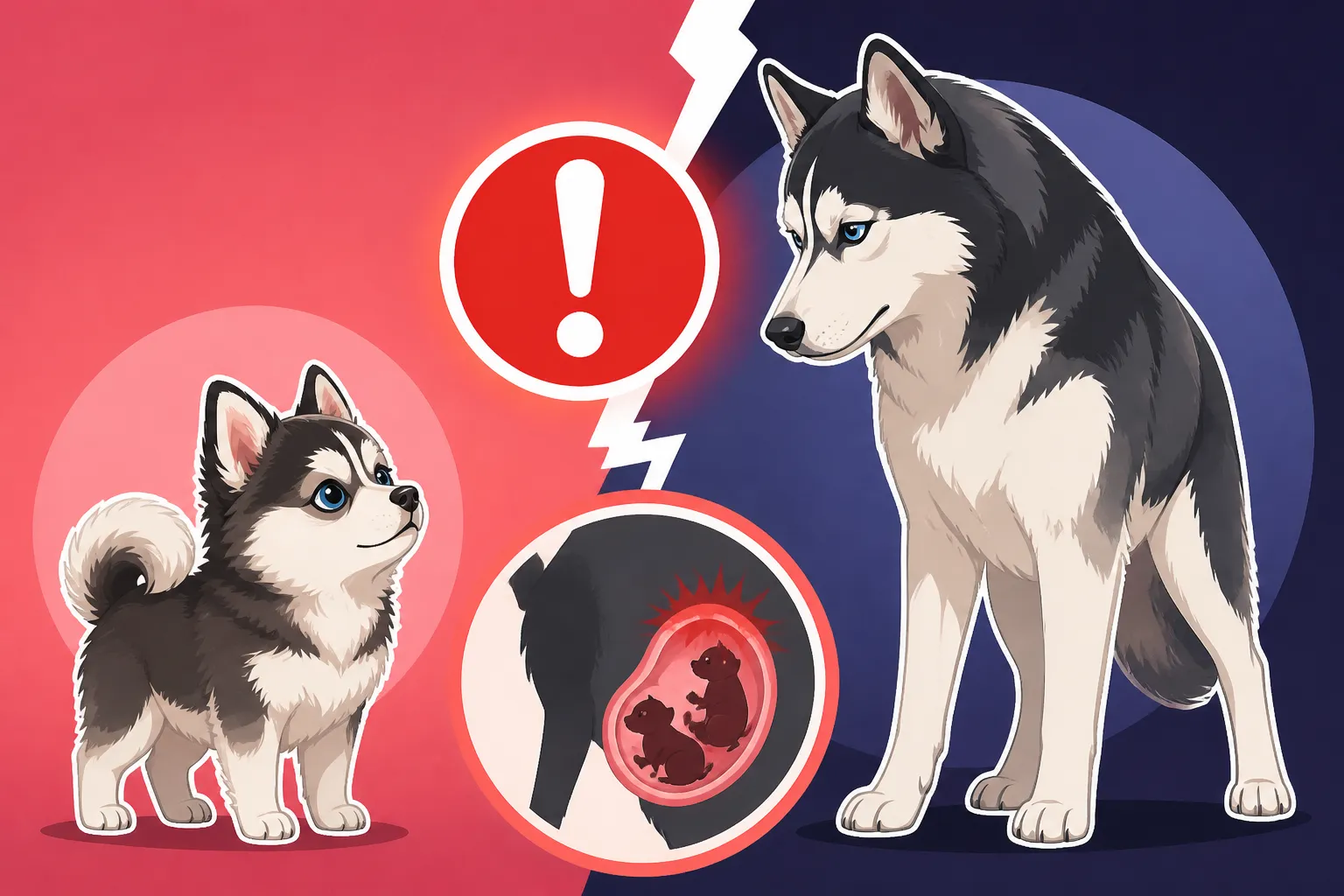
Why the Size Gap Makes a Pomsky Breeding Dangerous
One of the most concerning truths for anyone considering bringing a Pomsky into their home is the very process of their creation. The significant size disparity between the Siberian Husky and the Pomeranian parents isn't just a quirk; it introduces real, serious dangers into the breeding process, particularly for the mother dog. This guide will explore exactly why that size gap is such a critical factor, the risks involved, and what responsible breeders do to try and mitigate them, giving you a clearer picture of this beloved breed's origins.
The Foundation of Danger: Why Size Matters So Much
When we talk about breeding dogs, size compatibility between the sire (father) and dam (mother) is paramount. Nature designed animals to reproduce within sensible size parameters to ensure the safety of the mother and the successful delivery of healthy offspring. With the Pomsky, we're intentionally bringing together two breeds that are wildly different in size, which immediately flags a massive red warning sign for any veterinary professional. It's a fundamental challenge that dictates almost every aspect of responsible Pomsky breeding.
The Standard Practice: Husky Dam, Pomeranian Sire
It might seem counterintuitive at first glance – a tiny Pomeranian male mating with a large Siberian Husky female. Surely, the smaller male is less of a risk? And indeed, this is the only responsible way to attempt a Pomsky breeding. The male Pomeranian is chosen as the sire because, frankly, putting a male Husky with a female Pomeranian would be nothing short of animal cruelty, not to mention physically impossible for natural mating and catastrophically dangerous for the dam.
Even with the Husky as the mother, the challenges are immense. A Husky typically weighs anywhere from 35 to 60 pounds, while a Pomeranian might only be 3 to 7 pounds. The puppies they produce will be an unpredictable mix, potentially growing larger than a Pomeranian's tiny birth canal could ever handle. This isn't just about weight; it's about bone structure, uterine capacity, and the sheer mechanics of birth. This critical difference is why Why a Pomsky Cannot Be Bred Naturally is a topic we often discuss.
The Impossibility of a Pomeranian Dam Carrying Pomsky Puppies
Let’s be brutally honest here: attempting to breed a Pomsky with a Pomeranian as the mother is not just dangerous, it’s unethical and extremely likely to result in tragedy. A Pomeranian simply does not have the physical capacity to safely carry or deliver puppies sired by a dog many times its size, even if those puppies are only half-Husky. The risks are profound and include:
- Uterine Rupture: The uterus of a small dog like a Pomeranian is not designed to expand to accommodate fetuses that could be significantly larger than what her body would naturally produce. The stress on the uterine wall could lead to rupture, internal bleeding, and almost certain death for both the mother and the puppies.
- Gestation Complications: Even if the uterus holds, the physical strain of carrying larger puppies could lead to severe health issues for the dam, such as eclampsia (a life-threatening drop in blood calcium), gestational diabetes, or organ failure due to the excessive burden on her system.
- Dystocia (Difficult Birth): This is perhaps the most immediate and horrifying risk. The birth canal of a Pomeranian is tiny. Puppies even slightly larger than normal for her breed would become lodged, causing extreme pain, prolonged labor, and almost certainly requiring an emergency C-section, often too late to save the puppies or the mother. Whether a Pomeranian Dam Could Carry a Pomsky Litter directly addresses this dire scenario.
It’s precisely these life-threatening risks that make the size gap such a critical factor, dictating that a Husky must always be the dam in any legitimate Pomsky breeding.
Navigating the Breeding Process: Veterinary Intervention is Non-Negotiable
Given the inherent size disparity and the artificial nature of this crossbreed, natural breeding is simply not an option. This means that every single step of the Pomsky breeding process, from conception to birth, requires extensive and often expensive veterinary intervention. This isn't a DIY project; it's a medically supervised endeavor where the health and safety of the dam are constantly monitored.
Why Artificial Insemination is Essential
Imagine trying to get a petite Pomeranian to naturally breed with a sturdy Siberian Husky. It's not going to happen safely, if at all. The physical mechanics alone make it impractical and potentially injurious to both dogs. This is where artificial insemination (AI) becomes absolutely crucial. AI allows for the safe collection of semen from the male Pomeranian and its careful introduction into the female Husky's reproductive tract, bypassing the physical size mismatch of natural mating.
There are different methods of AI, from simple vaginal insemination to more invasive surgical procedures. Each method has its own success rates and associated costs, and the choice often depends on the specific circumstances, the quality of the semen, and the vet's recommendation. Whether Surgical Insemination Is Used in Pomsky Breeding is a topic that delves deeper into these specific methods. This entire process is a prime example of Why Artificial Insemination Sets a Pomsky's Floor Price.
The Role of Veterinary Care Throughout Gestation
Once the Husky dam is confirmed pregnant, her journey is far from over. Unlike a purebred Husky litter, where the size and development of the puppies are relatively predictable, a Pomsky litter is a genetic wildcard. The breeder and their vet must monitor the pregnancy closely, watching for any signs of trouble. This often involves:
- Regular Ultrasounds and X-rays: To assess fetal development, puppy count, and, critically, puppy size. X-rays closer to term can help the vet determine if the puppies' heads or shoulders are likely to be too large for the dam’s birth canal, even for a Husky.
- Nutritional Support: The pregnant dam requires a specialized, high-quality diet to support the growth of her puppies and maintain her own health. She might need supplements, and her calorie intake will increase significantly. Good nutrition is critical, and finding specialized food can sometimes involve shopping at places like Chewy.
- Monitoring for Complications: Pregnancy, even in dogs, can come with complications. The vet will look out for signs of issues like pre-eclampsia, infections, or issues with placental development that could jeopardize the litter or the mother.
The commitment to this level of care is a testament to a responsible breeder's dedication, and it underscores the true value and ethical origin of a well-bred Pomsky.
The High Risk of Cesarean Sections
Even when all precautions are taken, and a Siberian Husky serves as the dam, the size disparity in the genetic makeup of the puppies still carries significant risks, primarily culminating in a high probability of requiring a Cesarean section (C-section). This isn't just an inconvenience; it's a major abdominal surgery that carries its own set of risks and costs.
Why C-Sections Are So Common for Pomsky Litters
The core issue remains the unpredictable size of the Pomsky puppies. While the mother is a Husky, carrying genetically half-Pomeranian puppies, some individuals in the litter might inherit genes that lean towards larger size, making natural delivery challenging or impossible. Imagine a litter where some puppies are closer to Husky size and others are more Pomeranian-sized – the variability within the same litter can be extreme.
- Fetal Oversize: Even a single puppy that is too large can prevent the entire litter from being born naturally. If one puppy gets stuck in the birth canal, it can endanger all the other puppies and the mother.
- Uterine Inertia: The sheer effort required to push out a varied litter, especially if puppies are larger than average, can lead to the dam's uterus simply "tiring out" or not contracting effectively.
- Malpresentation: Puppies can sometimes present in the birth canal in an abnormal position, making natural delivery impossible regardless of size. While this can happen in any breed, the unpredictable nature of a crossbreed litter can sometimes exacerbate this risk.
A C-section becomes a life-saving measure in these scenarios, protecting both the mother and her precious puppies. What a Cesarean Costs a Pomsky Breeder highlights the significant financial investment this procedure represents.
The Impact on the Dam and Breeder
Undergoing a C-section is a serious event. For the dam, it means:
- Surgical Risks: Like any surgery, there are risks associated with anesthesia, infection, and post-operative complications. The recovery period requires careful management, pain relief, and monitoring, all while she's trying to care for a new litter of puppies.
- Physical Stress: The surgery and recovery take a heavy toll on her body. It can impact her ability to nurse, bond with her puppies, and even her willingness to breed again in the future.
- Limited Breeding Lifespan: Vets often advise limiting the number of C-sections a female dog can undergo throughout her breeding career to safeguard her long-term health. This means a breeder might only get one or two litters from a valuable dam, adding to the inherent cost of the puppies.
For the breeder, a C-section means not only significant veterinary bills but also round-the-clock care for a recovering mother and possibly hand-feeding puppies if the dam is too weak or unable to nurse immediately. This intensive labor, coupled with medical costs, is a stark reminder of the dedication and financial outlay required to responsibly bring Pomskies into the world. It’s why What a Pomsky Breeder Spends Before a Litter Exists is such an eye-opening topic for many prospective owners.
Ethical Breeding: Mitigating the Dangers
Given the inherent risks posed by the size gap in Pomsky breeding, ethical and responsible practices are not just preferred; they are absolutely vital. A breeder who truly prioritizes the health and well-being of their dogs will go to extraordinary lengths to mitigate these dangers. This dedication is what separates a responsible program from a dangerous backyard operation.
The Pillars of Responsible Pomsky Breeding
For a Pomsky breeding to be considered ethical, several key practices must be in place to minimize the risks associated with the size disparity:
- Health Testing of Both Parents: Before even considering breeding, both the Husky dam and the Pomeranian sire must undergo comprehensive health screenings. This includes checks for genetic conditions common to their respective breeds, such as hip and elbow dysplasia in Huskies, and patellar luxation or eye conditions in Pomeranians. Knowing the health status of the parents helps ensure that any offspring have the best possible start and aren't inheriting additional predispositions to illness. The Health Tests a Pomsky Breeder Should Show outlines what you should expect to see.
- Careful Selection of Sire: The male Pomeranian must be chosen not just for his appearance but for his health, temperament, and, crucially, his size. While a smaller Pomeranian might seem appealing to potentially create smaller Pomskies, a healthy, well-structured male is always the priority.
- Experienced Veterinary Oversight: This cannot be stressed enough. Every step, from estrus cycle tracking (to time the artificial insemination perfectly) to pregnancy monitoring and birth, must be managed by an experienced veterinarian. This often includes progesterone testing to pinpoint the optimal breeding window, ensuring the highest chance of conception and a healthier pregnancy. What Timing a Pomsky Breeding Costs Per Cycle can give you an idea of these ongoing expenses.
- Whelping Preparedness: Responsible breeders are ready for anything. This means having a dedicated whelping area, emergency vet contacts on standby, and all the necessary supplies for a potential C-section or difficult birth. They understand that while they hope for a smooth delivery, they must prepare for the worst.
These diligent steps reflect a deep understanding of the challenges involved and a commitment to the welfare of the dogs, making the ethical choice the only choice.
Why "Backyard" Breeding is Unacceptable for Pomskies
The inherent dangers of Pomsky breeding mean that any attempt to do so without professional veterinary guidance and extensive experience is reckless and irresponsible. A "backyard breeder" or an accidental breeding scenario (which is almost impossible with Pomskies due to size, but the concept applies to lacking expertise) puts the mother dog's life, and the lives of her puppies, at extreme risk.
- Lack of Medical Intervention: Without artificial insemination, accurate timing, and prenatal care, the chances of a successful and safe pregnancy plummet.
- Ignorance of Complications: An inexperienced person might not recognize the signs of a troubled pregnancy or a difficult birth until it's too late. Delays in seeking emergency veterinary care for a C-section can be fatal.
- Poor Puppy Care: Even if puppies are born, a lack of experience in neonatal care, sanitation, and early socialization can lead to unhealthy, poorly adjusted puppies with lifelong issues.
This is why, when considering a Pomsky, it's absolutely crucial to choose a reputable breeder. Any breeder who claims their Pomskies were naturally conceived, or offers them at an impossibly low price, is likely cutting corners in ways that endanger their dogs. Whether Vets Object to How Pomskies Are Bred often centers on these very ethical considerations and the welfare of the animals involved.
Understanding the True Cost and What It Implies
The discussions around the complexities and dangers of Pomsky breeding inevitably lead to the topic of cost. It's a common frustration for prospective owners to see the price tag on a Pomsky and wonder why it's so high compared to many other breeds or mixes. The answer, in large part, ties directly back to the significant size gap and the extensive, mandatory veterinary intervention required for safe breeding.
The Direct Link Between Breeding Practices and Price
A higher price tag on a Pomsky isn't just about demand or aesthetics; it reflects the true cost of responsibly bringing these puppies into the world. Every single medical procedure, every specialist consultation, every careful decision made to protect the dam contributes to the final price.
Let's look at a breakdown of some of the costs a responsible breeder shoulders:
| Breeding Stage | Veterinary Procedures & Associated Costs | Impact on Dam's Safety |
|---|---|---|
| Pre-Breeding | Health screenings for Husky (Hips/Elbows, Eyes) & Pomeranian (Patellas, Eyes, Heart), Progesterone testing, Stud fees (Pomeranian) | Ensures healthy parents, prevents passing on genetic issues, optimizes timing. |
| Insemination | Artificial Insemination (often surgical), Sedation/Anesthesia | Bypasses dangerous size mismatch for natural breeding. |
| Gestation (Pregnancy) | Regular vet check-ups, Ultrasounds, X-rays, High-quality specialized food (like those found at Chewy), Supplements | Monitors puppy development, detects complications early, ensures dam's health. |
| Whelping (Birth) | Scheduled or emergency C-section, Anesthesia, Post-operative care, Pain medication, Puppy resuscitation supplies | Critical for safe delivery, prevents dystocia (difficult birth), saves lives. |
| Post-Whelping | Dam recovery care, Puppy health checks, Deworming, Vaccinations, Microchipping | Ensures dam heals well, puppies get a healthy start. |
This table clearly illustrates that the "sticker price" of a Pomsky is not just a markup; it's a reflection of the significant investment in veterinary science and ethical care. It helps explain Why Artificial Insemination Sets a Pomsky's Floor Price.
Red Flags: When a Price is Too Low
If you encounter a Pomsky for sale at a price that seems too good to be true, it almost certainly is. A suspiciously low price is a massive red flag, indicating that the breeder has likely cut corners in critical areas, often at the expense of the dam's health and the puppies' welfare.
What might a low price signify?
- No Veterinary Oversight: The breeding might have been attempted without AI, risking severe injury to the Pomeranian sire, or worse, an attempt with a Pomeranian dam (which is catastrophic).
- Lack of Health Testing: Parents might not have been health-screened, meaning puppies could inherit serious, expensive, and debilitating genetic conditions.
- No C-section Preparedness: The breeder might have allowed the dam to attempt natural birth, potentially leading to tragic outcomes for both mother and puppies if complications arose.
- Poor Puppy Care: Puppies might not have received proper veterinary checks, vaccinations, or socialization, leading to future health and behavioral problems that will cost you far more in the long run.
Ultimately, choosing an ethical breeder who transparently discusses their practices and costs, even mentioning where they get their top-quality supplies like from Chewy, is an investment in a healthy, well-adjusted Pomsky, and most importantly, it supports practices that prioritize animal welfare. The question of Whether a Cheap Pomsky Is Really a Pomsky often boils down to these ethical considerations.
Disclaimer
This article is for general informational purposes only and does not constitute professional advice. Laws, prices and regulations vary by location and change over time. Consult a qualified professional for guidance on your specific situation.