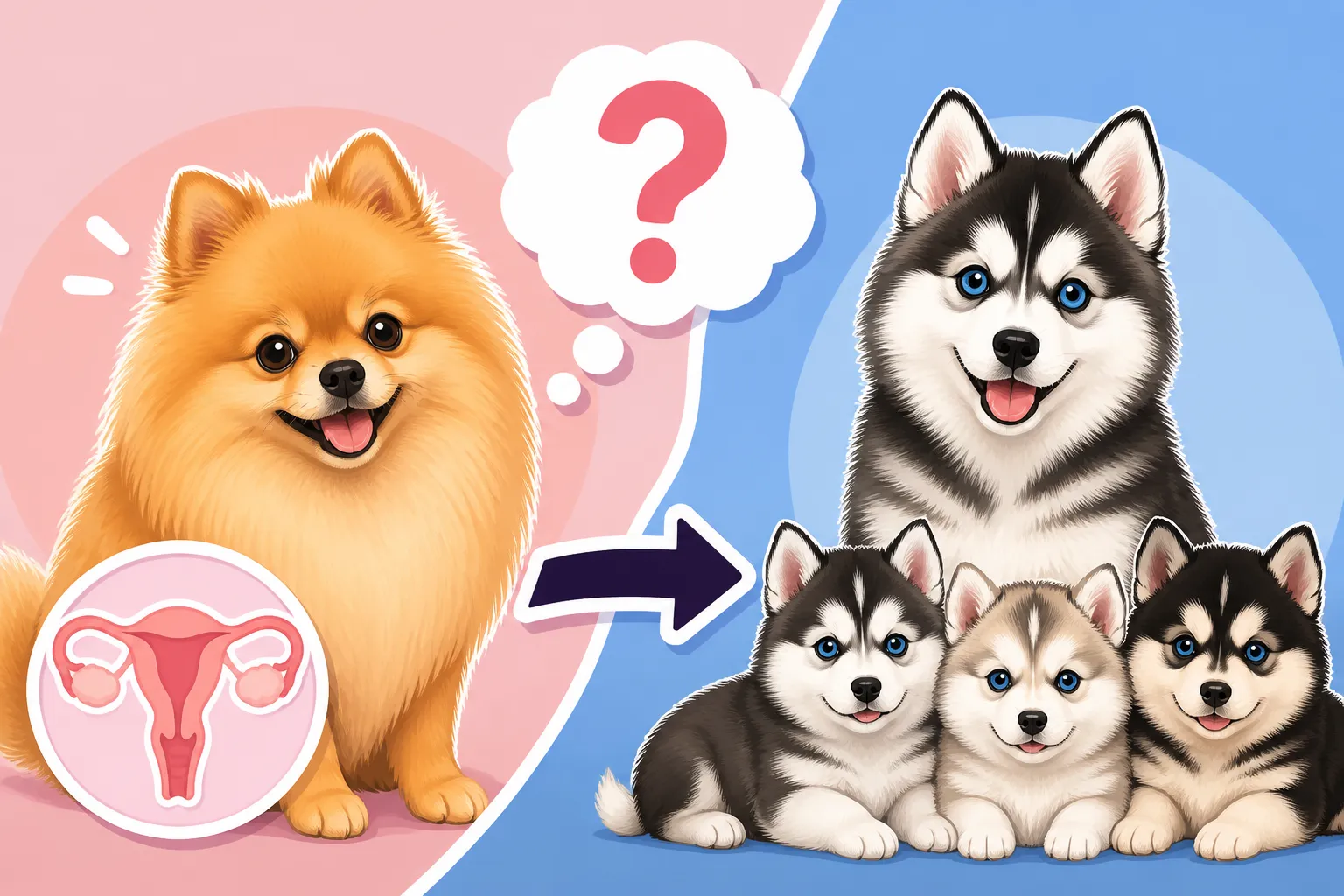
Whether a Pomeranian Dam Could Carry a Pomsky Litter
It's a common thought that perhaps the Pomsky, with its adorable miniature husky looks, could be bred the other way around: a Pomeranian mother carrying a Husky-sired litter. After all, Pomeranians are small, and Huskies are larger, so wouldn't that make the puppies even smaller and more consistently toy-sized? However, the stark reality is that this breeding scenario is fraught with extreme danger for the mother and puppies alike. This guide will delve deep into why using a Pomeranian as the dam for a Pomsky litter is virtually impossible, unethical, and rarely, if ever, attempted by responsible breeders, explaining the critical biological and safety reasons behind this widely held standard.
Understanding the Pomsky's Unique Conception
The creation of a Pomsky is a carefully orchestrated process, primarily dictated by the significant size difference between its parent breeds. When you’re talking about a Pomeranian and a Siberian Husky, you’re looking at two very different ends of the canine size spectrum, and this disparity plays a crucial role in how a Pomsky can, and cannot, be safely brought into the world.
The Size Discrepancy Between Parent Breeds
Imagine the sheer scale: a typical male Pomeranian might weigh anywhere from 3 to 7 pounds, a fluffy, spirited little dog. Now, picture a female Siberian Husky, which can easily tip the scales at 35 to 60 pounds, often more. The idea of a male Pomeranian naturally breeding with a female Husky is already challenging, often requiring artificial insemination due to the physical differences. But reversing that, asking a small Pomeranian female to carry the offspring of a much larger Siberian Husky male, introduces a host of insurmountable biological hurdles. The size of the puppies inside her would simply be too vast for her delicate frame to accommodate safely. This is a fundamental reason why you won't find a Pomsky that has been conceived naturally, regardless of which parent is which size. The process is almost always medically assisted, as explained in articles like Why a Pomsky Cannot Be Bred Naturally.
Why the Husky is Almost Always the Dam
For the reasons mentioned above, and many more, responsible Pomsky breeding always involves a female Siberian Husky as the dam (mother) and a male Pomeranian as the sire (father). This isn't just a preference; it's a critical safety measure. The Husky female's much larger uterus, broader pelvis, and stronger musculature are physically capable of carrying and delivering larger puppies that result from a cross with a smaller Pomeranian. Even with a Husky dam, the size difference means that breeders often opt for artificial insemination to ensure conception and frequently plan for a scheduled C-section to avoid any birthing complications. The health and well-being of the dam are paramount, and putting a tiny Pomeranian female at risk by having her carry large Husky-sired fetuses would be reckless and inhumane.
The Realities and Risks of a Pomeranian Dam
Let’s be brutally honest: attempting to breed a Pomsky with a Pomeranian as the dam would be an ethical nightmare, fraught with extreme dangers for both the mother and any potential offspring. It’s a scenario that reputable breeders wouldn't even consider, not for a moment.
Health Complications for the Pomeranian Mother
If, by some remote and highly irresponsible chance, a Pomeranian female were to become pregnant with puppies sired by a Siberian Husky, the list of potential health complications for her would be catastrophic. Her small body, designed to carry tiny Pomeranian puppies, would be overwhelmed.
- Dystocia (Difficult Birth): This is perhaps the most immediate and severe risk. The puppies would likely grow too large within her uterus to pass through her birth canal naturally. A Pomeranian's pelvis and birth canal are simply not wide enough for puppies that are genetically half Husky. This would almost certainly lead to a prolonged, agonizing labor with no natural resolution.
- Uterine Rupture: The strain on her uterus from carrying oversized fetuses could be immense, potentially leading to a rupture. This is a life-threatening emergency, causing internal bleeding and infection, and would likely result in the death of the mother.
- Emergency Cesarean Section: An emergency C-section would be the only chance for survival, but even then, the procedure carries its own risks, especially for a stressed, exhausted, and potentially injured small dog. The puppies themselves might also be compromised due to prolonged labor or developmental issues from being too large for their gestation environment. Even if a C-section were performed, the sheer size of the puppies might still pose a risk during surgery.
- Post-Partum Complications: Beyond birth, the mother could suffer from severe hemorrhaging, infection, or eclampsia due to the extreme physiological stress of pregnancy and delivery. Her milk production might also be insufficient for the larger nutritional demands of the puppies.
This is why, without exception, articles discussing the proper way to create the breed, such as Whether a Pomsky's Mother Must Always Be the Husky, emphasize the use of a Husky dam.
Risks to the Puppies and Ethical Considerations
The puppies themselves would also face significant risks if a Pomeranian were their dam.
- Stillbirths and Developmental Issues: The cramped conditions within a tiny Pomeranian uterus, coupled with potential complications during labor, would significantly increase the risk of stillbirths or puppies born with severe birth defects. They might not develop properly or reach full term due to the restrictive environment.
- Survival Rates: Even if born alive, the puppies might suffer from low birth weight relative to their genetic potential, or other health problems, leading to a diminished chance of survival. Their chances of thriving would be incredibly low.
- Ethical Implications: Intentionally putting a small female dog through such an ordeal is widely considered unethical and irresponsible by the veterinary community and reputable breeders. The welfare of the animals must always be the top priority. Breeding should enhance the health and well-being of the breed and individual animals, not put them at extreme risk for a desired aesthetic or novelty. Responsible breeding practices require a profound understanding of genetics, health, and welfare, and deliberately ignoring anatomical limitations falls far outside these guidelines.
Why You Won't Find Pomskies from Pomeranian Dams
The practical and ethical challenges of using a Pomeranian dam for a Pomsky litter are so overwhelming that it's simply not done in the world of responsible dog breeding. There are robust reasons why reputable breeders adhere to strict protocols that prioritize the health and safety of their animals.
Reputable Breeding Practices and Safety Protocols
Responsible breeders operate with a keen understanding of canine biology and prioritize the health and safety of their dogs above all else. When it comes to Pomskies, this means:
- Husky Dam, Pomeranian Sire: This is the universal standard. The Husky female provides a large, strong womb capable of carrying the mixed-breed puppies. Even then, artificial insemination is usually required for conception, given the height difference between a male Pomeranian and a female Husky. This method, sometimes referred to as Why a Pomsky Requires Artificial Insemination, minimizes physical stress during mating.
- Planned C-Sections: Many reputable Pomsky breeders choose to perform planned Cesarean sections for their Husky dams. This proactive approach avoids potential complications during natural birth, even when the dam is a Husky, ensuring the safest possible delivery for both mother and puppies. They would never consider natural breeding for the simple fact that it's too risky.
- Health Testing: Before any breeding takes place, both parent dogs undergo extensive health testing to screen for genetic conditions common to Huskies and Pomeranians, such as hip dysplasia, patellar luxation, and eye diseases. The idea of skipping such fundamental health checks, let alone attempting a dangerous cross-breeding, is antithetical to their principles. Breeders understand that ensuring healthy offspring begins with healthy parents, and that includes ensuring the mother is physically capable of carrying a litter.
No responsible breeder would ever put a Pomeranian at such immense risk, nor would any ethical veterinarian assist in such a procedure. The well-being of the dam is non-negotiable.
The Rarity and Unfeasibility of Such a Pairing
Due to the extreme risks and ethical concerns, you will simply not find Pomskies being produced with Pomeranian dams. If you ever encountered someone claiming to have done so, it would be a massive red flag pointing to irresponsible, dangerous, and unethical breeding practices.
Consider the biological impossibility: a fetus that is half Husky, even if genetically small for a Husky, would still likely be too large for a Pomeranian's small birth canal. The risk of mortality for both the mother and puppies is incredibly high. There's no genetic magic that would suddenly make a Pomeranian capable of safely carrying puppies significantly larger than her own breed's typical offspring. This isn't just about size; it's about skeletal structure, uterine capacity, and the physiological demands of gestation. While you might use a reliable pet supply service like Chewy for routine puppy supplies or high-quality food options like Ollie for your adult dogs, these resources are for responsible pet ownership, not supporting dangerous breeding practices.
What to Look for in a Responsible Pomsky Breeder
Since the possibility of a Pomeranian dam carrying a Pomsky litter is off the table, it's crucial to understand what does constitute a responsible Pomsky breeding program. Your focus should always be on breeders who prioritize health, ethical practices, and transparency.
Prioritizing Dam Health and Genetic Screening
A truly responsible Pomsky breeder will always put the health of their breeding dogs first, especially the dam.
- Husky Dam: Confirm that the mother of the puppies is a Siberian Husky. This is non-negotiable for safety. Don't be shy about asking to see the dam.
- Genetic Health Testing: Inquire about the health testing performed on both parents. This should include screenings for common genetic conditions in both breeds. For example, are the Husky parents screened for hip and elbow dysplasia, and eye conditions? Are the Pomeranian sires screened for patellar luxation, heart issues, and eye problems? A breeder should be able to provide documentation for these tests, which are outlined in resources like The Health Tests a Pomsky Breeder Should Show. Without these tests, you're taking a significant gamble on your puppy's future health.
- Veterinary Oversight: A reputable breeder will have a strong relationship with their veterinarian. They will be able to discuss the veterinary care provided to the dam during pregnancy, the birthing process (likely a planned C-section), and the post-natal care for both mother and puppies. While pet insurance from providers like Healthy Paws can help soften the blow of unexpected veterinary costs, choosing a puppy from a breeder who proactively prevents issues through health screening is always the best approach.
Transparency and Breeder Education
Beyond the immediate health of the parents, a good breeder will be open, honest, and eager to educate prospective owners.
- Open Communication: A responsible breeder will welcome your questions, no matter how many you have. They should be transparent about their breeding practices, the lineage of their dogs, and the daily lives of their puppies. If a breeder is evasive or seems to hide information, it's a major warning sign.
- Education on Breed Specifics: They should be knowledgeable about the unique traits of the Pomsky, including potential health concerns inherited from either parent breed, temperament expectations, and grooming needs. They should also be able to explain why certain practices, like using a Husky dam and artificial insemination, are essential for the breed's welfare. This aligns with broader discussions on canine welfare, such as those found in Whether the Pomsky Raised Welfare Questions.
- Visit the Facility (if possible): While not always feasible, visiting the breeder's home or facility allows you to see the living conditions of the dogs, observe the dam's temperament, and interact with the puppies. It gives you a firsthand look at the environment your potential new family member is coming from.
When considering a Pomsky puppy, always prioritize the ethical breeding practices that put the dog's health and welfare first. Any shortcuts, especially those involving the dangerous scenario of a Pomeranian dam, are simply not worth the devastating consequences.
Here's a quick overview of why the parent roles are so specific for Pomsky breeding:
| Aspect | Pomeranian Dam (Not Recommended) | Husky Dam (Standard Practice) |
|---|---|---|
| Size Capacity | Uterus too small, birth canal too narrow for Husky-sired puppies. | Large uterus, wide pelvis, capable of carrying Pomsky puppies. |
| Mating Method | Near impossible and highly dangerous, even with assistance. | Requires artificial insemination due to size difference with sire. |
| Birthing Process | High risk of severe dystocia, uterine rupture, death for dam & pups. | Often requires planned C-section for safest delivery. |
| Dam's Health Risk | Extremely high, life-threatening complications. | Managed risks with professional veterinary care and planning. |
| Puppy Survival Rate | Very low due to cramped gestation and birthing trauma. | Good, with proper prenatal care and delivery. |
| Ethical Considerations | Highly unethical and irresponsible. | Standard ethical practice among reputable breeders. |
In conclusion, while the idea of a tiny Pomeranian mom creating even smaller Pomsky puppies might sound appealing for those seeking a "mini-mini" Husky, the biological realities make it an impossible and incredibly dangerous undertaking. Responsible Pomsky breeding adheres to strict safety protocols, always utilizing a Siberian Husky as the dam to ensure the well-being of both the mother and her precious litter. Your best bet is always to seek out breeders who are transparent, health-focused, and committed to ethical practices.
Disclaimer
This article is for general informational purposes only and does not constitute professional advice. Laws, prices and regulations vary by location and change over time. Consult a qualified professional for guidance on your specific situation.