Whether the Pomsky Will Last as a Cross
It’s a thought that crosses the mind of many a prospective Pomsky owner, and even some seasoned ones: is this charming crossbreed truly here for the long haul, or is it destined to fade like so many other "designer dogs" that capture fleeting internet fame? The concern is valid, given the rapid rise and sometimes equally rapid decline of trendy crosses. This guide will delve into the factors that determine a crossbreed’s staying power, explore the unique position of the Pomsky, and offer insights into whether this captivating canine companion has cemented its place in the hearts and homes of dog lovers for generations to come.
The Genesis of the Pomsky: From Viral Sensation to Established Cross
The story of the Pomsky is deeply intertwined with the digital age, a true testament to how quickly trends can spread online. In the early 2010s, images of adorable, miniature Husky-like dogs started circulating, captivating an audience yearning for a smaller version of the majestic Siberian Husky. The problem was, many of these initial viral photos weren't even Pomskies at all; often, they were Alaskan Klee Kais or even clever photo manipulations. But the public's imagination had been captured, and the demand for this "new" breed exploded before it truly existed.
The Initial Boom and Viral Appeal
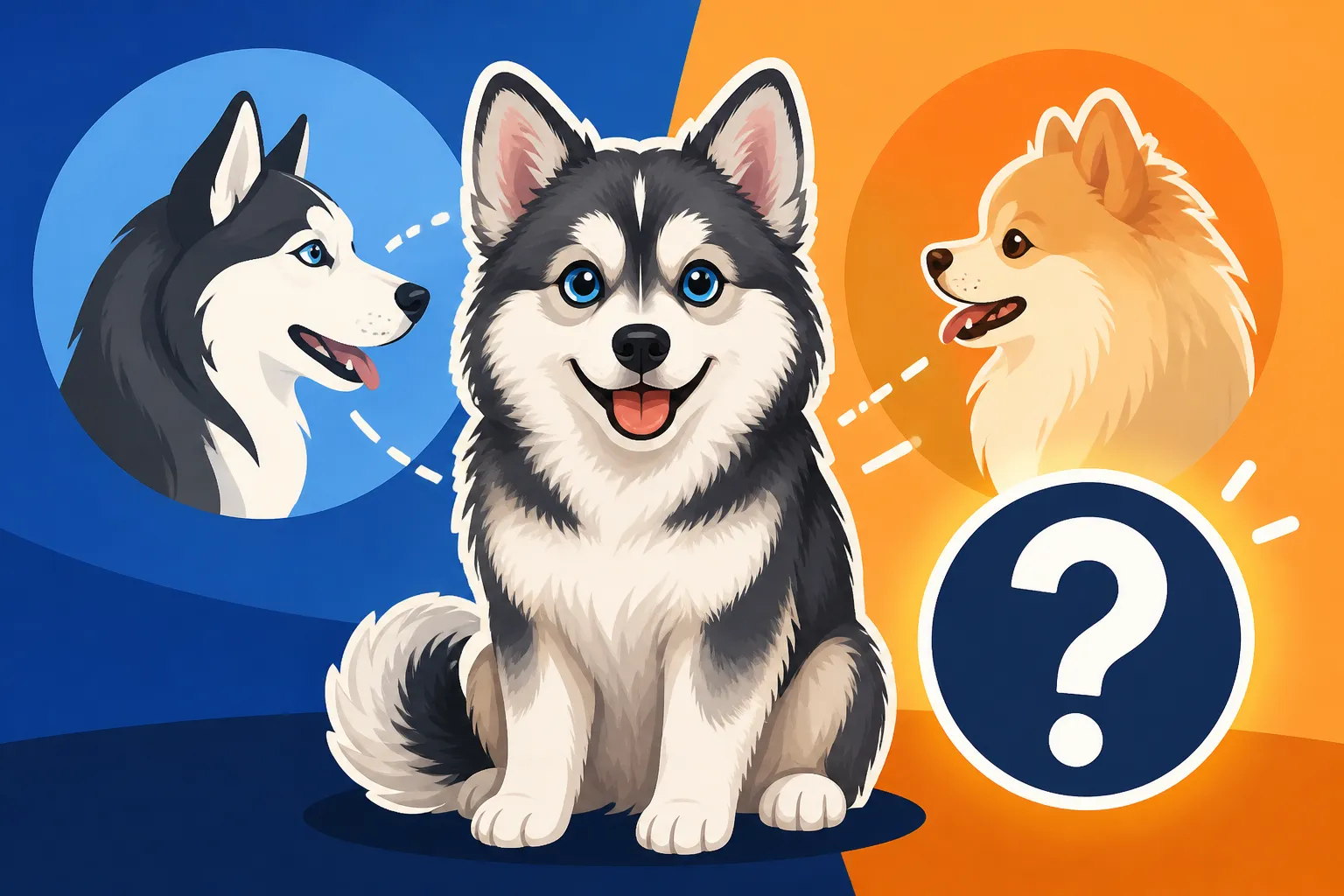
Imagine stumbling upon a picture of a dog that looks exactly like a Siberian Husky, complete with striking blue eyes and a wolf-like coat, but in a pint-sized package. That was the initial allure of the Pomsky. It promised the best of both worlds: the stunning aesthetics and energetic personality of a Husky, scaled down to a more manageable size thanks to the Pomeranian parent. This concept resonated deeply with urban dwellers and those who loved large breeds but lacked the space or lifestyle for one. The early demand was immense, driven largely by curiosity and the captivating visual appeal, often overshadowing the practical realities of breeding and owning such a mix. People lined up, often with hefty deposits, based on the idea of a Pomsky, rather than a fully understood or consistent breed. You can imagine the excitement, but also the potential for disappointment if expectations weren't managed.
The Unpredictability of Early Generations
When the first genuine Pomskies started appearing, primarily in the United States around 2012, there was an understandable variability in their appearance, size, and temperament. This is a common characteristic of F1 (first generation) crosses, where puppies inherit a wide range of traits from both parent breeds. Some puppies might lean heavily towards the Husky in looks and energy, while others might be more Pomeranian in stature and vocalizations. This unpredictability, while charming in its own way, often clashed with the very specific "miniature Husky" image that had spurred initial demand. Buyers who expected a guaranteed outcome sometimes found themselves with a dog that was larger, smaller, or behaved quite differently than their idealized vision. It's a key reason why discussions like Whether an F1 Pomsky Is Healthier Than an F2 are so common; people are always seeking predictability. This initial variance led to some frustration, but also propelled dedicated breeders to work towards greater consistency in later generations.
Pillars of Longevity: What Helps a Crossbreed Endure?
For any crossbreed to move beyond being a passing trend, several critical factors must come into play. It's not enough to simply be cute; there needs to be a solid foundation of responsible breeding, realistic expectations, and a supportive community.
Breeder Dedication and Ethical Practices
The very cornerstone of a lasting crossbreed lies with its breeders. Ethical breeders aren't just looking to capitalize on a trend; they are committed to the health, temperament, and eventual consistency of the dogs they produce. For Pomskies, this means meticulous health testing of both parent breeds for conditions like Slipping Kneecaps in a Pomsky or The Collapsing Trachea a Pomsky Gets From the Pomeranian, ensuring that potential genetic issues are minimized. It also involves carefully selecting pairings to achieve a more predictable size and temperament, working towards a recognizable "type" that defines the Pomsky. This dedication also includes educating prospective owners about the realities of the breed, including its exercise needs, grooming requirements, and potential challenges. Without this strong ethical core, a crossbreed can quickly become a victim of its own popularity, leading to widespread health and behavioral problems that ultimately erode its reputation.
Buyer Expectations vs. Reality
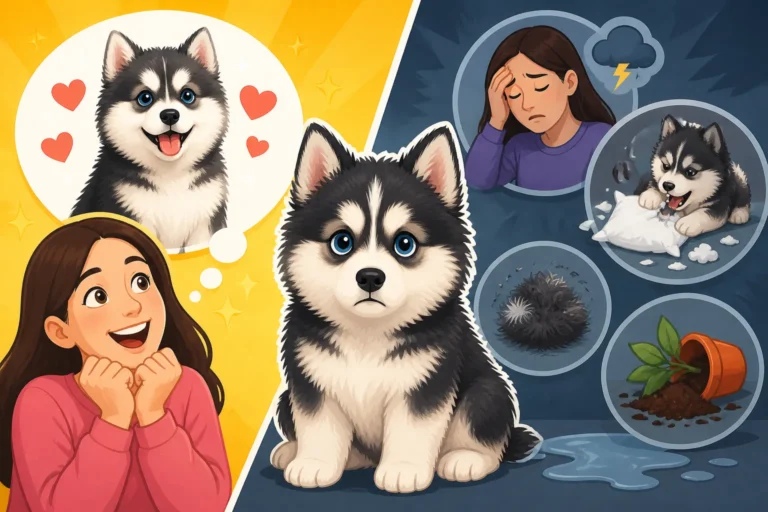
One of the biggest hurdles for any popular crossbreed is managing buyer expectations. The internet often paints an idyllic picture that doesn't always align with the reality of dog ownership. Many people fell in love with the concept of a miniature Husky, but weren't fully prepared for the actual traits inherited from both parent breeds. This can include the vocal nature of a Husky, the independent streak, or the sometimes intense prey drive. If buyers enter into Pomsky ownership without a thorough understanding of these possibilities, disappointment can set in, leading to dogs being rehomed. Honest breeders and comprehensive resources that outline What Pomsky Owners Wish They Had Known are crucial in ensuring that new owners are truly ready for the commitment. When owners understand and embrace the blend of traits, they are more likely to be satisfied and become advocates for the breed.
Community and Infrastructure Development
A strong, organized community is vital for a crossbreed's long-term survival. For the Pomsky, organizations like The International Pomsky Association and What It Sets have emerged, aiming to establish standards, promote responsible breeding, and provide resources for owners. These groups play a crucial role in preventing indiscriminate breeding, offering guidance on health protocols, and fostering a sense of community among enthusiasts. They help to unify the vision for the Pomsky, moving it from a random mix to a more intentional cross with shared goals. Furthermore, the development of breed-specific rescue groups, online forums, and educational platforms helps to support owners through challenges and ensures that Pomskies in need find appropriate homes. This infrastructure is what transforms a temporary craze into a recognized and respected part of the canine world.
The Pomsky's Unique DNA: Challenges and Commitments
The Pomsky isn't just a pretty face; it comes with a blend of traits from its Husky and Pomeranian lineage that require specific care and understanding. These unique characteristics contribute to its appeal for some, but can also be sources of challenges for others.
Health Concerns Specific to the Cross
One of the most critical aspects of any lasting breed or crossbreed is its health profile. The Pomsky, inheriting genetics from both the Siberian Husky and the Pomeranian, can be susceptible to conditions seen in either parent. This means potential owners need to be aware of a broad spectrum of possible issues. From the Husky side, concerns like The Eyes a Pomsky Gets From the Husky (including juvenile cataracts and corneal dystrophy) are important. From the Pomeranian side, issues such as dental crowding, which can lead to Dental Disease in a Pomsky's Crowded Mouth, and patellar luxation, or "slipping kneecaps," are common. Responsible breeders strive to screen for these conditions, but prospective owners must educate themselves and partner with their veterinarian to ensure their Pomsky receives appropriate preventative care throughout its life. It's a commitment to ongoing health management, not just a one-time vet visit.
Temperament and Training Demands
The Pomsky's temperament is a fascinating mix of two very different personalities. You get the independent, sometimes stubborn, and highly intelligent nature of the Husky blended with the bold, often boisterous, and alert demeanor of the Pomeranian. This can result in a dog that is incredibly charismatic and playful, but also one that requires consistent training and early socialization. Owners often describe them as "clever" and "mischievous," which can be charming but also challenging. They thrive on mental stimulation and can be prone to the "Pomsky escape artist" tendencies of their Husky ancestors. This is why addressing behaviors like The Pomsky Escape Artist in a Twenty Pound Body or understanding Whether a Pomsky Is Stubborn or Independent is vital for harmonious living. They need engaging activities, clear boundaries, and an owner who is prepared to be consistent and patient.
Grooming and Maintenance Commitments
The double coat of a Pomsky is undeniably beautiful, giving them that plush, miniature Husky appearance. However, this gorgeous coat comes with significant grooming demands. Most Pomskies carry The Pomsky That Carries a Husky Coat at Twenty Pounds, meaning they have a dense undercoat and a longer, coarser outer coat. They will "blow" their coat twice a year, resulting in an incredible amount of shedding. Regular brushing, especially with an undercoat rake, is non-negotiable to prevent matting and manage shedding. Furthermore, it's crucial to understand Why a Pomsky Must Never Be Shaved, as shaving can permanently damage their protective double coat. Keeping up with this grooming regimen requires time, effort, and the right tools. Many owners find it helpful to have a reliable source for grooming supplies and healthy treats, stocking up regularly from retailers like Chewy to ensure they always have what they need for a happy, well-maintained pup.
Looking to the Future: The Future Trajectory of the Pomsky
So, given all these considerations, will the Pomsky truly last as a distinct cross? The signs point towards a sustained, albeit evolving, presence. The initial "fad" phase is likely behind us, and what remains is a dedicated community of breeders and owners who appreciate the unique qualities of this energetic and affectionate dog.
Moving Towards Consistency and Recognition
For the Pomsky to genuinely "last," it needs to continue on the path towards greater consistency. This means breeders working together to define a clearer "type" – a set of characteristics for size, appearance, and temperament that are reliably reproduced. While full kennel club recognition as a purebred might be a very distant goal, if it ever happens, the ongoing efforts of organizations like the IPA to document pedigrees and promote best practices are crucial. This maturation process allows prospective owners to have a more accurate expectation of what a Pomsky will be like, fostering greater owner satisfaction and reducing the number of dogs surrendered due to unmet expectations. A clearer definition helps the breed carve out its own niche rather than simply being seen as a "mini-Husky."
The Role of Long-Term Owner Satisfaction
Ultimately, the longevity of any breed or crossbreed hinges on the satisfaction of its owners over the long term. If Pomsky owners continue to be delighted by their dogs' personalities, thrive on the active lifestyle they encourage, and feel well-supported in managing their care, the cross will continue to flourish. This means providing ample exercise to fulfill their energy needs, engaging them with training to harness their intelligence, and maintaining their double coats with diligent grooming. Many owners find that investing in high-quality food, treats, and toys from places like Chewy not only keeps their Pomsky happy but also strengthens the bond over many years. As more people share their positive experiences, the Pomsky's reputation as a wonderful companion will solidify, ensuring its place in the diverse tapestry of canine breeds. It's the enduring love and commitment of individual owners that forms the true foundation for any dog's lasting appeal.
| Factor | Contributes to Lasting Popularity | Contributes to Fleeting Fad |
|---|---|---|
| Breeding Practices | Ethical, health-tested, goal-oriented | Opportunistic, profit-driven, no standards |
| Buyer Education | Realistic expectations, informed choices | Idealized images, impulsive decisions |
| Community Support | Active clubs, rescue, owner resources | Dispersed, unorganized, little support |
| Health Management | Proactive screening, responsible care | Ignoring genetic predispositions |
| Temperament Consistency | Predictable, manageable, trainable traits | Wide variability, challenging behaviors |
| Physical Appearance | Consistent type, functional characteristics | Extreme variations, emphasis on novelty |
| Owner Commitment | Long-term dedication, adapting to needs | Seeking easy ownership, unprepared for demands |
Disclaimer
This article is for general informational purposes only and does not constitute professional advice. Laws, prices and regulations vary by location and change over time. Consult a qualified professional for guidance on your specific situation.