Dental Disease in a Pomsky’s Crowded Mouth
It’s a heart-sinking moment for many Pomsky owners: that first whiff of truly bad breath from their beloved companion. You love those cheeky Husky-Pomeranian grins, but their unique oral anatomy often sets them up for a lifetime of dental challenges, from crowded teeth to painful periodontal disease. This guide will walk you through exactly why your Pomsky is prone to these issues, how to spot the early signs, and what you can do both at home and with your vet to keep their pearly whites healthy and their breath fresh.
The Unique Challenge of Pomsky Dental Health
One of the less-talked-about genetic quirks of the Pomsky, often overshadowed by their stunning looks, is their predisposition to dental issues. It’s not just bad luck; it’s a direct consequence of their mixed heritage, a blend that can create a perfect storm for oral health problems.
Why Small Jaws and Larger Teeth Are a Recipe for Trouble
Imagine trying to fit a full set of Husky-sized teeth into a Pomeranian-sized jaw. That's essentially the dilemma many Pomskies face. Pomeranians, being a toy breed, naturally have smaller jaws, and while their teeth are proportionally small, their offspring, the Pomsky, can inherit a wider range of tooth sizes. Sometimes, they get the smaller jaw from their Pomeranian side but bigger, broader teeth from their Husky lineage. This mismatch leads to what veterinarians call dental crowding.
When teeth are too crowded, they don't sit neatly in alignment. Instead, they might overlap, rotate, or even push against each other, creating tight spaces that are nearly impossible to clean effectively, even with diligent brushing. This crowding isn't just about aesthetics; it's a significant health concern that sets the stage for a host of problems down the line. It also means that some of their baby teeth, or deciduous teeth, might not fall out when they should, leading to even more problematic crowding. This specific concern is often why veterinarians discuss Whether a Pomsky's Baby Teeth Need Pulling during puppy check-ups.
The Cascade Effect of Dental Crowding
Once teeth are crowded and misaligned, it's a slippery slope toward more serious oral health issues. Those tight, hard-to-reach crevices become prime real estate for food particles, plaque, and bacteria to accumulate. Unlike in humans who brush multiple times a day, dogs rarely get such thorough cleaning, making these hidden pockets a breeding ground for trouble.
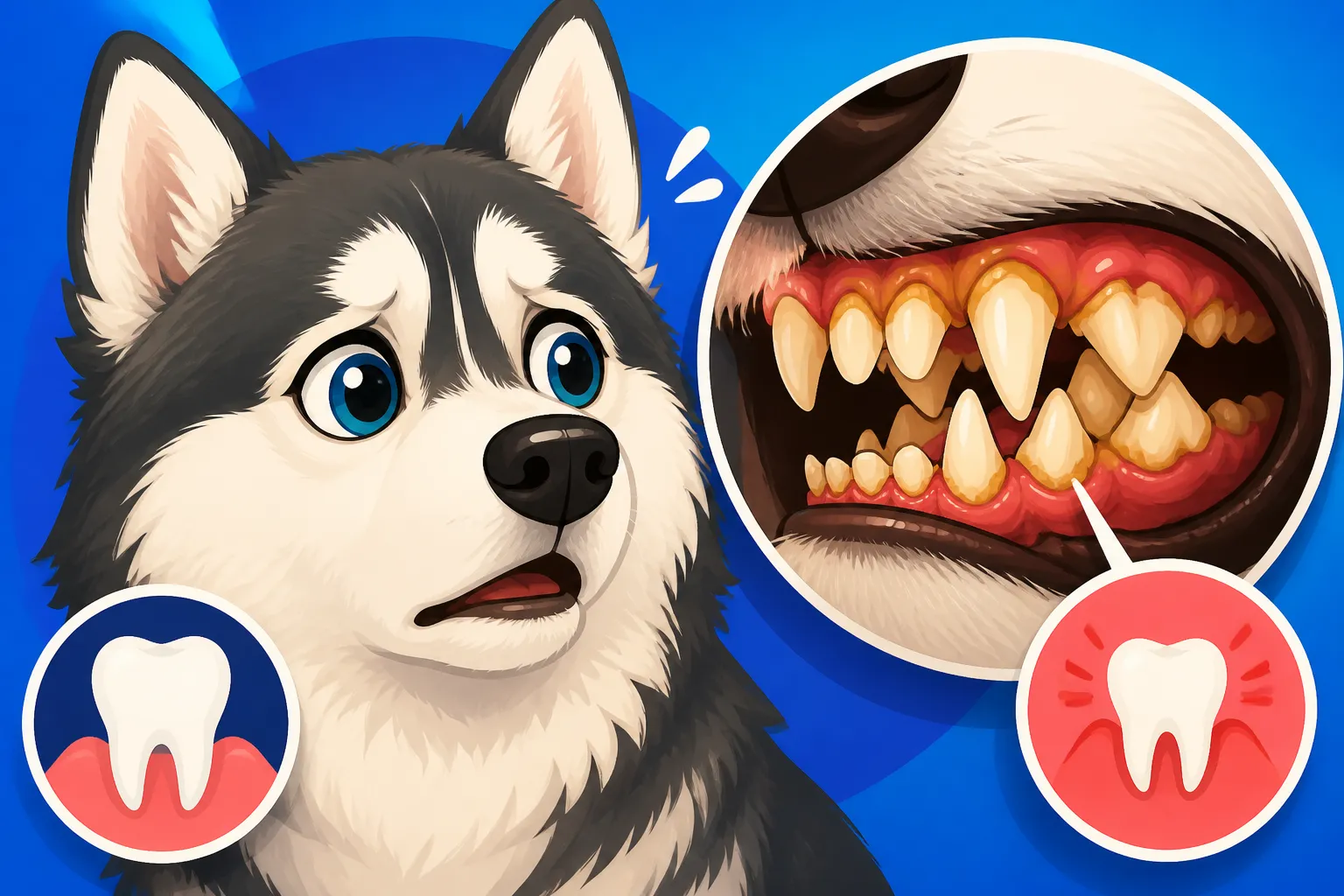
Initially, this buildup might just manifest as an unpleasant odor – that classic "dog breath." But over time, plaque hardens into tartar, a cement-like substance that firmly adheres to the tooth surface. Tartar is rough and irritating to the gums, leading to inflammation known as gingivitis. You might notice your Pomsky’s gums look red, swollen, or even bleed slightly when they chew on something hard. If left unchecked, gingivitis progresses to periodontal disease, a much more severe condition where the inflammation spreads beneath the gum line, attacking the supporting structures of the teeth, including the bone. This can be incredibly painful and ultimately lead to loose teeth, infections, and even tooth loss.
Spotting the Silent Signs of Dental Disease
Our Pomskies are masters of hiding discomfort, a trait inherited from their wild ancestors who wouldn't show weakness. This stoicism means that by the time you notice overt signs of dental pain, the problem is often quite advanced. That's why being vigilant about subtle changes is so crucial.
Behavioral Clues Your Pomsky Might Be in Pain
Your Pomsky can't tell you in words that their mouth hurts, but they'll often show it through changes in their behavior. Pay close attention to these indicators:
- Changes in Eating Habits: Is your usually enthusiastic eater suddenly approaching their bowl with hesitation? Are they dropping food, or perhaps chewing only on one side of their mouth? You might even notice them preferring softer foods or gulping down kibble without really chewing. This could be a direct result of pain when biting down or food getting caught in sore areas.
- Pawing at the Mouth or Rubbing the Face: If you see your Pomsky repeatedly pawing at their mouth, rubbing their face against furniture, or frequently licking their lips, they might be trying to alleviate discomfort or dislodge something stuck.
- Excessive Drooling: While some drooling is normal, an increase in saliva, especially if it's thick or tinged with blood, can signal oral pain or infection.
- Irritability or Reluctance to Be Touched: A dog in pain might become grumpy or snap when you try to touch their face or head. If your affectionate Pomsky suddenly recoils from your gentle chin scratches, it's a significant red flag. They might even become generally more withdrawn or less playful.
- Decreased Interest in Chewing Toys: If your Pomsky loves their chew toys but has suddenly lost interest, it could be because chewing has become too painful.
These behavioral shifts are often the first, subtle indicators that something is amiss in your Pomsky's mouth. Don't dismiss them as just "being picky" or "getting older."
Physical Red Flags and When to Act
Beyond behavior, there are clear physical signs you can look for during a gentle at-home check, though many Pomskies will require professional help to get a full picture.
- Bad Breath (Halitosis): This is perhaps the most common and noticeable sign. While some "dog breath" is normal, a truly foul, pungent odor that makes you recoil is not. It’s almost always a sign of significant bacterial overgrowth and dental disease.
- Visible Tartar Buildup: Gently lift your Pomsky's lips and examine their teeth, especially the molars and canines. Do you see yellowish, brownish, or even blackish deposits on the tooth surface, particularly near the gum line? That's tartar. The more severe the buildup, the more advanced the disease.
- Red, Swollen, or Bleeding Gums: Healthy gums should be a pale pink color. If they appear bright red, swollen, or bleed when gently touched or when your Pomsky chews, it indicates gingivitis or more advanced periodontal disease.
- Loose or Missing Teeth: In advanced cases, teeth might become noticeably loose or even fall out. This is usually accompanied by significant pain and infection.
- Swelling Around the Muzzle or Under the Eye: This can indicate an abscessed tooth root, where infection has spread from the tooth into the surrounding tissues. An abscess is incredibly painful and requires immediate veterinary attention.
- Receding Gums: As periodontal disease progresses, the gums can recede, exposing more of the tooth root. This makes the teeth appear longer than usual.
It's crucial to understand that dental issues don't just affect the mouth. The bacteria from severe dental infections can enter the bloodstream and travel to other organs, including the heart, kidneys, and liver, causing serious systemic health problems. This is why regular dental care and professional intervention are not just about fresh breath; they are about your Pomsky's overall health and longevity. If you spot any of these physical signs, especially combined with behavioral changes, schedule an appointment with your veterinarian as soon as possible. They can assess the severity and recommend the appropriate course of action, which might include a professional dental cleaning. To prevent issues, regular veterinary checks, including dental assessments, are part of The Screening a Pomsky Should Have Yearly.
Your Role in Proactive Dental Care
Taking a proactive approach to your Pomsky’s dental health can save them from pain and you from significant vet bills down the road. It’s a combination of consistent home care and professional veterinary intervention.
Establishing a Routine for Home Oral Hygiene
Just like us, daily cleaning is the gold standard for preventing plaque and tartar buildup.
- Brushing Those Pearly Whites: This is by far the most effective thing you can do at home. Start early when your Pomsky is a puppy, making it a positive experience with lots of praise and treats. You’ll need a dog-specific toothbrush (finger brushes work well for small mouths, or a soft-bristled brush) and enzymatic dog toothpaste – never use human toothpaste, as it contains ingredients toxic to dogs. Aim for daily brushing, or at least every other day, focusing on the outside surfaces of the teeth and the gum line. Even a few seconds of gentle brushing can make a huge difference. For tips on how to introduce this, you might find information on Teaching a Pomsky to Be Brushed helpful.
- Dental Chews and Treats: These can be a helpful supplement, but not a replacement for brushing. Look for VOHC (Veterinary Oral Health Council) approved products. These products have been scientifically proven to reduce plaque and/or tartar. Brands like Greenies, Oravet Chews, and Virbac C.E.T. VeggieDents are popular choices. Always choose a size appropriate for your Pomsky and supervise them to prevent choking, especially if they’re an enthusiastic chewer. Remember, some chews are designed for mechanical scrubbing, while others contain enzymes to help break down plaque. However, don't rely solely on these; they can't reach all surfaces like a toothbrush can. More specific advice on Whether a Pomsky Needs Dental Chews can guide your choices.
- Water Additives and Oral Rinses: These products contain ingredients that can help reduce bacteria in the mouth and freshen breath. They are typically added to your Pomsky’s drinking water or applied directly to their gums. While they offer some benefit, they are generally less effective than brushing or VOHC-approved chews at removing existing plaque and tartar. Think of them as an extra layer of protection, not a primary defense.
Consistency is key with home dental care. Even if you can’t manage daily brushing, doing it regularly will make a significant impact on your Pomsky’s long-term oral health.
The Non-Negotiable Necessity of Professional Cleanings
No matter how diligent you are with home care, most Pomskies will eventually need a professional dental cleaning under anesthesia. These cleanings are far more comprehensive than anything you can achieve at home.
During a professional dental cleaning, your veterinarian will:
- Perform a thorough oral exam: This includes checking every tooth and the surrounding gum tissue.
- Take dental X-rays: This is crucial because up to 60% of dental disease lies below the gum line, invisible to the naked eye. X-rays reveal issues like root abscesses, bone loss, and unerupted teeth.
- Scale and Polish: Using specialized ultrasonic scalers, plaque and tartar are meticulously removed from above and below the gum line. The teeth are then polished to create a smooth surface, making it harder for plaque to adhere again.
- Extract Diseased Teeth: If X-rays or the visual exam reveal severely diseased or painful teeth, extractions may be necessary to alleviate pain and prevent further infection.
Many owners worry about anesthesia, especially for smaller dogs. It's a valid concern! However, modern veterinary anesthesia protocols are very safe. Your vet will typically recommend pre-anesthetic blood work to ensure your Pomsky's organs are functioning properly, and they'll monitor vital signs closely throughout the procedure. The benefits of a pain-free, infection-free mouth far outweigh the minimal risks of anesthesia. You can always discuss whether anesthesia is riskier on a small Pomsky with your vet to address any specific concerns.
These cleanings are an investment in your Pomsky's health. Depending on the severity of the disease, a cleaning can range from a few hundred to over a thousand dollars, especially if extractions or advanced treatments are needed. This is where a robust pet insurance plan can be a lifesaver. Providers like Healthy Paws offer coverage that can significantly ease the financial burden of unexpected veterinary care, including those often-pricey dental procedures. Knowing you have that safety net, like through Healthy Paws, allows you to make the best health decisions for your furry family member without undue stress about costs. To give you an idea of potential expenses, you might want to look into How Often a Pomsky's Teeth Need Scaling and What a Pomsky Dental Costs.
| Home Dental Care Option | Pros | Cons | Frequency Recommended |
|---|---|---|---|
| Toothbrushing | Most effective at removing plaque; direct action | Requires cooperation from dog; can be time-consuming | Daily to every other day |
| Dental Chews/Treats | Helps reduce plaque/tartar; enjoyable for dog | Not a complete solution; choking hazard if unsupervised; calorie intake | Daily, as directed by product |
| Water Additives/Rinses | Easy to administer; freshens breath | Less effective at removing existing plaque/tartar; some dogs dislike taste | Daily, with water changes |
| Dental Diets | Kibble designed to mechanically scrape teeth | May not be suitable for all dogs; requires commitment to specific food | Daily, as part of regular meals |
Tackling Advanced Dental Problems
Sometimes, despite our best efforts, or if a Pomsky comes into our lives with pre-existing conditions, we face advanced dental challenges. These require prompt and professional veterinary attention.
Addressing Puppy Dental Issues: Retained Baby Teeth
One common issue in Pomsky puppies, directly related to their mixed heritage, is retained deciduous teeth. Just like human children, puppies develop a set of "baby" teeth that are eventually replaced by permanent adult teeth. In Pomskies, particularly the smaller ones, those baby teeth sometimes don't fall out when they should. The adult tooth then erupts right next to the baby tooth, leading to two teeth occupying the space meant for one. This creates significant crowding, traps food, and can lead to malocclusion (improper bite).
Retained baby teeth need to be extracted by a vet. This is often done when the puppy is spayed or neutered, as they are already under anesthesia. Leaving them in can cause permanent damage to the adult teeth, severe periodontal disease, and considerable discomfort. It’s a simple procedure that makes a huge difference in their long-term oral health, setting them up for a much healthier mouth throughout their The Twelve to Fifteen Years a Pomsky Lives.
Navigating Periodontal Disease and Tooth Extractions
Periodontal disease is a progressive condition. It starts with gingivitis and, if untreated, advances to destroy the structures supporting the teeth. This can involve significant pain, bone loss in the jaw, and eventually, teeth becoming so loose or infected that they need to be extracted.
When a Pomsky has advanced periodontal disease, extractions are often necessary to alleviate pain and eliminate sources of infection. While losing a tooth sounds drastic, it's often the kindest solution for a tooth that is causing constant pain or posing a risk to the dog's overall health. Your vet will explain which teeth need to be removed based on examination and X-ray findings. Post-extraction care usually involves pain medication, antibiotics, and a soft food diet for a period. Dogs recover surprisingly well from extractions and are much happier once the source of pain is gone.
These procedures can be costly, depending on the number of teeth extracted and the complexity of the extractions. This is another area where a comprehensive pet insurance policy, like those offered by Healthy Paws, can provide invaluable support. Dental coverage can help cover a significant portion of the costs associated with periodontal disease treatment, including extractions, allowing you to focus on your Pomsky's recovery rather than the bill. It's an important consideration when thinking about What Fourteen Years With a Pomsky Comes To.
A Lifetime of Healthy Smiles for Your Pomsky
Caring for your Pomsky's dental health isn't just a chore; it's a fundamental part of responsible pet ownership that contributes significantly to their quality of life and longevity.
Beyond the Basics: Diet and Longevity
While brushing and professional cleanings are paramount, diet also plays a supporting role. Some kibbles are specially formulated with a larger, more abrasive kibble size designed to mechanically scrub the teeth as your Pomsky chews. These "dental diets" can be a good option, especially if your Pomsky is resistant to brushing or if they have a history of rapid plaque buildup. Discussing Whether a Pomsky Needs Small Breed Kibble with your vet might lead to considering a dental-specific formula.
It's also wise to limit sugary treats or human foods that can contribute to plaque formation. Just like in humans, refined carbohydrates can feed oral bacteria. Opt for healthy, low-sugar dog treats or vet-approved dental chews instead. A healthy mouth contributes to a healthy body. Chronic inflammation and infection from dental disease can put a strain on your Pomsky's immune system and increase the risk of other health problems, impacting The Average Age a Pomsky Reaches. By maintaining good oral hygiene, you're not just ensuring fresh breath; you're safeguarding their overall well-being.
Prioritizing Prevention for Overall Wellness
Ultimately, the best approach to dental disease in Pomskies is prevention. Establishing a regular home care routine from puppyhood, ensuring regular veterinary check-ups that include oral assessments, and being proactive about professional dental cleanings are all crucial steps. If you're a first-time Pomsky owner, or even if you're experienced, the initial training to get them used to mouth handling and brushing can be a challenge. Resources on Whether a Pomsky Needs a Professional Trainer could even apply to cooperative grooming and dental care.
Remember, dental disease is progressive, and the longer it goes untreated, the more invasive and costly the solutions become. By being vigilant and consistent, you can help your Pomsky avoid painful dental issues, keep their mouth healthy, and ensure they continue to flash those adorable, healthy smiles for years to come.
Disclaimer
This article is intended for informational purposes only and does not constitute veterinary advice. Always consult with a qualified veterinarian for any health concerns or before making any decisions about your Pomsky's care.