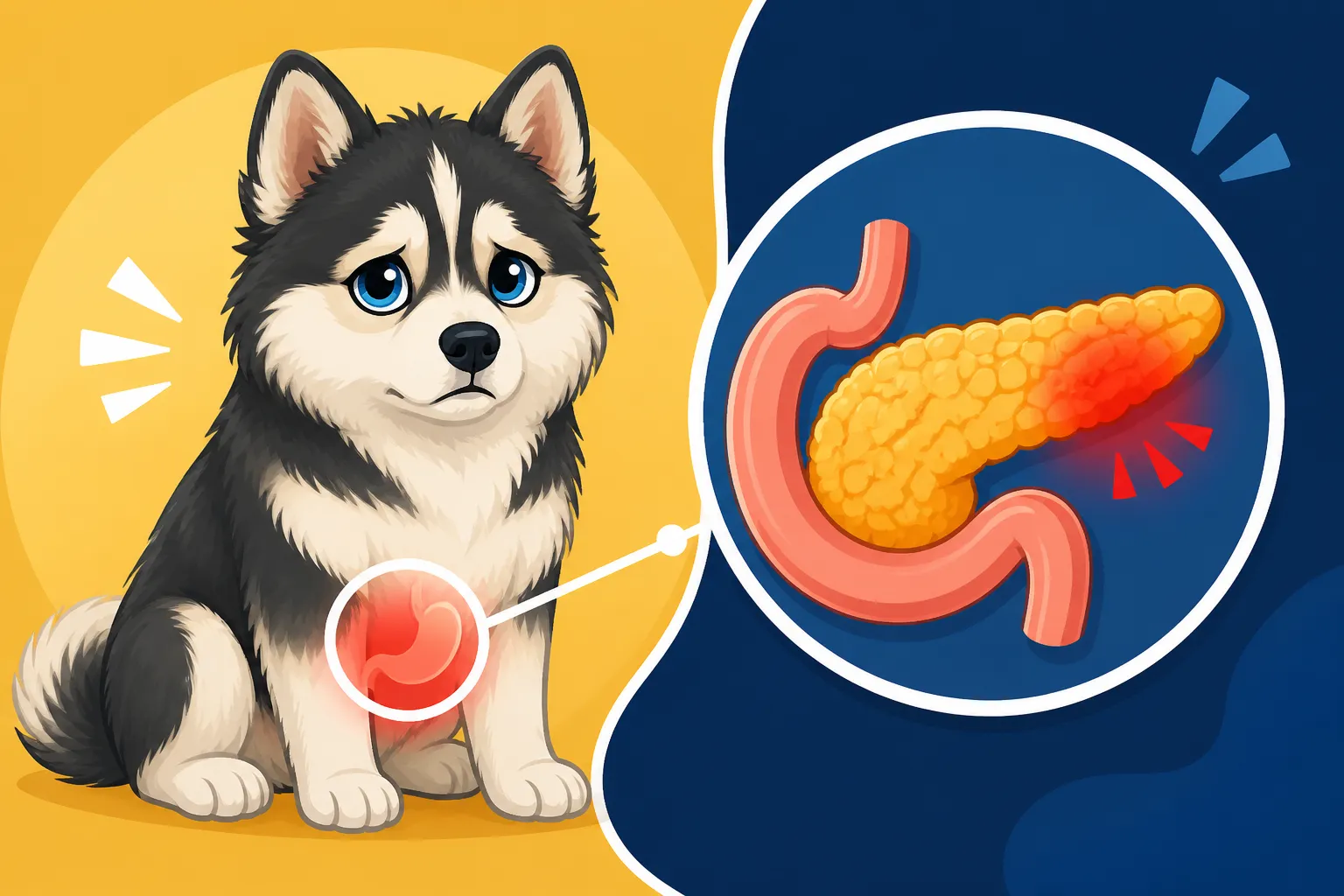
Whether a Pomsky Gets Pancreatitis
It's a scary moment for any pet parent when your beloved Pomsky isn't feeling well, and sometimes the signs are so subtle, you're left wondering if it's just a fleeting upset stomach or something far more serious. One of those truly worrying conditions that can sneak up on a dog is pancreatitis, an inflammation of the pancreas that can range from mild to life-threatening. This guide is here to shed light on what pancreatitis is, how it might affect your fluffy companion, and most importantly, what you can do to recognize, prevent, and manage it, so you're better prepared to keep your Pomsky healthy and happy.
Understanding Pancreatitis and its Impact on Pomskies
When we talk about pancreatitis, we're referring to inflammation of the pancreas, a vital organ tucked away near your dog's stomach. The pancreas has two big jobs: producing enzymes that help digest food and creating hormones like insulin that regulate blood sugar. When it becomes inflamed, these digestive enzymes can actually start attacking the pancreas itself, leading to pain, damage, and potentially severe systemic issues. It's a truly nasty condition, and while no breed is completely immune, understanding the risks for a Pomsky is crucial.
The truth is, Pomskies, being a mix of Siberian Husky and Pomeranian, inherit a blend of traits, and sometimes that includes predispositions to certain health issues. While Huskies aren't particularly noted for pancreatitis, the Pomeranian side of your Pomsky's lineage can introduce a higher risk factor. Small breeds, in general, tend to be more susceptible to pancreatitis, often linked to dietary indiscretion or high-fat meals. So, while your Pomsky might have a Husky's sturdy build, their digestive system could lean towards the more delicate Pomeranian side, making them potentially more vulnerable to this painful condition.
The Pancreas and Its Crucial Role
Imagine your dog's pancreas as a diligent little factory, constantly working behind the scenes. Its main function is exocrine, meaning it produces powerful enzymes – amylase, lipase, and proteases – that break down carbohydrates, fats, and proteins respectively. These enzymes are usually activated only when they reach the small intestine, but with pancreatitis, they get activated prematurely while still inside the pancreas. This premature activation is what causes the organ to essentially "digest itself," leading to painful inflammation.
Beyond digestion, the pancreas also plays an endocrine role, producing hormones like insulin and glucagon. These hormones are essential for regulating blood sugar levels. If pancreatitis is severe or chronic, it can damage these hormone-producing cells, potentially leading to other serious health problems down the line, such as diabetes. It's a complex organ, and when it goes awry, it can have a cascading effect on your Pomsky's overall health and well-being.
Why Some Dogs Are More Susceptible
It’s not entirely clear why some dogs get pancreatitis and others don’t, but several factors are commonly associated with an increased risk. High-fat diets are a big one; feeding your Pomsky rich table scraps, fatty meats, or certain processed treats can overwhelm the pancreas and trigger an acute episode. Think of that leftover bacon grease from breakfast – delicious to your Pomsky, but potentially disastrous for their pancreas. Obesity is another significant risk factor, as excess fat in the body can contribute to inflammation. Therefore, keeping your Pomsky at a healthy weight is paramount, something we often discuss in articles like Keeping a Pomsky's Weight in Range and Signs a Pomsky Is Carrying Too Much Weight.
Certain medications, trauma to the abdomen, and underlying health conditions like Cushing's disease or hypothyroidism can also play a role. Even genetic predispositions are suspected in some breeds, including smaller dogs and certain terrier breeds, which means that Pomeranian influence in your Pomsky could be a silent risk. Being proactive about managing these risk factors is often the best defense, and recognizing that your Pomsky, despite their Husky heritage, might have a more sensitive system is the first step.
Spotting the Warning Signs of Pancreatitis in Your Pomsky
Recognizing pancreatitis early is absolutely vital, as prompt veterinary attention can significantly improve your Pomsky's prognosis. The challenge, however, is that the symptoms can sometimes be vague or mimic other gastrointestinal upsets. It’s not always a dramatic event, and sometimes it can be chronic and smolder over time. As a Pomsky owner, you know how expressive they can be, but also how stoic they might be trying to hide their discomfort, so paying close attention to any changes in their behavior or routine is incredibly important.
An acute episode of pancreatitis often comes on suddenly and can be quite severe, while chronic pancreatitis might present with milder, intermittent symptoms over a longer period. Both forms require attention, but the sudden onset of acute pancreatitis is often a veterinary emergency. If you ever suspect your Pomsky is in severe pain or distress, don't hesitate; head straight to your emergency vet. Your vet bills can add up quickly in these situations, which is why many owners consider pet insurance from providers like Healthy Paws.
Common Symptoms of Acute Pancreatitis
When a Pomsky experiences acute pancreatitis, the symptoms are usually quite noticeable and often severe. The most common signs include repeated vomiting and diarrhea, sometimes accompanied by blood. Your Pomsky will likely lose their appetite completely and might seem incredibly lethargic, unwilling to move or play. A tell-tale sign is severe abdominal pain; you might notice them hunched over, standing in a "praying position" with their front paws on the ground and rear end elevated, trying to relieve the pressure on their inflamed abdomen.
Other indicators can include fever, weakness, and dehydration. If you gently touch their abdomen, they might react with yelping or growling, indicating extreme tenderness. These signs aren't just uncomfortable; they can quickly lead to shock if left untreated, making swift action imperative. It's truly heartbreaking to see your usually vibrant Pomsky in such distress, and knowing these symptoms can empower you to act quickly.
Subtle Indicators of Chronic Pancreatitis
Chronic pancreatitis can be a much trickier beast to identify because its symptoms are often less dramatic and can wax and wane. Your Pomsky might have periods where they seem perfectly fine, interspersed with days where they just aren't themselves. You might notice occasional vomiting or soft stools, a reduced appetite that comes and goes, or a general lack of energy that you might attribute to a "bad day." They might seem a bit picky with their food, turning their nose up at meals they usually devour.
Sometimes, the only signs are a subtle change in their coat quality or a gradual weight loss, even if they're eating normally on most days. Because these signs are so non-specific, they can easily be mistaken for other minor ailments or just an off period. This is where regular vet check-ups and open communication with your veterinarian become crucial, allowing them to spot trends or subtle changes over time that you might miss. It's often through consistent monitoring that chronic issues, including conditions like Whether a Pomsky Gets Heart Disease, are identified.
Diagnosing and Managing Pancreatitis in Your Pomsky
Once you've noticed concerning symptoms in your Pomsky, the next crucial step is getting a proper diagnosis from your veterinarian. This usually involves a combination of a thorough physical examination, a detailed history from you (every detail about recent food, activity, and symptoms counts!), and specific diagnostic tests. Don't be shy about describing everything, no matter how small or seemingly insignificant, because these pieces of information can be vital clues for your vet.
Managing pancreatitis, whether acute or chronic, is often a multi-faceted approach. There's no single "magic bullet" cure, but rather a strategy focused on supportive care, pain management, and preventing future flare-ups. This is a journey you'll embark on with your vet, and being prepared for the commitment, both emotionally and financially, is important. A good pet insurance plan from a company like Healthy Paws can certainly help ease the financial burden if an unexpected diagnosis like this comes your way.
The Diagnostic Process
When you take your Pomsky to the vet with suspected pancreatitis, they will likely start with a physical exam, checking for abdominal pain, dehydration, and fever. Blood tests are a cornerstone of diagnosis. Your vet will look at a complete blood count (CBC) and a biochemistry panel, which can indicate inflammation, dehydration, and assess organ function. However, the most specific test for pancreatitis is often a canine pancreatic lipase immunoreactivity (cPLI) test. This blood test measures the level of pancreatic lipase, an enzyme that is significantly elevated during pancreatitis.
In some cases, your vet might recommend imaging, such as an abdominal ultrasound. This allows them to visualize the pancreas directly, looking for inflammation, fluid accumulation, or other abnormalities. X-rays can sometimes be used to rule out other causes of vomiting, but they aren't typically diagnostic for pancreatitis itself. Combining these tests helps your vet piece together the full picture and confirm a diagnosis of pancreatitis.
Treatment Strategies and Dietary Management
Treatment for acute pancreatitis is primarily supportive and aims to reduce pain, inflammation, and manage secondary issues. This typically involves hospitalizing your Pomsky for intravenous (IV) fluids to combat dehydration and maintain electrolyte balance. Pain medication is absolutely essential, as pancreatitis is incredibly painful, and anti-nausea medications will help control vomiting. In some cases, antibiotics might be prescribed if a secondary bacterial infection is suspected, although they are not a primary treatment for the inflammation itself.
Dietary management is arguably the most critical component, especially for chronic cases or after an acute episode. Your vet will likely recommend a prescription low-fat diet to give the pancreas a break and prevent further irritation. This is a long-term commitment. Suddenly, the treats you used to give or even certain types of kibble, like those discussed in Whether a Pomsky Needs Small Breed Kibble, might be off-limits. Table scraps become an absolute no-go. For some Pomskies, a hydrolyzed protein diet might be necessary if food sensitivities are contributing to the problem. The goal is to minimize pancreatic stimulation and allow the organ to heal and rest.
Table: High-Fat Foods and Scraps to Avoid for Pancreatitis-Prone Pomskies
| Category | Examples to Avoid | Why Avoid? |
|---|---|---|
| Fatty Meats | Bacon, sausage, greasy hamburger, steak trimmings | Extremely high in fat, can trigger acute flare-ups. |
| Dairy Products | Cheese, milk, butter, ice cream | High fat content and lactose can cause GI upset. |
| Fried Foods | Fried chicken, French fries, donuts | Excessive fat and often poor nutritional quality. |
| Baked Goods | Pastries, cakes, cookies | High in sugar and unhealthy fats. |
| Avocado | Contains persin, toxic in large amounts and high fat | Can cause GI upset and is a known irritant. |
| Gravy & Sauces | Often made with fats, oils, and unhealthy ingredients | Hidden fats and seasonings. |
| Certain Treats | Fatty chews, rich dental treats, rawhides | Some commercial treats can be surprisingly high in fat. |
Preventing Pancreatitis and Ensuring Long-Term Health
The best treatment, as they say, is prevention. While you can't eliminate all risk factors for pancreatitis in your Pomsky, there's a great deal you can do to significantly reduce their chances of developing this painful condition or experiencing recurrent flare-ups. It largely boils down to diligent dietary management, maintaining a healthy weight, and staying on top of their general health through regular veterinary care. It’s about creating a lifestyle for your Pomsky that supports their pancreatic health.
Thinking about the long haul, responsible pet ownership also means being prepared for unexpected health challenges. Conditions like pancreatitis can strike suddenly and require intensive, costly care. This is where a robust pet insurance plan can be an absolute lifesaver. Providers like Healthy Paws offer coverage that can help offset the significant expenses associated with emergency treatments, hospital stays, and ongoing medication or specialized diets.
Diet and Weight Management: Your First Line of Defense
As we've touched upon, diet plays a monumental role in pancreatitis. The single most impactful step you can take is to feed your Pomsky a consistent, high-quality, low-fat diet. This means choosing a commercial dog food that is specifically formulated for their needs, consulting with your vet about the best options, and sticking to it. Avoid those tempting table scraps at all costs, no matter how much those big, expressive Pomsky eyes plead with you. Even seemingly innocent fatty treats can be a trigger. You might find more detailed information on appropriate feeding in articles like Feeding a Twenty Pound Pomsky.
Maintaining a healthy weight is equally critical. Overweight or obese dogs are at a higher risk for pancreatitis, among a host of other health issues. Regular, appropriate exercise, tailored to your Pomsky's energy levels and size, combined with portion-controlled feeding, will help them stay trim. If your Pomsky is already carrying a few extra pounds, work closely with your vet to implement a safe and effective weight loss plan. It’s not just about aesthetics; it's about their internal health and longevity. The goal is to keep them thriving for The Twelve to Fifteen Years a Pomsky Lives.
Regular Veterinary Care and Proactive Monitoring
Beyond diet and weight, regular veterinary check-ups are your best friend in proactive health management. Your vet can monitor your Pomsky's overall health, catch any subtle changes that might indicate an underlying issue, and conduct routine blood work that could flag potential problems before they escalate. Discuss any concerns you have about your Pomsky's appetite, energy levels, or stool quality, even if they seem minor.
If your Pomsky has had pancreatitis before, your vet will likely recommend regular follow-up appointments and possibly periodic blood tests to monitor their pancreatic health. You, as the owner, will also become a keen observer, learning to recognize even the most subtle signs that could signal an impending flare-up. Proactive monitoring and open communication with your veterinary team are the cornerstones of ensuring your Pomsky lives a full, comfortable life, minimizing the chances of severe pancreatitis episodes. Many of these conversations can also touch upon managing the common health issues that might pop up, as highlighted in What Actually Kills Most Pomskies.
Disclaimer
This guide is intended for informational purposes only and does not constitute professional veterinary advice. Always consult with a qualified veterinarian for any health concerns or before making any decisions about your Pomsky's medical care or diet.