What Artificial Insemination Costs a Pomsky Breeder
Anyone considering breeding Pomskies, or even just adopting one of these wonderful dogs, quickly realizes that their journey into the world of Pomsky parenthood comes with a distinct financial reality. Unlike many breeds that can be bred naturally, the significant size difference between a male Pomeranian and a female Siberian Husky means that artificial insemination isn't just an option—it's a necessity. This deep dive will explore the real costs associated with artificial insemination for a Pomsky breeder, helping you understand the complex financial landscape behind bringing these delightful puppies into the world.
Understanding the Unique Breeding Challenges of Pomskies
The Pomsky is a designer breed that captures hearts with its striking Husky-like features in a more compact, Pomeranian-sized package. But this unique combination isn't achieved through casual backyard breeding; it requires careful, deliberate planning and significant veterinary intervention. The biology of these two parent breeds simply doesn't allow for natural conception in a safe and ethical manner, which is a crucial point for anyone thinking about getting involved in Pomsky breeding.
Why Natural Breeding Isn't an Option
Imagine a tiny male Pomeranian attempting to breed with a much larger female Siberian Husky. The size disparity isn't just awkward; it's dangerous for both dogs. The male Pomeranian is typically too small to successfully mate with a female Husky, and attempting to do so could lead to injury for both animals. Furthermore, if the reverse were attempted—a large male Husky breeding with a small female Pomeranian—the health risks to the Pomeranian female would be catastrophic, endangering her life and the lives of the potential puppies due to the sheer size difference. This biological reality means that for Pomsky breeding, traditional natural mating is simply not an option. This is why Why a Pomsky Cannot Be Bred Naturally is such a fundamental topic in the breeding community.
Beyond the physical impossibilities and dangers, reputable breeders prioritize the health and well-being of their animals above all else. Forcing or even allowing a natural breeding attempt between such disparate sizes would be irresponsible and unethical. It's not just about getting puppies; it's about ensuring the safety and comfort of the breeding pair. This commitment to animal welfare drives the necessity for more controlled and veterinary-supervised methods, adding a layer of complexity and cost that isn't present in many other breeding programs.
The Role of Artificial Insemination in Pomsky Breeding
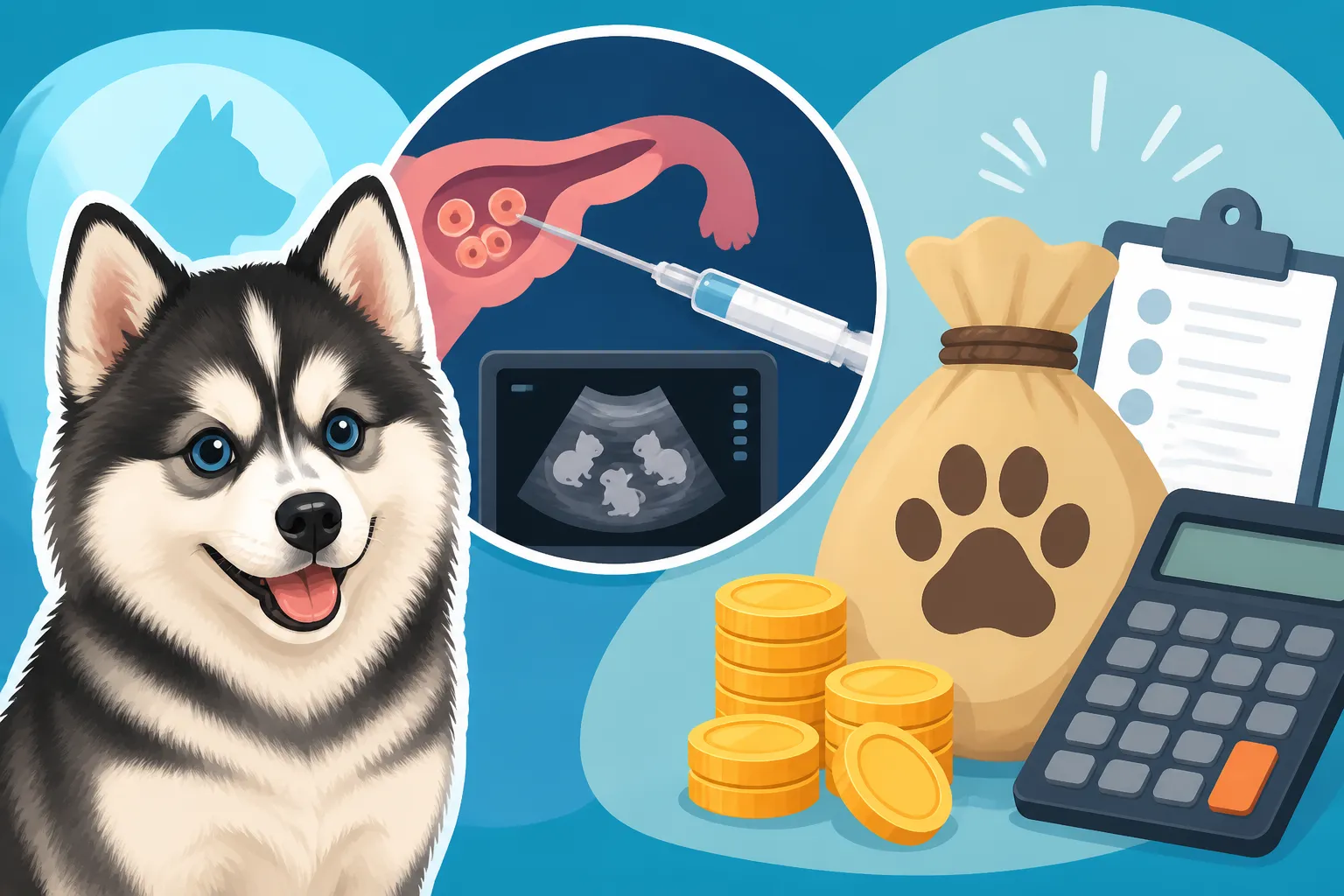
Given the challenges of natural breeding, artificial insemination (AI) becomes the cornerstone of responsible Pomsky breeding. AI involves collecting semen from the male Pomeranian and carefully inserting it into the reproductive tract of the female Siberian Husky. This controlled procedure eliminates the physical dangers of natural mating while ensuring the genetic pairing can still occur. It allows breeders to bypass the anatomical differences that make natural breeding impossible, providing a safe and effective way to produce Pomsky litters.
AI also offers breeders more control over the breeding process, including timing and genetic selection. It ensures that the female Husky is bred at her most fertile period, maximizing the chances of conception. This scientific approach requires specialized veterinary knowledge and equipment, elevating the process from a simple act of nature to a meticulously planned medical procedure. Understanding this fundamental aspect helps explain Why a Pomsky Can Only Be Made One Way and why the costs associated with AI are an unavoidable part of Pomsky breeding.
The Components of Artificial Insemination Costs
When you start looking at the price tag for artificial insemination, it's not just one lump sum for a single procedure. Instead, it's a tapestry woven from several distinct veterinary services, each with its own associated fee. These costs can vary significantly depending on your location, the specific veterinary clinic you use, and even the individual needs of your dogs. It's a comprehensive process that requires multiple appointments, tests, and procedures, all contributing to the final expense.
Initial Vet Consultations and Screening
Before any actual insemination can take place, both the male Pomeranian and the female Husky need thorough veterinary check-ups and screenings. This isn't just a quick peek and a wagging tail; it's an extensive evaluation to ensure both parents are in peak health and genetically sound for breeding. For the female Husky, this might involve blood tests, physical exams, and potentially imaging to check her reproductive health. The male Pomeranian will also undergo a comprehensive exam to assess his overall health and semen quality.
These initial consultations are critical because they help identify any underlying health issues that could affect the success of the breeding or be passed on to the puppies. A reputable breeder will always prioritize these screenings to ensure they are contributing to the health of the Pomsky breed. These checks might include genetic testing for common breed-specific conditions like hip and elbow dysplasia, eye conditions, and certain cardiac issues. All of these preliminary steps incur their own veterinary fees, often ranging from a few hundred to over a thousand dollars, laying the groundwork for the more specialized AI procedures to follow.
Semen Collection and Preparation
Once both parent dogs have passed their initial health screenings, the next step involves collecting semen from the male Pomeranian. This delicate procedure is typically performed by a veterinarian or a trained technician. The semen is then carefully evaluated for quality, including sperm count, motility, and morphology. This assessment is vital to ensure the viability of the semen for successful insemination. If the semen quality is not up to par, it might require additional testing or even necessitate finding a different stud dog, adding further costs and delays.
After collection, the semen is prepared for insemination. This might involve diluting it with a special extender to improve its longevity and preserve its quality. If the semen needs to be shipped, perhaps from a stud dog located in a different state, there are additional costs for cooling and special packaging, as well as expedited shipping fees. These preparation steps are critical to the success of AI and are carefully managed to maximize the chances of a successful pregnancy. The charges for semen collection and preparation can easily run into several hundred dollars, sometimes more if specialized handling or shipping is involved.
The Insemination Procedure Itself
With the female Husky properly timed and the semen ready, the actual artificial insemination procedure can take place. There are a few different methods for AI, ranging from less invasive vaginal insemination to more advanced transcervical insemination (TCI) or surgical insemination. Vaginal insemination is often the least expensive but has a lower success rate. TCI uses an endoscope to guide the catheter through the cervix directly into the uterus, offering a higher success rate without invasive surgery. Surgical insemination, as the name suggests, involves a minor surgical procedure to implant the semen directly into the uterus, and it boasts the highest success rate but is also the most expensive and carries anesthetic risks.
The choice of method significantly impacts the cost and is often a discussion between the breeder and the veterinarian, weighing success rates against invasiveness and expense. Regardless of the method chosen, the procedure itself involves veterinary fees for the time, expertise, and any necessary sedation or anesthesia. On average, you can expect the insemination procedure alone to cost anywhere from $200 for a basic vaginal AI to $1,500 or more for a surgical AI, especially when factoring in the specialized equipment and staff required. This is a significant portion of the overall cost for any breeder, and it's essential to understand that this is the core service you're paying for when you embark on Pomsky breeding.
Diving Deeper into Specific Cost Factors
Beyond the basic procedures, several other factors can significantly sway the final bill for artificial insemination. These aren't always immediately obvious when you first consider breeding, but they're crucial for understanding the comprehensive financial commitment. Think of them as the variables that can either keep your costs manageable or push them towards the higher end of the spectrum, requiring careful planning and budgeting.
Chilled vs. Frozen Semen Considerations
The type of semen used—chilled or frozen—plays a big role in the overall cost and complexity of the AI process. Fresh semen is ideal, but if the stud dog isn't local, breeders often opt for chilled or frozen semen. Chilled semen is typically viable for a few days, requiring careful packaging and expedited shipping, which can be expensive, especially if done last minute. The costs associated with collecting, preparing, and shipping chilled semen can range from $200 to $600 or more, depending on the urgency and distance.
Frozen semen, on the other hand, can be stored for years, offering immense flexibility for breeders. However, the process of freezing semen is more specialized and costly upfront. It involves collecting the semen, processing it with cryoprotectants, and then carefully freezing it in liquid nitrogen. Storage in specialized facilities also incurs ongoing fees. When it's time to use frozen semen, thawing it properly is crucial, and it often necessitates a surgical or transcervical insemination method for optimal success, further increasing the procedural cost. Overall, What Frozen or Chilled Semen Costs a Pomsky Breeder can add substantial amounts to the overall breeding expense, sometimes thousands of dollars for collection, freezing, and storage alone, not to mention the higher insemination fees.
Repeat Procedures and Their Impact
Unfortunately, artificial insemination isn't always a one-and-done deal. Sometimes, despite best efforts and meticulous timing, the first attempt at AI doesn't result in a pregnancy. This can be incredibly frustrating and emotionally draining for breeders, but it also has a significant financial impact. If a breeding attempt is unsuccessful, breeders often need to repeat the entire process, or at least significant portions of it, during the female's next heat cycle. This means incurring all the associated costs again: vet consultations, progesterone testing, semen collection (if a fresh sample is used), and the insemination procedure itself.
The need for repeat procedures can quickly double or even triple the initial estimated costs. This unpredictability is a major challenge for breeders and highlights the importance of having a financial buffer. It's not just the money; it's also the time and emotional investment involved in going through the entire cycle again. This is why many breeders emphasize the importance of using experienced vets and precise timing protocols to maximize the chances of success on the first try, but even then, there are no guarantees.
Location and Clinic Reputation
Just like with any specialized medical service, the cost of artificial insemination for Pomskies can vary widely based on geographical location and the reputation of the veterinary clinic performing the procedure. Veterinary specialists in major metropolitan areas or regions with high demand for designer breeds like Pomskies often charge higher fees than those in rural areas. This is due to higher overheads, increased cost of living, and sometimes, simply the market rate for specialized services in that region.
Furthermore, a clinic with a long-standing reputation for successful reproductive services, particularly with difficult breeds or procedures like AI, might command premium prices. These clinics often have state-of-the-art equipment, highly experienced veterinary reproductive specialists, and a proven track record, which breeders are often willing to pay for to increase their chances of a successful litter. It's a classic case of supply and demand mixed with expertise and facility quality. It's always a good idea to research several clinics and compare their pricing structures and success rates, but sometimes, the extra cost for a highly reputable clinic is a worthwhile investment for a Pomsky breeder.
Ancillary Costs That Add Up
While the core procedures of artificial insemination are significant, there's a whole host of "smaller" expenses that, when added together, can substantially increase the overall breeding cost. These are the details that are sometimes overlooked in initial budget planning but are absolutely critical for a successful and healthy breeding program. Ignoring them can lead to unexpected financial strain or, worse, compromise the well-being of your dogs.
Progesterone Testing and Timing
Accurately timing the artificial insemination is paramount for success, and this is where progesterone testing comes in. Unlike natural breeding where dogs often have clear signs of estrus, AI requires precise knowledge of the female Husky's ovulation cycle. Progesterone is a hormone that rises significantly before ovulation, and veterinarians conduct a series of blood tests to track these levels. These tests determine the optimal window for insemination, which can drastically impact the success rate. Typically, a female Husky might need several progesterone tests over the course of her heat cycle, sometimes daily, as the timing needs to be exact.
Each progesterone test carries its own fee, and these can quickly accumulate, adding several hundred dollars to the total bill. For instance, a single test might cost anywhere from $50 to $150, and if you need 5-7 tests, that's a considerable sum. This meticulous timing isn't just about cost; it's about avoiding repeat procedures and ensuring the highest chance of pregnancy. Understanding What Progesterone Testing Adds to a Pomsky Litter is crucial for any breeder, as it's an indispensable part of a well-managed AI program.
Post-Insemination Care and Follow-up
Once the artificial insemination procedure is complete, the breeder's work isn't over, nor are the veterinary expenses. Post-insemination care and follow-up appointments are essential to confirm pregnancy and monitor the female Husky's health. This typically includes an ultrasound scan around 25-30 days post-insemination to confirm pregnancy and estimate litter size. Later, X-rays might be taken closer to the due date to get an accurate puppy count, which is vital for planning delivery and anticipating Whether a Pomsky Dam Needs a Cesarean.
These follow-up appointments and imaging studies come with their own fees. An ultrasound can cost $150-$300, and X-rays another $100-$250. Beyond these, there might be nutritional consultations, discussions about prenatal care, and preparations for whelping. These ongoing veterinary check-ups ensure the expectant mother is thriving and the puppies are developing properly, minimizing risks later down the line. It's an investment in the health of the entire litter and the dam.
Potential Complications and Emergency Care
Despite the most careful planning and expert veterinary care, complications can arise during any breeding process. These can range from minor issues to life-threatening emergencies, and they always come with additional, often substantial, costs. For example, some females might experience infections post-insemination, requiring antibiotics and further veterinary visits. Others might have trouble maintaining their pregnancy, leading to emergency consultations or medications.
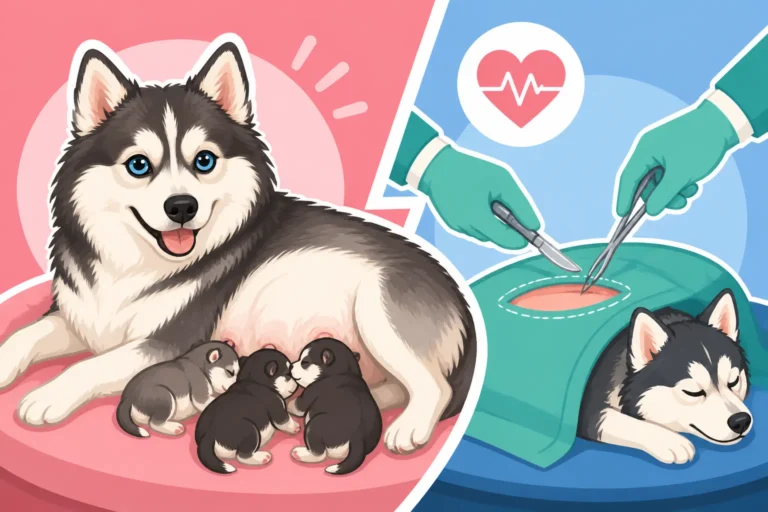
The most significant potential complication, especially with a breed like the Pomsky where the dam is a Husky but the puppies are a mix, is a difficult labor or the need for an emergency C-section. While less common when a Husky is the dam, variations in puppy size are always a possibility. An emergency C-section can easily cost several thousand dollars, especially if performed outside of regular business hours. Pet insurance, such as through Healthy Paws, can sometimes help with unexpected veterinary bills, but breeders often need to budget for these potential "what ifs" as part of their comprehensive financial planning. These unforeseen circumstances underscore why it's so important for breeders to have a robust emergency fund or a solid financial plan in place.
The Broader Financial Picture for Pomsky Breeders
Understanding the direct costs of artificial insemination is just one piece of the puzzle. For a Pomsky breeder, these specific expenses are part of a much larger financial commitment that dictates everything from puppy pricing to the long-term sustainability of their breeding program. It's a significant investment, both in terms of money and time, that reflects the dedication required to produce healthy, well-socialized Pomsky puppies.
How AI Costs Influence Puppy Prices
The high costs associated with artificial insemination are a primary reason why Pomsky puppies tend to have a higher price tag compared to many other breeds. When a breeder invests hundreds or thousands of dollars in vet fees for AI, progesterone testing, semen collection, and potential complications, these costs must be recouped through the sale of the puppies. It's not about making excessive profit; it's about covering the substantial overhead required for ethical and responsible breeding.
Consider the scenario: if a breeder spends $2,000-$4,000 on AI and related vet costs for a litter of, say, four puppies, that's already $500-$1,000 per puppy just for the breeding process, before accounting for stud fees, prenatal care, whelping supplies, puppy food (perhaps from a high-quality brand like Ollie for proper nutrition), vaccinations, microchipping, and the enormous amount of time and effort involved. This doesn't even touch on the broader costs of maintaining healthy parent dogs or the general business expenses. So, when you see a Pomsky puppy listed for a significant price, a large portion of that cost directly reflects the necessary expense of artificial insemination and associated veterinary care. This makes understanding why Pomsky prices reflect real breeding costs much clearer for prospective owners.
The Investment in Quality Breeding
Beyond the monetary aspects, the commitment to artificial insemination represents a significant investment in the quality and future of the Pomsky breed. Reputable breeders don't cut corners; they invest in health screenings for their parent dogs, precise timing protocols, and the best available veterinary care to ensure the health and genetic soundness of their litters. This deliberate and scientific approach aims to produce puppies that are not only adorable but also healthy and free from preventable genetic conditions.
This investment extends beyond just the AI procedure itself. It includes ongoing health checks for the breeding dogs, proper nutrition, and even engaging with organizations like the International Pomsky Association (IPA) to uphold breeding standards. The costs associated with AI are a testament to the dedication required for responsible breeding, striving for excellence rather than simply quantity. This deep commitment ensures that the puppies born are given the best possible start, reducing potential health issues down the line and contributing to the overall health and longevity of the breed. This ethos directly contrasts with Whether a Cheap Pomsky Is Really a Pomsky, highlighting the value of transparency and quality in breeding.
Comparing AI to Other Breeding Expenses
To truly appreciate the financial weight of AI, it's helpful to see it within the context of other breeding expenses. While AI is a substantial upfront cost, it's by no means the only one. Breeders also face stud fees (which can range from $500 to several thousand dollars), prenatal care, whelping supplies, puppy food, vaccinations, microchipping, and deworming. Then there's the cost of advertising the puppies, creating puppy packs, and providing ongoing support to new owners.
The table below illustrates a typical breakdown of initial breeding expenses, highlighting where AI fits into the overall financial picture for a Pomsky litter. Keep in mind these are estimates and can vary widely.
| Expense Category | Estimated Cost Range (USD) | Notes |
|---|---|---|
| Initial Health Screenings | $500 – $1,500+ | Genetic testing, physical exams for both parents. |
| Progesterone Testing | $300 – $700 | Multiple blood tests for precise timing. |
| Semen Collection & Prep | $200 – $800 | Includes evaluation, extenders, chilling/freezing. |
| Semen Shipping (if applicable) | $100 – $400 | Expedited shipping for chilled semen. |
| Artificial Insemination (AI) Procedure | $200 – $1,500+ | Depends on method (vaginal, TCI, surgical). |
| Stud Fee | $500 – $3,000+ | Payment for the use of the male Pomeranian. |
| Pregnancy Confirmation (Ultrasound/X-ray) | $250 – $550 | Confirming pregnancy and litter count. |
| Whelping Supplies | $200 – $500 | Whelping box, blankets, scales, heating pads, supplements. |
| Puppy Vet Checks & Vaccinations | $150 – $300 per puppy | First vaccines, deworming, health certificate. |
| Microchipping | $30 – $60 per puppy | Essential for identification and safety. |
| Quality Puppy Food (e.g., Chewy) | $100 – $300+ | For litter and weaning. |
| Breeder Time & Effort | Priceless | Countless hours of care, monitoring, socialization. |
This table clearly shows that artificial insemination is one of the most significant line items in a Pomsky breeding budget. It's a non-negotiable expense that underscores the specialized nature and inherent costs involved in bringing these beloved dogs into the world. It’s a testament to the fact that The Fifteen Hundred to Five Thousand a Pomsky Costs is not an arbitrary number but a reflection of the intensive and costly process involved.
Disclaimer
Please remember that I am a lifestyle blogger and not a veterinarian. The information provided in this article is for general informational purposes only, and should not be considered as professional veterinary advice. Always consult with a qualified veterinarian for any health concerns or before making any decisions about your pet's care or breeding practices.