Whether a Pomsky Dam Needs a Cesarean
The journey to bringing adorable Pomsky puppies into the world is often far more complex and medically involved than many people realize. Unlike many dog breeds that can reproduce naturally, the significant size disparity between the Siberian Husky mother and the Pomeranian father makes natural conception and birth an impossibility, leading to a critical question for every aspiring Pomsky breeder: whether a Pomsky dam needs a Cesarean. This guide will delve into the intricacies of Pomsky breeding, focusing on why surgical intervention is not just a possibility, but often a necessity, for the health and safety of both the mother and her precious litter.
Understanding the Pomsky's Unique Conception Journey
The very essence of the Pomsky's existence stems from a deliberate, human-assisted breeding process. It's not a breed that can simply 'happen' in your backyard. The physical realities of the parent breeds dictate a highly controlled and often medically supervised approach from conception through to birth.
The Inherent Size Discrepancy Between Parents
Imagine the physical differences between a sturdy Siberian Husky, weighing anywhere from 35 to 60 pounds, and a petite Pomeranian, often tipping the scales at just 3 to 7 pounds. These two breeds represent vastly different ends of the canine size spectrum. Now, consider the mechanics of natural breeding. For a successful natural mating, the male and female must be able to physically couple without causing injury, and the female must be large enough to safely carry the pregnancy to term and deliver puppies that are often significantly larger than a Pomeranian puppy might be.
In the case of the Pomsky, the standard practice is to use a female Husky as the dam and a male Pomeranian as the sire. This crucial decision is purely for safety. A Pomeranian female would simply be too small to carry puppies sired by a Husky, even through artificial means. Her tiny uterus and birth canal would be entirely unsuited for larger hybrid fetuses, making the risk of severe complications, including uterine rupture and fatal delivery issues, astronomically high. This is why you will always hear that Why a Pomsky Cannot Be Bred Naturally. The female Husky, on the other hand, has the robust physique to handle the pregnancy, though the journey still comes with its own set of challenges that can lead to a Cesarean.
Why Natural Breeding Isn't an Option for Pomskies
Given the dramatic size difference, it should be no surprise that natural breeding between a male Pomeranian and a female Siberian Husky is physically impossible and inherently unsafe. The male Pomeranian is simply too small to successfully mount and breed with the female Husky. Attempting such a pairing would lead to frustration, potential injury for both dogs, and absolutely no chance of conception.
This is why all legitimate Pomsky breeding relies on artificial insemination (AI). Without AI, the Pomsky breed as we know it simply wouldn't exist. This controlled method allows for the collection of semen from the male Pomeranian and its careful introduction into the female Husky, bypassing the physical limitations of natural mating. This critical step, while enabling the breed, also sets the stage for a pregnancy that, due to the genetic mix, needs careful monitoring and often culminates in a C-section to ensure the well-being of the dam and her offspring. It highlights the deeply hands-on, veterinary-assisted nature of this designer breed from the very beginning.
The Role of Artificial Insemination in Pomsky Breeding
Artificial insemination (AI) is the cornerstone of responsible Pomsky breeding, allowing for the creation of this popular designer breed while bypassing the physical limitations that prevent natural conception. However, it's not a simple, one-and-done procedure; it involves careful planning, precise timing, and various methods, each with its own implications for the subsequent pregnancy and birth.
Different AI Methods and Their Implications
There are several methods of artificial insemination used in canine breeding, and the choice often depends on factors like semen quality, breeder preference, and veterinary recommendation. For Pomskies, due to the critical importance of conception, breeders often opt for more direct and effective methods.
- Vaginal Insemination: This is the simplest and least invasive method, where semen is deposited into the female's vagina using a syringe. It mimics natural breeding somewhat and requires fresh semen. While it can be successful, its efficacy can be lower than other methods, especially when dealing with smaller volumes of semen or if timing isn't absolutely perfect. For a breed like the Pomsky where the success of the pregnancy is paramount, breeders might lean towards methods with higher success rates.
- Transcervical Insemination (TCI): This method is more advanced, involving a specialized endoscope to guide a catheter through the cervix directly into the uterus, where the semen is deposited. TCI significantly increases the chances of conception compared to vaginal insemination because the semen is placed much closer to the eggs. It can be performed with fresh, chilled, or even frozen semen, making it a popular choice for Pomsky breeders, particularly when using semen from a male Pomeranian who might not be in the immediate vicinity or if specific genetics are being sought from a stud dog. This method, while more invasive, greatly improves the odds of a viable pregnancy.
- Surgical Insemination: This is the most invasive method, requiring general anesthesia for the female. A small incision is made in the abdomen, and the uterus is exteriorized, allowing the veterinarian to inject semen directly into the uterine horns. This method boasts the highest success rate, especially with frozen or lower-quality semen. Given the high investment in Pomsky breeding, including the cost of stud fees and the desire for a successful litter, surgical insemination is sometimes chosen, despite the added risks and expense of anesthesia. This option is often considered if previous, less invasive AI attempts have failed or if the semen is particularly precious.
Regardless of the method chosen, precise timing is critical. Breeders often utilize What Progesterone Testing Adds to a Pomsky Litter to pinpoint the exact ovulation window, ensuring the highest chance of successful conception. This involves regular blood tests for the female Husky to monitor hormone levels, a costly but necessary step to maximize the return on the significant investment made in breeding a Pomsky.
Costs and Efforts Involved in AI for Pomskies
The process of artificial insemination for a Pomsky litter is far from inexpensive or easy. It's a significant financial and time commitment for breeders, which ultimately contributes to the higher price point of Pomsky puppies. The investment starts long before puppies are even a twinkle in a breeder's eye.
First, there are the stud fees for the male Pomeranian, which can range widely depending on his pedigree, health clearances, and overall quality. Then comes the cost of the AI procedure itself. What Artificial Insemination Costs a Pomsky Breeder can vary depending on the chosen method, with vaginal insemination being the least expensive and surgical insemination being the most. These costs can easily run into several hundreds, or even thousands, of dollars per attempt. This doesn't even include the expenses for progesterone testing, which might involve multiple vet visits and blood draws to accurately time the insemination.
Beyond the initial costs, there's the ongoing care for the pregnant Husky dam. This includes specialized nutrition, regular veterinary check-ups, and potentially supplements to support a healthy pregnancy. Breeders are meticulously planning and investing in every step to ensure the health of their future litter. This intense level of veterinary involvement and financial outlay underscores why the question of a C-section is not taken lightly and is often factored into the overall cost of raising a Pomsky litter. The commitment required means breeders are deeply invested in seeing their dam safely through pregnancy and birth, even if it means a surgical delivery.
Recognizing Complications During Pomsky Pregnancy and Labor
Even with the most meticulous planning and care during artificial insemination, pregnancy and labor for a Pomsky dam, which is typically a Husky, can present unique challenges. The genetic mix, though enabling the creation of the breed, can sometimes lead to complications that necessitate medical intervention, including a Cesarean section. It's crucial for breeders and owners to be vigilant for signs of trouble.
Identifying Dystocia in Pomsky Dams
Dystocia, or difficult birth, is a significant concern in canine breeding, and Pomsky dams are not entirely immune, despite the Husky's generally robust nature. While Huskies are typically good mothers and can have natural births, the possibility of a mixed-breed litter introduces variables that can sometimes lead to complications. Dystocia can arise from several factors, broadly categorized into maternal and fetal causes.
- Maternal Causes: These relate to issues with the mother's reproductive tract or overall health. Uterine inertia, where the uterus fails to contract effectively, is a common culprit. This can be primary (no contractions at all) or secondary (contractions weaken over time due to exhaustion). Other maternal factors could include a narrow pelvic canal (though less common in Huskies) or underlying health conditions.
- Fetal Causes: These are often more pertinent in mixed breeds like Pomskies. While the dam is a Husky, the puppies carry Pomeranian genetics, which could influence their size or positioning. If a puppy is simply too large to pass through the birth canal, or if it's positioned abnormally (e.g., breech, sideways), it can cause a blockage. Given that the sire is a Pomeranian, it’s not always easy to predict the exact size of the puppies. While they generally fall within the Pomsky size range, some individual puppies might inherit genes that make them slightly larger, leading to potential issues during delivery.
Signs of dystocia are critical to recognize immediately. These include the dam straining for more than 30 minutes without producing a puppy, resting for more than 2-4 hours between puppies (especially if she's clearly still in labor), prolonged gestation beyond the expected due date (typically 63 days from ovulation), or any signs of severe pain, distress, or unusual discharge. If you notice a pregnant Husky exhibiting these symptoms, immediate veterinary attention is paramount. The difference between a safe outcome and a tragic one often hinges on swift action.
Health Considerations for the Pregnant Pomsky Mother
The health of the Husky dam throughout her pregnancy is paramount, not just for her own well-being but for the thriving development of her Pomsky puppies. Breeders must provide exceptional care, focusing on nutrition, exercise, and regular veterinary check-ups.
A high-quality diet specifically formulated for pregnant and lactating dogs is essential to meet the increased energy and nutrient demands. Brands like Ollie or Chewy's premium lines can offer nutrient-dense options suitable for a pregnant dog's needs. Maintaining an appropriate weight is also crucial; an overweight dam can experience more difficulty during labor, while an underweight one might lack the reserves needed for a healthy pregnancy and milk production.
Regular veterinary visits are critical to monitor the dam's health and the puppies' development. Ultrasounds can confirm pregnancy, estimate litter size, and check fetal viability. X-rays late in pregnancy (usually after day 55) are incredibly valuable as they can accurately count the puppies and assess their size relative to the birth canal. This pre-labor assessment is a key indicator for determining the likelihood of a natural birth versus the need for a C-section. Knowing How Many Puppies a Pomsky Litter Holds and their general size can help prepare the vet team.
The breeder must also be acutely aware of any underlying health conditions the Husky dam might have. While Huskies are generally healthy, they can be predisposed to certain genetic conditions. Reputable breeders will have performed genetic health screenings on both parents, and understanding these can influence how a pregnancy is managed. Ensuring the dam is free from issues that could complicate pregnancy or be passed to the puppies is a non-negotiable part of ethical breeding. This comprehensive health monitoring helps to mitigate risks, but unexpected complications can still arise, making preparedness for a C-section a crucial aspect of Pomsky breeding.
When a Cesarean Section Becomes Necessary for a Pomsky Dam
The decision to perform a Cesarean section (C-section) on a Pomsky dam is never taken lightly. It's a major surgical procedure, but it's often a life-saving intervention for both the mother and her puppies. Understanding when a C-section is indicated, whether planned or emergency, is vital for responsible breeding.
Veterinary Indications for a Planned C-section
While many Husky dams can have natural births, the unique aspects of Pomsky breeding, particularly the possibility of larger-than-expected puppies from the Pomeranian sire, can sometimes lead veterinarians to recommend a planned C-section. This proactive approach aims to avoid the distress and risks associated with difficult labor.
One of the primary indications for a planned C-section is when prenatal X-rays reveal a disproportionately large fetus or multiple large fetuses relative to the mother's pelvic canal. Even if the mother is a full-sized Husky, the genetic lottery of a mixed-breed litter can result in puppies that, despite the Pomeranian input, are larger than what a Husky might typically produce. If the veterinary team assesses that the puppies are simply too big to pass safely through the birth canal, a planned C-section is the safest option.
Another reason for a planned C-section could be a history of dystocia in previous litters, or certain maternal health conditions that would make natural labor risky. For instance, if the dam has a heart condition or severe hip dysplasia (though rare in the dam as she's a Husky, Hip Dysplasia in a Twenty Pound Pomsky is a concern for the Pomsky offspring), the stress and physical exertion of natural labor could pose a significant threat to her life.
Furthermore, if the breeding was particularly difficult, perhaps involving multiple rounds of artificial insemination or if the dam is older, a veterinarian might lean towards a planned C-section to reduce strain on the mother. Breeders who invest heavily in genetic testing and careful pairing often prefer a planned approach to mitigate risks, especially if they anticipate a smaller litter size, as sometimes smaller litters can mean larger individual puppies. Ensuring all the puppies from The Twelve to Fifteen Years a Pomsky Lives are born safely is the paramount goal.
Emergency C-sections: Signs and Urgency
Despite the best planning, emergencies can arise during labor, making an immediate C-section a critical, life-saving measure. Recognizing the signs that warrant an emergency C-section is essential for anyone involved in Pomsky breeding, as delays can have tragic consequences.
The most common signs indicating an emergency C-section are those related to dystocia:
- Prolonged straining: If the dam is actively pushing and straining for 30 minutes or more without producing a puppy, it's a clear sign of trouble.
- Prolonged resting between puppies: While it's normal for a dam to rest for a period between puppies, if she rests for more than 2-4 hours and you know there are more puppies to come, it's a red flag.
- Weak or ineffective contractions: If contractions are weak or cease entirely after a period of active labor, it suggests uterine inertia.
- Abnormal discharge: Any foul-smelling, dark green (before the first puppy), or hemorrhagic discharge is an immediate emergency.
- Signs of maternal distress: Excessive pain, lethargy, collapse, or a rapid decline in the dam's overall condition requires urgent veterinary attention.
- Visible obstruction: If a puppy is partially presented but becomes stuck, immediate intervention is necessary.
In these situations, time is of the essence. Every minute counts for the survival of both the mother and the unborn puppies. A veterinarian will quickly assess the situation, often performing a vaginal exam, ultrasound, and possibly an X-ray if the dam's condition allows, to confirm the need for surgery. The goal is to safely deliver the puppies and preserve the dam's life and future reproductive health. Breeders often have an emergency plan in place, including contact numbers for their veterinarian and potentially a backup emergency clinic, because when it comes to birth, things can change rapidly and unexpectedly.
The Cesarean Procedure and Post-Operative Care
A Cesarean section is a major surgical event for any dog, and a Pomsky dam undergoing this procedure requires specialized care both during the surgery and throughout her recovery. Understanding what happens and how to care for her afterwards is crucial for a successful outcome.
What to Expect During the C-section
Once the decision for a C-section has been made, whether planned or emergency, the veterinary team moves quickly. The dam will be prepared for surgery, which typically involves administering general anesthesia. This is a critical point, as Whether Anesthesia Is Riskier on a Small Pomsky might be a consideration for the Pomsky puppies later in life for other procedures, but here it's about the mother Husky. The veterinary staff will carefully monitor her vital signs throughout the procedure, adjusting anesthetic levels as needed to ensure her safety while minimizing its impact on the puppies.
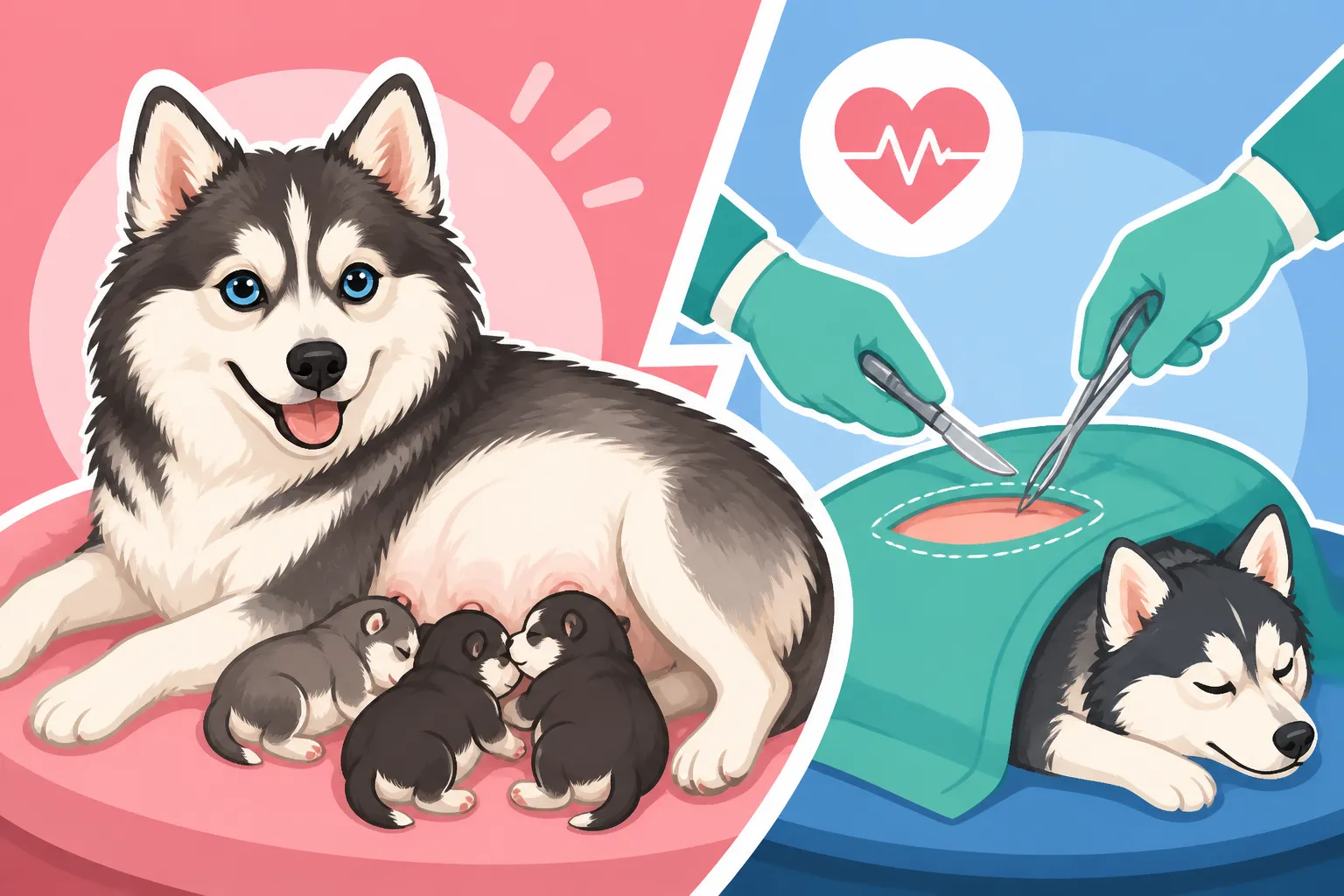
The surgery itself involves a skilled veterinarian making an incision through the abdominal wall and then into the uterus. The puppies are then carefully removed one by one. As each puppy is delivered, veterinary technicians or assistants quickly take over, clearing airways, stimulating breathing, and tying off umbilical cords. This is a fast-paced, coordinated effort, as every moment counts to ensure the puppies are breathing and thriving. The goal is to get the puppies breathing on their own as quickly as possible and to stabilize their body temperature.
After all puppies are safely delivered, the uterus is examined for any remaining placental tissue or uterine tears, and then meticulously sutured closed. The abdominal incision is also closed in layers. Throughout this entire process, the mother’s health is continuously assessed, and measures are taken to control bleeding and maintain her stability. Once the surgery is complete, the dam will begin the slow process of waking up from anesthesia. The goal is a quick and efficient surgery to minimize anesthetic exposure to the puppies and reduce stress on the mother.
Recovering from a Cesarean and Caring for a New Pomsky Litter
Post-operative care for a Pomsky dam after a C-section is just as critical as the surgery itself. Her recovery, and the survival of her new litter, depend heavily on diligent care.
Immediately after surgery, the dam will be groggy from anesthesia. It’s important to keep her warm and comfortable. The veterinary staff will usually monitor her closely as she recovers, ensuring she's alert enough to interact with her puppies. Pain management is a top priority, and the vet will prescribe appropriate pain relief medication to keep her comfortable, which is essential for her to bond with and care for her newborns.
Bringing the dam and puppies home requires a prepared space. A clean, quiet, and warm whelping box is necessary. The dam’s incision site needs daily monitoring for any signs of infection, swelling, or discharge. She might be instructed to wear an E-collar to prevent her from licking or chewing at the sutures. Gentle walks for potty breaks are usually permitted, but strenuous activity must be avoided for several weeks.
The most heartwarming part, and often the most challenging, is encouraging the dam to bond with and nurse her puppies. While most mothers instinctively take to their role, some C-section dams might be disoriented or in pain initially. The puppies need to nurse frequently to receive colostrum, the antibody-rich first milk that provides crucial immunity. Newborn Pomsky puppies are delicate, and monitoring them for warmth, nursing, and overall vigor is vital. Breeders often supplement feed puppies if the dam isn’t producing enough milk or if a puppy is struggling, sometimes using specialized formulas. It’s important to watch out for issues like Whether a Pomsky Puppy Crashes on Blood Sugar, especially in the first few weeks. The bond between the dam and her puppies is a beautiful thing to witness and nurture after such a demanding start.
Financial and Emotional Considerations of a Pomsky C-section
The decision to breed Pomskies is a significant undertaking, fraught with both financial investment and deep emotional commitment. A Cesarean section, while often necessary, adds another layer of complexity to these considerations, impacting both the breeder's wallet and their emotional well-being.
The Significant Cost Involved
There's no sugarcoating it: a C-section is an expensive procedure. When considering What a Cesarean Costs a Pomsky Breeder, you're looking at a range that can easily stretch from $800 to several thousand dollars, depending on factors like the time of day (emergency procedures outside of regular hours often incur higher fees), the veterinary clinic's location and pricing structure, and any complications that arise during or after surgery. This cost is in addition to all the prenatal care, progesterone testing, artificial insemination fees, and general upkeep of a pregnant dog.
This substantial veterinary bill significantly impacts the overall cost of raising a Pomsky litter. When breeders factor in the cost of the C-section, along with stud fees, extensive health testing of both parents, puppy food, vaccinations, microchipping, and their own time and effort, it becomes clearer why Pomsky puppies command higher prices. The Fifteen Hundred to Five Thousand a Pomsky Costs is a reflection of this intense investment, and a C-section is a major contributor to that sum.
Savvy breeders often budget for the possibility of a C-section, recognizing it as a common necessity in Pomsky breeding. Some even have pet insurance policies like those from Healthy Paws that might cover a portion of unexpected veterinary costs, although planned C-sections or complications from pre-existing conditions might have specific exclusions. However, relying solely on insurance can be risky, and most breeders understand that a significant portion of the cost will come directly out of pocket. This financial reality is a stark reminder that breeding is not for the faint of heart or light of wallet; it's a serious commitment that demands substantial financial readiness.
The Breeder's Responsibility and Ethical Practices
Beyond the financial outlay, the emotional toll and ethical responsibilities associated with a Pomsky C-section are immense. A reputable breeder is deeply invested in the health and well-being of their dogs, viewing them as cherished family members, not just breeding stock.
The emotional weight of seeing a beloved dam undergo major surgery, especially an emergency C-section, can be incredibly stressful. There's the worry about her safety under anesthesia, the anxiety over the puppies' survival, and the intense effort required for post-operative care and round-the-clock puppy monitoring. This is a time of immense emotional highs and lows, from the relief of successfully delivered puppies to the exhaustion of endless nights.
Ethical breeding practices are paramount here. A responsible Pomsky breeder doesn't just manage the cost and logistics; they prioritize the health and welfare of their dogs above all else. This means being prepared for the likelihood of a C-section, financially and emotionally. It means having a trusted veterinarian on call and a clear plan in place for every stage of pregnancy and birth. It means never putting the dam's life at undue risk to save money, and making difficult decisions if complications arise.
Furthermore, ethical breeders understand that the need for a C-section is part of the inherent challenges of creating this specific crossbreed. They are transparent with prospective buyers about the effort and care that goes into each litter, which helps to justify the puppy's price and educates new owners about the complexities of the breed's origins. Understanding that What a Pomsky Breeder Spends Before a Litter Exists includes significant medical intervention like C-sections fosters a greater appreciation for the animals themselves and the dedicated individuals who bring them into the world safely.
Disclaimer
This article is for general informational purposes only and does not constitute professional advice. Laws, prices and regulations vary by location and change over time. Consult a qualified professional for guidance on your specific situation.