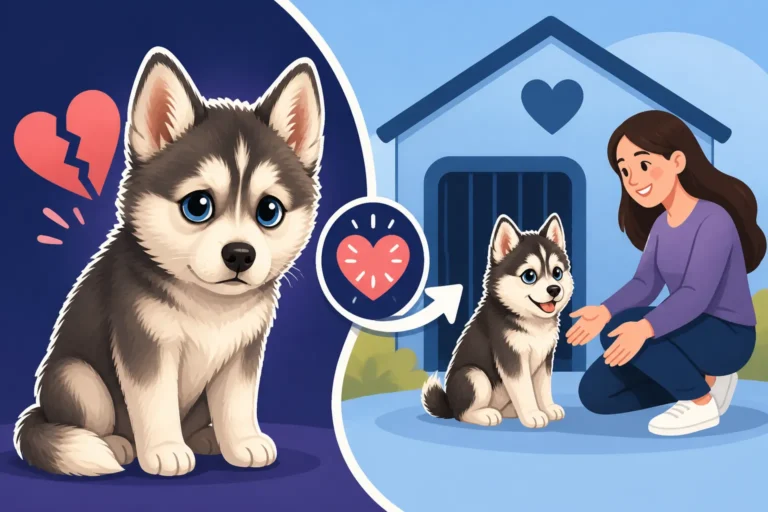
Whether a Pomsky Should Be Bought Sight Unseen
The decision of bringing a Pomsky into your home is a huge one, and for many hopeful owners, the initial search often begins with captivating photos online. It’s easy to fall in love with a fluffy face and striking blue eyes from a distance, but the idea of purchasing a living, breathing companion sight unseen presents a unique set of challenges and potential heartaches. This guide will walk you through the essential considerations, risks, and precautions to take when contemplating buying a Pomsky without an in-person visit, helping you make the most informed decision possible for your family and your future furry friend.
The Allure and Risks of Buying a Pomsky Online
It’s completely understandable why so many people find themselves drawn to the idea of buying a Pomsky from online listings or social media posts. These dogs are undeniably charismatic, often boasting that sought-after miniature Husky look with piercing eyes and fluffy coats, or sometimes leaning into the Pomeranian’s dainty charm. The sheer convenience of browsing potential puppies from the comfort of your couch, especially when a breeder is located far away, can be incredibly appealing. However, this modern convenience also opens the door to significant risks that can impact the puppy's health, temperament, and even whether it's truly a Pomsky at all.
The Instagram Effect and Unrealistic Expectations
Let's be honest, social media has transformed how we discover and desire pets. Picture-perfect Pomsky puppies with flawless markings and vibrant blue eyes flood our feeds, creating a powerful emotional pull. It's a phenomenon I like to call the "Instagram Effect." These curated images often highlight the very best angles, the most photogenic moments, and can sometimes be professionally edited to enhance features. This can lead to a slightly skewed perception of what a Pomsky truly looks like day-to-day, or even worse, it can lead to unrealistic expectations about their size, coat type, or even temperament.
What you see in a static, carefully composed photo might not fully represent the puppy's actual appearance or its personality. A fluffy coat in a photo might be masking thin patches or a tendency to mat, for example. The puppy might be represented as tiny, only to grow much larger than anticipated, which is a common concern with this crossbreed. A reputable breeder will always strive for transparency, but it's hard to convey the full dynamic personality of a playful, energetic Pomsky puppy through just a few pictures.
Moreover, some less scrupulous individuals might even use stock photos or images of other breeders' dogs to advertise puppies they don't actually possess, or puppies that don't match the advertised traits. This deceptive practice is rampant online and preys on the emotional desire to find that "perfect" puppy. It’s crucial to remember that a photograph is just a snapshot, and while it can introduce you to a potential new family member, it should never be the sole basis for such a significant decision.
The Hidden Realities of Distance Sales
When you can't physically visit a breeder and see the puppies, you're missing out on vital information. The primary concern is the inability to truly assess the puppy's living conditions. Are they clean and spacious? Are the puppies well-socialized and handled regularly? A puppy raised in a sterile, isolated environment or, worse, a puppy mill, might suffer from behavioral issues like fear or aggression down the line, regardless of how cute they look in a video clip. This lack of oversight can be a major factor in how Raising a Pomsky Puppy ultimately goes once they're in your home.
Furthermore, meeting the parent dogs is often considered one of the most important steps in selecting a puppy, especially the mother (dam). Her temperament is a huge indicator of what her puppies might be like. Are the parents friendly, calm, and well-adjusted? Are they healthy and robust? If you can't meet them, you're relying entirely on the breeder's word and whatever photos or videos they choose to share. This is particularly important for a newer crossbreed like the Pomsky, where genetic health and consistent temperament can still vary widely. Breeders often invest a significant amount, as detailed in What a Pomsky Breeder Spends Before a Litter Exists, to ensure healthy parents and proper care, and they should be proud to show you.
Finally, the potential for misrepresentation is simply higher. This isn't just about appearance; it extends to health history, genetic background, and even the true parentage of the puppy. While a breeder might claim extensive health testing on the parents, without seeing the certificates or speaking to their vet directly, it's difficult to verify. Some less ethical individuals might even pass off other small Husky mixes or even Alaskan Klee Kai puppies as Pomskies, which are similar but distinct breeds. The lack of physical presence removes a significant layer of accountability and transparency that an in-person visit naturally provides.
Why In-Person Visits Are Crucial (If Possible)
While the convenience of online shopping is undeniable, especially when you're searching for a specific breed like a Pomsky that might not be available in your immediate area, there's truly no substitute for an in-person visit. This isn't just about meeting the puppy; it's about gaining a comprehensive understanding of the entire breeding operation, which is paramount for ensuring you're bringing home a healthy, well-adjusted, and truly representative Pomsky.
Evaluating the Puppy's Temperament and Health
When you visit a Pomsky puppy in person, you get to witness its personality in real time, interacting with its littermates and with you. This is invaluable. You can observe their energy levels: Is the puppy overly shy or fearful, cowering in a corner? Or is it overly aggressive with its siblings? You want to see a curious, playful, and confident demeanor. Watch how they react when you approach – do they come to you willingly, or do they retreat? A healthy, well-socialized puppy should show interest and engage playfully, perhaps with a wagging tail and a little puppy bark. This interaction is key to understanding if their personality will mesh with your household.
Beyond temperament, an in-person visit allows you to conduct a rudimentary health check. You can visually inspect their eyes to ensure they are clear, bright, and free from discharge. Their ears should be clean and odorless, without any signs of redness or irritation. Check their coat for fleas, ticks, or any bare patches. You can also get a feel for their overall body condition – are they a healthy weight, or do they appear too thin or pot-bellied (which could indicate worms)? Listen for any unusual sounds in their breathing or any limping in their gait, which might hint at underlying issues like Slipping Kneecaps in a Pomsky or a developing problem with their windpipe, like The Collapsing Trachea a Pomsky Gets From the Pomeranian.
Furthermore, an in-person visit lets you see the puppy’s interactions within its litter. Are they sharing toys and food appropriately? Do they respect boundaries? Observing these early social dynamics can give you insights into their future behavior and how they might integrate into a multi-pet household. It’s a chance to see beyond a pretty picture and truly connect with the puppy that could be your next family member.
Assessing the Breeder's Environment and Practices
Meeting the breeder at their home or facility is perhaps even more critical than meeting the puppy itself. This visit offers a direct window into the breeder's practices and ethics. Is the environment clean, well-maintained, and spacious enough for the dogs? Are the puppies kept in a living area where they're exposed to household sounds and interactions, or are they isolated in kennels? A responsible breeder will prioritize socialization, and you should see evidence of this, such as toys, interaction areas, and a general sense of comfort and familiarity in the puppies' surroundings.
Equally important is meeting the parent dogs, especially the dam. Her temperament, health, and general demeanor are strong indicators of what you can expect from her offspring. A shy or aggressive mother could pass those traits on. You can also get a more accurate sense of the potential adult size of your Pomsky by seeing the parents, rather than just relying on numbers provided in text. Discussing the parents' health clearances, such as OFA certifications for hips and elbows, or CERF exams for eyes, should be an open conversation. You want to see proof of these tests, not just hear about them. The Health Tests a Pomsky Breeder Should Show should be readily available for inspection.
This visit is your opportunity to ask every question under the sun about their breeding philosophy, the puppy's routine, feeding, and early training. A good breeder will be knowledgeable, transparent, and eager to answer your questions, demonstrating a genuine passion for their dogs and a commitment to placing them in the right homes. They should also ask you plenty of questions, as they want to ensure their puppies are going to responsible owners. This two-way interview helps ensure a good match and highlights a breeder who truly cares, not just about the sale, but about the lifetime well-being of their animals.
Navigating "Sight Unseen" When an In-Person Visit Isn't Feasible
Sometimes, an in-person visit simply isn't an option. Perhaps the perfect Pomsky breeder is hundreds or thousands of miles away, or your schedule just doesn't allow for travel. In such cases, it's absolutely vital to ramp up your due diligence significantly to mitigate the inherent risks of a "sight unseen" purchase. While it's never as ideal as a physical visit, with enough effort and caution, you can still make a well-informed decision.
Thorough Vetting and Digital Due Diligence
When you can't be there in person, technology becomes your best friend. Demand multiple, live video calls. These aren't just quick chats; these are interactive sessions where you can ask the breeder to show you specific puppies, interact with them, and walk you through their living environment. Ask to see the parent dogs during these calls as well. A reputable breeder will be happy to oblige, demonstrating confidence in their facility and their animals. During these video calls, pay close attention to the cleanliness of the area, the number of puppies, and the overall behavior of the litter. Ask for unedited, recent videos of the specific puppy you're interested in, showing different angles and activities. The more visual evidence you have, the better.
Beyond visual confirmation, it's crucial to delve deep into the breeder's credentials and practices. Request copies of all health clearances for both parent dogs – not just statements that they've been done. This includes things like OFA (Orthopedic Foundation for Animals) certifications for hips and patellas, CERF (Canine Eye Registry Foundation) results, and any genetic testing relevant to the breed. Remember, specific conditions like Hip Dysplasia in a Twenty Pound Pomsky or certain eye issues, often tied to their Husky lineage like The Eyes a Pomsky Gets From the Husky, are important to screen for. Cross-reference these documents with public databases if possible. Don't be shy about asking for the name and contact information of their veterinarian to verify vaccinations and general health care.
Look for signs of professionalism and transparency. Does the breeder belong to organizations like the International Pomsky Association (IPA)? While Whether IPA Membership Means Anything to a Pomsky Buyer is something to research, it can indicate a commitment to ethical breeding standards. Check for online reviews and testimonials, but be wary of only glowing, generic reviews. Specific, detailed feedback is more valuable. A breeder who is transparent might also point you to valuable resources for future care, perhaps even mentioning brands like Chewy for all your pet supply needs or Ollie for quality, fresh dog food options, showing they think beyond the sale.
The Importance of a Robust Contract and Health Guarantee
Perhaps the most critical safeguard when buying a Pomsky sight unseen is a comprehensive, legally binding contract. This document should leave no stone unturned and clearly outline the responsibilities of both the breeder and the buyer. Before you send any money, ensure you have reviewed and fully understand every clause. A good contract will detail the purchase price, payment schedule, and what is included in the sale (e.g., initial vaccinations, microchipping). It should also clearly state the specific puppy being purchased, including its litter information, birth date, and identifying features.
Crucially, the contract must include a health guarantee. This is your safety net. It should specify what genetic and congenital conditions are covered, for how long, and what the recourse is if a serious health issue arises. For example, it should address what happens if a puppy develops Slipping Kneecaps in a Pomsky or a serious heart condition within a certain timeframe. The guarantee should outline whether you're entitled to a refund, a replacement puppy, or financial assistance for veterinary treatment. Pay close attention to any clauses regarding initial vet visits – most reputable breeders require you to have the puppy examined by your own vet within a specific number of days after arrival. This ensures the puppy was healthy upon delivery and gives you an immediate professional assessment. This initial check is key to validating What a Pomsky Health Guarantee Covers.
Beyond health, the contract should ideally address size guarantees, especially since Pomsky adult size can be quite variable. While no breeder can guarantee an exact adult weight, some may offer a clause for significant deviation, as discussed in What Happens If a Pomsky Doubles the Estimate. Additionally, a clear return policy or rehoming assistance clause can provide peace of mind in unforeseen circumstances. Before signing, consider consulting with a legal professional to review the contract, especially if the terms seem complex or unclear. Also, consider looking into pet insurance from providers like Healthy Paws even before the puppy arrives, as it can help cover unexpected veterinary costs from day one, offering an extra layer of financial protection.
Red Flags and Safeguards When You Can't Visit
Even with the best intentions and thorough digital vetting, buying a Pomsky sight unseen still carries inherent risks. Knowing what to look out for in terms of red flags is just as important as knowing what questions to ask. Being able to identify potential scams or unethical breeding practices can save you immense heartache and financial loss. And once you've committed to a puppy, implementing smart safeguards for transport and immediate post-arrival care is non-negotiable.
Warning Signs of Unethical Breeders or Scams
When you're dealing with a breeder remotely, vigilance is key. One of the biggest red flags is a breeder who refuses or is consistently "unable" to do live video calls. There's really no good reason for this in today's digital age. If they can only provide static photos or pre-recorded, heavily edited videos, that should raise a serious alarm. Another major warning sign is a breeder who pressures you for a quick decision or demands full payment upfront without a clear contract or opportunity for you to vet them thoroughly. Be especially wary if the price seems unusually low for a Pomsky, as The Fifteen Hundred to Five Thousand a Pomsky Costs is a general range that reflects the complex and expensive breeding process. Too good to be true usually is.
Lack of transparency regarding health testing is another critical red flag. If a breeder makes vague statements about "vet checks" but cannot provide actual verifiable health certificates for the parent dogs (OFA, CERF, genetic panels), or if they refuse to let you contact their veterinarian, proceed with extreme caution. Similarly, if they offer no health guarantee or an extremely limited one, it's a sign they might not stand behind the health of their puppies. A responsible breeder will be proud of their health testing protocols and eager to share the results.
Poor communication, grammatical errors in their correspondence, or a general lack of professionalism can also be indicators of a less-than-reputable operation. Breeders who are solely focused on the financial transaction, rather than finding the right home for their puppies, often reveal themselves through their communication style. If they don't ask you questions about your living situation, experience with dogs, or lifestyle, it's a sign they might not care where their puppies end up. Finally, be very wary of any breeder who asks for payment through unusual methods like wire transfers, gift cards, or cryptocurrency, especially if they claim this is the only way to pay. Stick to secure, traceable payment methods.
Ensuring Safe Transport and First Vet Check
Once you've made the difficult decision to purchase a Pomsky sight unseen and feel confident in your breeder, the next hurdle is safe and stress-free transportation for your new puppy. Never opt for the cheapest or most convenient shipping method if it seems unsafe or unregulated. Reputable breeders will often work with professional, licensed pet transporters who prioritize the animal's well-being. Ask for details about the transport company, their experience, and their policies for animal care during transit. Flying a puppy can be stressful, so ensure the transporter follows all airline regulations for pet safety and comfort. You want to avoid situations where the puppy is exposed to extreme temperatures or undue stress.
Upon the puppy's arrival, the first thing on your agenda, even before playtime and cuddles, must be a visit to your own veterinarian. This immediate vet check is not just recommended; it's often a mandatory clause in your purchase contract and your ultimate safeguard. This appointment should happen within 48 to 72 hours of the puppy's arrival, as specified in your agreement. Your vet will conduct a thorough examination to confirm the puppy's general health, verify vaccination status, and check for any obvious congenital issues that might have been missed or misrepresented.
If your vet identifies any significant health concerns during this initial examination, it is absolutely critical to contact your breeder immediately. Refer back to your contract and health guarantee, as this initial vet check often triggers important clauses regarding returns, refunds, or compensation for veterinary care. Be prepared with all documentation, including your vet's findings. This swift action, backed by a solid contract, can make a huge difference in how any potential issues are resolved. Ultimately, while buying sight unseen carries more risk, a combination of diligent vetting, a strong contract, and immediate veterinary care can help protect you and your new furry family member.
| Feature / Consideration | In-Person Visit (Ideal) | Sight Unseen (With Precautions) |
|---|---|---|
| Puppy Temperament | Direct observation of interactions, energy, confidence. | Relies on video calls, breeder descriptions, limited interaction. |
| Physical Health Check | Visual inspection for clear eyes, ears, coat, gait; palpable body condition. | Relies on breeder's word, photos, video; confirmed by post-arrival vet. |
| Parent Dog Assessment | Meet dam (and sire if on-site) for temperament, size, health. | Relies on video calls, photos, breeder's description. |
| Breeder Environment | Direct observation of cleanliness, socialization, living conditions. | Virtual tour via video call; relies heavily on breeder's transparency. |
| Health Guarantee | Confirmed via contract, but initial health easier to assess pre-purchase. | Absolutely critical; contract must be robust and clear on terms. |
| Genetic Testing Proof | Review physical certificates; discuss with breeder. | Request copies, verify with public databases if possible. |
| Risk of Misrepresentation | Lower, as you see everything firsthand. | Higher, requires extensive digital due diligence. |
| Scam Potential | Minimal, as you meet in person. | Significant; requires extreme caution and red flag awareness. |
| Contract Importance | Essential for legal protection. | Paramount; your primary legal safeguard. |
| Cost Implications | May include travel expenses. | May include higher shipping costs; potential for unexpected vet bills if issues arise. |
Disclaimer
This article is for general informational purposes only and does not constitute professional advice. Laws, prices and regulations vary by location and change over time. Consult a qualified professional for guidance on your specific situation.