Whether a Shelter Mix Can Be Called a Pomsky
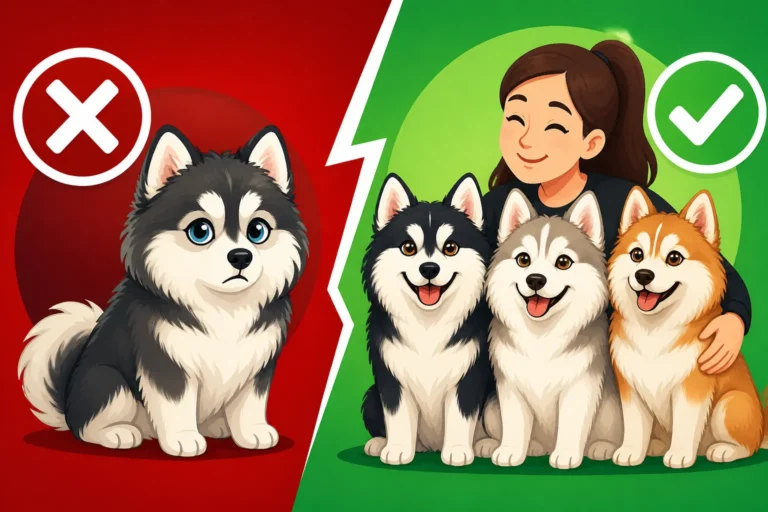
It can be incredibly confusing and honestly, a little frustrating, when you see a super cute dog at the shelter advertised as a "Pomsky" and you're left wondering if that's even possible. You've heard all about the careful breeding that goes into creating a Pomsky, so how can one just pop up in a rescue? This guide is here to clear up that widespread misunderstanding, helping you distinguish between a legitimately bred Pomsky and a mixed-breed shelter dog that simply looks like one, and what that means for potential adopters.
What Defines a "True" Pomsky?
Let's start by laying down the foundation: what exactly is a Pomsky in the eyes of reputable breeders and enthusiasts? It's not just any mix of a Husky and a Pomeranian, nor is it a dog that simply looks the part. There's a very specific science and intention behind the breeding of a Pomsky.
The Unique Breeding Process
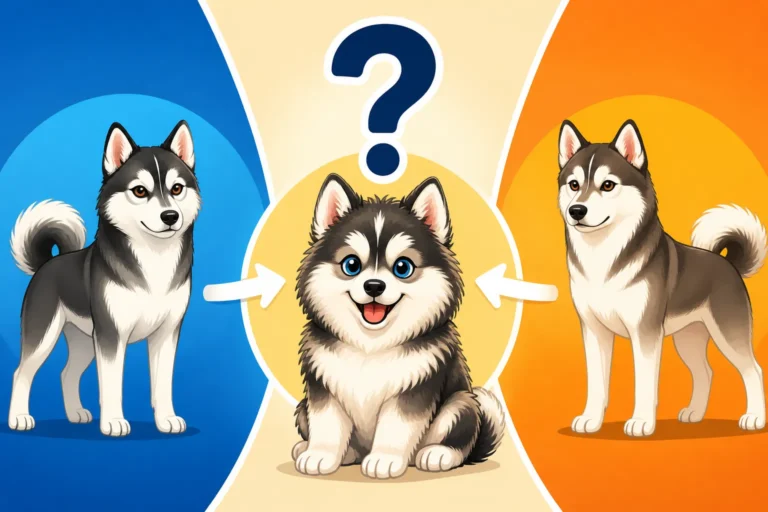
A Pomsky isn't a breed that arises from an accidental backyard encounter between a Siberian Husky and a Pomeranian. In fact, it's virtually impossible for a natural breeding to occur safely due to the significant size difference between the two parent breeds. Imagine the physical challenges and dangers involved for a small Pomeranian female trying to carry a litter fathered by a large Husky, or even for a tiny Pomeranian male attempting to breed with a Husky female. It just doesn't work out well, if at all, and is incredibly risky for both dogs.
This is why "true" Pomskies are typically the result of artificial insemination (AI). The female, by necessity, is always the larger Siberian Husky, and the male is the smaller Pomeranian. This ensures the safety of the mother and the successful development of the puppies. A responsible breeder will conduct extensive health screenings on both parent dogs, manage the breeding process with veterinary oversight, and often perform progesterone testing to pinpoint the optimal time for insemination. This meticulous, vet-supervised process is a hallmark of legitimate Pomsky breeding, which you can read more about in Why a Pomsky Can Only Be Made One Way and Why a Pomsky's Dam Must Be the Husky. Without this intentional, managed breeding, you simply don't have a Pomsky.
The Importance of Parentage and Generations
When a dog is truly a Pomsky, there's usually a documented lineage. Breeders track the generations, often starting with the F1 (first generation) cross, which is a direct mix of a purebred Husky and a purebred Pomeranian. Then you might see F2, F3, or even multi-generational Pomskies, which are the result of breeding two Pomskies together. This generational tracking helps breeders work towards more predictable traits in terms of size, coat, and temperament.
This documentation allows for a degree of predictability that you just don't get with a random mixed breed. When someone is selling a Pomsky, especially from a reputable background, they should be able to provide details about the parentage, the health testing performed on the sire and dam, and the generational status of the puppy. If a dog is advertised without this kind of verifiable background, especially in a shelter setting, it raises a big red flag about whether it's truly a Pomsky. It's really about knowing the intent behind the breeding, and the specific genetic inputs.
The Physical Traits Expected
While Pomskies can vary widely in appearance – some lean more towards the Husky look with striking blue eyes and a wolf-like coat, others might resemble a larger Pomeranian with fluffier fur and a more foxy face – there are general expectations. A Pomsky typically falls into a size range that is significantly smaller than a Husky but larger than a Pomeranian, often weighing between 15 and 35 pounds when fully grown. Their coats are almost always double-layered, inheriting the thick undercoat from both parent breeds, which means a lot of shedding!
However, the key here is that these traits are expected within a spectrum, not guaranteed, especially in F1s. The more generations of Pomsky-to-Pomsky breeding (F2, F3, etc.), the more consistent the look and size often become. But a dog simply having blue eyes and a fluffy coat doesn't automatically make it a Pomsky. Many mixed breeds can share similar physical characteristics by sheer chance. It's the combination of known parentage and the resulting blend of these specific traits that defines a Pomsky. You can learn more about adult size in What a Pomsky Actually Weighs Full Grown.
Why Shelter Dogs Are Often Labeled "Pomsky"
So, if Pomskies are so carefully bred, why do we see them popping up in shelters and rescues, often with that coveted "Pomsky" label? The answer lies in a combination of factors, primarily driven by appearance and the powerful appeal of the designer dog trend.
Marketing Appeal and Misinformation
Let's be honest, the "Pomsky" label sells. It conjures images of an adorable, miniature Husky, a highly desirable trait for many prospective adopters. Shelters and rescues, whose primary goal is to find homes for their animals, understand this appeal. If a dog in their care strongly resembles a Pomsky, it's natural for them to use that descriptor to attract attention and increase the chances of adoption. They're often working with limited information about a dog's past and rely on visual identification, sometimes to a fault.
This isn't necessarily malicious; it's often a practical approach to an overcrowded system. However, it can lead to misinformation. A dog might be labeled a "Pomsky mix" or just "Pomsky" based purely on its looks, without any true understanding of its genetic background. This means that a lot of dogs marketed as Pomskies in shelters are actually just adorable mixed breeds that happen to have some characteristics reminiscent of a Husky or a Pomeranian, or both. They might be a blend of completely different breeds that just happen to create a similar phenotype.
Phenotype vs. Genotype
This brings us to the crucial difference between phenotype and genotype. The phenotype is what a dog looks like on the outside – its physical appearance, coat color, eye color, size, and general build. The genotype refers to its actual genetic makeup, the combination of genes inherited from its parents.
Many shelter dogs labeled "Pomsky" are identified based solely on their phenotype. They might have the striking eyes, the fluffy coat, the curled tail, or the medium size that we associate with a Pomsky. However, their genotype might tell a completely different story. They could be a blend of American Eskimo Dog, various Spitz breeds, Chihuahuas, Border Collies, or even smaller sled dog mixes that just coincidentally resulted in a Pomsky-like appearance. Without known parentage or a DNA test, relying on phenotype alone to label a dog as a Pomsky is a guessing game at best. These dogs are no less wonderful, but they aren't Pomskies in the intentional, bred-for-purpose sense.
Mixed Breed Guesses and Hopeful Thinking
Sometimes, the "Pomsky" label in a shelter comes from an educated guess by staff, or even hopeful thinking from a previous owner who surrendered the dog. Owners might mistakenly believe their mixed-breed dog is a Pomsky because they bought it from a questionable source who used the term, or because the dog just looks so much like pictures they've seen online. This misinformation then carries over when the dog enters the shelter system.
It's also worth noting that many dogs end up in shelters for various reasons, and some Pomskies do unfortunately find themselves in rescue. Often this is due to owners being unprepared for the specific needs of the breed – perhaps the shedding, the high energy, or the vocal nature. Why Pomskies Are Surrendered highlights some of these common reasons. However, a significant portion of the dogs labeled Pomsky in shelters are not pure Pomskies but rather mixes that resemble them. It's a tricky situation where good intentions to rehome a dog can inadvertently perpetuate breed misconceptions.
The Reality of DNA Testing for Shelter Mixes
Given all this confusion, many prospective adopters turn to DNA testing to get a clearer picture of their potential shelter dog's true heritage. It's a smart move, but it's important to understand what these tests can and cannot truly tell you.
What DNA Tests Can and Cannot Tell You
Modern canine DNA tests, like those available from reputable brands often found through retailers like Chewy, are quite sophisticated. They can identify the various breeds present in your dog's genetic makeup, often breaking it down by percentages. So, a test might reveal your shelter "Pomsky" is actually 30% Siberian Husky, 20% Pomeranian, 25% Miniature Poodle, and 25% Chow Chow. This information is invaluable for understanding potential health risks, temperament traits, and even grooming needs.
However, here's the crucial "cannot": a DNA test can tell you what breeds are in your dog, but it cannot tell you if your dog is a "Pomsky" in the sense of being an intentionally bred F1, F2, or multi-gen cross from documented parents. It won't confirm that the Husky parent was actually the dam, or that artificial insemination was used. It simply identifies the presence of Husky and Pomeranian DNA. If your dog comes back with a significant percentage of both Husky and Pomeranian, it confirms that those breeds are in its lineage, but not necessarily that it's a "bred Pomsky" with traceable papers or a specific generational status. For more on this, check out Whether Embark or Wisdom Panel Confirms a Pomsky.
Navigating Breed Results
When you get those DNA results back from a service you ordered from, say, Chewy, it can be really exciting, and sometimes, a little surprising! If your shelter dog was advertised as a Pomsky, and the results show high percentages of both Husky and Pomeranian, then it's highly likely you have a dog that is genetically what a Pomsky is meant to be, at least in terms of its primary heritage. However, if the results show a small percentage of Husky and Pomeranian mixed with many other breeds, or perhaps a completely different set of breeds altogether, then you know for certain that your dog is a lovely mixed breed that just looks like a Pomsky.
This distinction is important not to diminish your dog, but to set realistic expectations. A dog with a complex mix of breeds might display a wider range of temperaments and physical traits than a dog from a more controlled cross. It helps you understand the true potential influences on your dog's behavior and health, which is far more valuable than a speculative breed label. Embrace whatever your dog is!
The Value of a DNA Test for a Shelter Dog
Despite the nuances, a DNA test for a shelter dog that looks like a Pomsky is absolutely valuable. First, it provides clarity. You'll know whether the "Pomsky" label was a good guess or a complete shot in the dark. This knowledge can also inform your approach to their care. For instance, if a test reveals a high percentage of Husky, you'll be more aware of their potential need for high activity levels, their tendency to vocalize, or even potential health issues like The Eyes a Pomsky Gets From the Husky or Hip Dysplasia in a Twenty Pound Pomsky. If Pomeranian is strong, you might consider sensitivities related to smaller dogs or dental care concerns like Dental Crowding in a Pomsky's Small Mouth.
Secondly, it helps manage expectations regarding size and temperament. Sometimes, people fall in love with the idea of a Pomsky, expecting a miniature Husky. A DNA test can reveal if your dog is likely to grow much larger than expected, or if its temperament might be more influenced by another dominant breed in its mix. Understanding this can prevent future frustration and ensure a better, more harmonious match between you and your adopted companion.
Adopting a "Pomsky" from a Shelter: What to Consider
If you're considering adopting a dog labeled "Pomsky" from a shelter, congratulations! You're opening your heart and home to a deserving animal. But it's crucial to approach this with a clear understanding of what you're getting, moving beyond the appealing breed label.
Focusing on Temperament and Health, Not Just Breed Label
When you're at the shelter, it's easy to get caught up in the "Pomsky" excitement, especially if the dog has those striking blue eyes or that fluffy coat. However, a truly responsible adoption process means focusing first and foremost on the individual dog's temperament and known health history, rather than its perceived breed. Spend time with the dog. Does it interact well with you? Is it comfortable with touch? Does it seem overly shy or overly boisterous for your lifestyle? Ask the shelter staff about the dog's known behaviors, its energy levels, and how it reacts to other dogs, children, or new situations.
A mixed breed dog, regardless of whether it has Husky and Pomeranian in its lineage, will have a unique personality and needs. You might find a dog that looks like a Pomsky but acts more like a mellow hound, or a dog that looks like a generic mix but has the boundless energy of a Husky. The real joy of adoption is discovering the individual dog's character. Also, inquire about any known health issues or screenings the shelter might have performed. While shelters do their best, they rarely have the extensive health clearances that a reputable Pomsky breeder would provide for their parent dogs. However, knowing any existing conditions is vital for future care.
Preparing for the Unexpected
Adopting any dog, especially a mixed breed with an unknown background, means preparing for a certain degree of uncertainty. If your shelter "Pomsky" is truly a mix of several breeds, its adult size, exact coat type, and temperament might be less predictable than a dog from a controlled breeding program. It might grow larger than a typical Pomsky, or shed more, or be more vocal, or need different exercise requirements than you initially anticipated.
This isn't a bad thing, just a reality. It simply means you need to be flexible and committed to meeting the dog's needs as they reveal themselves. Think about what your lifestyle can genuinely accommodate. Can you handle a high-energy dog if it turns out to have a strong Husky drive, even if it's small? Are you prepared for significant shedding and grooming if it has a dense double coat? Having a good supply of brushes and grooming tools from places like Chewy will be key for any fluffy friend. A dog's genetic cocktail can throw some delightful, and sometimes challenging, surprises your way.
The Joys and Challenges of a Mixed Breed Companion
Ultimately, whether your shelter dog is a "true" Pomsky or a "Pomsky look-alike" mixed breed, you are bringing a unique and loving companion into your home. Mixed breeds often benefit from a wider genetic pool, sometimes leading to what's called "hybrid vigor" – an increased genetic diversity that can potentially lead to fewer inherited health issues compared to some purebreds. Of course, this isn't a guarantee, as mixed breeds can still inherit health conditions from any of their ancestral lines. You can read more about this concept in Whether Hybrid Vigor Is Real in a Pomsky and The Two Opposite Disease Lists a Pomsky Inherits.
The main challenge will be the inherent unpredictability compared to a dog from a rigorously tested and selected breeding program. However, the profound joy of giving a shelter dog a second chance, of watching them blossom in a loving home, is immeasurable. These dogs often have incredible resilience and gratitude. If you find a dog in a shelter that captivates your heart and seems like a good fit for your home and lifestyle, don't let the ambiguity of a breed label deter you. Focus on the individual, provide consistent training, love, and care, and you'll gain a loyal friend, whatever their genetic history might be.
| Feature | Intentionally Bred Pomsky | Shelter "Pomsky" (Look-alike Mix) |
|---|---|---|
| Breeding Intent | Deliberate cross of Husky x Pomeranian via AI | Often accidental, natural breeding |
| Parentage Certainty | Documented, health-tested parents | Usually unknown or guessed |
| Genetic Makeup | Primarily Husky and Pomeranian | Variable; may have other breeds |
| Predictability | Moderate to high (F2+ more predictable) | Low to moderate |
| Acquisition Method | Purchase from a breeder | Adoption from a shelter/rescue |
| Cost | Higher initial cost | Adoption fee, usually lower |
| Health Info | Often extensive parent health clearances | Variable, limited known history |
| Temperament | Mix of Husky/Pomeranian traits | Highly individual, unpredictable |
Disclaimer
This article is for general informational purposes only and does not constitute professional advice. Laws, prices and regulations vary by location and change over time. Consult a qualified professional for guidance on your specific situation.