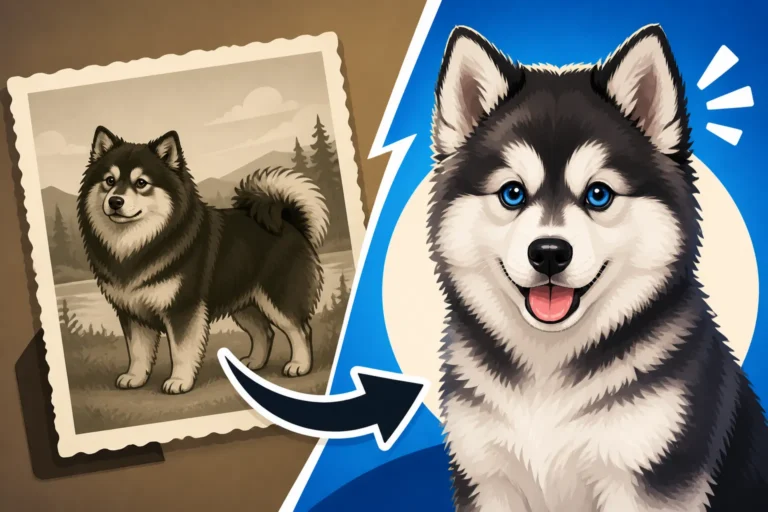
Whether the Shedding Puts People Off a Pomsky
A Pomsky’s plush, wolfish coat is part of the appeal—until loose fur turns up on the sofa, clothes, and car seats. Shedding can put people off, especially in homes where anyone has allergies or little time for grooming. This guide explains what Pomsky shedding is really like, what you can manage, and how to decide whether it fits your household.
Why a Pomsky Sheds More Than You Might Expect
A small dog can still leave a lot of fur
Pomskies are a cross between Pomeranians and Siberian Huskies, and many inherit a dense double coat. That coat has an insulating undercoat beneath longer guard hairs. It can make a Pomsky look especially fluffy, but it also means there is plenty of fur to release as the coat renews itself.
A Pomsky’s size doesn’t necessarily predict how much hair you’ll find around the house. Even a compact dog can shed noticeably if it has a thick undercoat. Coat type varies, too: one Pomsky may have a shorter, easier-care coat, while another has a dense coat that takes regular brushing to keep loose hair from spreading.
That variation is one reason online photos can give a misleading impression. A puppy’s soft fluff does not reliably tell you what its adult coat will be like, and siblings may differ. If you’re still comparing coats, The Three Pomsky Coat Types explains the common differences.
Seasonal coat blowouts can be dramatic
Many double-coated dogs shed throughout the year and release much more undercoat during seasonal coat changes. Owners often call these heavier periods “blowing coat.” Loose undercoat may come away in clumps, especially during brushing, and can collect quickly on bedding or floors. The timing and intensity vary by dog and living conditions.
A coat blowout can feel startling if you expected only a little everyday shedding. A Pomsky who seemed tidy one week may suddenly leave fur on your hands after a few strokes. That doesn’t automatically mean something is wrong, but bare patches, irritated skin, or sudden unusual hair loss deserve a veterinarian’s attention rather than a more aggressive grooming session. See When a Pomsky Blows Its Coat and How Long a Pomsky's Blowout Lasts for more detail.
| What you notice | What it may mean | Practical response |
|---|---|---|
| A few loose hairs most days | Normal coat renewal | Brush regularly and keep up with routine cleaning |
| Fur coming out in soft clumps during a seasonal change | A heavier undercoat shed | Increase gentle brushing and check that the skin looks healthy |
| Mats or packed fur near the collar, ears, or legs | Loose hair is tangling instead of coming free | Work carefully with a comb; ask a groomer for help if the coat is tight to the skin |
| Bald patches, redness, sores, or persistent itching | A possible skin or health problem | Contact a veterinarian rather than treating it as ordinary shedding |
Shedding can happen between seasonal changes
Even if a Pomsky has a noticeable seasonal blowout, you should expect some shedding at other times. Loose hairs may show up on your favorite dark sweater, gather along the edges of a rug, or cling to the back seat after a car ride. The amount depends on the individual dog, coat, season, and grooming routine.
Indoor conditions can also make shedding feel less predictable. A dog who spends much of the year inside may release hair more gradually rather than following a clearly defined outdoor seasonal pattern. If you want a closer look at that everyday pattern, Whether a Pomsky Sheds All Year as Well is a helpful companion topic.
How Much Shedding Should You Expect at Home
Fur may show up in more places than you plan for
The most common frustration is not necessarily a huge pile of fur in one place. It is the steady discovery of hair in lots of small places: woven into a throw blanket, caught in the corners of a hallway, on a car’s fabric seats, or stuck to a fleece jacket after a cuddle. A Pomsky who spends time on furniture may spread fur around more quickly than one who has a clearly defined resting spot.
How noticeable the fur is depends partly on your home and habits. It may be easier to spot pale hairs on dark upholstery and dark hairs on light flooring. A robot vacuum can help with floor fur, but it won’t remove hair trapped in fabric, and it won’t replace brushing. What a Pomsky's Shedding Does to a House offers more examples of the day-to-day reality.
Brushing helps, but it won’t stop shedding
Regular brushing helps remove loose hair before it travels around the house and gives you a chance to notice tangles or changes in the skin. It does not stop normal shedding or make a double-coated dog shed-free. During heavier shedding periods, many owners need to brush more often, using gentle strokes and checking that they are reaching through the coat rather than simply smoothing its surface.
Choose tools for the coat, not just because they promise to remove lots of hair. A comb can help you check whether the coat is tangled close to the skin; a suitable rake or slicker may help with loose coat when used carefully. Pulling hard at a knot can hurt, and repeated forceful scraping can irritate skin. For tool basics, see The Rake, Slicker and Comb a Pomsky Needs.
If you’re putting together a grooming kit, stores such as Chewy can be one place to compare brushes, combs, and coat-care supplies. Check that a tool is appropriate for a double coat and learn how to use it before grooming sensitive areas. If brushing causes distress or you’re unsure whether a mat is safe to work on, ask a professional groomer or your veterinarian for guidance.
Furniture, clothing, and cleaning routines matter
It can help to make a few small changes before you bring a Pomsky home. Washable blankets on favorite resting spots are easier to clean than repeatedly trying to remove fur from upholstery. A lint roller or fabric brush near the door can make it less of a scramble before work, and a regular floor-cleaning routine can prevent loose hair from gathering in corners.
Think about the things that are hard to clean, too. If your household relies on dark wool coats, delicate fabrics, or a car interior that shows every hair, shedding may become a repeated annoyance. Some owners find that keeping grooming tools near the area where the dog usually relaxes makes it easier to keep up with brushing. Others plan a quick vacuum before guests arrive rather than expecting the home to stay completely fur-free.
Chewy may also be useful for comparing lint rollers, washable throws, and grooming supplies in one place. The key is not to buy every product marketed for pet hair; it is to choose a few practical items that suit your surfaces and routine.
Can You Manage Pomsky Shedding Without Shaving
Build a grooming routine you can maintain
A realistic routine is more useful than an ambitious one you abandon after a week. Set aside regular time to brush, and make sessions calm and comfortable: start with a few minutes, reward your dog for cooperating, and pause if the coat or skin seems uncomfortable. Pay extra attention to areas where hair can tangle, such as behind the ears, around the collar, and where the legs meet the body.
For some owners, a professional groomer can help with bathing, drying, and removing loose undercoat. A groomer can also show you how to maintain the coat at home between appointments. When choosing a groomer, explain that your dog has a double coat and ask how they handle shedding and coat maintenance.
You can compare grooming tools and bathing supplies through retailers such as Chewy, but a product alone won’t make grooming effortless. Be cautious with tools that seem to pull or cut hair, and stop if your dog’s skin becomes red or your dog shows signs of pain. For a broader look at upkeep, Whether Any Brush Keeps Up With a Pomsky explores why no single brush solves every coat problem.
Don’t shave a Pomsky to solve normal shedding
Shaving may look like a quick fix when the fur is everywhere, but removing the coat is not a reliable way to stop shedding. A double coat helps protect the dog from temperature changes and the elements. Shaving also doesn’t prevent new hair from growing; loose hair can still appear as the coat grows back, and the texture or appearance of regrowth can be unpredictable.
There may be a specific medical or welfare reason for clipping a dog’s coat, but that is different from shaving simply to reduce household fur. Talk with a veterinarian or experienced groomer before making a major change to the coat. Why a Pomsky Must Never Be Shaved and Whether a Pomsky's Coat Should Ever Be Trimmed explain the distinction between routine trimming and removing the coat.
When shopping for grooming supplies, Chewy may offer different types of brushes and combs, but avoid treating a deshedding tool as a substitute for skilled, gentle technique. If your Pomsky is severely matted, a groomer can assess the safest way to address it rather than having you tug at tight knots at home.
How to Decide Whether Pomsky Shedding Is a Deal-Breaker
Consider your tolerance for everyday cleanup
Some people accept fur as a normal part of living with a dog and find that a steady routine keeps it manageable. Others feel worn down by hair on clothing, furniture, and floors, even when they love the dog. Neither reaction is unreasonable. The important thing is to imagine the ordinary week, not only the charming puppy photos.
Before deciding, consider who will brush the dog, how often you can realistically clean, and whether you are comfortable booking grooming help when needed. If you share a home, make sure everyone understands that shedding is a regular responsibility, not a temporary puppy phase. Ask a Pomsky owner if you can see what their home and grooming routine are like during a heavy shed.
If a coat with minimal loose fur is a firm requirement, a Pomsky may not be the right match. A shorter coat does not guarantee a low-shedding dog, and a Pomsky’s adult coat can be difficult to predict from puppyhood. If you’re choosing mainly because of allergies, read Whether a Pomsky Is Hypoallergenic and Whether a Pomsky Suits a Household With Allergies before making plans. No breed or mix should be assumed to be allergy-safe.
Separate manageable shedding from a health concern
Normal shedding usually leaves the coat broadly intact, even if there is loose hair around the dog or in your brush. By contrast, a patchy coat, inflamed skin, persistent scratching, sores, or a change in hair loss that seems out of proportion should prompt a veterinary check. Skin conditions, parasites, allergies, and other health issues can affect the coat, so it is better not to assume every change is just seasonal shedding.
A veterinarian can help distinguish routine coat renewal from a problem and advise whether a grooming change is appropriate. Avoid adding supplements or changing food solely because your Pomsky is shedding; those choices should be based on the dog’s needs and professional guidance.
Make the choice with the whole coat-care picture in mind
Shedding can put people off a Pomsky, and it is sensible to take that concern seriously before bringing one home. The breed’s appealing fluffy appearance often comes with regular brushing, periodic heavier shedding, and more cleaning than a low-shedding household may want. Good tools and a manageable routine can reduce loose fur around the home, but they cannot remove the underlying reality of the coat.
For a household willing to accept fur as part of dog ownership, the work may feel entirely manageable. For someone who wants a consistently hair-free home or cannot keep up with grooming, the same routine may become a source of ongoing frustration. Decide based on your real schedule and tolerance—not on the hope that a Pomsky will shed less than its coat suggests.
Disclaimer
This article is for general informational purposes only and does not constitute professional advice. Laws, prices and regulations vary by location and change over time. Consult a qualified professional for guidance on your specific situation.