Whether the Pomsky Is Still Fashionable
When you first stumbled upon those captivating pictures of what looked like miniature Huskies, the Pomsky seemed like the ultimate "it" dog, didn't it? It felt like everyone wanted one, and the internet was abuzz with their adorable, wolf-like faces in pint-sized packages. But as with any fast-rising trend, a common worry starts to creep in: is the Pomsky still as popular today, or has the initial excitement faded? This guide will delve into the lifecycle of "designer" dog breeds, exploring the Pomsky's journey from viral sensation to a beloved companion for those who truly understand and commit to the breed beyond its initial hype.
The Initial Burst of Pomsky Popularity
Oh, those early days of the Pomsky phenomenon! It felt like they exploded onto the scene overnight, dazzling everyone with their striking looks. For many, it was love at first sight, driven by a powerful desire for a dog that appeared to offer the best of both worlds: the stunning appearance of a Siberian Husky, but in a more manageable, smaller package.
The Viral Sensation and the "Mini Husky" Dream
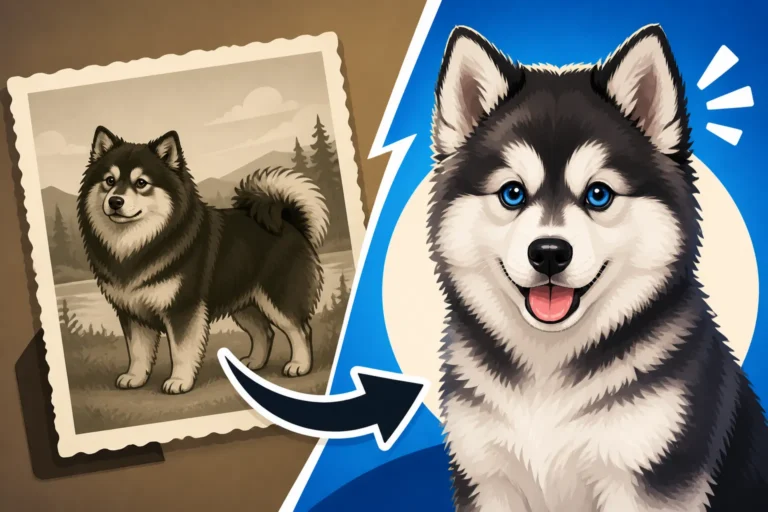
Remember scrolling through social media, seeing those impossibly cute, blue-eyed pups that looked exactly like a husky, just… smaller? That was the catalyst. Those viral images, many of which were initially misidentified or even digitally manipulated, ignited a massive wave of interest. People instantly fell in love with the idea of a "miniature Husky," envisioning a playful, adventurous companion that could fit into tighter living spaces than a full-sized Husky. The demand skyrocketed almost immediately, far outstripping the actual supply of ethically bred dogs. People were putting down hefty deposits, sometimes waiting years, all based on the promise of that perfect miniature wolf-dog. It was an exciting, almost feverish time in the dog world, a true testament to the power of online imagery to shape desires. The truth, as many soon discovered, was that The 2011 Photos That Were Not Pomskies often depicted Alaskan Klee Kais or even clever photo edits, setting an unrealistic expectation.
The Reality Check: What Buyers Actually Received
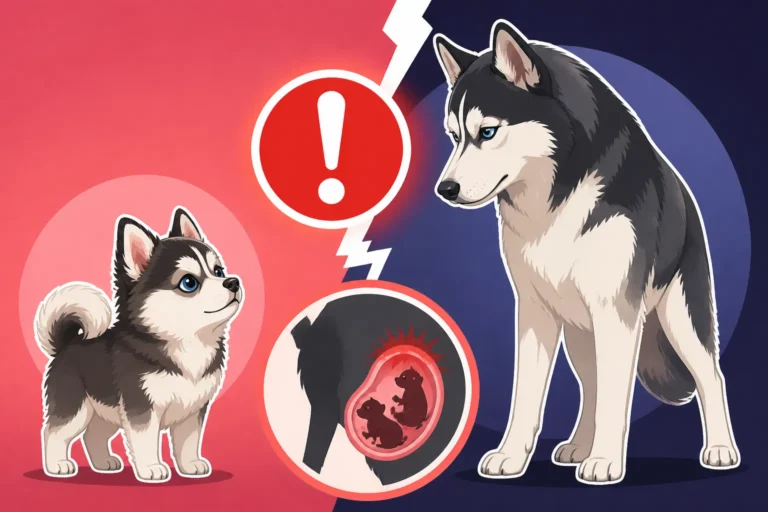
However, the reality of Pomsky breeding, especially in those early unregulated days, was often a far cry from the Instagram dream. The breed is a cross between a Siberian Husky and a Pomeranian, and genetics are a lottery. Many hopeful owners found their "miniature Husky" growing into a dog that looked, well, a lot more Pomeranian than Husky. Or perhaps it was larger than expected, shedding profusely, and possessed a temperament that was a confusing blend of both parent breeds. This unpredictability led to a wave of disappointment for some who had bought into the image without fully researching the true nature of hybrid vigor and genetic variation. When you're dreaming of a pint-sized sled dog and you get a fluffy, vocal companion with more Pomeranian sass than Husky stoicism, it can be a jarring experience. This disconnect between expectation and reality certainly put a damper on the initial "fashionable" fervor for some.
Shifting Trends and the Lifecycle of "Designer" Breeds
It's a common pattern we see with any "designer" breed or crossbreed that suddenly finds itself in the spotlight. There's an initial explosion of interest, often fueled by celebrity ownership or viral social media posts, and then a natural evolution as the novelty wears off and the true characteristics of the breed emerge.
The "Fad" Dog Question
For many, the initial burst of Pomsky popularity certainly felt like a "fad." Like any trend, it peaked, and the intense, almost frantic demand we saw years ago has certainly mellowed. This isn't necessarily a bad thing; in fact, for the breed's long-term health and reputation, it can be quite beneficial. When a breed becomes too popular too fast, it unfortunately attracts opportunistic breeders who are more interested in profit than in the welfare, health, or responsible breeding practices of the dogs. These breeders often cut corners, leading to dogs with unforeseen health or temperament issues, which can then give the entire crossbreed a bad name. The shift away from pure "fad" status means that those who are still interested in Pomskies are often doing so with more genuine intent and research, rather than just chasing the latest trend. It’s a natural recalibration that happens with many popular hybrids.
Sustained Interest vs. Passing Fancy
So, does a decline in "fad" status mean the Pomsky is no longer popular? Not at all. It simply means the interest has matured from a passing fancy to a more sustained, genuine appeal. The kind of person seeking a Pomsky now is often more educated about the breed's potential variations in size, coat, and temperament. They're prepared for the unique challenges and joys that come with combining two very distinct breeds. They understand that while a Pomsky might look like a miniature Husky, its personality could lean more towards the spirited, sometimes territorial nature of the Pomeranian, or exhibit the independent, stubborn streak of the Husky. They're not just buying into an image; they're committing to a complex, intelligent, and often vocal companion. This shift from casual curiosity to informed dedication is a sign of a healthier future for the crossbreed.
Why Pomskies Still Appeal to Specific Owners
Even as the initial whirlwind of internet fame settles, Pomskies continue to capture hearts for very good reasons. They offer a combination of traits that genuinely resonate with a particular type of dog owner, proving their appeal extends far beyond a fleeting trend.
The Enduring Appeal of Unique Looks and Personalities
Let's be honest, a well-bred Pomsky is undeniably stunning. Their striking Husky-like markings, often accompanied by those captivating blue eyes, command attention. But it's more than just aesthetics. Many owners adore the energetic, playful spirit that Pomskies possess. They're often described as intelligent, curious, and incredibly social with their families. They retain a portion of that adventurous, outgoing nature from their Husky lineage, combined with the bold, sometimes sassy attitude of a Pomeranian. This unique blend creates a dog with a big personality packed into a medium-sized body. They can be incredibly affectionate, forming deep bonds with their people, and often thrive on being the center of attention. While some might find their vocal nature (oh, the talking back!) or independent streak challenging, others see it as part of their charm. It’s the kind of dog that truly becomes a character in your family. You might find that Whether Most Pomskies Look Like Big Pomeranians is a common outcome, but that doesn't diminish their charm one bit.
Beyond the Hype: Dedicated Breeders and Owners
The shift away from sheer novelty has allowed a more dedicated community of Pomsky enthusiasts to flourish. These are the people who truly understand and appreciate the breed for what it is, not just for what it was initially marketed to be. They are dedicated to responsible breeding practices, focusing on health, temperament, and predictability to the extent possible with a crossbreed. Organizations like The International Pomsky Association and What It Sets have emerged to provide standards and guidance, helping to legitimize the crossbreed and encourage ethical practices.
This dedication extends to owners, too. You'll find Pomsky owners who are deeply committed to training, socialization, and providing the enrichment these intelligent dogs need. They share experiences, tips, and even the occasional humorous anecdote about their Pomsky's antics online and in local groups. This sustained, community-driven interest is a strong indicator that the Pomsky is far from a passing fancy; it's a crossbreed that has found its niche and its devoted following. This commitment is crucial because a Pomsky, due to The Two Opposite Disease Lists a Pomsky Inherits, needs attentive care from a well-informed owner.
Practical Considerations for Modern Pomsky Ownership
Beyond the debate of "fashionable" or not, what truly matters is whether a Pomsky is the right fit for your lifestyle. Ethical breeders and informed owners today prioritize a realistic understanding of what it means to live with one of these charming, yet demanding, dogs.
Understanding the Commitment
Bringing a dog into your life is always a huge decision, and with a Pomsky, it's particularly important to understand the long-term commitment. These aren't low-maintenance pups. They require consistent training, socialization, and plenty of mental and physical exercise to be happy, well-adjusted companions. Owners need to be prepared for the distinctive vocalizations that combine the Husky howl with the Pomeranian bark, and a propensity for escape artistry that comes from both sides of their lineage. Many Pomskies love to "talk" and express themselves loudly, which can be a delightful quirk for some, but a significant challenge for others, especially those in apartments where Whether a Pomsky Suits an Apartment is a major concern.
Beyond the daily care, consider the lifespan. When you choose a Pomsky, you're looking at a commitment that can easily span What Fourteen Years With a Pomsky Comes To. That's over a decade of feeding, grooming, training, and veterinary care. It’s a journey that requires patience, dedication, and a deep understanding of their unique needs.
Finding a Reputable Source Today
Given the early, unregulated explosion of Pomskies, finding a reputable breeder today is absolutely paramount. No longer is it about getting the first puppy you see; it's about finding a breeder who prioritizes the health and temperament of their dogs above all else. A responsible breeder will be transparent about the parent dogs, their health clearances, and the potential variations within a litter. They should also be eager to educate you on the realities of Pomsky ownership, not just show you the cutest puppy pictures.
Look for breeders who perform comprehensive health testing on their parent Huskies and Pomeranians for conditions common to both breeds. Ask for verifiable results of these screenings. A good breeder will also have a thorough application process, showing they care about where their puppies are going. They won't just sell to anyone with cash in hand. Remember, a dog is a living, breathing commitment, and choosing a breeder wisely is the first crucial step in ensuring you bring home a healthy, well-socialized companion. The best breeders will readily provide The Health Tests a Pomsky Breeder Should Show for their breeding animals.
The Ongoing Costs and Care
Let's talk practicalities. Owning a Pomsky isn't just about the initial purchase price; it's an ongoing financial and time investment. Their luxurious double coat, for example, demands regular grooming. You'll need specialized tools like an undercoat rake and potentially a high-velocity dryer to manage their shedding, especially during their "blowout" seasons. Alternatively, you'll be spending on regular professional grooming appointments. Either way, The Grooming Bill on a Double Coated Pomsky can add up. Many owners find value in investing in quality grooming tools from places like Chewy, which offers a wide array of brushes, shampoos, and dryers suitable for a double coat.
Then there's food. While they might be smaller than a Husky, Pomskies are often active and require a high-quality diet. The amount a Pomsky eats can vary, but ensuring they receive proper nutrition is key to their health and energy levels. Feeding a Twenty Pound Pomsky means choosing appropriate kibble or fresh food that meets their needs. Again, online retailers like Chewy provide a vast selection of premium dog foods to cater to different dietary requirements and budgets. Factor in vet visits, preventative medications, toys, beds, and training classes, and you'll quickly see that the financial commitment is substantial. Understanding these costs upfront helps avoid surprises down the road and ensures you can provide the best care for your Pomsky.
Temperament and Training Realities
The Pomsky temperament is a fascinating, often challenging, blend. They can inherit the strong prey drive of the Husky, making them potentially unsuitable for homes with small pets. Their intelligence, while a boon for training, can also lead to stubbornness and a knack for outsmarting their owners if not properly stimulated. This means consistent, positive reinforcement training is not just recommended, but essential. Socialization from a young age is also critical to ensure they grow into well-adjusted adults.
One area where both parent breeds contribute significantly is the potential for wanderlust. Huskies are known escape artists, and Pomeranians can be surprisingly agile. This means that Recall on a Pomsky Bred From a Dog That Runs is often a difficult, if not impossible, achievement in open, unfenced areas. A secure, tall fence and a commitment to leash walks are typically non-negotiable for Pomsky owners. Investing in durable harnesses and leashes, readily available at retailers like Chewy, is a smart move. Without proper mental and physical stimulation, a bored Pomsky can become a destructive Pomsky, leading to behaviors that are often cited as reasons Why Pomskies Are Surrendered when owners aren't prepared for the reality of the breed.
| Trait | Potential Husky Influence | Potential Pomeranian Influence | Common Pomsky Outcome |
|---|---|---|---|
| Size & Appearance | Miniature Husky look, blue eyes, dense double coat | Fluffier, more Spitz-like features, smaller frame | Highly variable; can lean either way, often larger than "mini" |
| Energy Level | High, requires significant exercise, loves to run | Moderate, spirited, enjoys walks but also indoor play | Generally high, needs daily vigorous activity and mental work |
| Vocalization | Howling, "talking," expressive sounds | Alert barking, sometimes yappy | Very vocal; can howl, bark, whine, and "talk back" |
| Trainability | Intelligent but independent, easily bored, stubborn | Smart, eager to please but can be willful | Intelligent, but requires patient, consistent, engaging training |
| Prey Drive | Strong, prone to chasing small animals | Can have a prey drive for small critters | Moderate to high; not always safe with cats or small pets |
| Shedding | Profuse, especially during seasonal "blowouts" | Significant, fine hairs | Heavy shedding year-round, extreme during blowouts |
| Socialization | Can be aloof with strangers, good with known dogs | Can be wary of strangers, potentially dominant with dogs | Needs early and ongoing socialization with people and dogs |
Conclusion
So, is the Pomsky still "fashionable"? The fever pitch of viral internet fame might have naturally tapered off, but to equate that with a loss of popularity or appeal would be a misunderstanding of how dog breeds, especially hybrids, truly establish themselves. The initial explosion of interest was driven by novelty and a captivating image, but what remains today is a strong, dedicated community of owners and breeders who appreciate the Pomsky for its unique combination of beauty, intelligence, and spirited personality.
The Pomsky has moved beyond being just a fleeting trend. It has found its place as a beloved companion for those who are prepared for the commitment, understand the genetic lottery involved, and genuinely fall in love with the complex, wonderful dog they bring home. For these owners, the Pomsky is more than just "fashionable"; it's a cherished family member, full of quirks, charm, and endless entertainment. If you're willing to embrace the reality of the breed – the vocalizations, the grooming needs, the training demands – you'll find that a Pomsky is an incredibly rewarding companion, regardless of what the latest online trend dictates.
Disclaimer
This article is for general informational purposes only and does not constitute professional advice. Laws, prices and regulations vary by location and change over time. Consult a qualified professional for guidance on your specific situation.