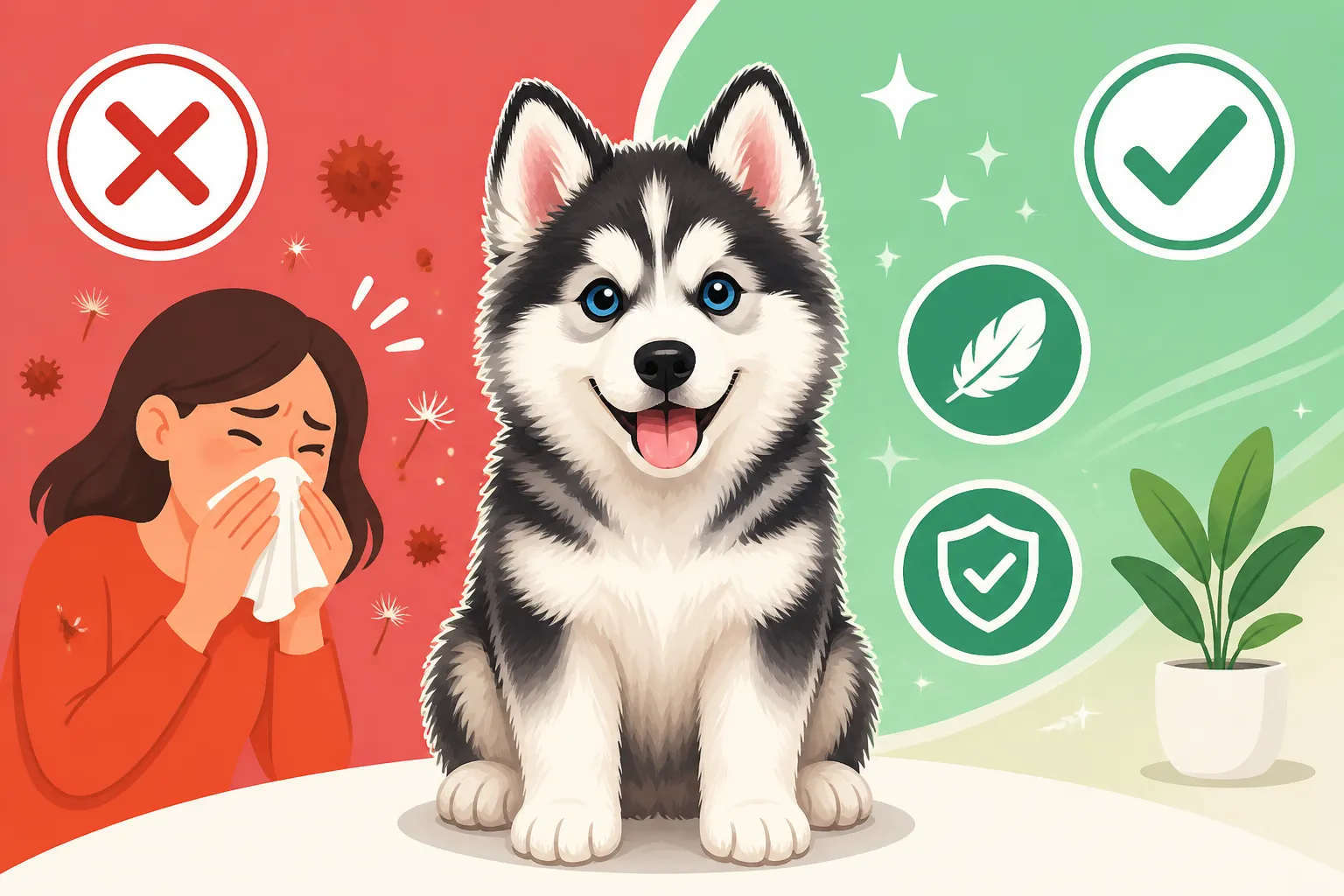
Whether a Pomsky Is Hypoallergenic
The idea of a dog that offers all the charm and beauty of a Siberian Husky or a Pomeranian, but with the added bonus of being "hypoallergenic," is incredibly appealing to anyone who suffers from allergies. Unfortunately, many prospective Pomsky owners hold onto this hope, only to be met with frustrating sniffles and itchy eyes. This guide is here to shed light on the reality of the Pomsky's allergen potential and help you understand what "hypoallergenic" truly means in the world of canine companions.
The Truth About "Hypoallergenic" Dogs
Let's be blunt: the term "hypoallergenic dog" is one of the most misunderstood and, frankly, misleading phrases in the pet world. It conjures images of dogs that are completely free of allergy-inducing properties, but that's simply not the case. If you've ever found yourself wondering if a certain breed or mix might be the magic bullet for your sneezes, you're not alone in that hopeful thought.
What Does "Hypoallergenic" Really Mean?
The word "hypoallergenic" literally means "less allergenic," not "non-allergenic." It implies a reduced likelihood of causing an allergic reaction, not an elimination of the risk. When it comes to dogs, the allergy triggers aren't primarily the hair itself, as many people assume. It's the microscopic dander (dead skin flakes), saliva, and urine that carry the proteins responsible for causing allergic reactions in sensitive individuals. These proteins become airborne or settle on surfaces, and when inhaled or touched, they can spark a full-blown allergy attack. So, a dog with a short coat can still be just as problematic as a long-haired one if it produces a lot of dander or licks excessively.
Consider a person allergic to peanuts. They don't just react to whole peanuts; they react to the proteins in the peanut, whether it's peanut butter, peanut oil, or even airborne particles from crushed peanuts. Dog allergies work similarly – it's about the proteins, not the packaging (i.e., the hair). This fundamental misunderstanding often leads people to believe that if a dog doesn't shed much visible hair, it must be hypoallergenic, which is a common pitfall when considering breeds like the Pomsky.
Why No Dog Is Truly 100% Hypoallergenic
The undeniable truth is that every single dog, regardless of breed, gender, or coat type, produces dander and saliva. They all have skin, they all lick, and they all shed some degree of dead skin cells. Some breeds are indeed less allergenic because they shed less hair, which in turn means less dander is distributed into the environment. They might also have a coat texture that traps dander, preventing it from becoming airborne. Think about breeds like Poodles or Portuguese Water Dogs – their curly, constantly growing hair traps shed dander and hair, making them appear "hypoallergenic" to many because the allergens aren't floating around as freely.
However, even with these breeds, a highly sensitive individual can still react. It's a spectrum, not a binary "yes" or "no." For instance, someone with very mild dog allergies might find they can comfortably live with a Poodle, while someone with severe allergies could still experience symptoms. The idea of a "100% hypoallergenic" dog is unfortunately a marketing myth that preyed on the desperate hopes of allergy sufferers. It's crucial for prospective Pomsky owners to understand this distinction before bringing one of these adorable pups home, especially if anyone in the household has allergies.
Understanding the Pomsky's Coat and Allergens
When you combine a Siberian Husky and a Pomeranian, you're essentially breeding two dogs renowned for their magnificent, dense, double coats and, yes, their considerable shedding. This genetic inheritance is a crucial factor in understanding a Pomsky's potential to trigger allergies.
The Double Coat Dilemma: Husky and Pomeranian Influence
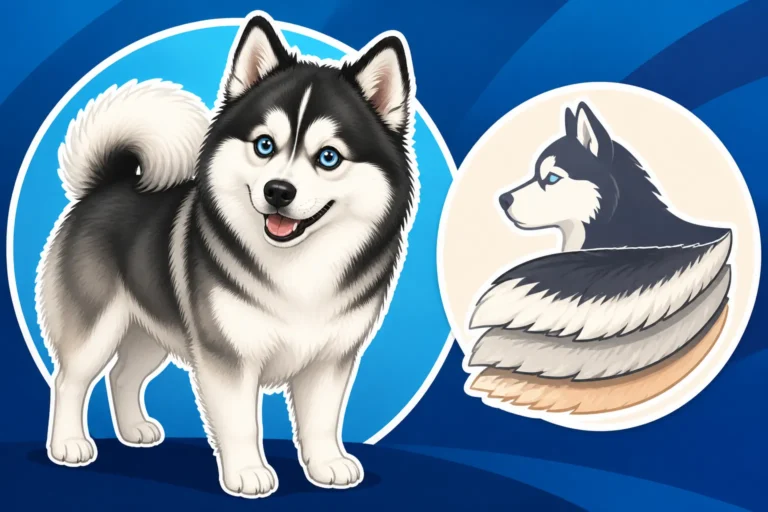
Both the Siberian Husky and the Pomeranian possess a thick double coat. This means they have a soft, dense undercoat for insulation and a longer, coarser outer coat (guard hairs) that protects against elements. This combination is fantastic for keeping them warm in cold climates and, surprisingly, helps regulate their body temperature in warmer weather too. However, it's also a significant factor in allergen production and distribution.
The Husky is a known heavy shedder, particularly during its seasonal "blowouts," where it sheds massive amounts of undercoat. Imagine a snowstorm of fur, but indoors. The Pomeranian, while smaller, also has a very dense double coat that sheds consistently, though perhaps not with the dramatic seasonal intensity of a Husky. When these two breeds combine to create a Pomsky, you get a dog that almost invariably inherits some variation of this double coat. While some Pomskies might lean more towards a Pomeranian-like fluff or a slightly less dense coat, the vast majority will have a double coat that sheds, often quite heavily. This means a continuous release of hair and, more importantly, dander into your home environment. Many owners find themselves asking Whether a Pomsky Blows Its Coat Twice a Year as they wrestle with the sheer volume of fur.
Shedding, Dander, and Saliva: The Real Culprits
As we discussed, the problem isn't the hair itself, but the dander and saliva that cling to it and become airborne. A Pomsky's double coat acts as a perfect reservoir for these allergens. Every time your Pomsky moves, shakes, or gets a good scratch, tiny flakes of dander laden with allergenic proteins are released into the air. These microscopic particles can linger in the air for hours before settling on furniture, carpets, clothing, and every surface imaginable.
Then there's the saliva. Pomskies love to lick! They lick their paws, they lick themselves during grooming, and they'll definitely try to lick you. When their saliva dries, the allergenic proteins become brittle and flake off, again contributing to the airborne allergen load. Even their urine contains these proteins, which can be an issue if your pup has accidents. The reality is, a Pomsky, with its inherited shedding tendencies and double coat, produces a considerable amount of dander and distributes it widely throughout its environment. This makes them a challenging choice for anyone with even moderate dog allergies, regardless of their adorable appearance. Don't be fooled by the size; a small Pomsky can still pack a powerful allergenic punch. The Pomsky That Carries a Husky Coat at Twenty Pounds is still a shedder.
Common Misconceptions and Why They Persist
It's easy to get caught up in the excitement of a new breed, especially one as captivating as the Pomsky. This enthusiasm, coupled with a lack of accurate information, often leads to persistent myths about their suitability for allergy sufferers.
The Myth of the "Low-Shedding" Pomsky
One of the most common misconceptions about Pomskies is that some generations or coat types will be "low-shedding" or even "non-shedding." Breeders might sometimes inadvertently or intentionally perpetuate this by highlighting puppies with shorter coats or less visible shedding during a particular time of year. However, as established, Pomskies are a mix of two heavily shedding, double-coated breeds. While an individual Pomsky might shed slightly less than another, perhaps due to a genetic lottery favoring the Pomeranian's slightly less intense shedding pattern compared to a full-blown Husky blowout, no Pomsky will ever be truly low-shedding in the way a Poodle or a Maltese is.
Every Pomsky will shed its undercoat to varying degrees, and this process releases dander. The belief that a certain "type" of Pomsky will be hypoallergenic is a dangerous assumption for allergy sufferers. The visible hair you see is just part of the story; the invisible dander is the real problem. Even Pomskies with The Short Coated Pomsky will shed dander, albeit with less visible fur to clean up. Many aspiring owners wonder Whether a Pomsky Suits a Household With Allergies, and the honest answer is, for moderate to severe sufferers, probably not without significant management.
Breed Generations and Allergy Potential
The concept of breed generations (F1, F2, F1b, etc.) is often brought up in the context of predicting traits, including allergy potential. An F1 Pomsky is a direct cross between a purebred Siberian Husky and a purebred Pomeranian. An F2 Pomsky is the result of breeding two F1 Pomskies together. Later generations, or "multigens," are bred Pomsky to Pomsky for multiple generations. The theory often goes that by breeding F1 back to a "hypoallergenic" breed (like a Poodle, creating an F1b Pomsky, though this is not standard for Pomskies and would make it a different mix), or by breeding multiple generations, you can somehow "breed out" the shedding or allergen potential.
However, for true Pomskies (Husky x Pomeranian), this is largely wishful thinking. While F2 and multigen Pomskies might offer slightly more predictability in size and appearance compared to the highly variable F1 generation, they do not suddenly become hypoallergenic. The genetic material for heavy shedding and dander production is inherent in both parent breeds. Unless a truly non-shedding breed is introduced into the mix – which would then make it something other than a pure Pomsky – the fundamental issue of dander and shedding will remain. Breeders focusing on health and temperament may try to select for certain coat types, but entirely eliminating the allergen load is beyond the scope of this particular crossbreed.
Living with a Pomsky When Allergies Are a Concern
If you're already committed to a Pomsky, or your heart is set on one despite mild allergies, don't despair entirely. While they are not hypoallergenic, there are definitely steps you can take to manage allergens in your home and potentially reduce your symptoms. It requires diligence and consistency, but it's not impossible for individuals with mild sensitivities.
Strategies for Managing Allergens in Your Home
Creating an "allergen-friendly" home environment starts with proactive measures. First, designate certain areas of your home as pet-free zones, especially the bedroom of the allergic individual. This provides a sanctuary where allergen levels can be kept significantly lower. Consider using high-efficiency particulate air (HEPA) filters in your vacuum cleaner and air purifiers throughout your home, especially in rooms where your Pomsky spends a lot of time. These devices can trap airborne dander, significantly reducing its concentration. You can find excellent options for air purifiers and vacuum cleaners on Amazon or Chewy.
Regular, thorough cleaning is paramount. Vacuum carpets and upholstery frequently, ideally with a vacuum designed for pet hair and allergies. Hardwood or tile floors are generally better than carpet for allergy sufferers, as they don't trap dander as easily and are simpler to clean. Wash pet beds, blankets, and your own bedding regularly in hot water to remove dander. Think about replacing heavy curtains with blinds that are easier to wipe down. Consistency is key here; a sporadic cleaning schedule won't keep allergen levels low enough to make a real difference.
Grooming Routines to Minimize Dander and Shedding
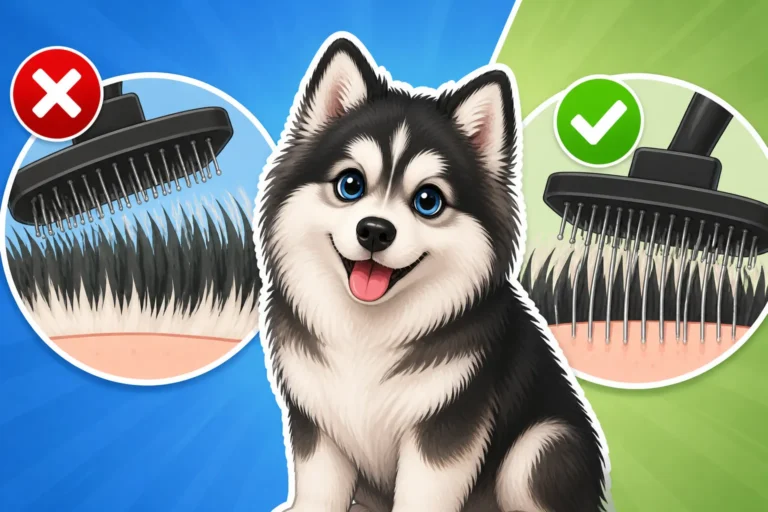
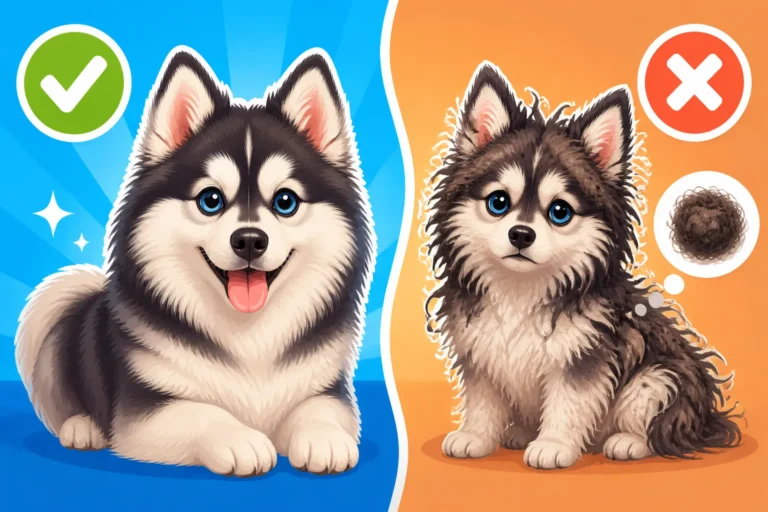
A consistent and thorough grooming routine is perhaps the most effective way to manage dander directly at the source. Since your Pomsky has a double coat, you'll need the right tools. An undercoat rake is absolutely essential for removing loose undercoat before it can shed all over your house. Many Pomsky owners find The Undercoat Rake a Pomsky Owner Lives With to be their most used tool. During seasonal blowouts, which can happen Whether a Pomsky Blows Its Coat Twice a Year, you might need to brush daily, sometimes even twice a day, outside if possible.
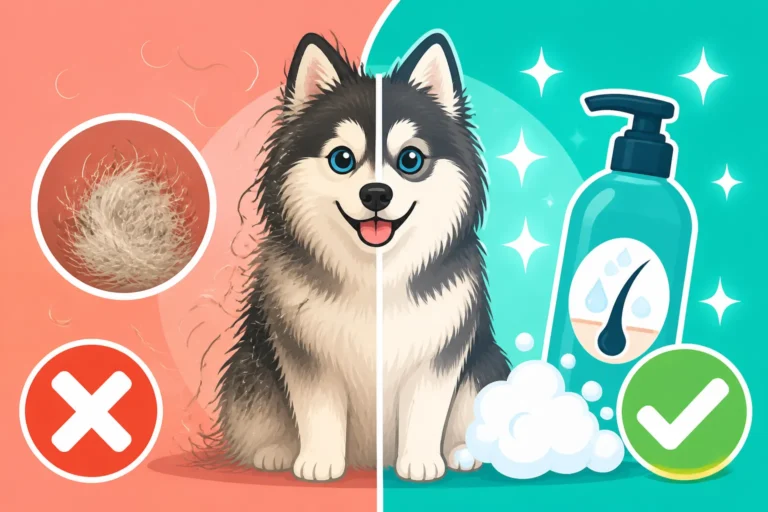
Regular bathing, typically every 4-6 weeks (or more frequently if recommended by your vet or groomer), can also help. Use a good quality dog shampoo and conditioner designed for double coats. A professional deshedding bath and blow-out can make a huge difference, especially during shedding season. Groomers use high-velocity dryers that blast out loose undercoat that brushing alone can't reach. It's an investment, but many swear it's worth it for reducing the amount of hair and dander floating around the house. You can find many of these grooming essentials, from brushes to specialized shampoos, on platforms like Chewy or Amazon. Remember, while grooming helps, Why a Pomsky Must Never Be Shaved as it can damage their double coat and its ability to regulate temperature.
| Grooming Task | Frequency | Purpose | Impact on Allergens |
|---|---|---|---|
| Brushing (Undercoat Rake) | Daily/Every Other Day (especially during blowouts) | Removes loose undercoat & dander | Significantly reduces airborne dander |
| Bathing (Deshedding Shampoo) | Every 4-6 weeks (or as needed) | Washes away dander and loose hair | Temporarily reduces skin dander |
| Professional Deshedding | Every 1-3 months (seasonal) | Deep removal of undercoat with specialized tools | Major reduction of shed fur and dander |
| Wiping Down | Daily/Weekly | Removes surface dander from fur | Prevents dander from settling on furniture |
| Ear Cleaning | Weekly/Bi-weekly | Prevents ear infections | Indirect: Healthy skin/ears reduce scratching/licking, thus less dander release |
Considering Alternatives and Testing the Waters
Before making the significant commitment to bring a Pomsky into an allergy-prone household, it's absolutely vital to thoroughly explore all options and, most importantly, test your reactions. Hopes and dreams are powerful, but a constant allergic reaction can quickly turn a dream into a nightmare for both you and your new furry friend.
Spending Time with Pomskies Before Committing
This step cannot be stressed enough: do not get a Pomsky if you have allergies without first spending significant, prolonged time around the specific dog or dogs you are considering. Visiting a breeder's home where several Pomskies live, or even fostering a Pomsky for a few days if possible, is invaluable. A quick visit might not trigger a reaction, but sustained exposure could. If your allergies are severe, even a brief visit might be enough to tell you that it's not a good idea.
Pay attention not just to sniffles and sneezes, but also to itchy eyes, skin rashes, or even respiratory symptoms like wheezing. Try to interact with the dogs, let them lick your hands, and see how you feel after a few hours and then the next day. Remember, what works for one person with mild allergies might not work for another, and what works for a few hours might not work after living with the dog for weeks. This is your chance to gather real-world data on your specific reaction.
Other Breeds Often Misunderstood as Hypoallergenic
It's helpful to understand that many other breeds, often those with "designer dog" status, face the same misconceptions as the Pomsky regarding their hypoallergenic qualities. For example, some people believe that crosses involving a Poodle (like Goldendoodles or Labradoodles) are automatically hypoallergenic. While many of these Poodle mixes can be less allergenic due to the Poodle's curly, low-shedding coat, they are still not 100% hypoallergenic. The degree of "hypoallergenic" qualities depends on how much of the Poodle's coat genetics they inherited.
Similarly, breeds like the Bichon Frise or Maltese are often recommended for allergy sufferers because they shed very little dander, as their hair grows continuously like human hair. However, they still produce dander and saliva. Even breeds like the Soft Coated Wheaten Terrier or the Irish Water Spaniel, known for their single coats, are not immune to causing reactions in sensitive individuals. The key takeaway is that if you truly need a dog that is as close to hypoallergenic as possible, you should research breeds consistently cited for this trait by veterinary associations and allergists, rather than relying on common assumptions or internet trends. The Pomsky, unfortunately, does not fall into that category, given its heritage.
Practical Tips for Pomsky Owners with Mild Allergies
For those with mild allergies who have decided to welcome a Pomsky into their lives, managing symptoms becomes a part-time job. It’s not about eliminating every single allergen – that's impossible – but about significantly reducing the overall allergen load in your environment and managing your personal reactions. Consistency in these practices will be your best friend.
Environmental Controls and Cleaning Products
Beyond the basic strategies mentioned earlier, a dedicated approach to environmental control can make a noticeable difference. Invest in high-quality air filters for your HVAC system and change them frequently, every 1-3 months, with MERV 11-13 ratings being ideal. Place portable HEPA air purifiers in the rooms where you spend the most time, and definitely in your bedroom. Running these continuously can capture many of the airborne dander particles before they settle.
When it comes to cleaning, be strategic. Microfiber cloths can trap dander more effectively than traditional dust rags. Consider using pet-specific enzyme cleaners, which can break down organic matter (including allergens) left behind by accidents or general pet presence. Regularly steam clean carpets and upholstery, or consider having them professionally cleaned, as this can penetrate deeper to remove trapped allergens. Robotic vacuums, like those available on Amazon, can be a lifesaver for daily maintenance, constantly picking up shed fur and dander, preventing buildup between your deeper cleans. Think of it as a continuous frontline defense against the inevitable shedding of a Pomsky. Many owners find that even with constant effort, What a Pomsky's Shedding Does to a House is a never-ending battle.
Personal Care and Medication
Your own personal habits play a critical role in managing your allergic reactions. After interacting with your Pomsky, especially after a grooming session or a cuddle, make it a habit to wash your hands thoroughly with soap and water. This prevents you from transferring dander to your face and eyes. If your allergies are particularly bothersome, consider showering and changing clothes after significant contact with your dog, especially before entering your pet-free bedroom. This helps remove allergens from your person.
Consulting with an allergist or your primary care physician is also highly recommended. They can confirm your specific allergies, assess their severity, and suggest medical management options. This might include over-the-counter antihistamines, nasal sprays, or prescription medications. In some cases, allergy shots (immunotherapy) might be an option, which can gradually desensitize your immune system to pet allergens over time. This is a long-term commitment but can offer significant relief. Remember, while these strategies can help you coexist with your beloved Pomsky, they do not change the fact that the dog itself is producing allergens. It's about careful management and understanding your personal tolerance levels.
Disclaimer
This article is for general informational purposes only and does not constitute professional advice. Laws, prices and regulations vary by location and change over time. Consult a qualified professional for guidance on your specific situation.