Whether the Pomsky Name Was Coined Online
When you first hear the name "Pomsky," it instantly clicks, doesn't it? It's a clever, memorable combination of Pomeranian and Husky. But for many, there's a lingering question: did this distinctive name, and perhaps even the idea of the breed itself, really spring from the depths of the internet? This guide will dive deep into the fascinating origins of the Pomsky name, exploring how digital platforms played an undeniably crucial role in its coinage and meteoric rise to popularity, and what that means for owners and enthusiasts today.
The Blurring Lines Between Online Buzz and Breed Creation
Before the first actual Pomsky puppies graced the world, the internet was already sowing the seeds of desire for a miniature Husky. This digital daydream created a vacuum for a name that could encapsulate such an enchanting idea, and the internet was ready to provide it.
When "Pomsky" Became a Household Word Online
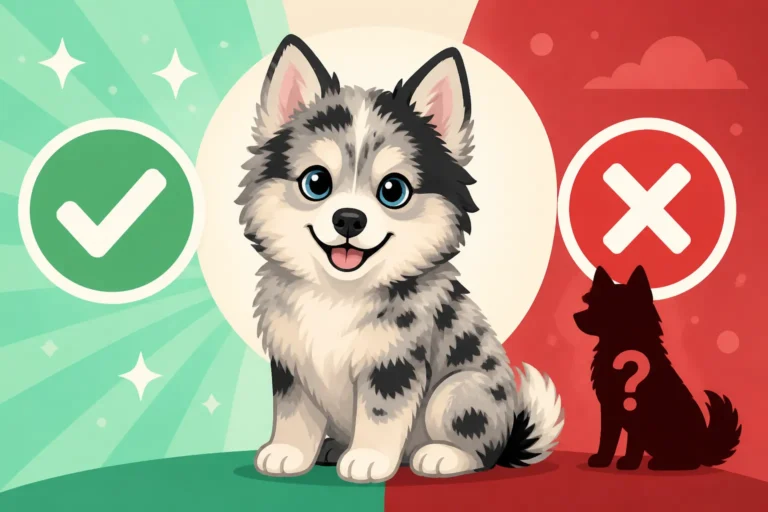
It’s hard to imagine a time before the Pomsky was widely known, but the truth is, the breed’s initial spark wasn't in a traditional breeding kennel, but in the boundless realm of the internet. It all started with some captivating images—photos that, to be entirely honest, were often not true Pomskies. These viral pictures, sometimes depicting small, fluffy dogs with striking Husky-like markings or even Alaskan Klee Kais, circulated like wildfire across social media platforms, early dog forums, and pet blogs. People were instantly captivated by the idea of a tiny version of the majestic Siberian Husky, a dog with those piercing blue eyes and wolf-like features, but in a size that could fit into almost any home.
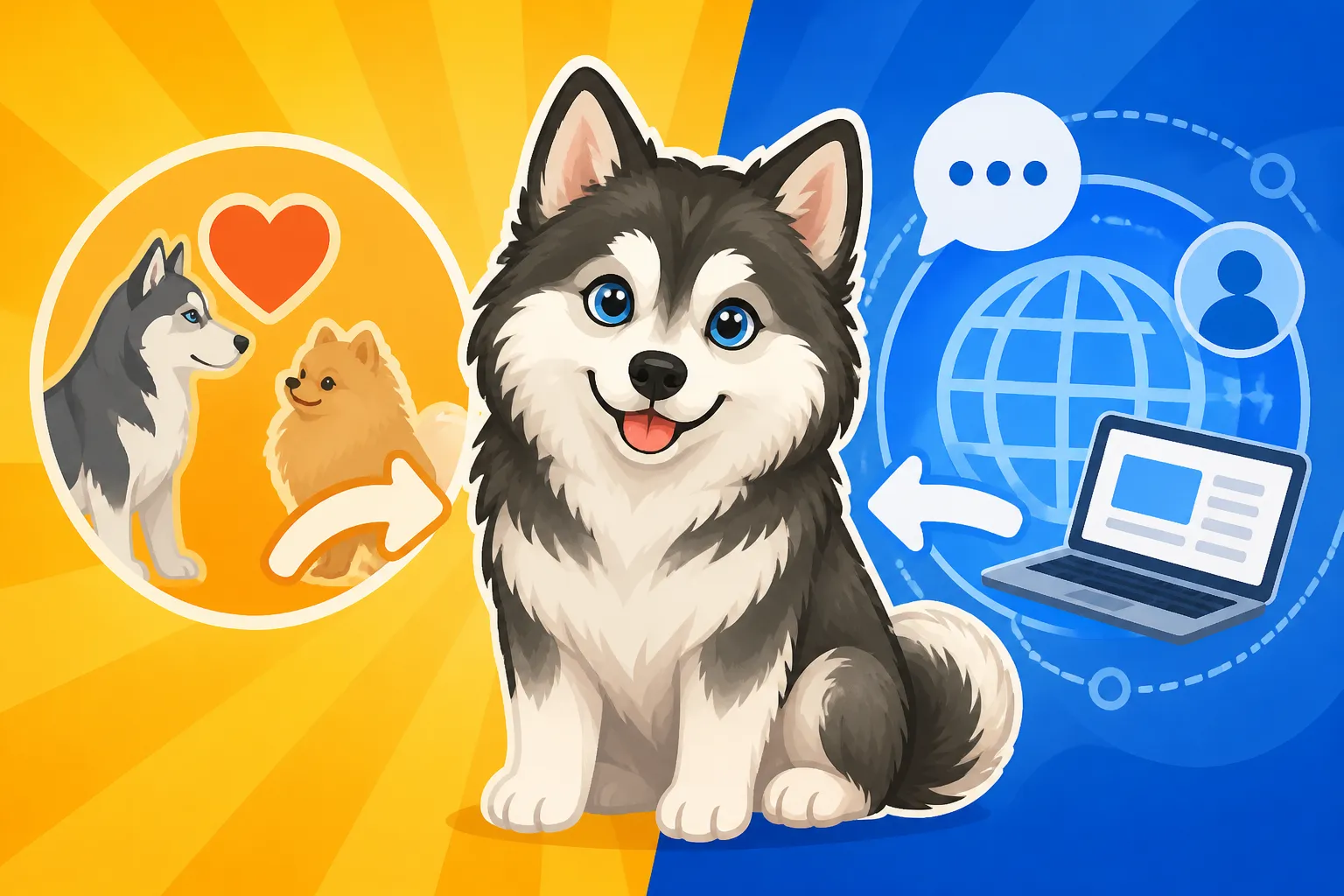
The term "Pomsky" itself wasn't born from a formal breeders' meeting or a registry committee. Instead, it was a perfectly natural portmanteau, an organic blending of "Pomeranian" and "Husky" that simply made sense. It rolled off the tongue, was easy to remember, and perfectly encapsulated the envisioned crossbreed. As these images and the concept of a miniature Husky gained traction, the name "Pomsky" emerged almost simultaneously, a collective coinage by the internet community. It was the ultimate crowdsourced name, instantly understood and adopted by millions who shared these aspirational pictures. The sheer speed at which the name caught on demonstrates the power of early social media and online communities in shaping perceptions and desires for new trends, including those in the pet world. The internet wasn't just a place to share; it was a place where dreams, and their names, were born.
The Role of Early Breeders and Online Communities
While the internet was busy creating demand and coining a name, a handful of forward-thinking, and let's be frank, entrepreneurial, breeders began to realize that there was a genuine desire to bring this "mini-Husky" dream to life. They recognized the immense online interest generated by those viral images and the catchy "Pomsky" name. This wasn't a case of traditional breeders developing a new line over decades; it was a rapid response to an online phenomenon. These pioneers started carefully breeding female Siberian Huskies with male Pomeranians through artificial insemination, a necessity due to the significant size difference between the parent breeds.
As these initial litters began to arrive, these breeders naturally turned back to the internet – the very place where the craze had started – to share their progress. They posted photos and videos of their adorable puppies on dedicated websites, Facebook groups, and Instagram feeds, often using the already popular #Pomsky hashtag. This closed the loop: the internet had dreamed up the dog and its name, and now the internet was showing the world that the dream was becoming a reality. These online communities became vital hubs for information, discussion, and even waitlist management. Enthusiasts flocked to these spaces, eager for updates, asking questions, and cementing the "Pomsky" name even further into the collective consciousness. Without the internet, the name would likely have remained obscure, confined to a small group of breeders. Instead, it became a global identifier almost overnight, making it clear that The 2012 Litter That Made the Pomsky Real launched a true internet sensation.
Beyond the Hashtag: Formalizing the "Pomsky" Identity
As the online buzz grew and real Pomskies began to appear, there was a natural progression from casual online chatter to more structured efforts to define and maintain the breed. The name, however, remained constant.
From Internet Sensation to Breeding Program
The leap from a trending hashtag and adorable photos to a bona fide breeding program was significant and filled with challenges. The catchy "Pomsky" name, so perfectly suited for internet virality, belied the complex realities of creating a new crossbreed. Breeders weren't just slapping two dogs together; they were undertaking careful genetic selection, understanding the health considerations of both parent breeds, and navigating the logistics of artificial insemination due to the considerable size disparity. What started as a simple, appealing idea online had to be translated into the biological world, a process that demanded dedication and expertise.
Despite the complexities, the name "Pomsky" proved incredibly resilient. It was already ingrained in the public's mind, a shorthand for the specific blend of traits people desired. As breeding programs matured, establishing multi-generational lines and striving for greater consistency in size, temperament, and appearance, the name served as a unifying brand. Even as breeders worked to differentiate their lines and establish reputations for quality, they all operated under the widely recognized "Pomsky" banner. This enduring popularity meant that formal organizations, when they eventually formed, naturally adopted the name that the internet had already made famous. The challenge then became to ensure the dogs living up to the name were healthy, well-socialized, and truly representative of the ideal qualities their parents offered.
The Push for Recognition and Standards
As the Pomsky gained more than just internet fame, breeders began to understand the necessity of establishing some form of regulation and standards. The very nature of its online origin meant there was no pre-existing club or kennel registry to dictate what a "Pomsky" should be. This led to a grassroots movement among dedicated breeders and enthusiasts to bring order to the burgeoning breed. They wanted to ensure responsible breeding practices, consistent characteristics, and the long-term health and welfare of these dogs.
This push resulted in the formation of organizations like the International Pomsky Association (IPA). These groups stepped in to create a framework: establishing a breed standard, encouraging health testing for parent dogs, and providing registration services for litters. The IPA, and similar organizations, adopted the already universally recognized "Pomsky" name, leveraging its popularity while attempting to elevate the breed beyond its initial "designer dog" status. While traditional kennel clubs, like the AKC, don't yet recognize the Pomsky as a distinct breed, these independent associations serve as vital entities for breeders and owners seeking legitimacy and guidance. They aim to safeguard the breed's future, helping potential owners understand What the Pomsky Association Was Founded to Do and ensuring that the cute name is backed by responsible practices. It's a testament to the name's power that it transitioned seamlessly from online buzz to foundational organizational identity. For anyone delving into the background of this breed, understanding The International Pomsky Association and What It Sets is crucial.
The Enduring Power of a Catchy Name
The "Pomsky" name didn't just appear; it stuck. This wasn't accidental. It possessed certain qualities that made it inherently memorable and impactful, especially in the fast-paced, information-dense environment of the internet.
Why "Pomsky" Stuck Where Other Names Faded
Think about it: many mixed-breed dogs exist, but few have a name as ubiquitous and instantly recognizable as "Pomsky." Why did this particular portmanteau achieve such staying power? Part of its genius lies in its simplicity and descriptive nature. It's a direct, uncomplicated blend of "Pomeranian" and "Husky," immediately telling you the parentage. There’s no ambiguity, no lengthy description needed; the name itself is the elevator pitch. This directness made it incredibly easy to share and remember in online conversations, where brevity often reigns. Imagine trying to consistently refer to them as "Pomeranian-Siberian Husky mixes"—it's clunky, takes too long to type, and lacks the punchiness of "Pomsky."
Furthermore, the internet's viral nature acted as an accelerant. Once those initial photos hit, and people started asking "What is that dog?", the answer "It's a Pomsky!" spread like wildfire. There wasn't a committee deliberating other options or a period of slow, organic naming. The name was essentially field-tested in real-time by millions of internet users, and it passed with flying colors. It was intrinsically tied to the captivating images and the dream of a mini-Husky, making it emotionally resonant. Other potential names, perhaps more formal or less intuitive, simply couldn't compete with the instant, widespread adoption of "Pomsky." This meant that the name was firmly established before any alternative could gain significant traction. Its success is a prime example of The Viral Post That Invented Pomsky Demand.
The Internet as a Catalyst for Breed Naming
The emergence and popularization of the "Pomsky" name isn't just a unique story about one crossbreed; it's a powerful illustration of how the internet has fundamentally reshaped the landscape of dog breed naming and recognition. In eras past, new dog breeds or distinct types developed over generations, often in specific geographical regions, leading to names like "Labrador Retriever" or "German Shepherd Dog." These names carried historical weight and were typically formalized by kennel clubs after decades, or even centuries, of development.
The internet, however, completely upended this traditional trajectory. It allowed for the rapid, widespread dissemination of ideas and images, creating demand for a specific "look" or "concept" of a dog before the breed itself was truly established. "Pomsky" is a product of this accelerated environment. Its very existence, and its widely adopted name, are direct consequences of online communities sharing, discussing, and creating a collective vision. The internet provides the platform for instant feedback, allowing catchy names to go viral and stick, almost like a brand name for a new product. This phenomenon has been replicated with numerous other "designer breeds," each with their own portmanteau names (e.g., "Goldendoodle," "Puggle"). It highlights how digital culture fosters a consumer-driven approach to dog breeding, where a popular online concept can quickly translate into real-world demand, complete with an internet-coined name.
The Reality of the Name and Its Implications
While the name "Pomsky" is undeniably charming and effective, it’s important to remember that it’s a label for a living, breathing creature. The internet-fueled dream behind the name sometimes collides with the practical realities of owning one of these captivating crossbreeds.
The Name Versus the Reality of Size and Temperament
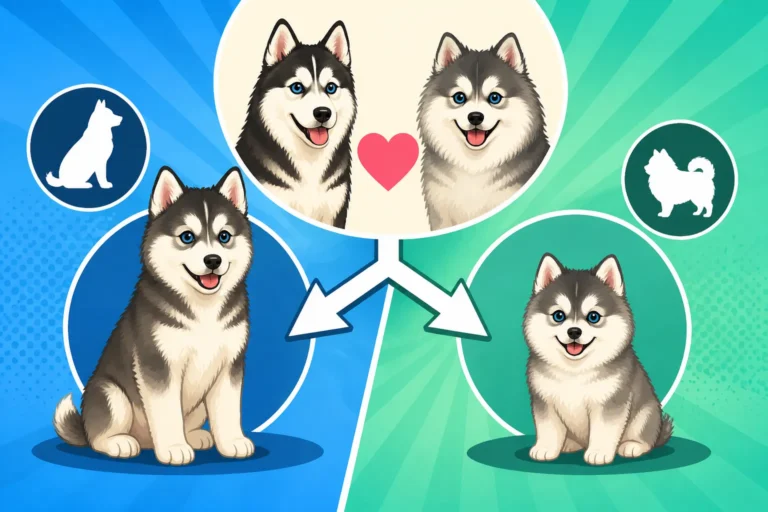
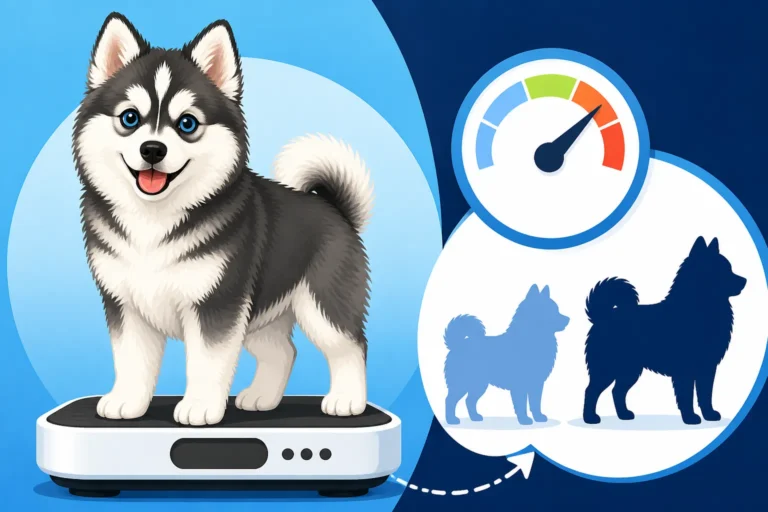
The allure of the "Pomsky" name often conjures images of a perfectly miniature Siberian Husky – those striking blue eyes, the curled tail, the thick double coat, all neatly packaged into a compact, manageable size. For many prospective owners, the name itself promises a smaller, perhaps more docile, version of the energetic Husky. However, the reality can often be quite different. As a relatively new crossbreed, Pomskies exhibit a wider range of genetic variation than established purebreds. This means that while some may indeed resemble a small Husky, others might lean more heavily towards their Pomeranian lineage, appearing as larger, fluffier Pomeranians, or even a mix that doesn't quite fit the viral image. This variability can lead to surprises in adult size; while many anticipate a 20-pound dog, some can easily reach 35 pounds or more. This is why discussions around What a Pomsky Actually Weighs are so important, as is understanding Why Most Pomskies Look Like Large Pomeranians.
Beyond size, temperament can also be a delightful mixed bag. Both parent breeds contribute strong personalities: the Husky is known for its independence, vocal nature, and high energy, while the Pomeranian is often feisty, loyal, and equally vocal. A Pomsky can inherit any combination of these traits, leading to a dog that might be more stubborn than anticipated, more prone to howling, or require significantly more exercise and mental stimulation than a prospective owner, swayed by the cute name, might expect. It's crucial for anyone considering a Pomsky to look beyond the charming name and truly understand the potential range of characteristics, rather than solely expecting the "mini-Husky" ideal presented by early online content.
Navigating the Online Marketplace
The fact that the Pomsky name was coined and popularized online has created a double-edged sword for prospective owners: immense accessibility to information (and puppies!) but also a landscape fraught with potential pitfalls. The booming online market that grew alongside the name meant that suddenly, everyone wanted one, and not all breeders were created equal. The ease with which the name spread online also meant that unscrupulous individuals could capitalize on the trend, breeding without proper health testing, adequate care, or a deep understanding of genetics. This makes it challenging for a new owner to distinguish between a responsible breeder who genuinely cares for their dogs and one simply cashing in on demand.
It’s paramount for potential Pomsky parents to be incredibly diligent in their research. Don't just fall for adorable pictures and a popular name; delve into the breeder's practices. Ask about health clearances for both parent breeds, request to see the facility, and inquire about their puppy socialization protocols. A reputable breeder will be transparent about these things and happy to answer your questions. They'll also be transparent about what traits their specific lines tend to produce, recognizing that not every Pomsky will be the exact "mini Husky" vision. Utilizing resources like the International Pomsky Association can help you find ethical breeders. Before committing, consider whether Whether an Untested Pomsky Litter Is Worth Buying is a risk you're willing to take. You’ll want to ensure you're getting a healthy, well-adjusted companion that lives up to the promise of the name, rather than a dog whose origins are murky simply because the demand was so high. And when it comes to preparing for your new arrival, reputable online pet supply retailers like Chewy offer a vast array of quality products and resources to support responsible pet ownership, from food to toys and training aids, helping you get ready for your well-researched Pomsky.
| Feature | Traditional Breed Naming (Pre-Internet) | Modern Designer Breed Naming (Internet-Influenced) |
|---|---|---|
| Origin of Name | Often geographical, historical, or descriptive of function/appearance. | Portmanteau (blend of parent breed names), catchy, descriptive. |
| Speed of Popularity | Gradual, organic growth over decades or centuries. | Rapid, often viral spread, reaching global recognition in years. |
| Catalyst for Demand | Utility, working ability, show ring success, slow public awareness. | Viral images, social media trends, celebrity ownership, online forums. |
| Role of Registries | Kennel clubs establish standards, then name becomes official. | Name adopted informally first, then organizations may form to set standards for existing name. |
| Consistency | High consistency through generations of selective breeding. | Wider variation in appearance and temperament, especially in early generations. |
| Primary Platform | Print media, dog shows, word-of-mouth. | Social media, pet blogs, online forums, breeder websites (e.g., Chewy's informational sections). |
Knowing the Source: Verifying Your Pomsky
Because the "Pomsky" name exploded online, it naturally led to a lot of enthusiasm, but also some confusion and even misrepresentation. Many people saw photos and simply wanted "a Pomsky," without necessarily understanding the specific parentage or generations involved. This is where the name, while wonderful for marketing, could sometimes become problematic. A true Pomsky comes from a Pomeranian and a Siberian Husky, typically an F1 (first generation) cross, or subsequent generations of Pomsky-to-Pomsky breeding. However, given the initial online frenzy, some individuals might have advertised other small, Husky-like mixes as Pomskies, or dogs with unknown parentage.
It’s why, even with a name as clear as "Pomsky," verifying the source is incredibly important. A reputable breeder will always provide information about the parents, including their health testing and lineage. In the absence of traditional kennel club registration, which doesn't yet exist for Pomskies, a breeder's transparency and adherence to standards set by organizations like the IPA are your best indicators of a legitimate Pomsky. Asking about DNA testing to confirm parentage, although not universally done, can also offer peace of mind. Ultimately, the charming name is just the beginning; understanding the true genetic makeup and responsible breeding behind it is what ensures you bring home a healthy, happy companion who genuinely embodies the Pomsky spirit. It's vital to consider Whether a Pomsky Without Papers Is Real and to critically evaluate sources, even if the puppy is incredibly cute. After all, Whether Pomsky Buyers Got What the Photos Promised often hinged on the ethics of the seller. The online world makes it easy to fall in love with the idea of a Pomsky, but a bit more legwork confirms if you're getting the real deal, perhaps even finding products like high-quality puppy food on platforms like Chewy that cater to the unique needs of developing Pomskies.
Disclaimer
This article is for general informational purposes only and does not constitute professional advice. Laws, prices and regulations vary by location and change over time. Consult a qualified professional for guidance on your specific situation.