Whether a Pomsky Is Gentle With a Toddler
Bringing a new baby or an active toddler into a home with a beloved Pomsky can be a beautiful picture in your mind, but the reality often involves managing two dynamic creatures who speak different languages and have vastly different needs. This guide will walk you through the nuances of whether a Pomsky can truly be "gentle" with a toddler, focusing on managing expectations, understanding breed traits, and implementing practical strategies to ensure a safe and harmonious household for everyone.
Understanding the Pomsky Personality Mix
Pomskies are a fascinating blend, combining the spirited nature of the Siberian Husky with the bold, sometimes sassy, personality of the Pomeranian. This mix creates a dog that is often intelligent, energetic, and full of character, but also one that can inherit specific traits that need careful management around very young children. It's not about whether your Pomsky wants to be gentle, but whether their inherent drives and learned behaviors align with the unpredictable world of a toddler.
The Husky Influence: Energy, Prey Drive, and Independence
From the Husky side, your Pomsky likely inherited a substantial amount of energy. These dogs are built to run and work, and even in a smaller package, that drive for activity remains. An under-exercised Pomsky can become bored, destructive, or overly boisterous, which is hardly ideal when you have a tiny human wobbling around. They often have a strong prey drive, meaning quick, jerky movements from a running toddler can sometimes trigger a chase instinct. It's not aggression, but a hardwired response to something moving quickly, which can result in a knockdown or an accidental nip if the dog is overstimulated. Huskies are also known for their independence; they can be very loving but aren't always "velcro" dogs, and sometimes prefer their own space. This independence needs to be respected, especially by a curious toddler who might not understand boundaries.
Imagine little Leo, 18 months old, toddling across the living room with arms outstretched. Your Pomsky, Bella, might see this as an invitation to a game of chase, or worse, the quick, high-pitched sounds and erratic movements might mimic prey. This isn't Bella being mean; it's her instincts kicking in. Understanding The Prey Drive a Pomsky Gets From the Husky is crucial for ensuring safety in these scenarios. You need to be proactive in teaching both Bella and Leo how to interact safely, or, more realistically, how to exist in the same space without direct interaction until Leo is old enough to understand proper behavior.
The Pomeranian Influence: Sass, Sensitivity, and Mouthiness
Then there's the Pomeranian side, which often contributes to a Pomsky's smaller size but also imbues them with a bold and sometimes opinionated personality. Pomeranians can be sensitive to rough handling and may react defensively if they feel threatened or cornered. They can also be quite "mouthy" as puppies, using their mouths to explore and communicate, and while this is usually outgrown, it can be a problem if a puppy is allowed to mouth human hands and then encounters a toddler's exploring fingers. This sensitivity, combined with the smaller size, can make them more vulnerable to accidental harm from a clumsy toddler, leading to defensive reactions like growling or nipping.
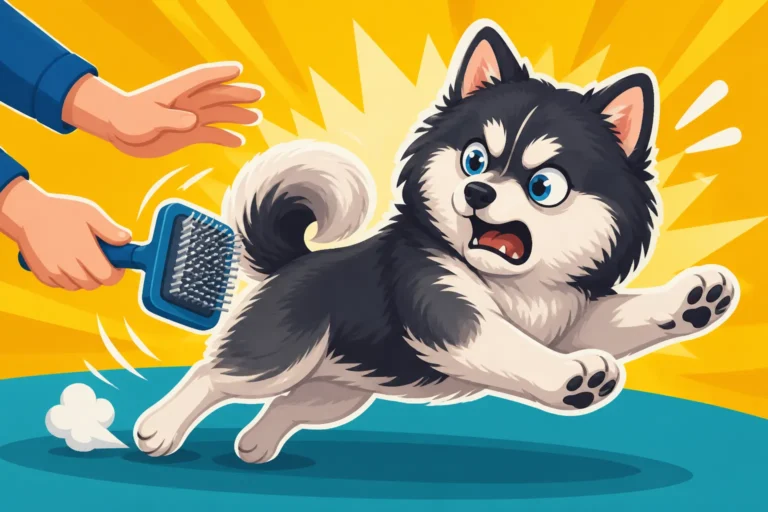
Consider a situation where your Pomsky, Pip, is relaxing in his bed, and your two-year-old, Maya, approaches, wanting to give a hug. Pip, inheriting some of that Pomeranian sensitivity, might be startled by the sudden intrusion into his space. If Maya pulls his tail or grabs an ear (as toddlers often do without malice), Pip might react with a quick snap or growl out of fear or pain. It's not that Pip dislikes Maya; it's a natural canine reaction to discomfort or a perceived threat. The Suspicion a Pomsky Gets From the Pomeranian can make them wary of new or unpredictable stimuli, including little hands and faces that move quickly. Recognizing these signs early and teaching respect for Pip’s space is paramount.
Navigating the Potential Challenges with Little Ones
While the idea of a gentle Pomsky playing sweetly with a toddler is heartwarming, it's essential to be realistic about the potential challenges. These aren't criticisms of the breed or your dog, but rather acknowledgments of normal canine behavior that can become problematic when mixed with the unpredictable nature of a very young child.
Managing Puppy Nipping and Mouthiness
All puppies explore the world with their mouths, and Pomsky puppies are no exception. They nip, chew, and mouth everything, including human hands and feet. This is a normal part of development, but it must be managed carefully, especially in a household with toddlers. A nip that's merely annoying to an adult can be painful and frightening to a child, potentially breaking skin or causing lasting fear. It’s vital to redirect this behavior from day one.
When your Pomsky puppy comes home, they need to learn that human skin is off-limits for nipping. This means immediate, consistent redirection to appropriate chew toys every time their teeth touch skin. Teaching bite inhibition—the understanding of how much pressure they can exert without causing pain—is also critical. This is a skill typically learned from littermates, but you can reinforce it by reacting with a yelp if a nip is too hard, then ignoring the puppy for a moment before re-engaging. However, with a toddler in the house, avoidance is often the best strategy in the early stages. Keeping puppy and toddler separated unless under strict, active supervision is non-negotiable. An online puppy training program like BAXTER & Bella can offer structured lessons and support for tackling puppy behaviors like nipping, providing you with consistent methods to apply. Understanding the early developmental stages, as discussed in Raising a Pomsky Puppy, will equip you with the knowledge to shape your pup's behavior proactively.
Addressing Resource Guarding Tendencies
Resource guarding is when a dog becomes possessive over food, toys, sleeping spots, or even people, and may growl, snap, or bite to defend these resources. While not all Pomskies will resource guard, it's a potential behavior in any dog breed and can be particularly dangerous when children are involved. A toddler, unaware of canine boundaries, might try to take a toy or grab a treat from a dog, triggering a defensive reaction.
To mitigate this, teach your Pomsky early that humans approaching their resources is a positive experience. Practice "trade-up" games where you offer a higher-value treat for a less valuable toy, teaching them that giving things up leads to better rewards. Always ensure your Pomsky has a safe, undisturbed place to eat their meals and chew their special bones, away from where a toddler might wander. This might mean feeding them in their crate or a separate room. Also, never allow a toddler access to your dog's food bowls or toys that the dog is actively engaging with. If you notice any signs of resource guarding, even subtle ones like freezing or a hard stare, seek professional guidance immediately. The goal is to prevent any potential conflict before it escalates, ensuring peace for your whole family.
Exuberance and Overstimulation
Pomskies are often highly enthusiastic dogs. Their play can be vigorous, involving jumping, pawing, and running with gusto. While this is fine for adult playmates, it can easily overwhelm or accidentally injure a small toddler. A Pomsky might not understand their own strength or momentum, especially if they are a larger individual closer to the Husky parent's size. A playful bump from a 25-pound Pomsky can easily knock over a two-year-old, potentially causing a head injury or a nasty fall.
Managing this exuberance requires consistent training and adequate exercise. Your Pomsky needs plenty of mental and physical stimulation to burn off that energy. Regular walks, playtime, and training sessions are essential. For a Pomsky, The Exercise a Pomsky Needs Every Day is more than just a quick stroll around the block; it's often a vigorous activity to keep them balanced and calm. Teach your dog polite greetings (no jumping!) and impulse control commands like "leave it" and "stay." When a toddler is present, keep play sessions structured and supervised, or provide separate playtimes for the dog and child. Redirecting over-excited behavior with a calm command and a treat, or by simply removing the dog to a quiet space, can help prevent accidents.
Building a Foundation of Safety: Training and Socialization
Creating a safe environment for both your Pomsky and your toddler isn't just about managing potential issues; it's about actively building a foundation of good behavior through training and responsible socialization. This is an ongoing process that benefits everyone in the home.
Essential Obedience Training and Impulse Control
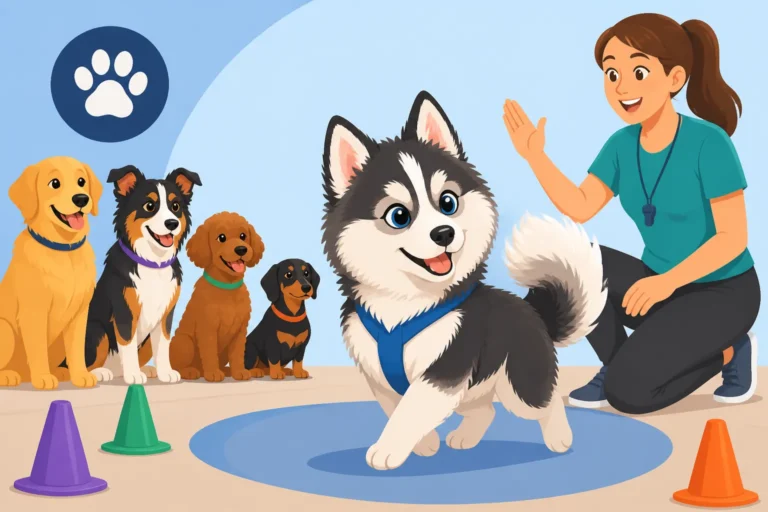
Solid obedience training is non-negotiable when you have a Pomsky living with a toddler. Commands like "sit," "stay," "down," and "come" are vital for controlling your dog's movements and preventing unwanted interactions. Even more important is teaching "leave it," which can be a lifesaver if your toddler drops a toy the dog shouldn't have, or if the dog is too focused on the child. Impulse control exercises, where your dog learns to wait for permission before taking a treat or going through a door, are also extremely valuable. These teach your dog to think before acting, a critical skill around unpredictable little ones.
Consistency is key here. Every family member, even older children, should use the same commands and reward systems. Enrolling in a positive reinforcement training class or utilizing online resources can provide structured lessons. For instance, platforms like BAXTER & Bella offer comprehensive training programs that can guide you through these crucial steps, helping you establish clear communication and expectations with your Pomsky. A well-trained Pomsky is not only safer but also a more confident and content companion, less likely to react out of uncertainty or lack of direction. This investment in training early on, as explored in What a Pomsky Learns in a Week, pays dividends for years to come.
Socialization for Both Dog and Child
Socialization isn't just for puppies; it's an ongoing process for both your Pomsky and your child. Your Pomsky needs to be exposed to a variety of sights, sounds, people, and experiences in a positive way from a young age to build confidence and prevent fear-based reactions. This includes supervised, positive introductions to well-behaved children of various ages before a toddler is introduced or becomes mobile. For the toddler, it means teaching them how to interact respectfully with dogs as they grow.
This isn't about letting your toddler "practice" on your dog. It's about teaching respect and boundaries. As soon as your toddler is old enough to understand, teach them "gentle hands" and "no pulling." Show them how to stroke your Pomsky gently on the back, avoiding sensitive areas like ears, tail, and face. Emphasize that the dog's bed, crate, and food bowl are off-limits. Never allow a toddler to disturb a sleeping or eating dog. For the Pomsky, ensure that interactions with other children are always positive and supervised, reinforcing that children are generally pleasant. Think about setting up "meet and greet" sessions in a controlled environment, where your Pomsky can learn to associate children with positive experiences, like calm praise and tasty treats.
Creating Harmony: Supervision and Safe Spaces
Even with the best training and socialization, the inherent differences between a dog and a toddler mean that active management and constant supervision are absolutely necessary. Relying solely on your Pomsky to be "gentle" is unfair to the dog and potentially unsafe for the child. It's about proactive steps to prevent incidents.
The Golden Rule: Never Unsupervised
This cannot be stressed enough: never leave a Pomsky and a toddler unsupervised, even for a second. Accidents happen quickly, often silently, and with the best-behaved dog. What might seem like a minor squabble to an adult can escalate rapidly when a child doesn't understand canine warning signs (like a growl or a tense body). Even if you're just stepping away to grab something from the kitchen, use physical barriers to separate them. A sturdy baby gate, easily found on Amazon, is your best friend here. Gates allow the dog and child to see and hear each other, maintaining a connection without direct contact, providing a sense of inclusion for the dog without the risk of physical interaction.
This rule applies whether your Pomsky seems like the sweetest, most placid dog on earth or has a history of being nippy. Toddlers are unpredictable, clumsy, and often lack an understanding of animal cues. They might fall on the dog, pull a tail, or grab a mouthful of fur. A dog's instinctual reaction to pain or fright can be instantaneous and without malice, but still harmful. Always err on the side of caution. Even when you are present, keep a close eye on their interactions, ready to intervene at the slightest sign of tension or over-excitement from either party. This proactive approach is key to preventing unfortunate incidents. For broader advice on creating a safe home, check out A Pomsky in a House With Children.
Establishing Safe Spaces for Both
Both your Pomsky and your toddler need their own designated safe spaces where they can retreat and be undisturbed. For your Pomsky, this might be a crate, a dog bed in a quiet corner, or even a separate room with a baby gate. This space should be respected by all family members, especially the toddler. Teach your child that when the dog is in its bed or crate, they are not to bother them. This helps prevent resource guarding over resting spots and allows your Pomsky to decompress from the chaos of toddler life.
For your toddler, a playpen can serve as their safe zone. This allows them to play with their toys without the dog trying to join in or steal items. It also creates a physical barrier that gives you peace of mind during those moments when you might be distracted for a moment. Having these separate zones helps manage expectations for both dog and child. Your Pomsky learns they have a sanctuary, and your toddler learns boundaries. You can find durable playpens and secure gates on Amazon to help set up these essential safety zones. It's about structured living that allows everyone to feel secure and have their needs met, minimizing potential friction points.
Conclusion: A Gentle Pomsky is a Managed Pomsky
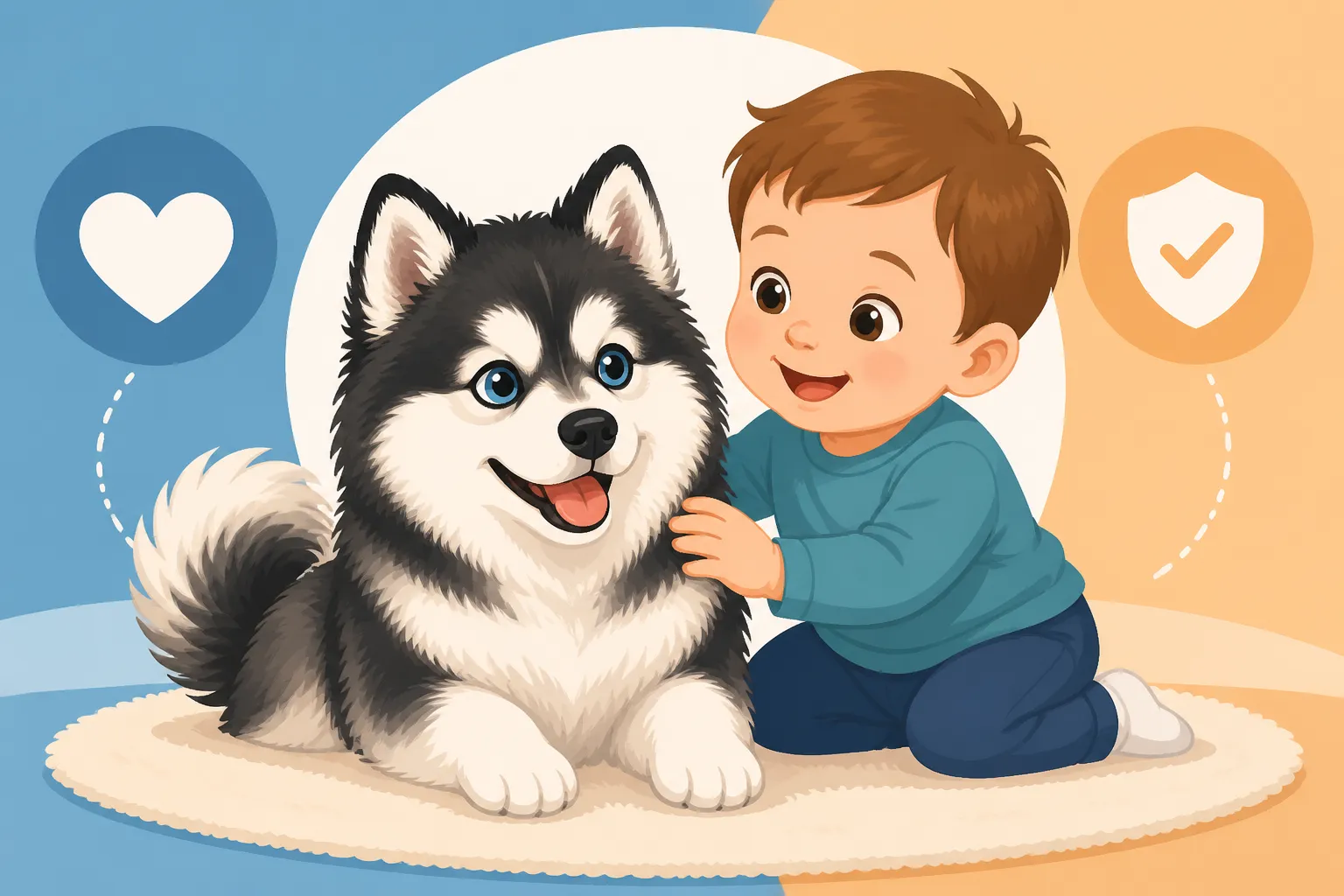
The question of whether a Pomsky is "gentle" with a toddler isn't a simple yes or no. It's more about how diligently you, as their owner, manage their environment, training, and interactions. A Pomsky can absolutely be a loving and wonderful family member in a home with toddlers, but it requires conscious effort, consistent boundaries, and constant supervision. By understanding their breed traits, investing in solid training and socialization, and implementing strict management strategies like separate safe spaces and the "never unsupervised" rule, you can foster a peaceful and gentle coexistence. Remember, it’s not just about what the dog does, but how you set them both up for success.
| Aspect | Pomsky Needs | Toddler Needs | Management Strategy |
|---|---|---|---|
| Space | Undisturbed resting area, personal bed/crate | Safe play zone, contained area | Baby gates, playpens, separate rooms |
| Interaction | Calm, predictable, respectful | Curiosity, exploration, sometimes clumsy | Supervised interactions, teach "gentle hands" |
| Resources | Undisturbed access to food, toys, chew items | Access to their own toys, no dog items | Separate feeding times/areas, teach "leave it" |
| Energy | Regular exercise, mental stimulation | Active play, stimulation, naps | Structured exercise for dog, separate playtimes |
| Behavior | Clear boundaries, consistent training | Learning boundaries, immediate redirection | Positive reinforcement, never unsupervised |
| Safety | Prevention of accidental injury or fear | Prevention of bites, scratches, falls | Constant vigilance, emergency separation cues |
Disclaimer
This article is for general informational purposes only and does not constitute professional advice. Laws, prices and regulations vary by location and change over time. Consult a qualified professional for guidance on your specific situation.