Whether Indoor Play Is Enough for a Pomsky
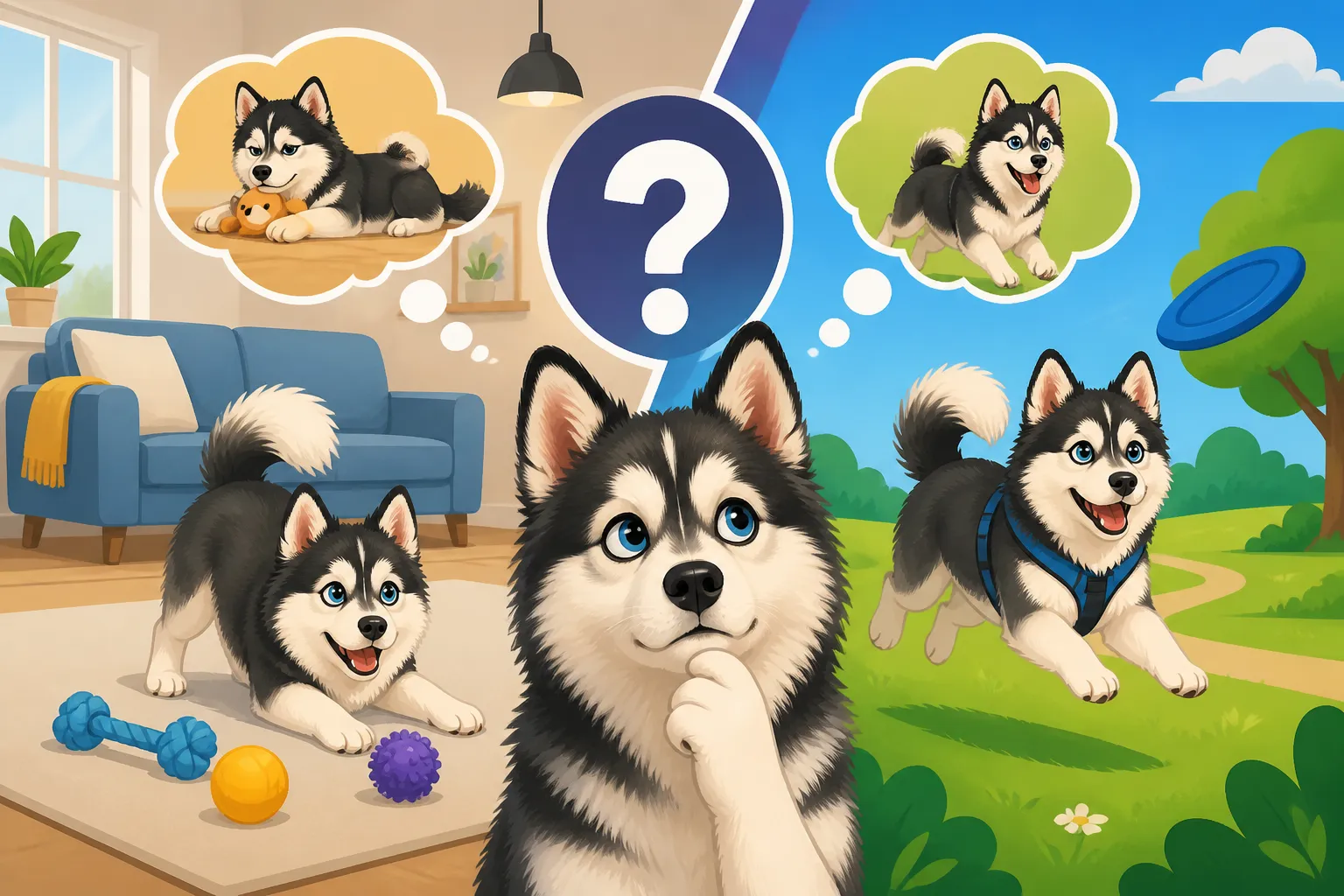
It’s a question so many Pomsky parents grapple with, especially those of us living in apartments or during bad weather: can indoor play truly be enough for a Pomsky? You look at their boundless energy, their intense gaze, and that slight tremble of eagerness, and you just know they’re built for more than just a quick romp around the living room. This guide will dive deep into your Pomsky's unique energy needs, exploring the crucial differences between indoor and outdoor activities, and helping you understand how to ensure your furry friend is truly fulfilled, both physically and mentally, no matter the circumstances.
Understanding the Pomsky's Energy Profile
Let's be real: a Pomsky isn't a lap dog, even if they sometimes curl up on your couch. They are a delightful, sometimes bewildering, mix of two very active breeds. Understanding this heritage is key to unlocking how much activity they truly need. It's not just about running off steam; it's about channeling their innate drives.
The Husky Influence on Activity Needs
Ah, the Husky. The very word conjures images of majestic dogs pulling sleds through vast snowy landscapes. Your Pomsky, even if they’re on the smaller side, carries a significant piece of that genetic blueprint. Huskies are endurance athletes, bred to cover miles and miles of ground, often working in teams. This means your Pomsky is likely to have a deep-seated need for sustained physical activity. They don't just want a sprint; they want a journey. If they don't get that outlet, that incredible stamina and drive can easily manifest as destructive behaviors indoors, like chewing, digging, or even excessive vocalization. It’s not about being "naughty"; it's about being unfulfilled at a fundamental level. You might have seen the tell-tale signs: a dog pacing, constantly nudging you with a toy, or becoming restless after even a short burst of play. That’s the Husky speaking.
The Pomeranian Contribution to Playfulness
Then there's the Pomeranian side of the equation. While Poms are smaller, they are certainly not couch potatoes. They’re feisty, intelligent, and surprisingly agile. They bring a spark of concentrated energy and a love for interactive play. Poms are often keen on learning tricks, enjoying puzzle toys, and engaging in short, sharp bursts of activity. This part of your Pomsky's heritage means they also need mental stimulation and varied play, not just long walks. They thrive on engagement with their human, solving problems, and feeling like an active participant in their day. A purely physical outlet might tire their body, but the Pomeranian mind will still be buzzing if it hasn’t been challenged. They crave that connection and the satisfaction of a mental workout.
Why "Enough" Is a Moving Target
Here’s the thing about "enough" – it's incredibly individual and can change day by day, and even hour by hour. A young, exuberant Pomsky puppy will have different needs than a senior dog. A Pomsky living in a cooler climate might tolerate longer outdoor sessions than one in a sweltering summer. "Enough" also depends on what else is going on in their life. Are they stressed? Bored? Did they have a super exciting walk yesterday? Are they recovering from an illness? Their breed mix gives them a tendency towards high energy, but their unique personality, age, health, and even the weather all play a role in their daily requirements. What might have been sufficient yesterday could leave them bouncing off the walls today. It's about constant observation and adjustment. Think of it less as a fixed quota and more as an ongoing conversation with your dog.
The Limitations of Indoor Play for a Pomsky
While we all wish we could magically tire out our Pomskies with a laser pointer and a few laps around the dining table, the reality is that indoor spaces inherently limit certain crucial aspects of a dog's well-being. It’s not just about physical space; it’s about the entire sensory experience.
Physical Exercise Requirements vs. Space Constraints
Let's be honest, most of our homes aren't built for a dog bred from sled-pulling lines. Chasing a ball down a hallway or playing tug-of-war in the living room simply doesn't replicate the sustained cardiovascular workout a Pomsky truly needs. They need room to really stretch their legs, to gallop, to use their powerful hindquarters for propulsion. Indoor spaces, no matter how large, restrict speed, distance, and the variety of movement. Think about it: a straight line run down a hallway is vastly different from navigating varied terrain, jumping over roots, or zigzagging through a park. These dynamic movements engage different muscle groups and provide a far more comprehensive workout. Trying to fit that kind of exertion into an enclosed space often means either your Pomsky isn't getting enough, or your furniture is taking a beating. For a proper understanding of their physical needs, you might want to read The Exercise a Pomsky Needs Every Day.
Mental Stimulation Beyond the Four Walls
Beyond the physical, indoor environments can become predictable and, frankly, a bit dull for an intelligent dog like a Pomsky. The sights, sounds, and smells of the outside world offer an unparalleled level of mental stimulation. Every sniff of a lamppost, every rustle in the bushes, every new person or dog they encounter is a rich tapestry of information for their brain to process. Indoors, while you can use puzzle toys or engage in training sessions, it's a controlled environment. There are no sudden squirrels to spot, no new scents carried on the breeze, no unexpected sounds to investigate. This lack of novel stimuli can lead to boredom, which in turn can lead to destructive behaviors as your Pomsky tries to create their own entertainment. They are problem-solvers by nature, and the outdoor world presents a constant stream of new "problems" (in a good way!) for them to solve.
Socialization and Environmental Exposure
One of the most vital aspects that indoor play simply cannot provide is proper socialization and exposure to the wider world. Pomskies, like both their parent breeds, benefit immensely from encountering new people, other dogs, and various environments from a young age. This helps them build confidence, learn appropriate social cues, and become well-adjusted members of society. A dog that only experiences the world from within their home might develop anxieties, react fearfully to novel situations, or struggle with polite interactions with strangers or other animals. Outdoor adventures, whether it's a walk in a bustling park, a visit to a pet-friendly store, or a supervised playdate, are invaluable for this development. It teaches them resilience and adaptability, skills that are difficult to cultivate solely indoors.
Maximizing Indoor Play (When Outdoor Isn't Possible)
We all face those days: torrential rain, scorching heat, icy sidewalks, or even just a tight schedule that makes a long outdoor adventure impossible. On these days, it's crucial to make the most of your indoor space to keep your Pomsky happy and healthy. While it's not a complete substitute for outdoor excursions, strategic indoor play can certainly bridge the gap.
Structured Indoor Games and Activities
When the weather turns foul, don't just leave your Pomsky to their own devices. Engage them actively! Think beyond simply throwing a toy. Set up a mini-agility course using household items – pillows to jump over, blankets to tunnel through, chairs to weave around. Play intense games of fetch or tug-of-war in a safe, open space. Rotate their toys frequently to keep things novel and exciting. Tug is a fantastic way to burn physical energy and engage their prey drive, but remember to have clear "drop it" and "take it" commands. Hide-and-seek, where you hide and call your Pomsky to find you, or even hiding their favorite toys for them to sniff out, engages both their body and their incredible nose. For a super active breed like the Pomsky, these structured games are far more beneficial than just free-play; they provide direction and a sense of purpose.
Mental Enrichment Toys and Puzzles
This is where the Pomeranian brainpower really shines, and it’s a lifesaver for those days stuck inside. Interactive puzzle toys, snuffle mats, and slow feeders are your best friends. Instead of just putting their meal in a bowl, make them work for it. Load a Kong with wet food and freeze it, or use a treat-dispensing ball. There are so many options available on platforms like Amazon, from simple treat balls to complex multi-step puzzles, that can keep a Pomsky occupied and mentally stimulated for a significant amount of time. The mental effort required to solve these puzzles can be surprisingly tiring, often more so than a short physical romp. It taps into their natural foraging instincts and provides a healthy challenge. Don't underestimate the power of brain games to exhaust a high-energy dog. You might find some great ideas for activities that tackle Whether a Pomsky Gets Bored of Repetition.
Training and Brain Games
Indoor time is a golden opportunity to hone those training skills or teach new tricks. Your Pomsky is smart, and they love to learn, especially when positive reinforcement and tasty treats are involved. Spend 10-15 minutes multiple times a day practicing commands like sit, stay, down, heel, or even more advanced tricks like "spin," "bow," or "fetch a specific toy." Not only does this provide significant mental exercise, but it also strengthens your bond and improves their overall obedience. Many online training platforms, such as BAXTER & Bella, offer extensive libraries of indoor training exercises and trick tutorials that are perfect for Pomskies. Even simple obedience drills, when done with enthusiasm and reward, can be incredibly enriching. It gives them a "job," which is incredibly important for breeds with working backgrounds, as discussed in Whether a Pomsky Needs a Job.
Balancing Indoor and Outdoor Activities
The truth is, for most Pomskies, a healthy balance of both indoor and outdoor activities is the ideal. It's about recognizing that each environment offers unique benefits that contribute to their holistic well-being. Thinking of it as an either/or situation will almost always lead to an under-exercised or under-stimulated dog.
Creating a Hybrid Exercise Routine
A well-rounded routine for your Pomsky should ideally incorporate both structured outdoor adventures and engaging indoor activities. On a typical day, aim for at least one longer outdoor excursion – a brisk walk, a hike, or a trip to a secure dog park (if your Pomsky is well-socialized and has a reliable recall, which can be tricky for the breed – see Recall on a Pomsky Bred From a Dog That Runs). Supplement this with shorter potty breaks throughout the day. When you're back inside, intersperse periods of rest with mental games, training sessions, and interactive indoor play. This hybrid approach ensures they get both the physical exertion they need and the mental engagement that prevents boredom. It's about quality, not just quantity. Sometimes, a focused 30-minute training session can be as tiring as a casual hour-long walk because it demands so much mental effort.
When Outdoor Time is Absolutely Non-Negotiable
There are certain scenarios where outdoor time simply cannot be skipped, regardless of how much effort you put into indoor activities. For a Pomsky, whose heritage is rooted in covering ground and exploring, a consistent lack of outdoor exposure can lead to significant behavioral problems. If your Pomsky starts exhibiting destructive chewing, excessive barking or howling, restlessness, anxiety, or even aggression, it's a huge red flag that their needs aren't being met. These are often calls for help, signals that they are under-stimulated and over-energized. You might notice they're more prone to The Pomsky Escape Artist in a Twenty Pound Body if they feel cooped up. On days where prolonged outdoor play isn't feasible, a dedicated, energetic indoor session must be prioritized, involving both physical exertion and significant mental work to compensate. However, this is a stop-gap, not a permanent solution. Regular outdoor time is fundamental for a Pomsky’s physical health, mental stability, and emotional happiness.
Recognizing the Signs Your Pomsky Needs More
Learning to read your Pomsky's cues is paramount. They can't tell you in words that they're bored or have too much pent-up energy, but they'll show you. Look for subtle signs:
- Restlessness: Pacing, unable to settle, constantly seeking attention or nudging toys at you.
- Destructive behavior: Chewing furniture, digging at carpets (see A Pomsky That Digs), or inappropriate elimination.
- Excessive vocalization: Barking, howling, or whining more than usual, even when not prompted.
- Trouble focusing: Difficulty concentrating during training sessions, easily distracted.
- Heightened reactivity: Overreacting to sounds or sights they normally ignore.
- Zoomies: While sometimes just playful, frequent, frantic bursts of energy indoors can indicate an underlying need for more structured exercise.
If you consistently see these behaviors, it's a clear signal that your current routine, even if it includes indoor play, isn't quite hitting the mark. It's time to re-evaluate and likely increase their overall activity, with a strong emphasis on varied outdoor experiences when possible.
Here's a quick comparison of the benefits each type of play offers:
| Feature | Indoor Play | Outdoor Play |
|---|---|---|
| Physical Exertion | Good for short bursts, sprints, agility drills | Excellent for sustained cardio, varied movement |
| Mental Stimulation | Controlled, focused puzzle-solving, training | Rich sensory input, novel exploration |
| Socialization | Limited to household members | Essential for diverse interactions, confidence |
| Environmental Exposure | Predictable, familiar | Exposes to new sights, sounds, textures |
| Skill Development | Obedience, tricks, puzzle-solving | Leash manners, recall, environmental coping |
| Space Requirements | Minimal, adaptable to home size | Requires open spaces, varied terrain |
Disclaimer
This article is for general informational purposes only and does not constitute professional advice. Laws, prices and regulations vary by location and change over time. Consult a qualified professional for guidance on your specific situation.