Whether Neutering Calms a Pomsky Down
It’s a common hope for many Pomsky owners, myself included, to look for that magic bullet that will transform a rambunctious, sometimes overly enthusiastic, fluffy companion into a perfectly calm, serene household member. We often hear stories or read online that neutering a male dog or spaying a female dog can be that answer, fixing everything from excessive barking to marking indoors. This guide is here to cut through the wishful thinking and give you a realistic, empathetic look at whether neutering truly calms a Pomsky down, and what other factors are really at play.
Understanding Pomsky Temperament Before Considering Neutering
Before we even dive into the surgical aspect, it's crucial to understand the foundational personality traits of a Pomsky. These aren't just generic "dog" traits; they're deeply ingrained genetic predispositions that come from their Siberian Husky and Pomeranian parentage. Hoping for a personality overhaul through neutering without acknowledging these core traits often leads to disappointment.
The Energetic Husky Influence on Behavior
If your Pomsky has a strong Husky lineage, you're going to see a vibrant, high-energy dog, regardless of their size. Huskies are built for endurance, pulling sleds over vast distances. This isn't just a physical trait; it translates into a mental need for activity and engagement. If a Pomsky with strong Husky traits doesn't get enough physical and mental exercise, that pent-up energy has to go somewhere.
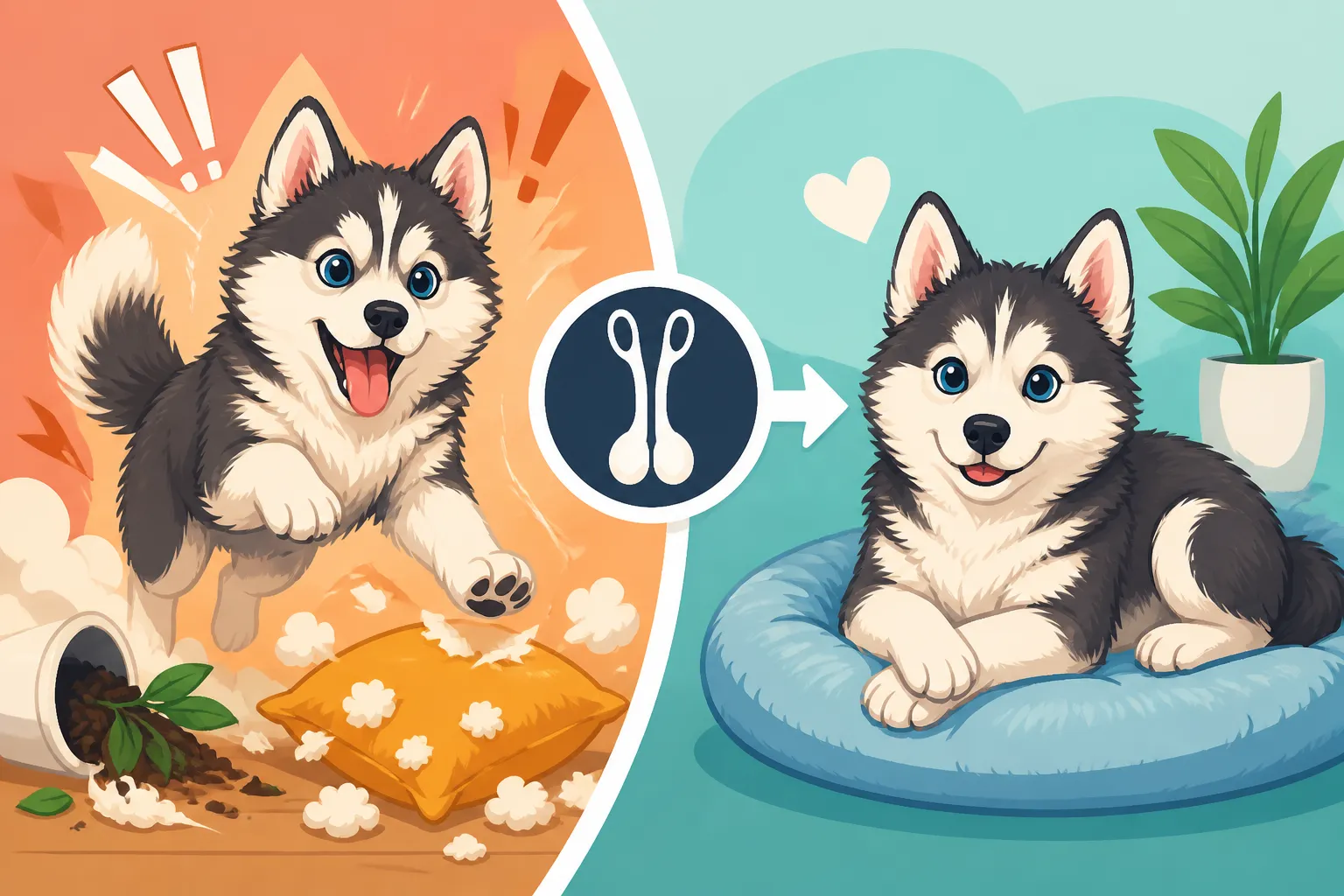
This can manifest as destructive chewing, excessive vocalization (the famous Husky "talk" or howl), and an insatiable desire to explore – which often means trying to escape. They're smart, they're curious, and they get bored quickly if not challenged. Thinking that neutering alone will suddenly make a Pomsky who inherited this drive content with lying on the couch all day is often unrealistic. You might find yourself saying, "My dog is neutered, why are they still bouncing off the walls?" Well, it's because they're a Pomsky! Their energy isn't just about hormones; it's about their very essence.
The Independent Pomeranian Streak and Stubbornness
Then there's the Pomeranian side, which brings its own unique set of behaviors to the mix. Poms are often described as big dogs in small bodies, full of spunk, intelligence, and a surprisingly independent streak. They can be incredibly smart and quick learners, but they also have a strong will and can be quite selective listeners if they don't see the value in what you're asking. This isn't necessarily stubbornness in a negative sense, but rather a strong sense of self-preservation and a desire to do things their way.
This independence can sometimes translate into a "what's in it for me?" attitude during training, or a tendency to ignore commands when something more interesting (like a squirrel) crosses their path. It also contributes to that characteristic "Pom-tude" – a sassy, confident demeanor that can be charming but also challenging if not managed with consistent training. These are personality traits, not necessarily behaviors driven purely by the presence of sex hormones.
Common Behavioral Concerns Owners Face
Given this genetic cocktail, many Pomsky owners grapple with a predictable set of challenges that are often attributed to "bad behavior," when in reality, they're often just breed characteristics running wild without proper guidance. These include:
- Excessive vocalization: Barking, howling, whining, and that dramatic Husky "talking." They're communicative dogs! Why a Pomsky Talks Instead of Barking
- Destructive chewing or digging: Especially when bored, under-exercised, or anxious. A Pomsky needs a job, and if you don't give them one, they'll invent their own, often to your furniture's detriment. A Pomsky That Digs
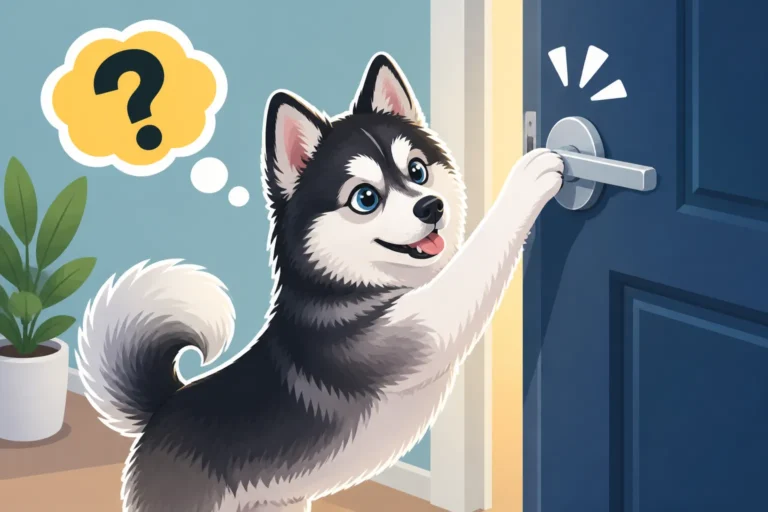
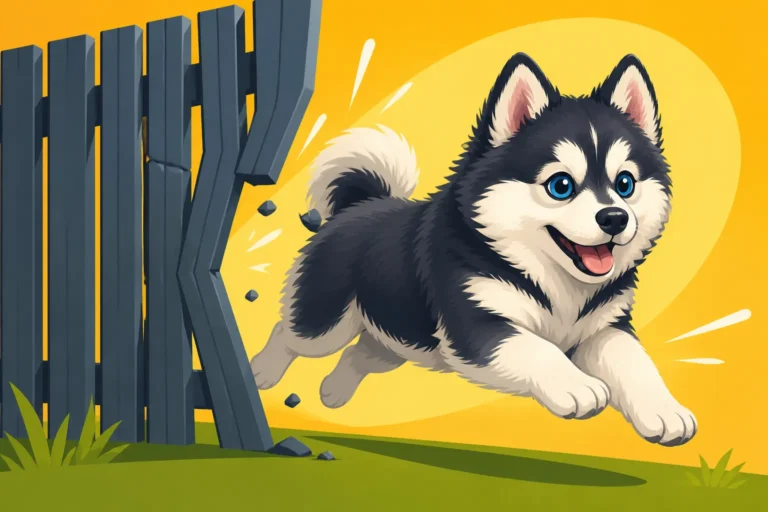
- Escaping and roaming: The Husky instinct to travel long distances, combined with Pomeranian cleverness, can make for a formidable escape artist. They will test fences, gates, and open doors with alarming ingenuity. This is why many owners consider getting Whether a Pomsky Should Have a GPS Tracker.
- Pulling on the leash: Their natural strength and desire to "go" can make walks a challenge if not trained early with proper leash manners.
- Ignoring recall: When off-leash, especially if there's an interesting scent or a small critter to chase (that strong prey drive!), coming when called can feel optional to a Pomsky. Recall on a Pomsky Bred From a Dog That Runs
- General high energy and exuberance: They can be a lot to handle for some owners, especially in smaller living spaces. This isn't a problem to be "fixed" but a characteristic to be managed and embraced.
It's vital to recognize these patterns. When we understand the "why" behind these behaviors, we can better assess what impact neutering might truly have, versus what needs a dedicated training approach.
How Hormones Impact Pomsky Behavior
Now that we've set the stage with typical Pomsky temperament, let's look at the specific ways hormones can influence behavior. It's not a universal switch, but there are definite patterns linked to the presence of reproductive hormones.
Behaviors Linked to Intact Males
For male Pomskies, the primary sex hormone is testosterone, and it's a powerful driver of certain instincts. When an intact male Pomsky reaches sexual maturity (typically between 6-12 months, but sometimes later), you might start to see behaviors that are strongly influenced by this hormone:
- Urine Marking: This isn't just about needing to pee; it's about communication. Intact males often feel a stronger urge to mark territory, both inside and outside, to signal their presence to other dogs. This can be incredibly frustrating when it happens indoors, on furniture or walls. It's a territorial display, announcing "I was here!"
- Roaming and Escaping: The drive to find a mate can be incredibly strong. An intact male Pomsky might be more inclined to test boundaries, dig under fences, or bolt out an open door in pursuit of a scent of a female in heat, even if she's miles away. This isn't just boredom; it's a primal urge. The Pomsky Escape Artist in a Twenty Pound Body speaks directly to this tendency.
- Mounting and Humping: While humping can sometimes be a sign of excitement, stress, or play, it is often a hormonally driven behavior in intact males, especially when around other dogs or even people and objects. It’s a way of asserting dominance or expressing sexual frustration.
- Aggression Towards Other Intact Males: Testosterone can increase competitive drives, leading to conflict with other intact males over territory, resources, or access to females. This can manifest as growling, stiff body language, or even full-blown fights. It's a natural, albeit sometimes dangerous, part of their instinctual programming.
- Hyper-focus on Females in Heat: When a female in heat is nearby, an intact male can become utterly consumed. Eating habits might change, training might go out the window, and their focus becomes almost singular on reaching that female.
Behaviors Linked to Intact Females
While the behavioral impacts are often discussed more prominently in males, intact female Pomskies also experience hormonally driven changes, primarily linked to their heat cycles:
- Heat Cycles: Females typically go into heat twice a year, lasting about three weeks each time. During this period, there can be bloody discharge, and they become receptive to breeding. This is not only messy but can attract unwanted attention from intact male dogs, making walks and yard time a logistical challenge. Their mood can also fluctuate, with some becoming more irritable or anxious.
- "Flirtatious" Behavior: During their receptive phase, intact females might display behaviors designed to attract a mate, such as flagging their tail, presenting, or seeking out intact males.
- False Pregnancies: Some intact females can experience false or phantom pregnancies after a heat cycle, even if they haven't been bred. This is a hormonally induced state where they show physical and behavioral signs of pregnancy (nesting, lactation, guarding toys as "puppies") without actually being pregnant. This can be emotionally and physically taxing for the dog and concerning for the owner.
The Nuance of Hormonal Influence
It's crucial to understand that while these behaviors are strongly influenced by hormones, they are not solely caused by them. A dog's temperament is a complex tapestry woven from genetics, early experiences, ongoing socialization, and consistent training.
For example, an intact male Pomsky might mark indoors because of his hormones, but if he was never taught proper house training or given clear boundaries, he might still mark even after neutering, out of habit or a lack of understanding. Similarly, an intact female might be anxious during her heat cycle, but if she has underlying anxiety issues, those won't disappear with spaying alone. Hormones amplify certain instincts, but they don't create an entirely new personality. This is where many owners get tripped up, expecting neutering to be a complete behavioral reset button.
What Neutering Can and Cannot Change
This is where we get into the nitty-gritty of realistic expectations. Neutering is a significant medical procedure, and it's important to understand its potential effects on behavior, both positive and negligible.
Realistic Expectations for Behavioral Improvement
When it comes to behaviors that are truly driven by sex hormones, neutering can often lead to noticeable improvements. For instance:
- Reduced Urine Marking: Many male Pomskies, especially those who mark frequently or have started marking indoors, show a significant decrease in this behavior after neutering. The hormonal drive to establish territory lessens, and with consistent cleaning and positive reinforcement, they can learn that indoor marking is not acceptable.
- Decreased Roaming and Escaping Instincts: The intense, often frantic, drive to find a mate that pushes intact males to escape can diminish considerably. While a Pomsky's natural curiosity and love for adventure (hello, Husky genes!) will still be present, the hormonal imperative to wander far and wide often lessens. This might make your The Pomsky Escape Artist in a Twenty Pound Body slightly less inclined to make a break for it.
- Less Male-on-Male Aggression: If your male Pomsky is showing aggression primarily towards other intact males, neutering can often soften this competitive edge. The need to assert dominance over rivals for breeding rights is reduced.
- Reduced Mounting/Humping: For many males, especially those for whom it's a clearly sexual behavior, neutering can significantly reduce or eliminate humping.
- Elimination of Heat Cycles and Related Issues: For females, spaying completely removes heat cycles, false pregnancies, and the associated messy inconvenience and behavioral fluctuations. This can lead to a more stable mood and eliminate the risk of unwanted pregnancies.
It's important to frame these as potential improvements, not guarantees. The earlier in life these hormonally driven behaviors are established, the more ingrained they can become, even after neutering. Training and management will still be key.
Behaviors Unlikely to Be Affected by Neutering
Now, for the big reality check: most of the "nuisance" behaviors that people struggle with in their Pomskies are not primarily hormonally driven. These are often rooted in breed genetics, lack of proper training, insufficient exercise, or underlying anxiety. Therefore, expecting neutering to fix them is usually a recipe for disappointment.
Behaviors unlikely to change or disappear with neutering include:
- Barking and Howling: Your Pomsky's vocal tendencies, whether it's the Husky howl or the Pomeranian yappy bark, are deep-seated breed traits. They bark out of boredom, for attention, at strangers, or just to "talk." Neutering won't change this. What will help is consistent training for a "quiet" cue, sufficient exercise, and mental stimulation. Why a Pomsky Talks Instead of Barking is a great resource here.
- Digging: Whether it's to create a cool spot, bury treasures, or just for fun, digging is a natural Pomsky pastime. Neutering won't stop a Pomsky from digging. You'll need to redirect this energy, provide designated digging areas, or increase their exercise. A Pomsky That Digs goes into more detail.
- Prey Drive: That strong instinct to chase squirrels, rabbits, or even cats? That's pure Husky (and often Pomeranian) genetics at play. It's not about hormones. This drive requires management, such as leash control, a The Prey Drive a Pomsky Gets From the Husky, and careful introductions to small pets.
- Separation Anxiety: If your Pomsky becomes destructive or vocal when left alone, it's usually due to anxiety or boredom, not hormones. This needs a dedicated training plan, counter-conditioning, and potentially professional help.
- Fear-based Aggression: If your Pomsky is aggressive due to fear or insecurity, neutering won't address the root cause. In some cases, removing hormones can even worsen fear-based behaviors by taking away a dog's confidence. This requires careful behavior modification with a certified professional.
- General Exuberance and High Energy: Your Pomsky's natural zest for life and high energy levels are part of their breed makeup. Neutering won't turn them into a couch potato. They will still require significant daily exercise and mental engagement. The Exercise a Pomsky Needs Every Day is non-negotiable for a well-adjusted Pomsky.
- Stubbornness/Independence: That "I'll do it if I want to" attitude? That's a Pomsky trait, not a hormonal one. Consistent, positive reinforcement training, making yourself more interesting than distractions, and finding high-value rewards are the keys here. Whether a Pomsky Is Stubborn or Independent is a battle many owners face.
It's like expecting to fix a leaky faucet by painting the wall; you're addressing a symptom, not the underlying problem. For many of these behaviors, the solution lies in training, management, and understanding your dog's needs. Resources like online training programs, such as those offered by BAXTER & Bella, can be invaluable for consistent guidance. Similarly, practical tools like durable leashes and harnesses available on Amazon are essential for managing walks and training sessions.
The Timing of Neutering and Its Potential Impact
The discussion around the optimal timing for neutering has evolved quite a bit. Historically, it was common practice to neuter puppies as young as four to six months. However, more recent research suggests that allowing a dog to mature a bit more, letting their growth plates close, might have long-term health benefits, especially for larger breeds or those prone to orthopedic issues.
For a Pomsky, which is a mixed breed and varies in size, the "right" time can be a bit of a nuanced conversation to have with your veterinarian. Some vets might recommend waiting until 12-18 months, or even later, to allow for full skeletal development, especially for males, while others might still recommend earlier.
From a behavioral standpoint, early neutering might prevent the establishment of some hormonally driven behaviors (like marking or roaming) if done before puberty fully kicks in. However, if a behavior is already learned or ingrained, neutering might have less impact. For example, a male who has been consistently urine marking for months may continue out of habit, even with reduced hormonal drive.
This is a conversation best had with your trusted veterinarian, who can consider your individual Pomsky's health, breed predisposition, lifestyle, and your specific behavioral concerns to help you make an informed decision. There's no one-size-fits-all answer, and what's right for one Pomsky might not be ideal for another.
Beyond Neutering: Holistic Approaches to Calming a Pomsky
If neutering isn't the magic fix for all your Pomsky's high-energy or challenging behaviors, what is? The answer lies in a holistic approach that addresses their physical, mental, and emotional needs. These strategies are crucial, whether your Pomsky is intact or neutered.
The Power of Consistent Training and Socialization
This is arguably the most impactful factor in shaping a calm, well-behaved Pomsky. They are intelligent dogs who thrive on structure and mental engagement. Without it, they'll invent their own "jobs," which are often destructive or annoying.
- Positive Reinforcement is Key: Pomskies, with their independent streak, respond best to positive reinforcement. They need to understand what's in it for them. High-value treats, praise, and favorite toys will go a long way. Make training fun and engaging, not a chore. Short, frequent sessions (5-10 minutes daily) are more effective than long, infrequent ones. What a Pomsky Learns in a Week often depends on how engaging the trainer is!
- Early and Ongoing Socialization: Exposing your Pomsky puppy to a wide variety of sights, sounds, people, and other well-behaved dogs from a young age is critical. This helps them develop confidence and reduces fear-based reactions later in life. Even an adult Pomsky benefits from continued positive socialization experiences. Raising a Pomsky Puppy needs to include this from day one.
- Basic Obedience is a Must: Teach reliable commands like sit, stay, come, down, and leave it. These aren't just tricks; they're tools for communication and control that can de-escalate situations and ensure safety. You might find resources like comprehensive online training programs helpful, for example, the BAXTER & Bella Online Puppy School, which can guide you through these crucial steps.
- Leash Training: Given their escape artist tendencies and prey drive, reliable leash manners are non-negotiable. Invest in a good quality harness (many options available on Amazon) that discourages pulling and protects their delicate trachea.
Adequate Exercise and Mental Stimulation
A bored or under-exercised Pomsky is a recipe for chaos. Their energy needs to be channeled productively.
- Physical Activity: Aim for at least 60-90 minutes of vigorous exercise daily, broken into multiple sessions. This could include fast-paced walks, running (once cleared by your vet for growth plates), hiking, fetch, or playing with other dogs. A yard alone is rarely enough; they need interactive exercise. The Exercise a Pomsky Needs Every Day is a commitment.
- Mental Engagement: Don't forget their brains! Pomskies are smart and need to think. Puzzle toys, snuffle mats, scent work games (hiding treats for them to find), learning new tricks, and even structured play sessions can be incredibly tiring for their minds. A mentally tired Pomsky is often a calmer Pomsky. Without this, you might see them Whether a Pomsky Destroys Furniture When Bored.
- Rotation of Activities: Keep things fresh. Don't do the same walk every day. Explore new trails, visit different dog-friendly parks, or introduce new toys. Novelty helps keep them engaged and prevents boredom.
Creating a Stable and Predictable Environment
Dogs thrive on routine and clear boundaries. A chaotic or inconsistent environment can lead to anxiety and behavioral issues.
- Consistent Routine: Feed at the same times, walk at the same times, and have a consistent bedtime. This predictability reduces anxiety and helps your Pomsky feel secure.
- Safe Space: Provide a comfortable, quiet crate or bed where your Pomsky can retreat when they need alone time. This should be a positive space, not a punishment zone.
- Clear Rules and Boundaries: Everyone in the household needs to be on the same page regarding what the Pomsky is allowed or not allowed to do. Inconsistency is confusing for dogs and undermines training.
- Address Anxiety: If your Pomsky shows signs of genuine anxiety (like separation anxiety, noise phobias, or generalized fear), these need to be addressed specifically, often with the help of a veterinary behaviorist or certified professional dog trainer. Neutering will not resolve true anxiety.
Neutering is one piece of the puzzle, and an important one for health and certain hormonally driven behaviors. But it’s not a substitute for the fundamental needs of a Pomsky: consistent training, ample exercise, mental stimulation, and a stable, loving environment. When all these elements come together, you have the best chance of having a calm, happy, and well-adjusted Pomsky, regardless of their spay/neuter status.
Here's a quick look at how neutering might affect common Pomsky behaviors:
| Behavior | Likely to Improve Post-Neutering | Unlikely to Improve Post-Neutering |
|---|---|---|
| Urine Marking (especially indoors) | High | Low (if already a strong habit) |
| Roaming/Escaping (mate-seeking) | High | Low (if driven by boredom/curiosity) |
| Male-on-Male Aggression | High | Low (if fear-based or territorial) |
| Mounting/Humping (sexual) | High | Low (if play-related or stress-related) |
| Heat Cycles (females) | Eliminated | N/A |
| False Pregnancies (females) | Eliminated | N/A |
| Barking/Howling | Low | High |
| Digging | Low | High |
| Prey Drive (chasing squirrels) | Low | High |
| Separation Anxiety | Low | High |
| Fear-based Aggression | Low (potentially worsen in some cases) | High |
| General High Energy | Low | High |
| Stubbornness/Independence | Low | High |
Remember, neutering can be a beneficial part of responsible pet ownership, particularly for preventing unwanted litters and reducing the risks of certain health issues. However, when it comes to behavior, it’s most effective for problems directly tied to sex hormones. For the majority of behavioral quirks and challenges that Pomsky owners face, the solution lies not in surgery, but in dedication to training, exercise, and understanding the unique personality that comes with this wonderful, spirited breed.
Disclaimer
This article is for general informational purposes only and does not constitute professional advice. Laws, prices and regulations vary by location and change over time. Consult a qualified professional for guidance on your specific situation.