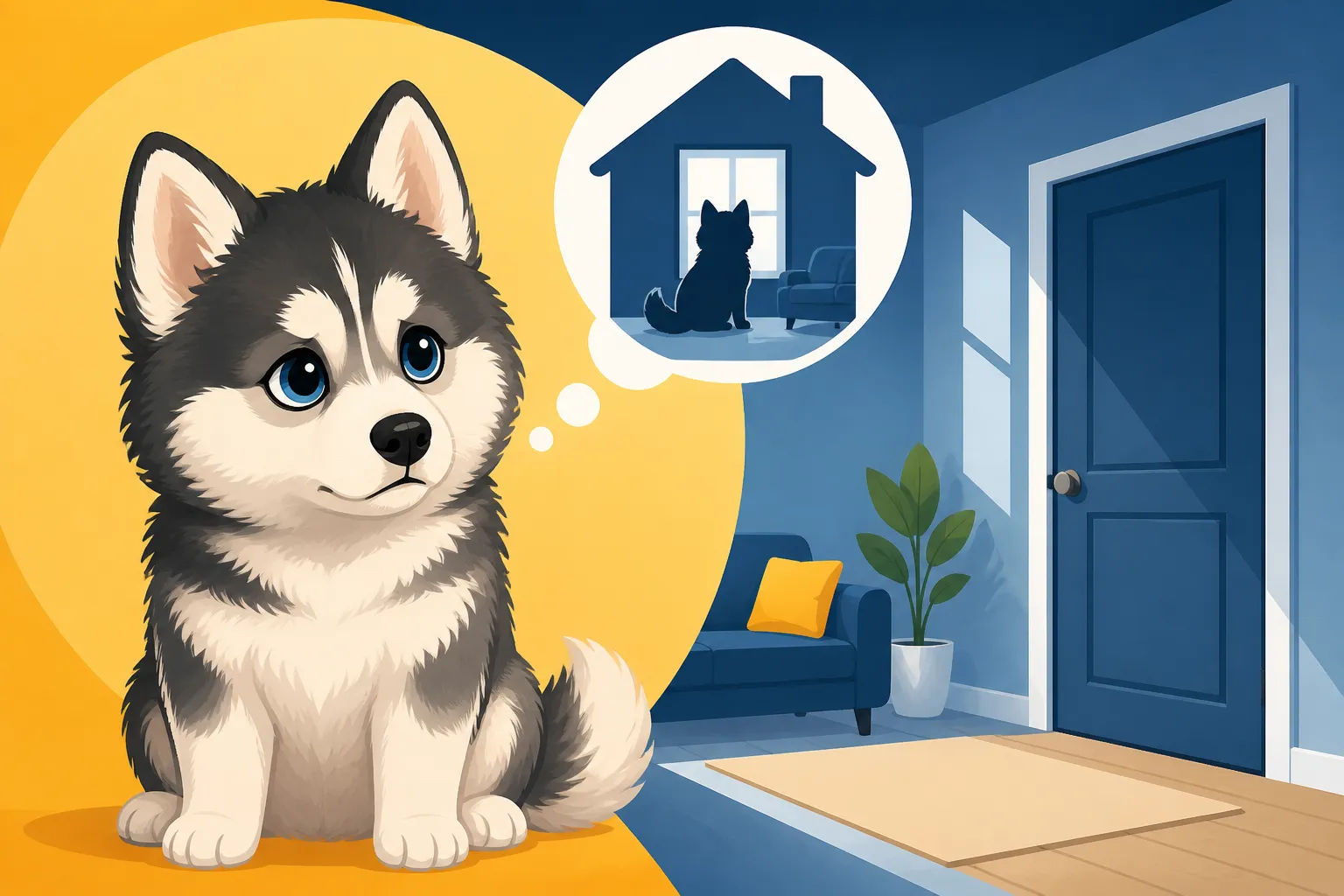
Whether a Pomsky Can Be Left Alone
One of the biggest worries for any Pomsky parent is the thought of leaving their beloved companion home alone. It’s a common scenario: you've got errands to run, a job to go to, or simply want to enjoy a quiet meal out, but the guilt and anxiety about what your Pomsky might be doing – or destroying – while you're gone can be overwhelming. This guide is here to shed light on how much alone time is truly realistic for a Pomsky, the challenges you might face, and practical strategies to help your furry friend not just tolerate, but even enjoy their solo moments.
Understanding the Pomsky Temperament and Alone Time
Before we dive into how to manage alone time, it's crucial to understand the unique blend of personalities that make up your Pomsky. They are, after all, a mix of two very distinct breeds, and these genetic influences play a huge role in their tolerance for solitude.
The Husky's Need for Companionship
Siberian Huskies are pack animals through and through. In their ancestral environment, being part of a group was essential for survival, and this deep-seated need for companionship is still very much present in modern Huskies. They thrive on interaction, whether it's with their human family or other canine companions. Left alone for extended periods, a Husky can quickly become bored, anxious, and destructive. Their independent streak is often misinterpreted; while they might not be as "clingy" as some breeds, they absolutely crave presence and engagement. They’re known for their vocal expressions – the howling, the "woo-wooing," the insistent barks – which are often amplified when they feel isolated. This characteristic can easily be passed down to your Pomsky.
Think about it: a Husky’s ancestors worked together, slept together, and rarely experienced true isolation. When you bring that genetic blueprint into a domestic setting and expect them to be content in an empty house for eight hours, you’re often fighting against their very nature. It’s not malice; it’s an instinctual cry for connection, and it manifests in ways that can be frustrating for us humans.
The Pomeranian's Affectionate Nature
On the other side of the family tree, we have the Pomeranian. These tiny dynamos are renowned for their outgoing personalities and their fierce devotion to their owners. Poms often form incredibly strong bonds with one or two primary caregivers, becoming true "velcro" dogs. They thrive on being involved in every aspect of family life, from cuddling on the couch to supervising kitchen activities. This intense attachment, while endearing, can make alone time particularly difficult for them. They can be prone to separation anxiety, perceiving their owner's departure as a significant loss or threat.
A Pomeranian, despite its small size, is a big personality wrapped in fluff. They don't just like to be with you; they expect to be with you. This isn't to say they can't learn to be independent, but it often requires more intentional effort and understanding of their sensitive, deeply affectionate disposition. They're quick to voice their displeasure, too, often with sharp, insistent barks that belie their small stature.
The Pomsky's Blended Personality
So, what happens when you combine these two? You get a Pomsky, a dog that can inherit a fascinating mix of traits. Some Pomskies lean more towards the independent, vocal nature of the Husky, exhibiting a strong desire to roam and explore, often accompanied by expressive vocalizations when bored. Others might take after the Pomeranian, becoming incredibly attached and prone to significant distress when separated from their primary people. Many fall somewhere in between, possessing a desire for companionship balanced with a touch of independence.
This blend means that predicting how your individual Pomsky will handle being left alone can be a bit of a lottery. You might have a pup who is content after a good walk and some puzzle toys, or one who turns into a furry wrecking ball the moment you step out the door. The key is to observe your specific dog, understand their communication, and tailor your approach accordingly. Expecting a "set it and forget it" solution with a Pomsky is usually a recipe for frustration.
Common Problems When Pomskies Are Left Alone
Let’s be honest, leaving a dog alone can sometimes feel like a gamble. With a Pomsky, whose parent breeds are known for their strong wills and high energy, that gamble can feel particularly high stakes. Understanding the common issues is the first step toward addressing them.
Destructive Chewing and Digging
If you've come home to shredded pillows, gnawed furniture, or a newly excavated living room floor, you're not alone. Destructive chewing and digging are incredibly common behaviors in Pomskies left without sufficient stimulation. Huskies have a natural inclination to dig, whether it’s to make a den, find cool earth, or simply for entertainment. Pomeranians, though small, also have a zest for life that can manifest as destructive behavior when bored or anxious. When combined in a Pomsky, this can mean a dog with ample energy and sharp minds that need an outlet. If that outlet isn't provided through appropriate exercise and mental enrichment, your couch cushions might just become the next victim.
It's not usually out of spite; it's a way for them to cope with boredom, excess energy, or anxiety. Chewing is a natural stress-reliever for dogs, and digging is a primal instinct. Without proper chew toys or a designated digging area, your Pomsky will find their own, which unfortunately often involves your home and garden. This can be incredibly frustrating for owners, but remember, your Pomsky isn't being "bad"; they're simply being a dog with unmet needs. This is where a good quality, durable chew toy from a reputable brand on Amazon can really make a difference.
Excessive Vocalization Barking, Howling, Whining
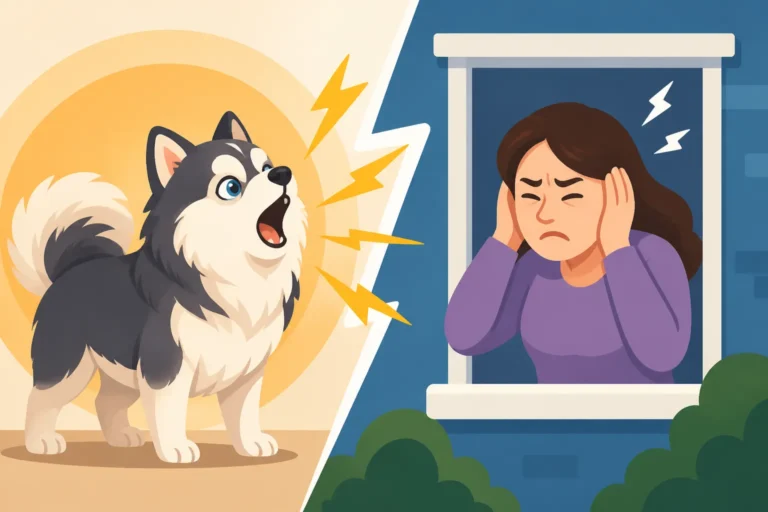
The characteristic "talking" of a Husky is famous, and it's a trait many Pomskies inherit. While endearing when they're greeting you, it can quickly become a problem when they're left alone. Why a Pomsky Talks Instead of Barking is a fascinating read, but that "talking" can escalate into sustained barking, howling, or whining when they feel isolated. Pomeranians, too, are known for their alertness and can be quite vocal, often barking at perceived threats or simply to get attention.
When your Pomsky is left alone, this vocalization serves several purposes: it can be a way to express boredom, to call out for their missing pack (you!), or a manifestation of anxiety or fear. Neighbors are often not amused by a dog who serenades the street for hours on end, and this can lead to uncomfortable conversations or even complaints. It’s a clear sign that your Pomsky isn't happy with their solo arrangements and needs a different coping mechanism or more interaction. Whether a Pomsky Gets Its Owner a Noise Complaint highlights the real-world impact of this behavior.
Separation Anxiety vs. Boredom
It's crucial to differentiate between a Pomsky who is merely bored and one who is suffering from true separation anxiety. Both can lead to destructive behavior and vocalization, but the underlying motivation and treatment are very different.
-
Boredom: A bored Pomsky is often looking for something to do. They might chew, dig, or vocalize, but these behaviors usually start after you’ve been gone for a while and are often directed at items or activities they find stimulating. They might greet you enthusiastically upon return, but generally settle down quickly. This is a common issue for a Pomsky who has The Exercise a Pomsky Needs Every Day but isn't getting it, or lacks mental stimulation.
-
Separation Anxiety: This is a much more severe emotional condition. A Pomsky with separation anxiety will often begin to show distress before you even leave (e.g., pacing, panting, following you everywhere). Once you're gone, their behaviors like destructive chewing (often around exit points), excessive vocalization, house soiling, and self-harm (like licking or chewing paws excessively) are driven by intense panic and fear of abandonment. They might be frantic when you return and take a long time to calm down. This isn't naughtiness; it's a genuine panic attack. Whether a Pomsky Suffers Separation Anxiety offers a deeper dive into this challenging condition. Understanding the difference is vital for effective intervention.
| Symptom | Boredom | Separation Anxiety |
|---|---|---|
| Onset of behavior | Usually after some time alone | Often starts before owner leaves, escalates quickly |
| Nature of destruction | Exploring, disemboweling objects | Focused on exit points (doors, windows) |
| Vocalization | Intermittent, seeking attention/engagement | Persistent, high-pitched, distressed barking/howling |
| House soiling | Less common, usually from lack of potty break | Common, often done in frantic state |
| Greeting upon return | Happy, excited, quickly settles | Overly frantic, takes long to calm, clingy |
| Self-harm | Rare | Licking paws, chewing fur, pacing excessively |
| Emotional state | Frustrated, under-stimulated | Panic, fear, genuine distress |
Strategies for Successful Alone Time Training
Leaving your Pomsky alone successfully isn't about simply closing the door and hoping for the best. It's a process, a gradual teaching experience that builds confidence and provides coping mechanisms.
Crate Training as a Safe Haven
Crate training is one of the most effective tools for managing alone time, especially with a Pomsky. But here’s the key: it should be introduced as a safe, comfortable den, not a punishment. A properly crate-trained Pomsky views their crate as their private bedroom, a secure space where they can relax, chew on a favorite toy, and feel safe when you're not around. This significantly reduces the chances of destructive behaviors around the house. For a breed like the Pomsky, who might inherit The Pomsky Escape Artist in a Twenty Pound Body tendencies, a secure crate is also a safety measure.
Start with short periods, gradually increasing the duration. Make the crate appealing with soft bedding, a favorite blanket, and high-value chew toys. Never use the crate for punishment. The goal is for your Pomsky to willingly enter their crate and settle down, knowing it's their personal sanctuary. This can take time and patience, but the payoff in peace of mind for both of you is immense. Whether a Pomsky Should Sleep in a Crate elaborates on the benefits of this practice.
Gradual Desensitization and Departure Cues
The "big goodbye" is often a source of anxiety for Pomskies. We inadvertently create these cues: grabbing keys, putting on shoes, picking up a bag. Your Pomsky learns to associate these actions with your imminent departure, leading to pre-departure anxiety. Desensitization means breaking this association.
Practice doing your departure routine without actually leaving. Pick up your keys, put them down. Put on your coat, take it off. Walk to the door, open it, close it, and sit back down. Repeat these actions many times throughout the day without leaving. This teaches your Pomsky that these cues don't always mean you're going away. Then, start with very short departures. Leave for literally 30 seconds, come back. Gradually increase the time, always coming back before your Pomsky starts to get anxious. The goal is for them to learn that you always return, and that being alone is okay. The BAXTER & Bella online puppy school program, for instance, often emphasizes these gradual desensitization techniques for new puppy owners.
Enriching the Environment for Solo Play
A bored Pomsky is a mischievous Pomsky. To help them cope with alone time, you need to make their environment as stimulating and engaging as possible. This means providing outlets for their natural behaviors like chewing, problem-solving, and even digging (if you have a designated outdoor space).
- Puzzle Toys: These are fantastic for mental stimulation. Fill KONGs with peanut butter or treats, freeze them, and give them to your Pomsky just as you leave. It provides a long-lasting distraction.
- Chew Toys: Offer a variety of durable, safe chew toys. Rotate them regularly to keep interest high. Look for options on Amazon that are specifically designed for strong chewers.
- Background Noise: Leave a radio or TV on low. The human voices or familiar sounds can be comforting and help mask outside noises that might trigger barking.
- "Find It" Games: Hide treats around a safe, contained area before you leave, so your Pomsky has a scavenger hunt to occupy them.
Remember, a tired Pomsky is often a good Pomsky. Ensure they get ample physical exercise and mental stimulation before you leave them alone. A brisk walk or a vigorous play session can make a world of difference in how they settle.
Factors Influencing How Long a Pomsky Can Be Left Alone
There's no magic number for how many hours a Pomsky can be left alone. It's highly individual and depends on several key factors. What works for one dog might be a disaster for another, even within the same breed.
Age and Development Stage
A Pomsky puppy's bladder control and need for interaction are very different from an adult's. A young puppy (under 4-6 months) simply cannot hold their bladder for more than a few hours at most, and they require frequent potty breaks. Beyond physical needs, puppies are in critical developmental stages where they need constant supervision, socialization, and guidance. Leaving a young puppy alone for long stretches can hinder their training, development, and can even contribute to anxiety issues later on. Raising a Pomsky Puppy is a demanding but rewarding process that requires significant time investment.
As they mature, their bladder capacity increases, and their understanding of routine grows. An adult Pomsky, ideally, can tolerate longer periods of solitude, but even then, limits apply. Senior Pomskies might need more frequent potty breaks again due to age-related changes, and their tolerance for being alone might decrease if they experience cognitive decline or increased anxiety.
Exercise and Mental Stimulation Before You Leave
This is perhaps one of the most critical factors. A Pomsky that has had a good, challenging morning walk or playtime, followed by some mental enrichment (like a training session or a puzzle toy), is far more likely to settle down and relax while you’re gone. Think about it: if you’re exhausted from a busy day, you’re ready to crash. Your Pomsky is no different.
Their Husky heritage means they have significant energy reserves. If that energy isn't properly expended, it will find an outlet, and it's often destructive or vocal. A quick walk around the block before you leave is rarely enough for a young, energetic Pomsky. Aim for a vigorous session that tires them out physically and engages their mind. This could be a long hike, a spirited game of fetch, or even a run alongside your bike. Without this outlet, you're setting your Pomsky up for failure, and yourself up for frustration. The Exercise a Pomsky Needs Every Day provides more details on meeting their activity requirements.
The Role of Routine and Predictability
Dogs thrive on routine. They learn to anticipate events, and this predictability creates a sense of security. Establishing a consistent schedule for feeding, potty breaks, exercise, and alone time can significantly help your Pomsky cope. They learn that after your morning routine, you leave, but you always return at a certain time.
When routines are haphazard, or your departure times are unpredictable, it can heighten anxiety. A Pomsky who knows what to expect is generally more settled than one who is constantly unsure. Even the ritual of giving them a special, long-lasting treat just as you walk out the door can become a comforting part of their routine. Consistency is key to building trust and confidence in your Pomsky when you're not around.
Tools and Resources to Help Your Pomsky Cope
Even with the best training, some Pomskies might need a little extra help to comfortably manage alone time. Thankfully, there are many fantastic tools and resources available to make their solo hours more enriching and less stressful.
Interactive Toys and Chews
These aren't just for fun; they're essential for mental engagement and stress relief. A good interactive toy can keep your Pomsky occupied for a surprising amount of time, challenging their brain and preventing boredom. Look for:
- Puzzle feeders: Toys that dispense kibble or treats only when your dog manipulates them correctly. These simulate foraging behavior and make mealtime last longer.
- Durable chew toys: As mentioned before, chewing is a natural, calming activity. Opt for high-quality, non-toxic chew toys designed for robust chewers. Brands offering durable rubber or natural antler chews are often highly recommended for active breeds. Ensure they are size-appropriate and cannot be swallowed whole. You can find a vast selection of these on Amazon.
- Snuffle mats: These fabric mats have numerous nooks and crannies where you can hide treats, encouraging your Pomsky to use their nose and problem-solving skills to find them.
Rotate these toys regularly to keep things fresh and exciting. Don't leave all toys out all the time; bring out special "alone time" toys only when you're leaving, making them a positive association with your departure.
Technology for Monitoring and Engagement
Modern technology offers some incredible solutions for monitoring your Pomsky and even interacting with them remotely. These tools can provide peace of mind and help you understand your dog's behavior when you're not there.
- Pet Cameras: These allow you to watch your Pomsky from your phone or computer. Many come with two-way audio, so you can speak to your dog, and some even dispense treats. This can be invaluable for observing whether your Pomsky is truly anxious or just bored, and for interrupting unwanted behaviors with a verbal correction if needed.
- Smart Feeders: While not directly for alone time engagement, these can help maintain a consistent feeding schedule even if your day runs late, contributing to your Pomsky's overall sense of routine and security.
- Dog Activity Trackers: These wearables can monitor your Pomsky's activity levels throughout the day, ensuring they're getting enough exercise and rest, which in turn influences their behavior when left alone.
These tools are not a substitute for proper training and enrichment, but they can be excellent aids in managing and understanding your Pomsky's alone time experience.
Considering Professional Help or Daycare
If despite all your efforts, your Pomsky continues to struggle significantly with being left alone, it might be time to consider professional intervention or alternative care options.
- Professional Dog Trainer or Behaviorist: If you suspect severe separation anxiety, a certified professional dog trainer or veterinary behaviorist can help diagnose the issue and develop a tailored behavior modification plan. They can provide guidance on counter-conditioning, desensitization, and potentially even medication in severe cases. Organizations like the BAXTER & Bella program often have resources or can recommend qualified professionals to address specific behavioral challenges.
- Doggy Daycare: For Pomskies who are highly social and energetic, doggy daycare can be a fantastic solution. It provides supervised play, exercise, and socialization, ensuring they are tired and content when you pick them up. This means less pent-up energy to cause trouble at home. Whether Daycare Suits a Pomsky is an important consideration, as not all dogs thrive in this environment, but for many Pomskies, it's a game-changer.
- Dog Walker or Pet Sitter: If daycare isn't an option, or you only need occasional help, hiring a reliable dog walker to come mid-day can break up a long period of solitude, provide a potty break, and some much-needed interaction. A pet sitter can also be a wonderful alternative for longer absences, allowing your Pomsky to stay in their familiar environment.
Remember, investing in your Pomsky's well-being and comfort when left alone is an investment in your own peace of mind and the health of your relationship with your furry friend. It's about understanding their needs and giving them the tools and support to thrive, even when you're not right by their side.
Disclaimer
This article is for general informational purposes only and does not constitute professional advice. Laws, prices and regulations vary by location and change over time. Consult a qualified professional for guidance on your specific situation.