A Pomsky Meeting the Resident Dog
Bringing a new Pomsky puppy or adult into a home where another dog already reigns supreme can feel like walking a tightrope – one wrong step, and you could upset the delicate balance of your household. The anxiety of whether they'll get along, or worse, if a friendship will never bloom, is a genuine concern for many dog parents. This comprehensive guide is here to walk you through a thoughtful, step-by-step process for introducing your new Pomsky to your resident dog, focusing on minimizing stress and fostering a positive, lasting relationship.
Setting the Stage: Pre-Arrival Preparations for a Smooth Introduction
Before your adorable new Pomsky even steps paw over your threshold, a lot of groundwork can be laid to ensure the best possible first impression. This isn't just about making your house dog-proof; it's about setting up a calm, secure environment that reduces potential stress for both your existing dog and the newcomer. A little preparation goes a long way in preventing future headaches and can make all the difference in how quickly your dogs become comfortable with each other.
Scent Swapping: The Invisible Icebreaker
One of the most powerful tools in a dog's world is scent. They "read" each other through their noses, gathering a wealth of information from just a sniff. Getting them accustomed to each other's smell before they meet face-to-face can drastically ease tensions and reduce the shock of a totally new presence. This simple step helps them perceive the other dog not as a complete stranger, but as someone they've already "met" in a low-stakes, non-threatening way.
To do this effectively, start a few days or even a week before your Pomsky arrives. If your new Pomsky is coming from a breeder, a rescue organization, or another home, ask if they can provide a blanket, towel, or even a toy that has the Pomsky's scent on it. Once you have it, introduce this scented item to your resident dog in a relaxed setting, perhaps during their usual cuddle time or while they're enjoying a favorite chew. Let them sniff it, investigate it at their leisure, and perhaps even sleep with it for a night. Observe their reaction – a curious sniff, a relaxed tail wag, or even ignoring it are all good signs. Growling, fear, or attempts to destroy the item are red flags that indicate you'll need to proceed with extreme caution and patience.
Conversely, take a blanket or toy from your resident dog and send it to where your Pomsky is currently residing. This gives the Pomsky a chance to get used to the resident dog's scent too, completing the scent exchange. When they eventually meet, the smells will be familiar, creating a subconscious sense of "friend, not foe" rather than "intruder alert." It's akin to humans exchanging social media profiles before a first date – you already have a bit of information about the other party, which reduces the unknown.
Creating Safe and Separate Spaces
When you bring a new dog home, especially a Pomsky who might be smaller or have different energy levels than your resident dog, having designated safe zones for each animal is absolutely non-negotiable. This isn't just a temporary measure for the first few days; it's a fundamental part of successful integration that provides security, prevents resource guarding issues from developing, and allows both dogs much-needed decompression time. Rushing this can lead to stress and conflict.
Each dog needs their own distinct space where they can eat, drink, sleep, and relax without feeling threatened, encroached upon, or constantly on alert. This might be a separate room for each, a crate area set up with a cozy bed and toys, or a comfortable dog bed tucked away in a quiet corner of a common room, perhaps behind a baby gate. Ensure each space has its own water bowl, a few appropriate toys, and familiar bedding. For a Pomsky, their crate can quickly become their personal sanctuary, a place they can retreat to when overstimulated, tired, or just need a moment of peace away from the resident dog. This physical separation is crucial in the early days, allowing both dogs to adjust to the new arrangements and the other's presence at their own individual pace, without feeling forced into constant interaction.
Think of it like setting up separate bedrooms for new roommates, even if they end up being the best of friends. Everyone needs their private sanctuary to feel secure and have their own possessions. This setup inherently reduces the pressure on both dogs to constantly interact or share, and it ensures they feel safe and confident in their new shared environment.
Equipping Your Home with Essentials
Beyond the psychological groundwork of scent swapping and the physical establishment of safe spaces, you'll need the right tangible gear to manage the introduction and ongoing cohabitation effectively. This isn't just about comfort for your new Pomsky; it's about maintaining control, ensuring safety, and setting both dogs up for success in your home. Investing in good quality, appropriate equipment now will save you stress, potential arguments, and even injuries later.
Consider having an extra-long leash, perhaps 15-20 feet, for those initial supervised outdoor introductions, as it allows for controlled distance while still being able to intervene if necessary. You'll also need multiple durable food bowls to facilitate separate feeding, as well as a variety of toys to prevent any immediate squabbles over possessions. Tough chew toys and puzzle feeders can be especially useful for keeping both dogs mentally engaged during their separate downtime. Baby gates are incredibly useful for managing visual separation within the home while still allowing scent and sound exchange, which is a gentle way to introduce them without physical contact. You might find a wide range of reliable and sturdy options for these on Amazon, making it easy to set up boundaries throughout your home. A good quality, secure harness is also vital for your Pomsky, especially given their potential for being The Pomsky Escape Artist in a Twenty Pound Body. This ensures secure leash control during those first, tentative walks together and minimizes the risk of them slipping out and bolting. Having all these items ready before the Pomsky arrives means you're not scrambling to find solutions in the middle of a potentially stressful situation.
The First Encounter: Making Initial Introductions Positive
The actual first meeting between your Pomsky and your resident dog is a big moment, and it needs to be handled with the utmost care, patience, and intention. Rushing this step, or allowing it to happen haphazardly without your guidance, can set a negative tone that is incredibly difficult to overcome. Our paramount goal here is to make it a calm, controlled, and overwhelmingly positive experience for both dogs, laying the foundation for a harmonious relationship.
Choosing Neutral Territory for the First Glimpse
One of the biggest, and most common, mistakes owners make is introducing new dogs directly within their home. For the resident dog, this can feel like a direct invasion of their established territory, immediately putting them on the defensive and potentially leading to resource guarding or hostility. The absolute best approach is to arrange the very first meeting on neutral ground – a place where neither dog has established ownership, feels the need to protect resources, or has a strong territorial advantage.
This ideal location could be a quiet local park during off-peak hours, a schoolyard after classes have let out, a lesser-used walking trail, or even a friend's large, securely fenced backyard that neither dog frequents. The key is to choose a location free from excessive distractions (other dogs, children, loud noises) and where you have plenty of open space to maneuver. Keep both dogs on leashes, ideally with two handlers – one for each dog – to maintain absolute control and prevent any overwhelming or forced interactions. The initial goal isn't immediate nose-to-nose contact, but simply allowing them to be in each other's presence without pressure, recognizing the other's existence from a safe distance.
Initially, keep them far enough apart that they can clearly see each other but are too distant to interact physically. Observe their body language keenly: are they relaxed, showing curious glances, or exhibiting signs of stress like stiff tails, whale eye (showing the whites of their eyes), excessive sniffing of the ground, or looking away? The ideal scenario is a calm curiosity, perhaps a loose tail wag. If either dog is overly excited, fearful, reactive, lunging, or barking, you might need to increase the distance even further and simply walk parallel to each other for a longer period, or even end the session and try again another day when conditions are calmer. Patience is critical here; don't force it.
Controlled Leashed Introductions
Once your Pomsky and resident dog have calmly acknowledged each other from a distance on neutral ground for a few sessions, and you've seen consistent positive body language, you can slowly begin to decrease the space between them. Remember, "controlled" is the operative word here – this isn't a free-for-all dash to meet; it's a carefully orchestrated, gradual approach designed for success.
Start by walking both dogs parallel to each other, maintaining a slight distance, perhaps a few feet apart. This allows them to become accustomed to each other's presence, scent, and movement without direct confrontation. As they remain calm and continue to exhibit relaxed body language, you can gradually bring them closer, perhaps allowing them to walk side-by-side for very short periods. If all goes well and they remain relaxed, allow them a brief, supervised sniff. Keep the leashes loose at all times – a tight leash can transmit your tension directly to the dog, making them feel restricted, which can potentially lead to anxiety or reactivity.
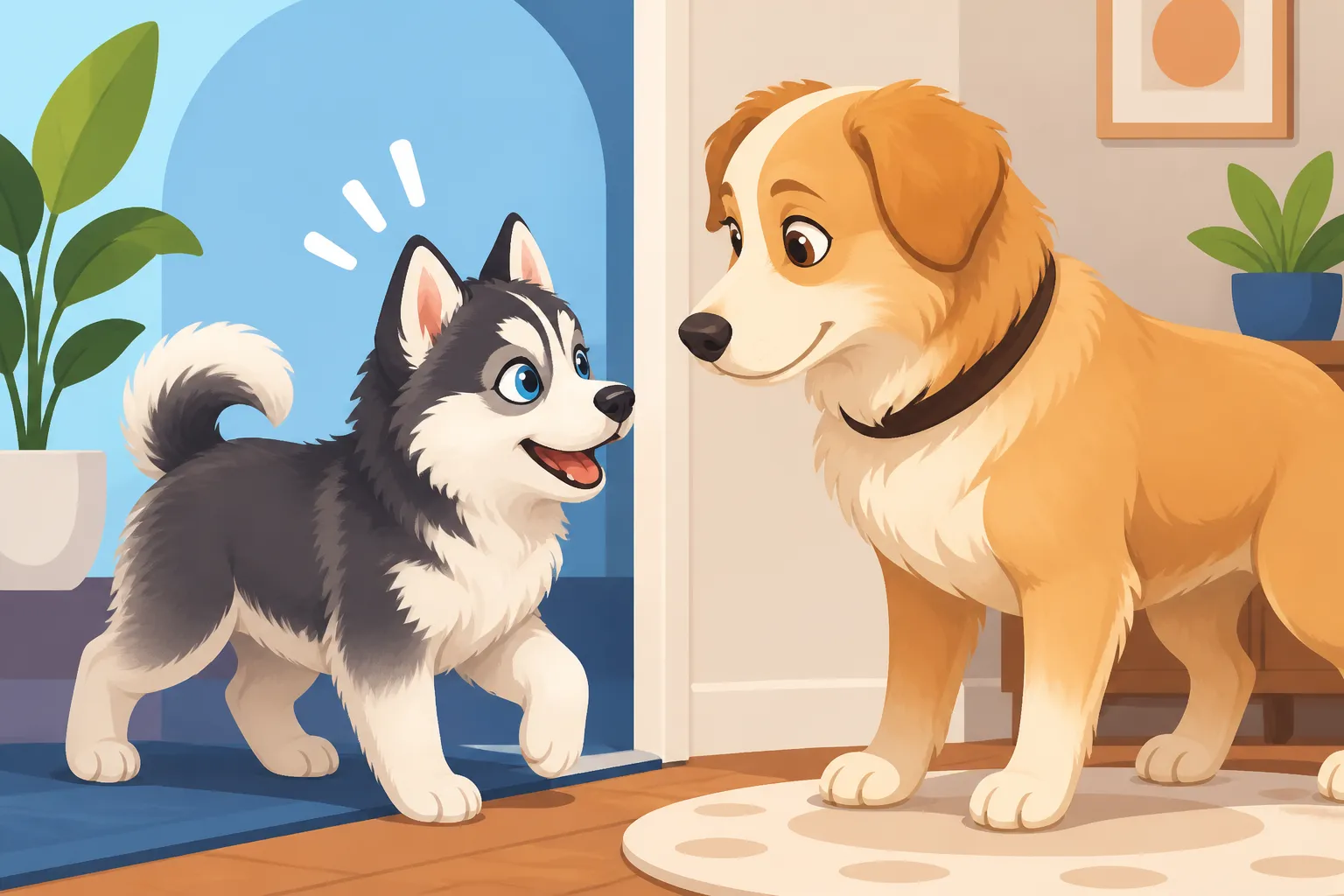
Crucially, avoid direct, face-to-face greetings initially. In dog language, a head-on approach can be perceived as confrontational or rude. Instead, allow them to approach each other in a curve and sniff each other's rear ends – this is a much more polite and informative greeting for dogs. Keep these initial physical interactions very brief, just a few seconds, then calmly separate them and continue walking parallel or in a loose circle. The goal is to build positive, short associations, not to force an immediate, prolonged bond. Repeat these short, positive interactions over several sessions until both dogs seem genuinely comfortable.
Reinforcing Positive Behavior
Every successful, calm interaction, no matter how brief or seemingly insignificant, should be acknowledged and generously rewarded. Positive reinforcement is your best friend during this entire process, helping both dogs understand that good things happen and they receive praise when the other dog is around and they are behaving calmly. This creates powerful positive associations that are crucial for long-term harmony.
When they are calm, relaxed, walking nicely near each other, or exhibiting appropriate, polite body language during a brief sniff, immediately offer high-value treats (small, soft, and easy to eat quickly) or enthusiastic verbal praise in a happy tone. This creates a powerful link: "When that new Pomsky is near and I'm relaxed, I get delicious treats!" or "Being calm around the resident dog means happy noises and rewards from my human!" For general training commands and positive reinforcement principles, platforms like BAXTER & Bella offer excellent online resources that emphasize reward-based methods, which can be invaluable during these sensitive introductions. Keep your own tone light, cheerful, and encouraging, even if you’re a bundle of nerves inside. Your calm and positive demeanor will directly reflect onto your dogs, helping them feel more at ease.
Conversely, it's vital to avoid scolding, punishing, or getting angry with either dog for nervous or inappropriate behavior. Instead, calmly redirect their attention, gently separate them, or simply end the interaction if things are going south. Punishment for warning signs like growling can actually suppress the warning, leading to a dog who bites without prior notice. The idea is to make sure every interaction, especially the early ones, ends on a good note, reinforcing that positive outcomes are associated with the other dog's presence.
Navigating Coexistence: Managing Interactions at Home
Once you've had a few successful, calm, neutral territory introductions, and both dogs are exhibiting consistent positive body language in each other's presence, you can cautiously begin to bring your Pomsky and resident dog home. This next crucial phase is all about managing their interactions within your living space, making sure everyone feels safe, respected, and understands the new household dynamics. This is often where the real work of integration begins, and it requires vigilance and consistency.
Supervised, Structured Play Sessions
Play is an absolutely fantastic way for dogs to bond, burn off energy, and develop a healthy relationship, but initial play sessions between a new Pomsky and a resident dog need to be meticulously supervised and carefully structured. Don't make the mistake of just opening the door and letting them "figure it out" – especially with a Pomsky who might have different play styles, energy levels, or physical robustness than your resident dog. What looks like harmless fun for one could easily become overwhelming, scary, or even dangerous for the other.
Start with very short, controlled play sessions in a secure, dog-proofed area of your home, such as a living room where breakable items have been removed and there are no small spaces one dog could get trapped in. Keep lightweight leashes on both dogs initially, even just dragging on the floor, so you can easily and calmly step in to separate them if things escalate or if one dog looks uncomfortable. Watch for signs of balanced play: both dogs taking turns in chasing or being chased, self-handicapping (where a larger or stronger dog consciously plays more gently with a smaller or weaker one), and appropriate breaks where they disengage, shake off, and then re-engage. If one dog is constantly being chased, pinned, cornered, or seems stressed (tail tucked, ears back, trying to hide, excessive lip licking), it's definitely time for a mandatory break.
Rotate toys frequently to keep interest high and to prevent any potential resource guarding from developing over a particular favorite item. Having a selection of different types of toys, perhaps from a brand like Amazon Basics, can be helpful to ensure novelty and variety. Encourage mutual play, perhaps by throwing two separate, identical toys simultaneously, or engaging them both in a simple game of "find it" where they work for a treat. Always, always end play sessions on a positive note, before either dog becomes overstimulated, overly tired, or agitated. This leaves them wanting more, rather than feeling overwhelmed or associating play with stress.
Preventing Resource Guarding: Food, Toys, and Attention
Resource guarding is a very common and potentially serious issue that can quickly sour a budding relationship between dogs. Dogs naturally protect what they perceive as valuable – be it food, high-value toys, prime sleeping spots, or even your undivided attention. Proactive management to prevent guarding from developing is far, far easier and safer than trying to fix entrenched guarding behavior once it's established.
The most fundamental rule is to always feed your dogs separately. This means in different rooms, securely in their individual crates, or at least far enough apart that they cannot see, reach, or even easily perceive the other's food bowl. This immediately eliminates any potential for tension or conflict around meal times. As soon as they are finished eating, pick up all food bowls to remove the "resource." Similarly, manage high-value toys. Do not leave prized possessions or favorite chew toys scattered around if either dog shows any tendency to guard them or even just intensely focuses on them when the other is near. Instead, provide individual toys when they are in their separate, safe spaces, and only bring out communal toys for strictly supervised play sessions.
Perhaps most critically, be incredibly mindful of how you distribute your attention. It's perfectly natural to want to lavish attention on a cute new Pomsky puppy, but your resident dog still needs to feel loved, secure, and confident in their established place within the family. Distribute your affection fairly and consciously. Make sure your resident dog still gets their usual cuddle time, special walks, individual training sessions, and moments of uninterrupted attention. This consistent reassurance can significantly prevent jealousy, reduce insecurity, and reinforce that the new Pomsky isn't there to replace them, but to join the family.
Structured Down Time and Decompression
Just as important as carefully supervised interaction is structured time apart for both dogs. Dogs, especially those who are adjusting to a new housemate and a new dynamic, desperately need time to decompress, rest, and relax without the constant pressure of interaction or needing to be "on alert." This is where those separate, safe spaces you diligently set up earlier become absolutely invaluable, serving as vital sanctuaries.
Schedule regular "alone time" for each dog, even if it's just an hour or two in their crate or a separate room with a stimulating puzzle toy or a long-lasting chew. This allows them to rest undisturbed, process new experiences, and simply be a dog without worrying about the other's presence. For a high-energy Pomsky, this might mean a quiet chew session in their crate after a walk, while your resident dog enjoys a nap on their favorite bed completely undisturbed. This scheduled separation prevents either dog from becoming annoyed, overwhelmed, or overstimulated by the other, significantly reducing the chances of a squabble or a stressful interaction born from fatigue or frustration.
During these decompression periods, you can also focus on individual training or bonding time with each dog. This one-on-one time reinforces your unique relationship with them separately and ensures they continue to see you as their primary source of comfort, security, and guidance. It's about building two strong individual relationships that can then support a healthy group dynamic. Tasks like mastering How Long a Pomsky Puppy Takes to House Train or learning general good manners are often much easier and more effective when they have focused, one-on-one attention from you, without the distraction or pressure of another dog present.
Establishing Harmony: Routines, Boundaries, and Ongoing Training
Successfully introducing your Pomsky to your resident dog isn't a single event; it's a continuous journey of integration and relationship building. Once the initial hurdle of meeting is overcome and they are coexisting calmly, the next crucial step is to weave them into a harmonious daily life through consistent routines, clear boundaries, and continued training. This provides predictability, builds trust, and solidifies their bond, which are the cornerstones of any healthy, multi-dog household.
Consistent Daily Routines
Dogs, by nature, are creatures of habit and thrive on predictability. A consistent daily routine helps both your Pomsky and your resident dog understand exactly what to expect from their day, when certain events will occur, and what their role is, thereby significantly reducing anxiety and making them feel more secure in their new shared environment. This means regular feeding times, scheduled potty breaks, consistent exercise schedules, and designated rest or play periods.
Try your best to keep the resident dog's routine as unchanged as possible initially, as this minimizes stress for them and reinforces their established place. Then, slowly and carefully integrate the Pomsky into this existing structure. For example, if your resident dog always gets a morning walk at 7 AM, strive to maintain that schedule. You might initially walk the dogs separately or take them on parallel walks until you're absolutely confident in their leash manners and calm demeanor when together. Ensure both dogs receive adequate physical and mental exercise, as pent-up energy can easily lead to frustration, destructive behaviors, and unwanted squabbles. Remember that The Exercise a Pomsky Needs Every Day might differ significantly from your resident dog's requirements, so you may need to adjust your exercise plan or prepare for separate activity sessions.
Routines also extend to who gets attention when. Make a conscious effort to ensure both dogs receive individual quality attention, praise, and training sessions. This reaffirms their unique bond with you and prevents feelings of being overlooked or having to compete for your affection. A predictable and structured environment fosters a powerful sense of calm and security for both animals, allowing their relationship to blossom organically and genuinely, rather than being forced or fraught with uncertainty.
Clear and Consistent Household Rules
Just like children, dogs need clear, unambiguous rules and boundaries to understand what's acceptable behavior and what's not within the home. This is especially true when integrating a new dog into an existing pack. Confusion about rules can lead to stress, miscommunication between the dogs, and a host of frustrating behavioral issues. Inconsistency is a major source of stress for dogs.
It is absolutely vital that all humans in the household agree upon and consistently enforce the exact same rules for both dogs. For instance, if your resident dog is allowed on the furniture, then your Pomsky should also be allowed (or conversely, if one isn't, neither should be). If your resident dog isn't allowed to jump on guests or beg at the table, your new Pomsky shouldn't be either. Inconsistency will inevitably create resentment, confusion, and can lead to one dog "testing" boundaries or the other feeling unfairly treated. This isn't about being strict for strictness's sake; it's about providing a predictable, stable framework that helps dogs feel safe, understand their place in the family unit, and know what is expected of them.
Consider enrolling both dogs in a basic obedience class, or continuing dedicated training sessions at home. Programs like those offered by BAXTER & Bella can be incredibly helpful for establishing these consistent rules and cues for both dogs. Working on fundamental commands such as "sit," "stay," "come," and "leave it" together (or initially individually, then gradually together) can significantly strengthen your bond with each dog and help them learn to respond reliably to you, even with the distraction of the other dog present. This shared learning experience can also be a positive bonding activity for them.
Shared Experiences and Training Together
Once your Pomsky and resident dog are consistently comfortable and calm in each other's immediate presence, you can actively and intentionally seek out opportunities for positive shared experiences. This is where their friendship truly begins to solidify and deepen, moving beyond mere coexistence to genuine companionship. Joint activities build powerful positive associations and help them see each other as companions and partners, rather than just housemates.
Continue with regular joint walks, allowing them to explore and sniff together. Engage them in parallel play with separate, appealing toys, perhaps throwing two balls at once for them to retrieve individually. Practice training cues side-by-side, always rewarding both dogs equally and generously for their efforts. Even simply sharing calm, quiet cuddle time on the couch or lying near your feet can be a powerful, understated bonding experience. The key is to consistently create scenarios where good things happen when they are together, reinforcing the idea that the other dog's presence brings positive outcomes.
This also includes exposure to new, interesting environments together. If your resident dog typically enjoys trips to the local pet store or leisurely car rides to a scenic spot, bring your Pomsky along once they are both ready and accustomed to traveling together calmly. These shared adventures further integrate them into a cohesive unit and reinforce that being together is a positive and rewarding experience. Remember to always supervise these interactions closely and be ready to calmly and gently intervene if either dog shows any signs of stress, discomfort, or an escalation of excitement.
Addressing Common Challenges and Roadblocks
Even with the best intentions, meticulous planning, and consistent effort, integrating a new Pomsky with a resident dog can present its fair share of challenges. It's crucial for you, as their owner, to recognize potential issues early, understand the underlying reasons for certain behaviors, and address them proactively rather than letting them fester and become ingrained, difficult-to-break habits. Being prepared for setbacks is part of the journey.
Recognizing Signs of Jealousy or Unease
Jealousy and a general sense of unease are perfectly natural emotions for dogs, especially when a new, attention-grabbing member joins the established pack dynamic. Your resident dog might suddenly act clingy, pushy, demand more attention, or even regress in their previously learned training. Your new Pomsky, on the other hand, might become withdrawn, excessively shy, or conversely, overly attention-seeking and boisterous. These behaviors are often not malicious, but rather cries for reassurance, confirmation of their place, and your undivided attention.
Look for subtle, often easily missed, signs: a resident dog blocking the Pomsky from approaching you, suddenly becoming more demanding of your petting or affection, hovering protectively near the Pomsky's food or water bowl even when not hungry, or pushing between you and the new dog. The Pomsky might growl softly if the resident dog comes too close to their bed or a favorite toy, or try to constantly insert themselves between you and your existing dog. It's vital not to punish these behaviors harshly, but to understand them as communications about underlying insecurity or emotional discomfort.
To effectively counteract jealousy, you must ensure both dogs consistently receive adequate individual quality time with you. This means separate walks, separate focused training sessions, and dedicated separate cuddle times where the other dog is not present. Make sure your resident dog, especially, still gets their usual privileges, perhaps by always getting first priority for certain things, like greeting you at the door, getting their leash put on first for a walk, or receiving the first treat. This reinforces their established status without being unfair to the newcomer. Show them both, through your actions, that there's more than enough love, attention, and resources to go around in this new, expanded family.
Managing Fear and Aggression Signals
Sometimes, the challenges encountered during integration can be more serious, involving genuine fear or even outright aggression. Recognizing the subtle signals of discomfort, stress, and impending aggression is absolutely paramount to preventing escalation and ensuring the safety of all involved. These signals can range from subtle "whale eye" (where the whites of their eyes are visible), lip licking, excessive yawning (when not tired), repetitive sniffing, and tail tucking, to more overt and concerning signs like growling, snarling, snapping in the air, or lunging.
If you observe any persistent signs of fear or aggression, immediately and calmly separate the dogs without drama or scolding. Do not punish a dog for growling; a growl is a crucial warning signal, and if you suppress it, the dog might learn to go straight to a bite next time without warning. Instead, interpret a growl as a clear indication that one or both dogs are uncomfortable and need more space or a step back in the introduction process. Revert immediately to earlier, safer management strategies such as strict scent swapping, parallel walks at a greater distance, and rigorous physical separation within the home. It might be that the dogs were moved too quickly to the next step, one dog is simply more sensitive, or a specific trigger was encountered.
For persistent or escalating fear or aggression, seeking professional help from a certified professional dog trainer specializing in behavior, or a veterinary behaviorist, is not just recommended, but often essential. They can objectively observe the dogs' interactions, identify specific triggers, and develop a tailored, safe behavior modification plan. Remember, your Pomsky, while potentially small in stature, can still exhibit significant fear or reactivity that requires careful management, and it is your primary responsibility to ensure the safety and comfort of both animals in your care.
When to Seek Professional Guidance
While many integration challenges can be successfully managed with ample patience, consistent effort, and the strategies outlined above, there are certainly times when professional intervention is truly necessary. It's crucial not to hesitate or feel ashamed to reach out for expert help; rather, it's a sign of a responsible and dedicated pet owner who prioritizes their dogs' well-being and safety. Delaying professional help can often lead to more entrenched and difficult-to-resolve behavioral issues.
Consider contacting a qualified professional if any of the following situations arise:
- Either dog exhibits persistent, unprovoked aggression (repeated growling, snapping, biting, or lunging) towards the other, despite your best management efforts.
- One dog is constantly stressed, withdrawn, showing signs of chronic anxiety, or hiding frequently, indicating they are unable to adjust to the new living arrangement.
- You feel genuinely overwhelmed, frustrated, and unable to make positive progress on your own, or you fear for the safety of one or both dogs.
- The dogs are frequently getting into squabbles, even minor ones, suggesting a foundational instability in their relationship.
- One dog is consistently bullying, harassing, or intimidating the other, creating an imbalance of power that leads to chronic stress for the victim.
A qualified professional, such as a certified professional dog trainer or a veterinary behaviorist, can offer an objective perspective, identify underlying issues you might have missed, and provide practical, science-based strategies tailored specifically to your dogs' individual personalities and your household dynamics. Resources like the Association of Professional Dog Trainers (APDT) or the International Association of Animal Behavior Consultants (IAABC) can help you find reputable experts in your area. Investing in professional guidance early can prevent small, manageable problems from escalating into much larger, more dangerous, and potentially irreparable ones down the line.
Cultivating a Lifelong Bond: Long-Term Integration and Monitoring
Bringing two dogs together into a harmonious household is a journey, not a singular destination. Even after a successful initial integration period, it's vital to continue nurturing their relationship, consistently monitoring their dynamics, and providing ongoing support to ensure they live peacefully and happily for years to come. A "set it and forget it" approach rarely works in a multi-dog household; relationships require maintenance.
Continued Socialization and Positive Experiences
Don't make the assumption that once your Pomsky and resident dog are getting along, their socialization needs are completely met. Just like human friendships, dog relationships require continued positive experiences and reinforcement to thrive and deepen over time. This means consistently creating opportunities for them to interact in enjoyable, low-stress, and engaging ways that reinforce their positive association with each other.
Continue with regular joint walks, allowing them to explore the world together. Maintain structured play sessions and engage them in shared training exercises, rewarding both generously. Introduce them to new, interesting environments together, such as a quiet hiking trail, a new dog-friendly beach, or even a new neighborhood park. The more positive experiences they accumulate as a pair, the stronger and more resilient their bond will become. Remember, The Twelve to Fifteen Years a Pomsky Lives is a significant commitment, and you want those years to be filled with companionship and joy for both. Just be mindful of their individual personalities; some dogs are naturally social butterflies, while others are content with just their immediate family members. Never force interactions if either dog consistently seems uncomfortable or overwhelmed.
Always ensure that any new experiences you introduce are carefully managed and genuinely positive for both dogs. If one dog is overwhelmed or frightened by a particular situation while the other is present, it could inadvertently create a negative association with being together. The overarching goal is to help them build a rich tapestry of shared happy memories that reinforce their bond as companions.
Monitoring Dynamics and Adjusting as Needed
Dog relationships, much like all complex social relationships, are dynamic and can certainly evolve over time. What works perfectly one day might need careful adjusting the next. It's incredibly important to remain consistently observant of their interactions and body language, and be prepared to step in or make changes to your routine if the dynamics between them shift. This is especially true as dogs age, if one experiences a health change, or if significant life events occur within your household.
Pay close attention to subtle shifts in body language, changes in established play behavior, or new patterns of interaction. Does one dog suddenly seem more dominant or submissive? Is one dog showing signs of stress, fear, or discomfort around the other more frequently? Sometimes, even seemingly minor changes in routine, the introduction of new furniture, or even your own stress levels can impact their relationship. If The Signs a Pomsky Is Getting Old begin to appear in your resident dog, an elder dog might have less tolerance for a bouncy, energetic youngster, requiring you to adjust their interaction levels and play intensity.
Be flexible and proactive. If you notice a shift that causes concern, do not ignore it hoping it will go away. Instead, re-implement some of the earlier, more structured management strategies, such as separate feeding, more structured time apart, or even brief re-introductions on neutral territory if a major conflict occurred. You might need to adjust their individual exercise levels, provide more mental enrichment, or even revisit obedience training. Early intervention is absolutely key to preventing small issues from escalating into significant, harder-to-resolve problems. Your consistent and calm role as the "pack leader" is to ensure a fair, equitable, and safe environment for both your beloved canine companions.
Ensuring Individual Well-being
Ultimately, the most important goal is for both your Pomsky and your resident dog to be happy, healthy, and secure individuals, regardless of the intensity of their relationship with each other. Sometimes, our heartfelt desire for them to be instant best friends can inadvertently overshadow their individual needs for space, personal attention, or specific types of enrichment.
Ensure each dog consistently receives adequate individual attention, one-on-one training, and personalized enrichment activities tailored to their preferences. Make sure they both have their own comfortable beds, a selection of toys that aren't constantly guarded, and quiet, safe spaces where they can retreat for uninterrupted rest. Regular veterinary check-ups are essential for both, as pain, discomfort, or illness can significantly impact a dog's behavior, mood, and tolerance for others. Remember, The Screening a Pomsky Should Have Yearly is just as important for your resident dog as it is for your new Pomsky to ensure they stay in top health.
If, after all your dedicated efforts, your dogs simply achieve a peaceful coexistence rather than forming a close, inseparable bond, that's perfectly okay and a valid success. Not every dog needs a canine best friend in their housemate. A home where both dogs feel safe, respected, content, and generally happy in their environment is a perfectly successful outcome. Your patience, understanding, consistent leadership, and unwavering commitment to their individual well-being are the most valuable tools you possess in building a multi-dog household where everyone thrives.
Comparing Successful vs. Challenging Introduction Scenarios
Here's a quick reference to help you gauge how your introduction is progressing and identify areas that might need more attention:
| Behavior/Indicator | Signs of a Successful Introduction | Signs of a Challenging Introduction |
|---|---|---|
| Body Language | Loose, relaxed posture, soft eyes, wagging tail, play bows, relaxed mouth. | Stiff posture, tense muscles, hard stare, whale eye, tucked or stiff tail, growling, snarling, raised hackles. |
| Vocalizations | Happy yips, playful growls during appropriate play, calm silence, relaxed sighs. | Constant, anxious barking, whining, deep growls, guttural snarls, high-pitched screaming. |
| Play Style | Reciprocal, takes turns chasing/being chased, self-handicapping, appropriate breaks, bouncy. | One dog constantly chasing/dominating, no breaks, one dog trying to escape, stiff movements. |
| Resource Guarding | Shares toys, eats calmly near each other (once established), no guarding of owner. | Possessive over toys, food, bed, or owner's attention; freezes, growls, or snaps when approached. |
| Proximity | Voluntarily chooses to rest or lie near each other, comfortable sharing space. | Actively avoids the other dog, seeks separate rooms/spaces, shows fear or tension when approached. |
| Owner Interaction | Both dogs seek attention independently, relaxed when one is being petted, takes turns politely. | One dog pushes the other away, interrupts petting, becomes overly clingy, demanding, or jealous. |
| Overall Disposition | Calm, happy, well-adjusted to the new dynamic, confident. | Stressed, anxious, withdrawn, constantly on edge, or overly reactive. |
Disclaimer
This article is for general informational purposes only and does not constitute professional advice. Laws, prices and regulations vary by location and change over time. Consult a qualified professional for guidance on your specific situation.