Whether Neutering Triggers a Pomsky’s Coat Loss
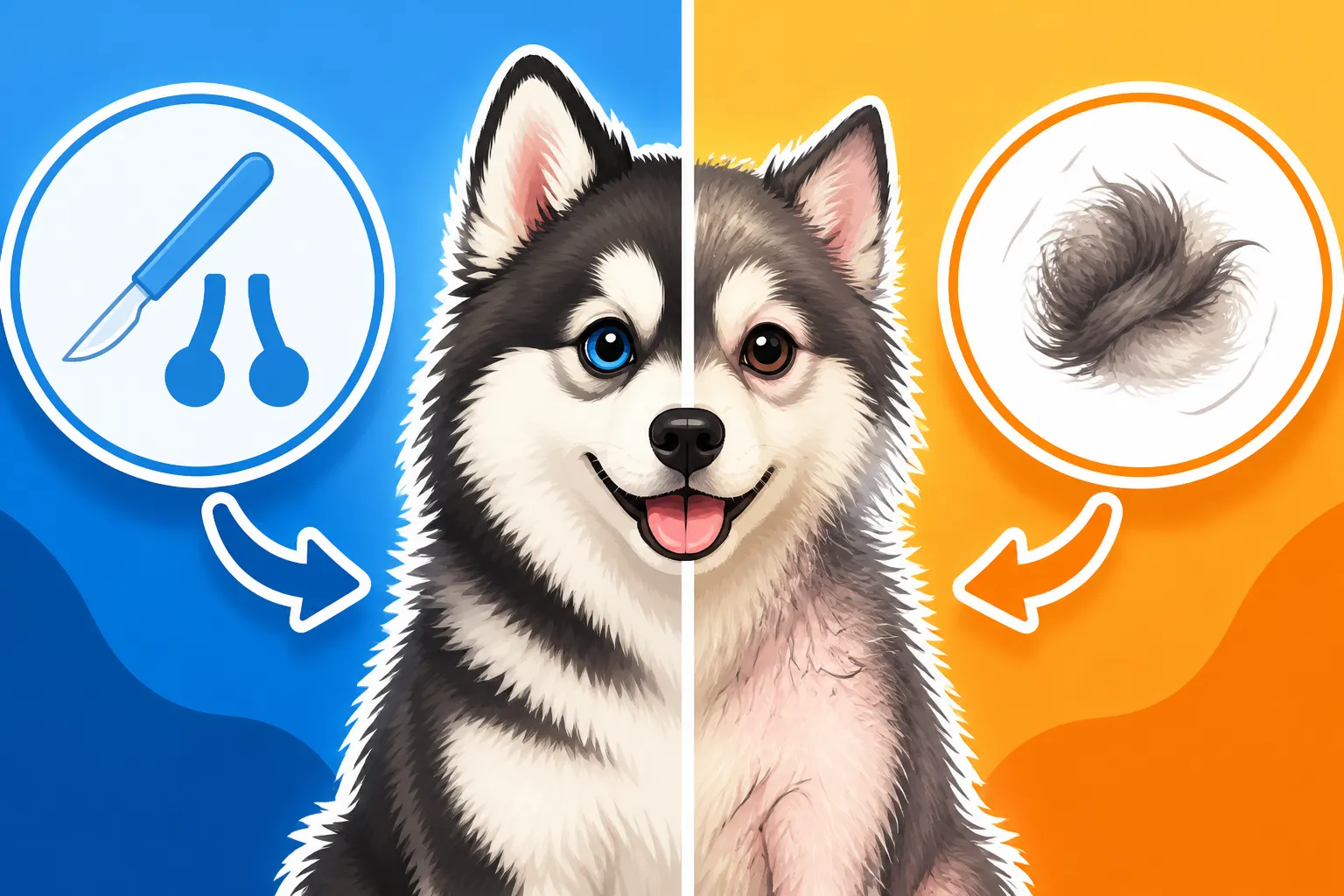
It's a common and incredibly distressing concern for Pomsky parents: you've done the responsible thing by neutering your beloved furry family member, only to start noticing changes in their once glorious coat. That beautiful, fluffy double coat, a hallmark of the breed, might begin to thin, look dull, or even develop bald patches, leaving you wondering if the surgery was the cause. It's a valid worry, and understanding the complex relationship between hormones, genetics, and coat health is key to navigating these changes. This guide will meticulously break down whether neutering can indeed trigger coat loss in Pomskies, what to look out for, and how to best support your dog through these potential changes.
The Hormonal Shift After Neutering or Spaying
When we talk about neutering (for males) or spaying (for females), we're essentially discussing the removal of gonads – the testes or ovaries – which are the primary producers of sex hormones. These hormones play a much larger role in a dog's overall health than just reproduction, and their sudden absence can have a ripple effect throughout the body, including on the skin and coat.
Understanding Reproductive Hormones and the Coat Cycle
Sex hormones like estrogen and testosterone are powerful chemical messengers that regulate a myriad of bodily functions, and that absolutely includes the health and growth of your Pomsky's fur. Think of them as the unsung conductors of your dog's physiological orchestra. They influence the anagen (growth), catagen (transition), and telogen (resting) phases of each hair follicle. A balanced hormonal system promotes strong, healthy hair growth, leading to that luxurious, dense double coat we all adore in Pomskies, inherited from their Siberian Husky and Pomeranian ancestors.
For instance, estrogen is often associated with a lush, healthy coat in females, while testosterone plays a role in the thickness and texture of a male's coat. These hormones ensure that hair follicles cycle correctly, shedding old hair and growing new hair in a predictable pattern. When these delicate balances are in place, your Pomsky's coat functions as it should: providing insulation, protecting against the elements, and looking magnificent. Disrupt this balance, and the coat can be one of the first visible indicators of change.
What Happens When Hormones Are Removed
The moment a dog is neutered or spayed, their body experiences a significant and rapid drop in these primary sex hormones. It's not a gradual taper but a rather abrupt change. For some Pomskies, this hormonal void can send the hair follicles into a bit of a tailspin. Without the regular signals from estrogen or testosterone, the hair growth cycle can slow down, leading to prolonged telogen (resting) phases, or even a premature cessation of the anagen (growth) phase.
This disruption doesn't always manifest immediately after surgery. Owners might not notice changes for several months, sometimes even up to a year or more post-procedure. The coat might start to thin diffusely, particularly over the trunk, flanks, and hindquarters. It can lose its vibrant sheen, becoming dull and dry, or even revert to a softer, more puppy-like texture that lacks the characteristic guard hairs. This delayed reaction is often what makes it so hard for owners to connect the coat loss directly to the neuter surgery, leaving them frustrated and searching for answers.
Differentiating Normal Shedding from Post-Neuter Coat Changes
All Pomskies, with their incredible double coats, shed. And not just a little shed – they "blow their coat" intensely twice a year, usually in spring and fall. This is a normal, healthy process where they shed their dense undercoat to prepare for seasonal temperature changes. During these periods, you'll be swimming in fur, and it’s an expected part of living with a double-coated breed.
However, post-neuter coat changes look and feel different. Normal shedding involves the complete cycle of hair growth and replacement. Post-neuter coat loss, on the other hand, is often characterized by a more generalized thinning rather than just a massive expulsion of undercoat. The texture might change, becoming cottony or sparse, and the overall density significantly reduced. You might also notice the guard hairs (the longer, coarser outer layer) becoming fewer and farther between, leaving the soft undercoat exposed. If your Pomsky's coat isn't just shedding but appearing noticeably thinner, patchier, or taking on an odd texture outside of its regular blowout cycles, it's worth considering the hormonal shift as a potential factor.
Post-Clipping Alopecia and Its Link to Neutering in Pomskies
For double-coated breeds like Pomskies, any form of clipping or shaving can be a risky business for their coat health. When you combine this with the hormonal changes brought on by neutering, you can have a recipe for what's known as post-clipping alopecia, a frustrating condition where hair simply refuses to grow back properly.
What is Post-Clipping Alopecia?
Post-clipping alopecia (PCA) is exactly what it sounds like: a condition where hair fails to regrow normally after an area has been clipped or shaved. It's a phenomenon most commonly observed in double-coated breeds, which, of course, includes our beloved Pomskies. Imagine taking your Pomsky to the vet for surgery, and they shave a patch for an IV line or the surgical site. Weeks, or even months, later, that patch remains stubbornly bald or grows back incredibly slowly and sparsely. This isn't just a slow regrowth; it's a persistent, sometimes permanent, inability for the hair follicles to reactivate and produce new hair.
The exact mechanisms behind PCA aren't fully understood, but theories suggest it might involve trauma to the hair follicles, disruption of local microcirculation, or an underlying predisposition in certain breeds where the hair growth cycle is particularly sensitive. The deep, dense coat of a Pomsky, designed for insulation, seems to be especially vulnerable to this kind of disruption. The guard hairs, which protect the undercoat and skin, are particularly fragile once cut short, and their regrowth can be notoriously difficult.
The Hormonal Connection to Delayed Regrowth
Now, here's where neutering comes into play. While PCA can happen to any double-coated dog after clipping, the hormonal shifts post-neutering can significantly exacerbate the problem or even act as a trigger. When a dog's body is already navigating a major hormonal adjustment, its systems, including those responsible for hair growth, might not be operating at peak efficiency. The removal of sex hormones can lead to a general slowing of metabolic processes, including the vital functions of the skin and hair follicles.
If a Pomsky is clipped for their neuter surgery, and then experiences a subsequent hormonal imbalance, the follicles in that clipped area are facing a double whammy. They're trying to recover from physical trauma (the clipping) while simultaneously receiving confusing or diminished hormonal signals that usually stimulate regrowth. This can lead to the "stubborn bald spot" syndrome, where the hair struggles to return to its original density and texture. In some cases, the problem isn't just limited to the clipped area, as the overall hormonal disruption can make any hair regrowth slower and less robust across the entire coat.
Avoiding Shaving After Neutering and Generally
Given the risks, the strongest recommendation for any Pomsky owner, especially those with newly neutered dogs, is to never shave your Pomsky's coat unless absolutely medically necessary. This includes shaving for cosmetic reasons, to "cool them down" in summer, or even for minor matting. If your Pomsky needs a surgical procedure, discuss with your vet the smallest possible area that needs to be shaved for the procedure. You can even express your concerns about post-clipping alopecia beforehand.
Shaving a double-coated breed like a Pomsky can permanently damage the intricate structure of their coat. The long, protective guard hairs are cut, often leaving only the soft, downy undercoat, which can then grow back unevenly, become coarse, or fail to grow back at all, leading to a condition known as "coat funk" or "clipper alopecia." This isn't just about aesthetics; the double coat provides essential insulation in both cold and warm weather, protecting their skin from sunburn and overheating. For detailed information on this vital topic, you might find our article on Whether a Pomsky Should Never Be Shaved helpful. Instead of shaving, focus on regular and thorough grooming, using tools like an undercoat rake and a high-velocity dryer to manage shedding and keep them comfortable.
Unpacking Alopecia X in Pomskies and Neutering as a Trigger
Among the various causes of coat loss, Alopecia X is one that frequently comes up in discussions about Pomeranians and, by extension, Pomskies. It’s a frustrating and often misunderstood condition, and its link to neutering is a significant concern for many owners.
What is Alopecia X?
Alopecia X, also known as Black Skin Disease, Coat Funk, or Adrenal Hyperplasia-like Syndrome, is a cosmetic skin condition primarily characterized by symmetrical, non-inflammatory hair loss. This means there's no itching, redness, or infection usually associated with the hair loss. It typically manifests as areas of thinning or complete baldness, often starting on the flanks, hind legs, tail, and sometimes the neck or abdomen. Over time, the affected skin can become hyperpigmented, turning dark or "black," hence the name Black Skin Disease.
While the exact cause remains elusive, it’s believed to be a hormonal imbalance involving the adrenal glands, which produce sex hormones in addition to cortisol. It's often referred to as a "diagnosis of exclusion" because other, more easily treatable conditions (like hypothyroidism or Cushing's disease) must first be ruled out. Given the Pomeranian lineage in Pomskies, this condition is a very real possibility, and owners need to be vigilant. It's one of the unique health considerations that breeders and owners must be aware of, distinguishing Pomskies from other breeds, and highlights the importance of understanding The Two Opposite Disease Lists a Pomsky Inherits from its parent breeds. For more details on its appearance, refer to What Alopecia X Does to a Pomsky's Coat.
The Controversial Link Between Neutering and Alopecia X Onset
Here's the critical point for many Pomsky owners: there's a strong, albeit controversial, observational link between neutering/spaying and the onset or exacerbation of Alopecia X. Many veterinarians and breeders have noted that the symptoms of Alopecia X often present or become significantly worse months after a dog has been desexed. While neutering isn't considered the direct cause in a genetic sense, it's widely accepted as a potential trigger for dogs that are already genetically predisposed to the condition.
The theory behind this lies in the hormonal system. When the testes or ovaries are removed, the body loses its primary source of sex hormones. For dogs predisposed to Alopecia X, this sudden reduction in gonadal hormones might unmask or exacerbate an existing, subtle imbalance in the adrenal glands. The adrenal glands, in an attempt to compensate or due to an underlying dysfunction, might then start producing an excess of certain adrenal sex hormones, which are implicated in Alopecia X. It’s like removing one part of the hormonal orchestra, and another part starts playing out of tune, leading to visible coat issues. Some studies suggest that waiting until a Pomsky is fully mature before neutering might lessen the risk, a topic explored in Whether Neutering a Pomsky Late Helps.
Diagnosis and Management for Pomskies with Suspected Alopecia X
If you suspect your Pomsky might be developing Alopecia X post-neutering, the first step is always a comprehensive veterinary workup. Your vet will need to rule out other common causes of hair loss that have similar appearances but different treatments. This diagnostic process typically includes:
- Thyroid Testing: To check for hypothyroidism, which can cause symmetrical hair loss and is treatable with medication.
- Cushing's Disease Testing: To rule out hyperadrenocorticism, another condition with similar symptoms.
- Skin Biopsies: To examine hair follicles and skin tissue under a microscope, which can reveal characteristic changes associated with Alopecia X and help exclude other skin diseases.
- Adrenal Panels: To measure various adrenal hormones, which can sometimes provide clues, though results can be inconsistent.
Once Alopecia X is diagnosed, management is primarily aimed at improving coat growth and skin health. It's important to remember that there's no "cure" for Alopecia X, but many dogs respond well to various treatments. Common approaches include:
- Melatonin Supplementation: This is often the first line of treatment and can stimulate hair regrowth in some dogs. For more on this, see What Melatonin Does for a Pomsky With Alopecia X.
- Topical Treatments: Medicated shampoos and conditioners can help with skin health and secondary issues, though they don't directly regrow hair.
- Neutering/Spaying (if not already done): In some cases where an intact dog develops Alopecia X, neutering is actually recommended as it can sometimes lead to regrowth. However, we are discussing cases where neutering is the trigger, highlighting the complexity.
- Specific Medications: In certain situations, drugs like spironolactone or trilostane (typically used for Cushing's) might be considered off-label, but these carry risks and require careful monitoring.
- Adrenalectomy: In very rare and specific cases where an adrenal tumor is identified as the cause, surgical removal of the adrenal gland might be an option.
It's a journey, not a quick fix, and patience is key. Finding a vet experienced with this condition in Nordic breeds or Pomeranian mixes will be incredibly beneficial.
Other Factors Influencing Coat Health Post-Neutering
While neutering can certainly be a trigger for coat changes, it's rarely the only factor influencing your Pomsky's coat health. A multitude of elements, from their daily diet to their stress levels, all play a part in maintaining that beautiful double coat.
Nutritional Support and Skin Health
Think of your Pomsky's coat as a direct reflection of their internal health. A robust, shiny, and dense coat needs a solid foundation, and that foundation is built with good nutrition. After a major event like surgery, and the subsequent hormonal shift, the body's demands for nutrients might even temporarily increase as it works to re-establish equilibrium. A high-quality diet that provides easily digestible proteins, healthy fats, and a full spectrum of vitamins and minerals is absolutely paramount.
Specifically, Omega-3 fatty acids, often found in fish oil (salmon oil, cod liver oil), are incredible for skin and coat health. They help reduce inflammation, improve skin barrier function, and contribute to a lustrous coat. Zinc is another vital nutrient, especially for double-coated breeds, as deficiencies can lead to dry, flaky skin and poor hair quality. If you're concerned about your Pomsky's zinc intake, our article on Whether a Pomsky Needs Extra Zinc provides valuable insights. Biotin, various B vitamins, and antioxidants also play a supporting role. Stress from surgery and recovery, coupled with a shifting hormonal landscape, can deplete these resources, making good nutrition even more critical during this sensitive period.
Environmental and Stressors
Dogs, much like us, react to stress, and one of the ways that stress can manifest is through changes in coat quality and shedding patterns. A surgical procedure, recovery period, changes in routine, or even just pain and discomfort can be significant stressors for your Pomsky. When a dog is stressed, their body releases cortisol, which can influence the hair cycle and potentially lead to increased shedding or a dull coat. Creating a calm, predictable, and comfortable environment for your Pomsky post-neutering can go a long way in supporting their overall recovery, including their coat health.
Beyond internal stress, external environmental factors play a role too. Seasonal changes naturally trigger the "blowing coat" phenomenon in Pomskies, regardless of their neuter status. However, a dog with a compromised coat due to hormonal changes might struggle more with these transitions, or their coat might appear less resilient. Ensuring your Pomsky is protected from harsh sun (which can exacerbate thinning areas), extreme cold, and has a consistent grooming routine helps their coat manage environmental challenges more effectively.
Underlying Health Conditions and Age
It's crucial to remember that not every instance of coat loss or change after neutering is solely attributable to the surgery itself. Sometimes, the timing is coincidental, and an underlying health condition might begin to manifest around the same period. Conditions like hypothyroidism (an underactive thyroid), allergies, or even parasitic infections can all cause hair loss and skin issues that might be mistaken for post-neuter changes or Alopecia X. This is why thorough veterinary diagnostics are so important.
Furthermore, as Pomskies age, their coat naturally changes. It might thin, become coarser, or even lose some of its vibrant color. A Pomsky entering their senior years, typically around the age of eight (though this can vary, as discussed in The Birthday a Pomsky Counts as Senior), might experience coat changes that coincide with or are mistaken for post-neuter effects, especially if neutered later in life. Consulting with your veterinarian, who can consider all these factors, is essential for an accurate diagnosis and appropriate management plan. When unexpected health concerns arise, having pet insurance from providers like Healthy Paws can be a real lifesaver, helping to cover diagnostic tests and treatments that can quickly add up.
Proactive Steps and Support for Your Pomsky's Coat
Understanding the potential for coat changes after neutering can feel overwhelming, but the good news is that there are many proactive steps you can take to support your Pomsky's coat health, both before and after the procedure.
Pre-Neutering Considerations
Before your Pomsky goes under the knife, it's always wise to have a detailed discussion with your veterinarian about potential coat changes and how to mitigate risks. In breeds prone to Alopecia X or coat issues, some vets might recommend waiting until the dog is fully mature (e.g., 12-18 months of age or even later for larger breeds) before neutering, allowing hormones to fully develop and stabilize their role in coat cycles. This isn't a guaranteed preventative measure, but it's a consideration worth exploring with your vet, especially if your Pomsky has a known genetic predisposition or if their Pomeranian parentage has a history of Alopecia X.
Ensure your Pomsky is in peak health leading up to the surgery. A strong immune system and a body well-nourished and free from other stressors are better equipped to handle the hormonal adjustments that follow. Discuss any pre-existing skin or coat concerns with your vet; addressing these beforehand can prevent them from becoming more severe after surgery. A thorough pre-surgical health check isn't just about ensuring they're safe for anesthesia, but also about understanding their baseline health.
Post-Neutering Coat Care and Monitoring
Once your Pomsky is recovering from neutering, vigilant and appropriate coat care becomes even more critical. Here's how you can best support their coat:
- Consistent Grooming: Regular brushing is your best friend. Use tools like an undercoat rake to gently remove loose undercoat and stimulate blood flow to the skin. This encourages healthy follicle function. For guidance on the best tools, you can refer to The Undercoat Rake a Pomsky Owner Lives With. Frequent, gentle brushing can also help distribute natural oils, improving coat sheen and reducing dryness.
- Bathing with Care: When bathing, choose gentle, moisturizing shampoos specifically designed for dogs with sensitive skin or double coats. Avoid harsh detergents that can strip natural oils. Ensure thorough rinsing and, crucially, completely dry the coat, especially the dense undercoat, to prevent skin issues like hot spots. A high-velocity dryer can be incredibly effective for this.
- Nutritional Support: Continue to feed a high-quality diet. Consider supplementing with Omega-3 fatty acids (like fish oil) if not already included in their diet, as these are fantastic for skin and coat health. Always discuss supplements with your vet first.
- Monitoring and Documentation: Keep a close eye on your Pomsky's coat. Take photos every few weeks to document any changes. This can help you identify trends or determine if a problem is progressing. Note down when you first notice thinning, dullness, or skin changes.
When to Consult Your Veterinarian
While some minor coat changes can be expected or managed, certain signs warrant an immediate trip to the vet. Don't hesitate if you notice:
- Rapid or Severe Hair Loss: If bald patches appear quickly, spread widely, or if your dog is losing large clumps of hair.
- Skin Irritation: Redness, itching, scaling, pustules, or any signs of discomfort.
- Hyperpigmentation: Darkening of the skin, especially in conjunction with hair loss.
- Changes in Behavior or Energy Levels: Lethargy, increased thirst, changes in appetite – these can indicate an underlying systemic issue.
- Dull, Brittle Coat: If the coat becomes excessively dry, brittle, or coarse to the touch, it could signal a deeper problem.
Remember, early intervention is always best. Your vet can perform the necessary diagnostics to differentiate between simple post-neuter coat changes, Alopecia X, or other conditions like hypothyroidism, which might mimic these symptoms, as explored in Whether a Pomsky's Coat Loss Is Thyroid or Alopecia X. Having comprehensive pet insurance, such as a plan from Healthy Paws, can provide significant financial relief when faced with unexpected vet bills for diagnostics, medications, or specialized treatments for coat and skin issues. It allows you to focus on your Pomsky's health without added financial stress. This type of insurance can be particularly beneficial for a breed like the Pomsky, given the diverse health considerations from its parent breeds, as highlighted in Insuring a Pomsky Against Two Parent Breeds.
Understanding Coat Changes: A Quick Reference
To help you distinguish between normal shedding and more concerning coat issues, here's a quick comparison:
| Feature | Normal Seasonal Shedding (Blowout) | Post-Neuter Coat Loss (Hormonal Imbalance) | Alopecia X |
|---|---|---|---|
| Timing | Typically twice a year (spring/fall) | Months after neutering/spaying (can be delayed) | Often triggered/exacerbated by neutering, but can appear in intact dogs; progressive |
| Appearance of Hair Loss | Massive undercoat expulsion, overall density remains (new growth quickly replaces) | Diffuse thinning, dullness, lack of guard hairs, "puppy coat" texture. Symmetrical. | Symmetrical bald patches, often on flanks, hindquarters, tail. Skin can darken. |
| Skin Appearance | Healthy, clear skin | Often healthy, but can be dry or slightly flaky. | Healthy initially, then often hyperpigmented (black), sometimes scaly. |
| Itching/Irritation | Generally none | Generally none | Generally none (non-inflammatory) |
| Primary Cause | Natural hair cycle response to light/temperature | Hormonal shift from removal of sex hormones | Underlying genetic predisposition + hormonal imbalance (often adrenal related) |
| Prognosis | Coat recovers fully | Can be variable; some improvement with time/management | Cosmetic; no cure, but manageable with various treatments (e.g., melatonin) |
This table serves as a general guide, but remember that individual cases can vary, and a professional veterinary diagnosis is always essential for any persistent or severe coat issues.
Disclaimer
The information provided in this article is for educational and informational purposes only and does not constitute veterinary advice. Always consult with a qualified veterinarian for any health concerns or before making any decisions about your pet's care or treatment.