Whether a Pomsky Outlives a Pomeranian
It’s a natural concern for any dog parent, or soon-to-be dog parent, to wonder how long their furry family member will be by their side. With Pomskies being a relatively new designer breed, questions often arise about their longevity, especially when comparing them to one of their purebred parents, the much-loved Pomeranian. This guide will explore the typical lifespans of both breeds, delve into the factors that influence how many happy years you can expect, and discuss common health considerations that might play a role.
Understanding the Lifespan of Pomskies and Pomeranians
When you bring a dog into your home, you're not just getting a pet; you're welcoming a family member, and naturally, you want them around for as long as possible. The lifespan of a dog is influenced by a myriad of factors, including genetics, diet, exercise, and overall healthcare. While no one can give you an exact date, understanding the average lifespans for Pomskies and Pomeranians can offer a good general expectation.
Typical Lifespans for Each Breed
Pomeranians, being a small toy breed, generally boast an impressive lifespan. They typically live anywhere from 12 to 16 years, with many reaching the upper end of that spectrum and some even surpassing it. This long lifespan is often attributed to their smaller size, as larger breeds tend to have shorter lives. They are known for their vibrant personalities well into their senior years.
Pomskies, on the other hand, are a hybrid of a Siberian Husky and a Pomeranian. Their lifespan can be a bit more variable due to the mix of two distinct breeds with different life expectancies. Siberian Huskies typically live for 12 to 14 years, while Pomeranians, as mentioned, live 12 to 16 years. Consequently, a Pomsky's average lifespan usually falls in the middle, generally ranging from 12 to 15 years. This puts them right in line with, or perhaps slightly less than, the higher end of a Pomeranian’s life. If you're wondering about specifics, you can dive deeper into topics like The Twelve to Fifteen Years a Pomsky Lives.
Factors Influencing Longevity in Dogs
Many elements contribute to how long any dog lives. Genetics play a huge role; a dog inherited from healthy parents with long lifespans is generally more likely to live a long life itself. However, it's not just about what they're born with. Environmental factors and the quality of care they receive throughout their lives are paramount.
A balanced, high-quality diet tailored to their life stage and activity level is crucial. Just like humans, dogs thrive on good nutrition. Regular exercise is another non-negotiable component for a long and healthy life. This helps maintain a healthy weight, strengthens their cardiovascular system, and keeps their joints mobile. Regular veterinary check-ups, including vaccinations and preventative care, are also essential for early detection and management of potential health issues. These proactive steps can dramatically extend a dog's healthy years.
Genetic Influences and Hybrid Vigor
The concept of "hybrid vigor" often comes up when discussing designer breeds like Pomskies. It suggests that mixing two distinct purebreds can lead to offspring that are healthier and more robust than either parent breed. While there's truth to this in some cases, it's not a guaranteed shield against all potential health issues.
Understanding Hybrid Vigor
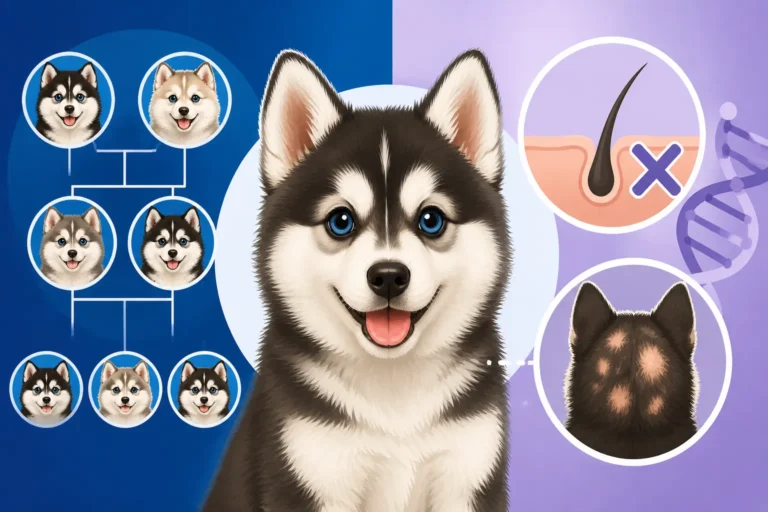
Hybrid vigor, also known as heterosis, refers to the increased strength, growth, fertility, and health of hybrid offspring compared to the purebred parents. The theory is that by mixing two genetically diverse breeds, you reduce the chances of inheriting recessive genes for specific diseases that might be more prevalent within a single purebred line due to limited gene pools. For example, if both parent breeds carry a specific recessive gene for a disease, their purebred offspring are more likely to inherit two copies of that gene and express the disease. A hybrid, however, is less likely to inherit two copies of the same problematic gene from distinct parent breeds. You can explore this further by reading Whether an F1 Pomsky Is Healthier Than an F2.
However, it's vital to remember that hybrid vigor doesn't make a dog immune to all genetic conditions. A Pomsky still inherits genes from both a Husky and a Pomeranian, meaning they are potentially susceptible to diseases found in either parent breed. This leads to a unique challenge, as a Pomsky can inherit The Two Opposite Disease Lists a Pomsky Inherits. Responsible breeding practices, including thorough health testing of both parent dogs, are crucial to minimize the risk of passing on inherited conditions.
Breed-Specific Genetic Predispositions
Both Pomeranians and Huskies have their own sets of genetic predispositions. Pomeranians, despite their long lives, can be prone to certain conditions. These often include patellar luxation (slipping kneecaps), dental issues due to their small mouths, tracheal collapse, and occasionally heart conditions. A Pomsky can certainly inherit Slipping Kneecaps in a Pomsky or The Collapsing Trachea a Pomsky Gets From the Pomeranian from their Pomeranian side.
Siberian Huskies are known for conditions such as hip and elbow dysplasia, certain eye conditions like juvenile cataracts, and occasionally skin issues like zinc responsive dermatosis. So, a Pomsky could inherit Hip Dysplasia in a Twenty Pound Pomsky or The Eyes a Pomsky Gets From the Husky from their Husky parent. The hope with hybrid vigor is that a Pomsky might inherit fewer of these conditions than a purebred, but it doesn't eliminate the risk entirely. Therefore, understanding the health history of both parent lines is critical when choosing a Pomsky puppy from a breeder.
Common Health Concerns Affecting Longevity
Understanding the specific health challenges that both Pomeranians and Pomskies might face can empower you to provide the best preventative care and early intervention, which are key to maximizing their lifespan. It's not about being alarmist, but about being realistic and proactive.
Pomeranian Health Challenges
Pomeranians, while generally hardy, do have a few common health issues that owners should be aware of. One of the most common is patellar luxation, where the kneecap slips out of place. This can range from mild to severe and may require surgery in serious cases. Another significant concern is tracheal collapse, often manifesting as a "honking" cough, especially when excited or pulling on a collar. Using a harness instead of a collar can often help manage this condition and is something Pomsky owners should also consider, as addressed in Why a Pomsky Should Wear a Harness.
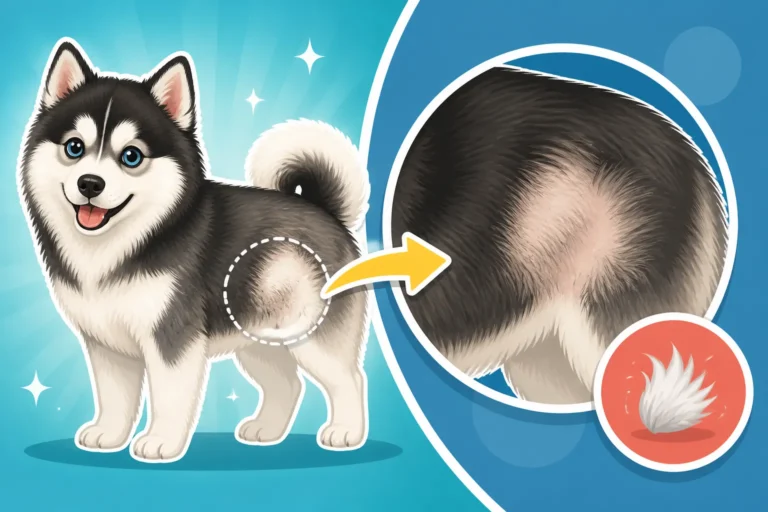
Dental disease is also rampant in small breeds like Pomeranians due to their crowded mouths. Regular dental care, including brushing and professional cleanings, is paramount to prevent infections and tooth loss, which can impact overall health. This concern definitely carries over to Pomskies, as Dental Crowding in a Pomsky's Small Mouth is a common issue. Other less common but serious conditions include heart disease and alopecia X (black skin disease), which can affect a Pomsky's coat as well.
Pomsky Health Challenges
Because Pomskies are a mix, they can inherit any predispositions from either the Pomeranian or the Siberian Husky. This means they could be prone to patellar luxation and tracheal collapse from the Pomeranian side, and hip dysplasia or certain eye conditions (like progressive retinal atrophy) from the Husky side. Regular vet visits are essential to catch any signs of these conditions early. Many owners opt for pet insurance, such as through providers like Healthy Paws, to help manage potential costs associated with these health issues.
Beyond specific inherited conditions, a Pomsky's double coat, inherited from both parents, requires meticulous care. If not properly maintained, especially during seasonal "blowouts," it can lead to skin issues or hot spots. Obesity is another factor that can significantly shorten a dog's life, exacerbating joint problems and increasing the risk of other diseases. Ensuring your Pomsky maintains a healthy weight is vital.
| Breed | Average Lifespan | Common Health Concerns (Examples) |
|---|---|---|
| Pomeranian | 12-16 years | Patellar Luxation, Tracheal Collapse, Dental Disease, Alopecia X, Heart Disease |
| Siberian Husky | 12-14 years | Hip Dysplasia, Eye Conditions (Cataracts, PRA), Zinc Responsive Dermatosis |
| Pomsky | 12-15 years | Patellar Luxation, Tracheal Collapse, Dental Disease, Hip Dysplasia, Eye Issues |
Proactive Care for a Long, Healthy Life
Ultimately, the best way to ensure your Pomsky lives a long, full, and happy life, potentially even outliving some Pomeranians, is through consistent, high-quality proactive care. This involves a commitment to their physical, mental, and emotional well-being throughout every stage of their life.
Essential Preventative Healthcare
Regular veterinary check-ups are the cornerstone of preventative care. Annual visits allow your vet to monitor your Pomsky's overall health, perform necessary screenings, and catch any potential issues before they become serious. This is especially important for conditions like dental disease, which can often go unnoticed until it's advanced. Discussions with your vet about The Screening a Pomsky Should Have Yearly are vital as they age.
Vaccinations, parasite prevention (fleas, ticks, heartworm), and maintaining a healthy weight through a balanced diet and regular exercise are non-negotiable. Don't forget the importance of dental hygiene at home; brushing your Pomsky's teeth regularly can make a huge difference in preventing costly and painful dental procedures down the line. Investing in comprehensive pet insurance, like a policy from Healthy Paws, early in your Pomsky's life can also provide a financial safety net for unexpected health concerns, allowing you to focus on their care without undue stress.
Nutrition and Exercise for Longevity
Feeding your Pomsky a high-quality diet appropriate for their age, size, and activity level is paramount. Overfeeding can lead to obesity, which dramatically shortens a dog's lifespan and predisposes them to numerous health problems, including diabetes, joint issues, and heart disease. If you have an older Pomsky, you might need to adjust their diet; consider reading Feeding an Old Pomsky for specific guidance. Huskies, and by extension many Pomskies, can be notoriously picky eaters, so finding a food they love while still being nutritious is key.
Consistent, appropriate exercise is equally important. Pomskies are energetic dogs that need daily activity to stay physically fit and mentally stimulated. While they might be smaller than a Husky, they still carry a lot of that Husky energy and need for activity. Regular walks, playtime, and mental enrichment activities will keep their bodies strong and their minds sharp. For older dogs, exercise might need to be modified, but it remains essential; learn more about Exercise for an Old Pomsky to keep them moving comfortably. A well-exercised dog is generally a happier and healthier dog.
The Role of Responsible Breeding
While you can control your Pomsky's environment and care, a significant part of their potential lifespan is determined before they even come home. Choosing a reputable breeder who performs extensive health testing on their breeding dogs is incredibly important. A responsible breeder will screen for conditions common to both Huskies and Pomeranians, such as patellar luxation, hip dysplasia, and eye diseases. They should be transparent about the health history of the parents and provide health clearances. While hybrid vigor offers some advantages, it's not a substitute for ethical breeding practices. Understanding Whether an Untested Pomsky Litter Is Worth Buying can help you make an informed decision. These initial steps greatly increase the likelihood that your Pomsky starts life with the best possible genetic foundation for a long and healthy existence.
Disclaimer
This article provides general information and is not a substitute for professional veterinary advice. Always consult with a qualified veterinarian for any health concerns or before making decisions about your Pomsky's care.