Whether a Pomsky Needs Its Anal Glands Done
It’s an unspoken truth of dog ownership that sometimes, our furry friends come with some rather… unglamorous bodily functions and maintenance needs. One such topic that often makes new Pomsky parents scratch their heads, and sometimes their noses, is the mysterious world of anal glands. This guide is here to shed light on whether your charming Pomsky needs their anal glands expressed and how to handle this sometimes tricky but essential aspect of their health.
Understanding Your Pomsky's Anal Glands
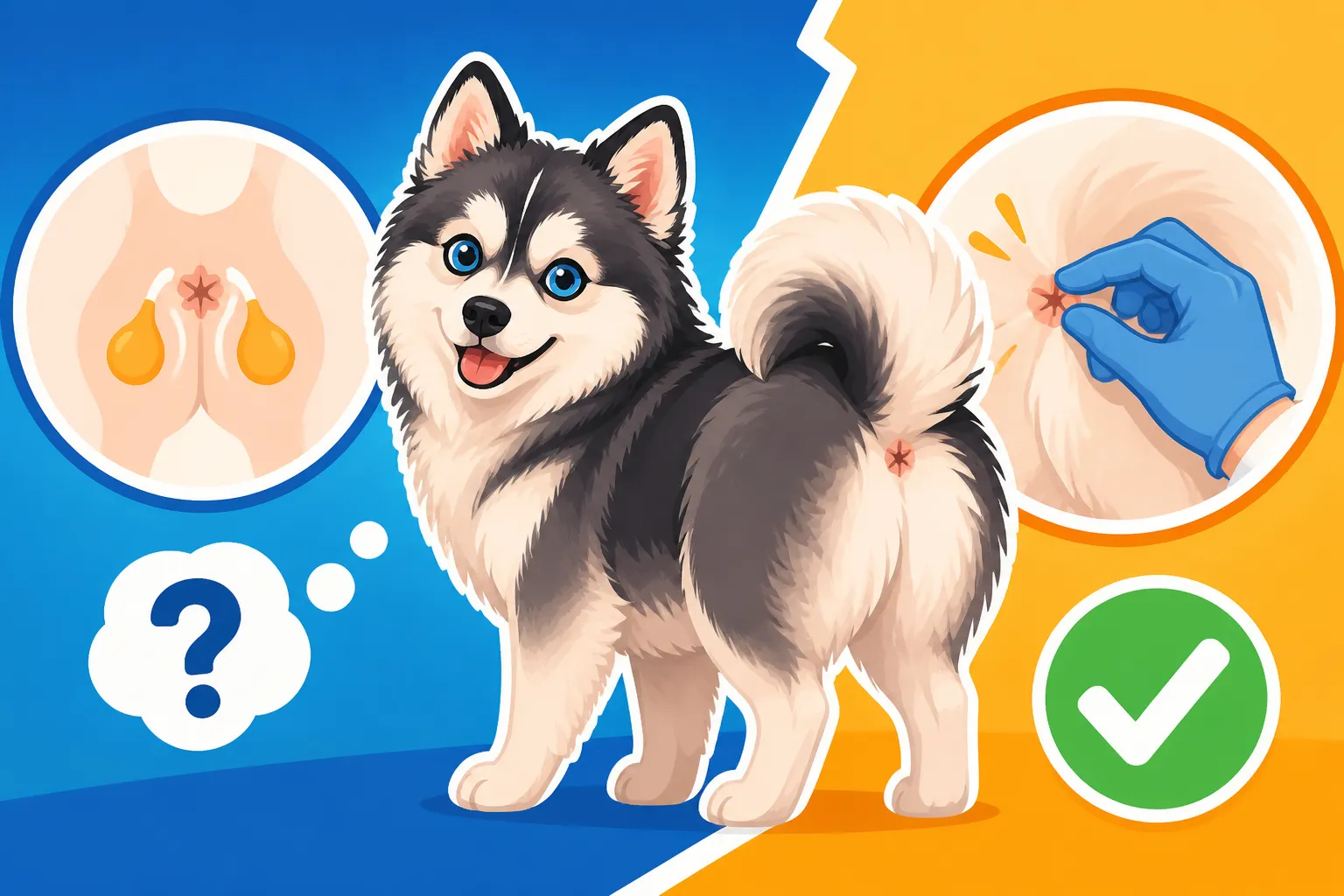
First things first, let's talk about what these glands actually are. Every dog, including your beloved Pomsky, has two small sacs, about the size of a pea to a marble, located just inside the rectum, on either side of the anus. These aren't just decorative; they're scent glands, a leftover from their wild ancestors. Think of them as tiny, highly concentrated biological calling cards. When a dog poops, especially when the stool is firm, these glands are naturally expressed, releasing a unique, musky odor that tells other dogs a lot about who was just there. It's their way of leaving a "signature."
For most dogs, this process happens completely naturally, without any intervention. You'll never even know they're there. However, due to a combination of genetics, diet, and lifestyle, some dogs, particularly smaller breeds or those with certain anatomical quirks, might not empty their anal glands efficiently. This is where the trouble begins. Your Pomsky, being a mix of a Husky and a Pomeranian, carries traits from both. While Huskies are generally larger and might have fewer issues, the Pomeranian side is often predisposed to anal gland problems due to their smaller size and sometimes less robust bowel movements. It’s one of those things that can feel really frustrating as an owner because it’s not always obvious until your dog is clearly uncomfortable.
Why Anal Glands Become a Problem for Pomskies
When these glands don't empty properly, the fluid inside them, which is normally thin and oily, can thicken and become paste-like, leading to impaction. Imagine trying to squeeze toothpaste out of a tube when it's solidified – it's just not going to happen easily. This impaction is uncomfortable, and if left untreated, it can lead to infection, abscesses, and even rupture, which is incredibly painful and a serious veterinary emergency.
Several factors can contribute to a Pomsky having anal gland issues:
- Genetics and Anatomy: As mentioned, smaller dogs like Pomeranians are more commonly affected. This predisposition can be passed down to your Pomsky. Some dogs simply have glands that are positioned in a way that makes natural expression difficult.
- Stool Consistency: This is a big one. The primary mechanism for emptying these glands is the pressure exerted by firm stool passing through the rectum. If your Pomsky frequently has soft, loose, or inconsistent stools, there simply isn't enough pressure to do the job. This can be due to diet, food sensitivities, or even stress.
- Obesity: An overweight Pomsky might have excessive fat deposits around the anal area, which can make it harder for the glands to be expressed naturally. Keeping your Pomsky at a healthy weight is crucial for overall health, and this is yet another reason why. If you're wondering about managing their food intake, consider how their dietary needs might vary, as discussed in What Kibble Costs for a Pomsky.
- Allergies or Skin Issues: Sometimes, dogs with skin allergies or other dermatological problems might obsessively lick or chew at their rear end, which can irritate the anal glands and contribute to issues. It's often hard to tell if the licking is because of the anal glands or if it's contributing to the problem. Learning about Whether a Pomsky Gets Allergies can give you more insight into related skin irritations.
It's important to remember that not every Pomsky will have these problems, but for those who do, it can become a recurring concern that needs consistent management.
Recognizing the Signs Your Pomsky Needs Anal Gland Attention
This is where your keen observation skills come in! Your Pomsky can’t tell you in words that their bum is bothering them, but they’ll certainly communicate it in other ways. Being aware of these signs can help you catch an issue early before it becomes more severe.
The Classic Scoot
This is probably the most well-known sign, and for good reason. Your Pomsky dragging their bottom across your carpet, the grass, or any surface they can find is a desperate attempt to relieve the pressure and discomfort of full or impacted anal glands. While it’s tempting to laugh, it’s a clear cry for help. It's like having an itch you just can't reach, and they're trying to scrape it away.
- Real-Life Scenario: You're relaxing on the couch, and your usually regal Pomsky suddenly drops into a low crouch and starts scooting across your pristine living room rug. It's not just a cute quirk; it's a sign they're trying to express those glands themselves. This can happen periodically, sometimes after a bowel movement that wasn't quite firm enough.
Excessive Licking, Chewing, or Biting at the Rear
If your Pomsky seems unusually preoccupied with their backside, constantly licking or chewing at the area around their anus, it’s a strong indicator of discomfort. This can be subtle at first, just a few extra licks, but it can escalate into frantic, persistent attention. This can also lead to secondary skin irritations, making the problem worse.
- Real-Life Scenario: You notice your Pomsky tucked in a corner, intently focused on their tail base or perineum, licking for extended periods. When you call them, they might look up momentarily but quickly return to their task. This kind of persistent self-grooming beyond normal cleanliness is a red flag.
Strong, Unpleasant Odor
If you suddenly catch a whiff of something distinctly "fishy" or metallic in the air around your Pomsky, especially after they stand up or move around, it's very likely anal gland fluid. When glands are full or leaking, this strong odor becomes noticeable. It’s not just a regular dog smell; it’s pungent and distinct.
- Real-Life Scenario: Your Pomsky jumps onto your lap for a cuddle, and you're hit with an overwhelming, frankly disgusting, smell that reminds you of rotten fish or a really metallic scent. It can permeate bedding and furniture, a clear indicator that something isn't right back there.
Straining or Discomfort During Defecation
A Pomsky with anal gland issues might show signs of pain or difficulty when trying to have a bowel movement. They might strain excessively, cry out, or even avoid pooping altogether because it hurts. This can sometimes be mistaken for constipation, but the underlying cause is different.
- Real-Life Scenario: You take your Pomsky out for their usual walk, and they squat to defecate but then stand up and resquat multiple times, looking uncomfortable or even yelping softly. They might produce a small amount of stool or none at all, despite the obvious effort.
Swelling or Redness Around the Anus
In more severe cases, or if impaction leads to infection and abscess, you might actually see visible swelling, redness, or even a draining wound near your Pomsky's anus. This is a critical situation and requires immediate veterinary attention. An abscess can be extremely painful and dangerous if it ruptures internally.
- Real-Life Scenario: While doing a routine check or grooming your Pomsky, especially if they have The Pomsky That Carries a Husky Coat at Twenty Pounds, you might notice a distinct bump or area of inflammation on one or both sides of the anus. It might be red, warm to the touch, and your dog will likely resist you touching it due to pain. If it’s draining pus or blood, get to the vet immediately.
These signs are your Pomsky's way of telling you they're in distress. Never ignore them.
The Process of Anal Gland Expression for Your Pomsky
Once you suspect an issue, the next step is addressing it. There are generally two routes for anal gland expression: a professional (veterinarian or groomer) or, in very rare circumstances, attempting it yourself. We highly, highly recommend the former.
Professional Expression: The Safest Bet
Taking your Pomsky to the vet for anal gland expression is always the recommended approach. They are trained professionals who understand the anatomy, proper technique, and hygiene required.
- What to Expect at the Vet: Your veterinarian or a trained veterinary technician will don gloves and use a lubricated finger, often internally (though external expression is sometimes possible), to gently squeeze the glands. They know how much pressure to apply and can recognize if a gland is severely impacted, infected, or if there's an abscess forming. They can also check the color and consistency of the fluid, which provides clues about your Pomsky's anal gland health.
- Internal Expression: This is usually more thorough and effective. The vet inserts a gloved finger into the rectum and uses the thumb on the outside to gently milk the gland.
- External Expression: Some groomers or owners attempt this, pressing on either side of the anus from the outside. While sometimes effective for mildly full glands, it's often not as complete and can be harder to do correctly without causing discomfort or damage.
- Why a Vet is Best:
- Accuracy: They ensure both glands are fully emptied, not just partially.
- Early Detection of Issues: Vets can spot early signs of infection, inflammation, or tumors. They can prescribe antibiotics if needed.
- Reduced Risk of Injury: Incorrect technique can damage the glands, leading to scar tissue and chronic problems.
- Hygiene: It's a messy business, and vets have the facilities and procedures to handle it cleanly.
- Cost and Frequency: A vet visit for anal gland expression is usually a relatively inexpensive procedure, often around $20-$50, and sometimes included in a routine check-up. The frequency varies wildly. Some Pomskies never need it, others might need it every few months, and a small percentage require it monthly. Your vet will help determine the right schedule for your dog. Remember, if recurring issues lead to bigger problems, having pet insurance like Healthy Paws can be a lifesaver for unexpected vet bills. It’s one of those things you don't think about until you need it, but knowing about Insuring a Pomsky Against Two Parent Breeds can help you plan.
Groomer Expression: A Cautionary Note
Some professional groomers offer external anal gland expression. While convenient, it’s crucial to understand their limitations. Groomers are not medically trained. They can only perform external expression, which may not fully empty the glands, especially if they are impacted. If they suspect infection or a more serious issue, they should refer you to a vet. Relying solely on a groomer might delay proper diagnosis and treatment of underlying problems.
DIY Expression: Generally Not Recommended
While some experienced dog owners might attempt to express anal glands at home, it's generally not recommended for the average Pomsky parent, especially if you haven't been thoroughly trained by a vet.
- Risks:
- Incomplete Expression: You might only partially empty the glands, leaving your Pomsky still uncomfortable and increasing the risk of impaction.
- Injury: Applying too much pressure, or pressure in the wrong direction, can rupture the delicate glands or cause severe bruising and inflammation. This is incredibly painful for your dog.
- Infection: Without proper sterile technique, you could introduce bacteria, leading to a nasty infection.
- Pain and Trauma: It's an uncomfortable procedure, and doing it incorrectly can cause your Pomsky unnecessary pain and make them fearful of future handling around their rear end.
- Challenges with a Pomsky's Coat: A Pomsky, especially one with The Three Pomsky Coat Types, has a thick double coat, which can make it even harder to locate the glands and perform the procedure cleanly and effectively. It's already messy; adding long fur into the mix complicates things further.
- When might it be considered?: Only if your vet has specifically trained you on the proper, safe technique for your individual dog, and only if your dog has mild, easily expressed glands. Even then, regular vet checks are important to ensure no deeper issues are missed.
Preventative Measures and Long-Term Care for Pomsky Anal Glands
The best offense is a good defense, right? While some Pomskies will simply be prone to anal gland issues no matter what, there are several things you can do to support their natural function and reduce the frequency of veterinary interventions.
Diet: The Foundation of Firm Stool
A healthy diet leading to consistent, firm bowel movements is arguably the single most important preventative measure.
- High-Fiber Diet: Fiber adds bulk to the stool, which helps create the necessary pressure to express the anal glands naturally. Look for dog foods that list ingredients like pumpkin, beet pulp, or other digestible fibers. You can also add fiber supplements or natural sources to your Pomsky's diet.
- Natural Fiber Boosts: A spoonful of canned pumpkin (plain, not pie filling!), cooked sweet potato, or even a small amount of psyllium husk can be added to your Pomsky’s regular meals. Start small and increase gradually to avoid digestive upset.
- Avoid Food Sensitivities: If your Pomsky has chronic soft stools or diarrhea, it might be due to a food allergy or intolerance. Work with your vet to identify and eliminate these triggers. This could mean switching to a limited ingredient diet or a novel protein source.
- Hydration: Ensure your Pomsky has access to fresh water at all times. Proper hydration contributes to overall digestive health.
- Consistent Feeding Schedule: Regular meal times can help establish a predictable bowel movement schedule, which in turn supports natural anal gland emptying. This is part of the broader routine for What a Pomsky Needs Daily.
Regular Exercise and Healthy Weight Management
Active dogs often have better muscle tone, including the muscles around the rectum, which can aid in natural gland expression.
- Daily Activity: Ensure your Pomsky gets adequate daily exercise. This isn't just for their physical health and energy levels, but also plays a role in digestive regularity. The Exercise a Pomsky Needs Every Day is crucial for their overall well-being.
- Maintain a Healthy Weight: As discussed, obesity can exacerbate anal gland issues. Work with your vet to ensure your Pomsky maintains an ideal body condition score. This not only helps with anal glands but also reduces the risk of other health problems like Slipping Kneecaps in a Pomsky which can be common in smaller breeds. Keeping tabs on Keeping a Pomsky's Weight in Range is a vital part of responsible ownership.
Supplements and Probiotics
Some owners find success with certain supplements:
- Fiber Supplements: Specific fiber supplements formulated for dogs can be beneficial. Brands like Glandex (not a contextual brand, just an example) are popular.
- Probiotics: A healthy gut microbiome can contribute to firmer stools. Talk to your vet about whether a probiotic supplement might be beneficial for your Pomsky, especially if they have a history of digestive upset.
Regular Grooming and Vet Check-ups
Even if your Pomsky doesn't seem to have issues, incorporating anal gland checks into routine grooming and vet visits is a good idea.
- Grooming: If you groom your Pomsky at home, familiarize yourself with the area. While not expressing, you can keep the area clean and observe for any redness, swelling, or persistent licking. For those with a The Pomsky That Carries a Husky Coat at Twenty Pounds, regular brushing around the hindquarters can make it easier to spot issues.
- Annual Vet Visits: Your vet will usually check the anal glands during a routine physical exam. This is a great opportunity for them to identify potential issues before they become severe. Discussing any scooting or licking you've observed is always helpful. These regular check-ups are part of What a Pomsky's Vet Bills Look Like, and responsible owners understand their importance. For older Pomskies, these checks become even more important as part of Caring for a Pomsky Past Ten.
In conclusion, while not every Pomsky will need their anal glands expressed, it's a common enough issue that every owner should be aware of the signs and know how to address it. Prioritize your Pomsky's comfort and health by being vigilant and always consulting your veterinarian when in doubt.
Disclaimer
The information provided in this article is for general informational purposes only and is not a substitute for professional veterinary advice. Always consult with a qualified veterinarian for any health concerns or before making any decisions related to your pet's health and treatment.