Whether a Deshedding Bath Is Worth It for a Pomsky
If you're a Pomsky owner, you've probably experienced the phenomenon of "the great hair tumbleweed migration" across your floors, particularly during those dreaded seasonal coat blowouts. It’s enough to make you wonder if your vacuum cleaner is constantly on life support, and whether you'll ever wear a dark outfit again without it looking like a fuzzy blanket. This guide is dedicated to exploring the deshedding bath, a specialized grooming service often touted as the ultimate solution to managing your Pomsky's prolific shedding, and helping you decide if it’s truly worth the effort and expense for your furry companion.
Understanding Your Pomsky's Double Coat and Its Shedding Cycles
Before we dive into the specifics of deshedding baths, it’s crucial to understand why your Pomsky sheds so much in the first place. It’s not just to annoy you, I promise! It’s a natural, vital process tied directly to their unique double coat, a beautiful but demanding inheritance from their Siberian Husky and Pomeranian parents.
The Anatomy of a Pomsky's Double Coat
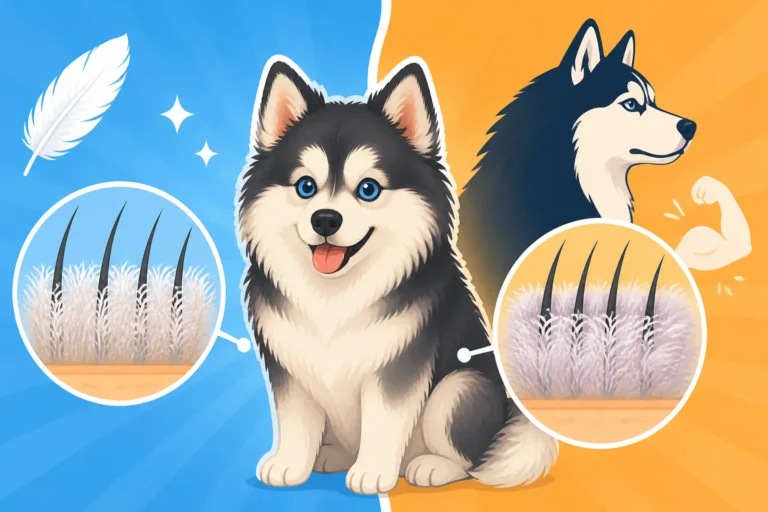
Imagine your Pomsky's fur as two distinct layers, each with its own purpose. The outer layer consists of what we call "guard hairs." These are the longer, coarser hairs that give your Pomsky their color and markings, and they’re designed to be water-resistant and protective against elements like sun, wind, and minor abrasions. They act like a natural raincoat and shield. Beneath this lies the soft, dense "undercoat." This is the fluffy, woolly layer that provides insulation, keeping your Pomsky warm in winter and surprisingly cool in summer by trapping air. This undercoat is what truly defines The Pomsky That Carries a Husky Coat at Twenty Pounds. It's thick, it's abundant, and it’s the primary culprit behind all those floating strands.
The sheer volume of this undercoat is impressive, especially considering your Pomsky's size. While a purebred Pomeranian has a double coat, and a Husky certainly does, the Pomsky combines aspects of both, often resulting in an incredibly plush and dense insulation layer that sheds profusely. Understanding this dual-layer structure is the first step in understanding why managing their shedding requires specialized attention beyond a simple brush.
The Rationale Behind Seasonal "Blowouts"
Pomskies, much like their Husky ancestors, are masters of seasonal shedding, commonly referred to as "blowing their coat." This isn't just a casual shed; it's a strategic, natural process where they rapidly shed large amounts of their undercoat in preparation for a new season. Whether a Pomsky Blows Its Coat Twice a Year is a common question, and the answer is usually a resounding yes, typically in spring to lighten up for warmer weather, and in fall to make way for a thicker winter coat.
During a blowout, the undercoat detaches from the skin in clumps, making your Pomsky look like they’re disintegrating into a pile of fluff. It’s truly remarkable how much hair can come off a relatively small dog! This process can last for several weeks, sometimes even a couple of months, and during this time, daily brushing just seems to barely scratch the surface of the problem. It’s during these periods that many Pomsky owners feel utterly overwhelmed and start looking for more intensive solutions to manage the deluge of fur.
Year-Round Shedding: A Daily Reality
While the seasonal blowouts are the most dramatic shedding events, it's important to be realistic: your Pomsky isn't just a seasonal shedder. They shed year-round. Whether a Pomsky Sheds All Year as Well is a given; it's just that the intensity varies. Even outside of their major blowouts, you'll still find hair on your furniture, clothes, and floating around the house.
This consistent shedding is simply part of living with a double-coated breed. Factors like indoor heating and air conditioning can also disrupt their natural shedding cycles, leading to a more continuous, albeit lighter, shed throughout the year. It means that while deshedding baths are fantastic for tackling those big seasonal events, maintaining a proactive grooming routine all the time is key to keeping the fur under control and preventing mats, especially with coat types that can be prone to tangling.
What Exactly Is a Deshedding Bath?
So, you're drowning in Pomsky floof and wondering if a deshedding bath is your salvation. But what is it, exactly? It’s not just a fancy scrub; it's a multi-step grooming process specifically designed to loosen and remove as much dead and loose undercoat as possible from your dog's double coat, aiming to significantly reduce shedding for several weeks afterward.
The Specialized Products and Tools Involved
A deshedding bath relies heavily on specialized products and tools that you might not typically use for a regular wash at home. First, the shampoos and conditioners are formulated to penetrate the dense undercoat and help release dead hairs from the follicles. These aren't just any old dog shampoo; they often contain ingredients designed to loosen the hair shaft and condition the skin, making the subsequent brushing and blowing more effective. You can find some excellent deshedding shampoos and conditioners on platforms like Chewy or Amazon, but always ensure they are specifically for double-coated breeds and free from harsh chemicals that could irritate your Pomsky's sensitive skin. Shampoos That Suit a Pomsky's Double Coat are crucial here.
Beyond the liquids, the tools are paramount. High-velocity dryers are a non-negotiable component. These powerful dryers literally blast water and loose hair out of the coat without using heat, which is vital for preventing skin burns and quickly drying the dense undercoat. You’ll also see professional groomers use specialized brushes and combs, such as undercoat rakes and slicker brushes, designed to gently pull out dead hair without damaging the healthy guard hairs. The Undercoat Rake a Pomsky Owner Lives With is a staple, but a professional will have an array of options for different coat densities and lengths.
The Multi-Step Process of a Professional Deshedding Service
When you take your Pomsky for a professional deshedding bath, it’s not a quick in-and-out affair. It’s a meticulous, multi-step process:
- Pre-brushing/Demating: The groomer usually starts with a thorough pre-brushing to remove any large mats or tangles. If the coat is heavily matted, a deshedding bath might not even be possible, or could require extra dematting charges, as water can tighten mats further.
- Specialized Bathing: Your Pomsky will be bathed with a deshedding shampoo, ensuring it penetrates deeply into the undercoat. This is often followed by a deshedding conditioner, which helps further loosen the dead hair and hydrate the skin. The groomer will massage the products thoroughly to activate their shedding-reducing properties.
- Rinsing and Blowing: After a complete rinse, the magic truly begins. The high-velocity dryer is used to force out water and copious amounts of loose undercoat. This step is incredibly effective and often quite dramatic, as you'll see clouds of fur flying off your dog. It's not just about drying; it's about physically removing the dead hair.
- Thorough Brushing and Combing: Once the coat is fully dry (and Drying a Pomsky to the Skin is essential to prevent skin issues), the groomer will use various brushes and combs, like an undercoat rake and a slicker brush, to remove any remaining loose hairs. This step polishes the job, ensuring the coat is smooth, tangle-free, and as free of dead hair as possible.
- Finishing Touches: Depending on the service, this might include nail trims, ear cleaning, and a spritz of coat spray to leave your Pomsky looking and smelling fresh.
This systematic approach is why professional deshedding baths can be so effective; it's about more than just washing.
The Science Behind Removing Loose Undercoat
The effectiveness of a deshedding bath isn't just anecdotal; there's a sound scientific principle at play. During their natural shedding cycle, the dead undercoat hairs are still somewhat anchored in the hair follicles. They’re no longer growing, but they haven't quite fallen out. Over time, these dead hairs can accumulate, creating a thick, insulated layer that contributes to shedding, matting, and can even hinder air circulation to the skin, potentially leading to skin irritation or hot spots. Hot Spots Under a Pomsky's Undercoat are a real concern.
The specialized shampoos, conditioners, and the mechanical action of the high-velocity dryer and brushing work together to dislodge these dead hairs from their follicles. The emollients in the products help lubricate the hair, making it easier for the high-pressure air and brushes to pull them free without causing discomfort to your dog. By removing this dense layer of dead hair, you’re not only reducing the amount of fur shed around your home but also improving air circulation to the skin, which can contribute to overall skin and coat health. It essentially gives your Pomsky's coat a reset, allowing new, healthy hair to grow in without the obstruction of old, dead fur.
The Benefits and Drawbacks of Deshedding Baths for Pomskies
As wonderful as the idea of reducing dog hair sounds, deshedding baths, like anything, come with their own set of pros and cons. It’s important to weigh these carefully when deciding if this service is truly "worth it" for your Pomsky and your lifestyle.
Pros: Managing Hair, Skin Health, and Your Sanity
Let's be honest, the biggest "pro" for most Pomsky owners is the significant reduction in shedding. A well-executed deshedding bath can drastically cut down on the amount of fur floating around your house for several weeks, especially after a major blowout. Imagine fewer hair tumbleweeds, less fur on your clothes, and potentially a bit less vacuuming. For many, this alone is a huge relief and a massive boost to household cleanliness and personal sanity.
Beyond just aesthetics, deshedding baths offer genuine health benefits for your Pomsky. By removing the dense, dead undercoat, you improve air circulation to their skin. This can help prevent skin irritation, dandruff, and those dreaded hot spots that can flare up when moisture or irritants get trapped in a thick, unventilated coat. It also allows your Pomsky’s natural skin oils to distribute more evenly, leading to a healthier, shinier coat overall. A clean, well-maintained coat is often a healthier coat. Furthermore, regular professional grooming sessions can help prevent painful matting, which can pull at the skin and cause discomfort, especially in areas like behind the ears or under the legs. For those with wooly-coated Pomskies, this is particularly important, as The Wooly Pomsky Coat and Its Upkeep can be a significant challenge.
Cons: Cost, Stress, and Potential Coat Damage if Done Incorrectly
Now for the downsides, and these are important considerations. The most immediate concern for many owners is the cost. Professional deshedding baths are a specialized service, requiring specific products, equipment, and a groomer's time and expertise. They are generally more expensive than a basic bath and tidy. What a Deshedding Treatment Costs on a Pomsky can vary widely based on location, the groomer’s experience, and the size and coat condition of your Pomsky. It’s definitely an investment, and if you’re doing it regularly during shedding seasons, those costs can add up.
Another significant drawback, especially for sensitive or anxious Pomskies, is the potential for stress. The process involves extended bathing, intense drying with powerful (and noisy) dryers, and a lot of handling. If your Pomsky isn't accustomed to professional grooming or is naturally prone to anxiety, this can be a very stressful experience. Some dogs tolerate it beautifully, but for others, it can be overwhelming, potentially leading to negative associations with grooming.
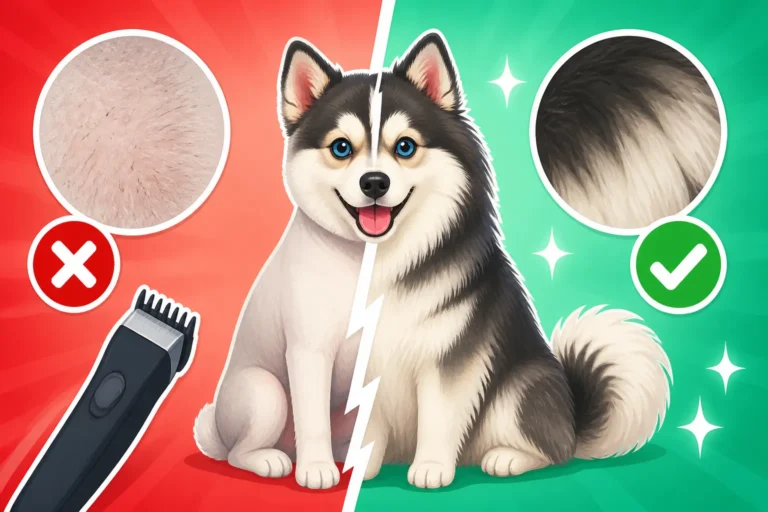
Finally, and critically, there’s the risk of coat damage if the deshedding bath isn't performed correctly. Over-brushing with harsh tools, using incorrect techniques, or not properly drying the coat can damage the guard hairs, strip essential oils, or even irritate the skin. This is why choosing a reputable, experienced groomer who understands double coats is paramount. Never, ever allow anyone to shave a double-coated dog like a Pomsky for shedding reduction, as Whether Shaving a Pomsky Damages the Coat is a definite concern and can lead to irreversible coat damage and skin issues.
Comparing Professional vs. DIY Deshedding Baths
When considering a deshedding bath, you essentially have two routes: professional grooming or attempting it at home. Both have their merits and challenges.
| Feature | Professional Deshedding Bath | DIY Deshedding Bath (at Home) |
|---|---|---|
| Effectiveness | High, thanks to specialized tools, products, and expertise. | Moderate to high, depending on owner's skill and equipment. |
| Cost | Higher upfront cost per session. | Lower per session, but initial investment in tools can be significant. |
| Time/Effort | Minimal for owner (drop off/pick up). | Substantial time and physical effort required. |
| Equipment | Access to professional-grade high-velocity dryers, tubs, tools. | Requires purchasing suitable shampoo, conditioner, brushes, and ideally, a force dryer. |
| Dog's Comfort | May be stressful if not used to groomers; skilled groomers minimize stress. | Can be more comfortable if dog is relaxed at home; owner's technique is key. |
| Risk of Damage | Low with reputable groomer; high with inexperienced or poor groomer. | Moderate, especially without proper tools or technique. |
| Cleanup | None for owner (groomer handles all the mess). | Significant cleanup of hair and water at home. |
| Frequency | Recommended every 4-8 weeks during shedding season, or as needed. | Can be done more frequently if owner has time and stamina. |
A professional groomer has the experience, tools, and dedicated space to do the job thoroughly and efficiently, often minimizing stress for your dog with proper handling techniques. They also handle all the hairy, wet mess! However, the cost is a recurring factor.
Doing it yourself can save money in the long run, if you invest in the right equipment (like a quality force dryer, which Whether a Force Dryer Is Essential for a Pomsky highlights as crucial) and educate yourself on proper techniques. You can purchase deshedding shampoos and conditioners from pet supply stores like Chewy or Amazon. However, it’s a time-consuming and labor-intensive process, and you’ll be responsible for all the cleanup. Moreover, without the proper technique, you might not achieve the same level of effectiveness, and there's a higher risk of irritating your dog's skin or damaging their coat. For many, the sheer volume of hair to deal with at home during a blowout makes the professional option seem incredibly appealing.
Performing a Deshedding Bath at Home: A Step-by-Step Guide
If you've weighed the pros and cons and decided to tackle a deshedding bath at home, know that it's an ambitious but achievable undertaking. It requires patience, the right tools, and a good understanding of your Pomsky's coat.
Gathering Your Supplies
Preparation is key to a successful at-home deshedding bath. Rushing will only lead to a messier, more stressful experience for both you and your Pomsky. Here’s what you’ll need:
- Deshedding Shampoo and Conditioner: Look for products specifically designed for double coats. Brands like Furminator, TropiClean, or other reputable grooming brands often have excellent deshedding lines available on Chewy or at your local pet store.
- Undercoat Rake and Slicker Brush: These are non-negotiable for effectively loosening and removing dead hair. The Undercoat Rake a Pomsky Owner Lives With is particularly useful.
- High-Velocity Force Dryer: This is arguably the most important tool. A standard human hairdryer won't cut it, as it lacks the power to penetrate the dense undercoat and will take far too long, risking overheating your dog. You can find surprisingly affordable force dryers on Amazon that are powerful enough for home use.
- Plenty of Towels: You will use more than you think. Microfiber towels are excellent for absorption.
- Non-slip Mat for the Tub/Shower: To keep your Pomsky safe and steady.
- Treats: Lots of high-value treats to make the experience positive!
- Old Clothes/Apron: You will get wet and hairy. Embrace it.
Make sure everything is within arm's reach before you even get your Pomsky wet. This minimizes fumbling and keeps the process moving smoothly.
The Bathing Process for Maximum Undercoat Release
Once your supplies are ready, it's time to get started. The goal here is to saturate the coat completely and allow the deshedding products to work their magic.
- Pre-brushing: Before any water touches your Pomsky, give them a thorough brush with your undercoat rake and slicker brush. This removes any superficial tangles and loose hair, making the shampoo more effective. If you encounter any mats, try to gently work them out. Water will only make mats tighter and harder to remove.
- Wet Thoroughly: Get your Pomsky completely wet, working the water down to the skin. This can take longer than you think with a double coat. Use a showerhead or a spray nozzle if possible for better penetration.
- Apply Deshedding Shampoo: Lather up generously with the deshedding shampoo, ensuring it reaches the skin. Massage it in thoroughly, paying extra attention to dense areas like the ruff, hindquarters, and tail. Let it sit for the recommended time (usually 5-10 minutes) to allow the ingredients to penetrate and loosen the undercoat. Use this time for gentle massage and praise.
- Rinse, Rinse, Rinse: This is crucial. Rinse until you're absolutely sure all shampoo residue is gone. Any leftover shampoo can irritate the skin. You should feel the coat squeaky clean.
- Apply Deshedding Conditioner: Work the deshedding conditioner into the coat, again ensuring it reaches the skin. This helps further loosen the undercoat and moisturizes the skin and fur. Let it sit for the recommended time.
- Final Rinse: Rinse the conditioner out completely. This might take even longer than rinsing the shampoo, but it's vital for skin health.
Throughout the bathing process, keep talking to your Pomsky in a calm, reassuring voice. Offer treats if they're particularly stressed, making it as positive an experience as possible.
The Crucial Role of Thorough Drying
This is where many at-home deshedding baths fall short, and it's perhaps the most critical step for a double-coated breed. If your Pomsky's undercoat isn't dried completely and quickly, it can lead to serious skin issues.
- Towel Dry: After rinsing, gently squeeze excess water from the coat and wrap your Pomsky in a few absorbent towels. Blot, don't rub vigorously, as rubbing can cause tangles.
- Force Dry: This is the heavy-lifting part. Position your force dryer a safe distance from your Pomsky (never aim directly into their ears or eyes). Start on a low setting and gradually increase power as your dog tolerates it. Use your free hand to lift and separate sections of the coat, allowing the air to penetrate down to the skin. You will see an incredible amount of loose hair flying off – this is exactly what you want! Work systematically over your entire Pomsky's body, section by section. The goal is to get Drying a Pomsky to the Skin, which might take a surprisingly long time. Be especially diligent in areas like the armpits, groin, and behind the ears, where moisture can easily get trapped.
- Brush While Drying: As you dry, use your undercoat rake or slicker brush to further pull out loose hair. The combination of the force dryer's blast and the brush will be incredibly effective.
- Final Brush: Once your Pomsky is completely dry – and I mean bone dry, check everywhere – give them one last thorough brushing to ensure all released undercoat is removed. You should have a significant pile of fur at this point, and your Pomsky's coat should feel lighter and fluffier.
If you don't have a force dryer, and are relying on air drying or a less powerful dryer, be aware that it can take hours for a Pomsky's thick undercoat to dry completely. A damp undercoat creates a perfect breeding ground for bacteria and yeast, potentially leading to skin infections, itching, and foul odors. This is a common pitfall of at-home grooming, underscoring why the force dryer is so essential for a double-coated breed like a Pomsky.
Complementary Grooming Practices for Optimal Pomsky Coat Health
While deshedding baths are a powerful tool, they are just one component of a holistic grooming strategy for your Pomsky. To truly keep the shedding under control and ensure your Pomsky's coat and skin remain healthy, you need to implement consistent daily and weekly practices, alongside considering their overall diet and environment.
Regular Brushing: Your First Line of Defense
Even with deshedding baths, regular brushing remains absolutely critical. Think of it as your daily maintenance routine, preventing the massive buildup of dead undercoat that makes blowouts so challenging. Aim for at least 15-20 minutes of thorough brushing several times a week, and daily during seasonal shedding periods.
Invest in high-quality tools like an undercoat rake and a slicker brush, as we've discussed. The technique matters: brush in sections, ensuring you're getting down to the skin without scratching it. Many Pomsky owners make the mistake of only brushing the top layer, leaving the dense undercoat beneath to mat and accumulate. Consistent brushing not only removes loose hair but also helps distribute natural oils, keeping the coat shiny and healthy. It's also a fantastic bonding experience for you and your dog, provided you introduce it positively from a young age. Teaching a Pomsky to Be Brushed is a valuable skill that pays dividends in their comfort and your grooming success.
The Importance of Diet and Supplements
What goes into your Pomsky's body is just as important as what happens on the outside when it comes to coat health. A high-quality diet provides the essential nutrients needed for healthy skin and a strong, lustrous coat. Look for dog foods with real meat as the first ingredient and a good balance of omega-3 and omega-6 fatty acids. These fatty acids are crucial for skin barrier function and coat quality, reducing dryness and excessive shedding that can be related to poor nutrition.
Some Pomsky owners also find success with supplements. Fish oil, rich in omega-3s (EPA and DHA), can significantly improve coat health and reduce shedding for many dogs. Zinc supplements are another consideration, especially if your Pomsky shows signs of zinc-responsive dermatosis, an inherited condition common in some northern breeds and their mixes. You can explore options from reputable brands like Ollie or Chewy, but always consult with your veterinarian before adding any supplements to your Pomsky’s diet. They can help you determine the appropriate dosage and ensure there are no contraindications with any existing health conditions or medications.
Maintaining a Healthy Environment
Your Pomsky's living environment also plays a role in their coat health and shedding. While you can't control everything, there are a few things you can do to support a healthy coat:
- Humidity Control: Extremely dry indoor air can contribute to dry skin and increased shedding. A humidifier in your home, especially during winter months when heating systems dry out the air, can sometimes help.
- Regular Cleaning: Keeping your home clean of shed hair isn't just for aesthetics; it also helps prevent hair from becoming embedded in carpets and upholstery, making it easier to manage overall. Regular vacuuming (a robot vacuum can be a lifesaver for Pomsky owners!) and washing dog beds frequently can make a big difference.
- Protection from Elements: While Pomskies are built for cold weather, prolonged exposure to harsh sun can dry out their coat and skin. In extreme heat, ensure they have shade and access to fresh water. Conversely, in very cold, dry conditions, some dogs may benefit from a moisturizing spray or paw balm.
- Parasite Prevention: Fleas, ticks, and mites can cause intense itching, skin irritation, and excessive shedding due to discomfort and scratching. Keeping your Pomsky on a consistent, veterinarian-approved parasite prevention program is fundamental to coat and skin health.
By combining regular deshedding baths during peak shedding seasons with daily brushing, a high-quality diet, and mindful environmental management, you can effectively manage your Pomsky's magnificent coat, reduce the amount of fur in your home, and ensure your furry friend remains comfortable and healthy. It's a commitment, but one that is absolutely worth it for the joy these wonderful dogs bring into our lives.
Disclaimer
This article is for general informational purposes only and does not constitute professional advice. Laws, prices and regulations vary by location and change over time. Consult a qualified professional for guidance on your specific situation.