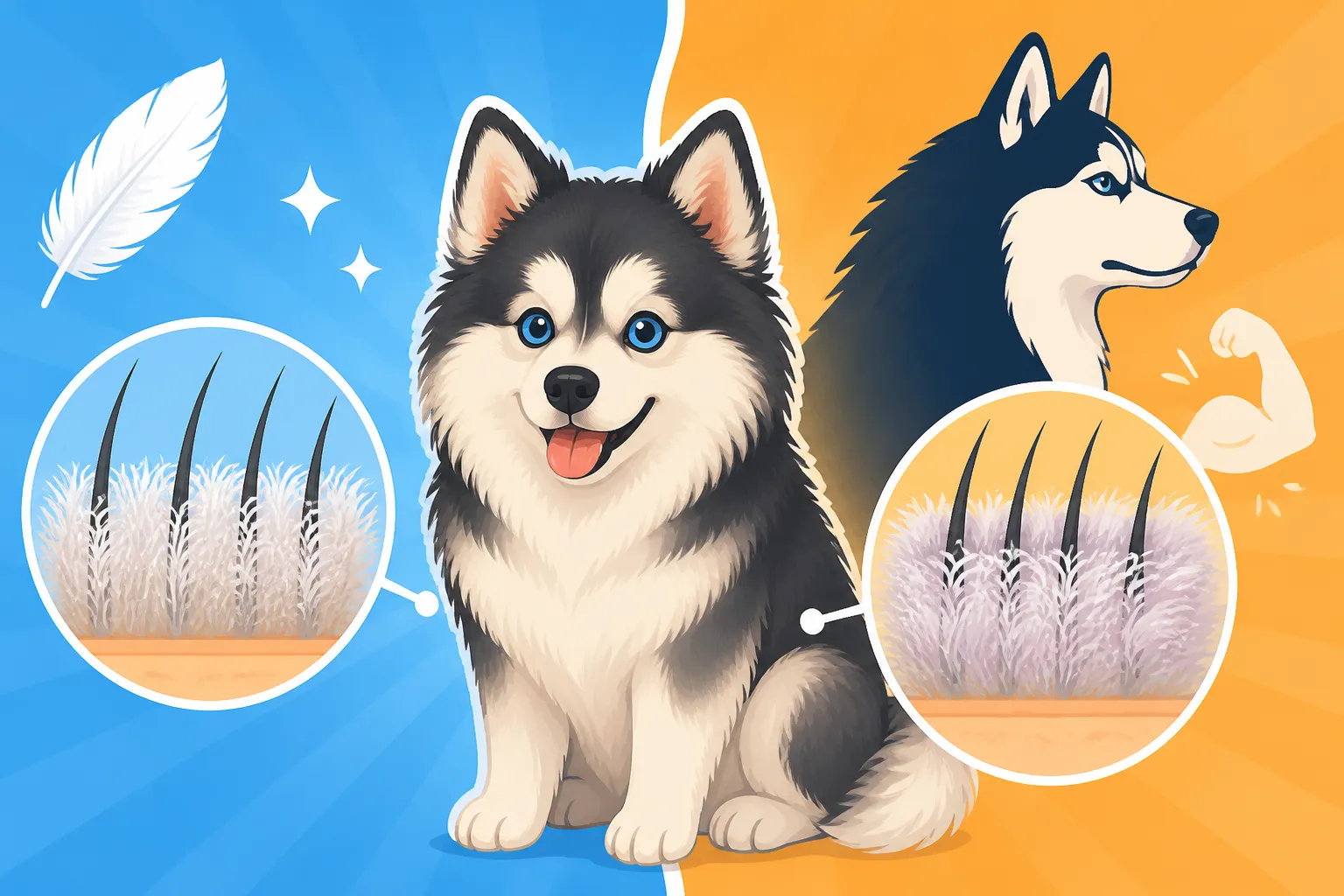
Whether a Pomsky’s Undercoat Is Husky Dense
One of the biggest surprises, and sometimes frustrations, for new Pomsky owners is the sheer volume of fur that seems to come off their adorable, fluffy companions. You might have seen stunning Huskies with their thick, insulating coats, and wondered if your Pomsky, with its miniature Husky appearance, inherited that same dense undercoat. It's a valid question, because knowing what to expect from their coat is crucial for proper care and for maintaining your sanity (and your furniture). This guide will dive deep into the fascinating world of the Pomsky's double coat, examining whether it truly carries the legendary density of a Siberian Husky's, and what that means for you as an owner.
Understanding the Pomsky's Double Coat: A Blend of Two Worlds
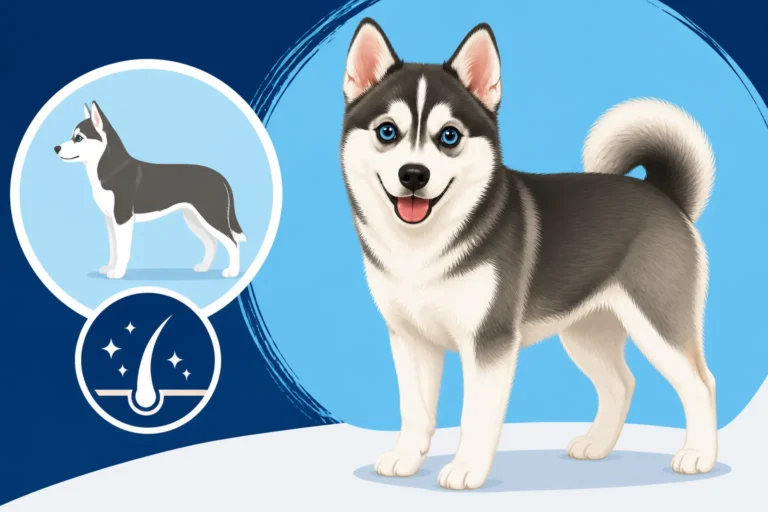
Let's get one thing straight right off the bat: almost all Pomskies, regardless of their specific appearance, will have a double coat. This isn't a surprise, given that both parent breeds, the Siberian Husky and the Pomeranian, are renowned for their magnificent double coats. Where the real question lies is in the density and texture of that undercoat. Does your twenty-pound Pomsky genuinely have the same insulating power as a sixty-pound Husky, or is it a lighter, more manageable version?
The Siberian Husky's Undercoat: Built for Extremes
The Siberian Husky is a breed synonymous with cold climates and endurance, and its coat is a testament to that heritage. They possess an incredibly thick, soft, and dense undercoat that acts as a natural insulator, trapping warm air close to their body. This undercoat can be so substantial that it almost feels like a separate layer beneath the coarser guard hairs. It's designed to keep them warm in sub-zero temperatures, and when it "blows" twice a year, it comes out in truly spectacular quantities, forming fluffy tumbleweeds around the house. When people picture a "dense" dog coat, they often picture a Husky's.
The Pomeranian's Undercoat: Puff and Fluff
On the other side of the genetic coin, we have the Pomeranian. While much smaller, the Pomeranian is also a Spitz breed and has a distinctly opulent double coat. Their undercoat is soft, thick, and fluffy, giving them that characteristic "powder puff" appearance. It stands off from their body, contributing to their overall volume. While not designed for pulling sleds across frozen tundras, this dense undercoat still provides significant insulation and, like the Husky's, sheds in seasonal "blowouts" that can surprise you given the dog's small size. So, both parents bring a lot of fluff to the table!
The Pomsky's Inheritance: A Lucky Dip of Density
Here's where it gets interesting – and sometimes unpredictable. A Pomsky inherits a mix of genes from both parents. This means their undercoat density can fall anywhere on a spectrum between the two extremes. Some Pomskies will indeed have an undercoat that feels remarkably similar in density and texture to a Husky's, just scaled down to their size. These are the ones where you run your fingers through their fur and feel a truly thick, plush layer close to the skin. Others might lean more towards the Pomeranian side, with a lighter, fluffier undercoat that still provides insulation but perhaps isn't quite as "packed" as a pure Husky's. Some even end up with a coat that truly feels like a perfect 50/50 blend, which can be delightful but also a grooming challenge. You'll find a wide array of coat types, from what we call the Standard Pomsky Coat to the much more demanding The Wooly Pomsky Coat and Its Upkeep.
Factors Influencing Undercoat Density in Pomskies
The density of your Pomsky's undercoat isn't just a random throw of the genetic dice; several factors can influence just how "Husky dense" their coat truly is. Understanding these can help you anticipate the grooming needs and shedding patterns of your particular furry friend.
Genetic Dominance and Blend
When two different breeds are crossed, there's no guarantee that traits will blend perfectly evenly. Sometimes, certain genes are more dominant. In Pomskies, it's very common for the double coat trait to be strongly expressed, but the exact characteristics of that coat can vary wildly. A Pomsky might have a Husky-like density in its undercoat but the longer, more profuse guard hairs of a Pomeranian. Or, conversely, a shorter guard coat with an incredibly dense, almost felted undercoat. This genetic lottery is part of what makes each Pomsky truly unique, but it also means you might not know the full extent of their coat until they're a bit older.
For example, a Pomsky puppy might look like a fluffy ball, but as they mature, their adult coat comes in. You might initially think it's not too dense, only to find during their first major "blowout" that there's a surprisingly thick layer of undercoat lurking beneath. Whether a Pomsky's Coat Type Shows at Eight Weeks can be tricky to predict, so watching their development is key.
Pomsky Generation: F1, F2, and Multigen
The generation of your Pomsky can also play a significant role in coat consistency and density.
- F1 Pomskies: These are first-generation crosses, directly from a Siberian Husky parent and a Pomeranian parent. F1s often exhibit the widest range of traits because they have one complete set of genes from each parent. This means an F1 Pomsky's undercoat could strongly favor the Husky's density, or it could lean more towards the Pomeranian's fluff, or be a near-perfect blend. There's less predictability in F1s because the genetic expression is so varied.
- F2 Pomskies and Beyond (Multigen): When two Pomskies are bred together (F2) or subsequent generations (Multigen), breeders are often trying to select for more consistent traits, including coat type. While still not entirely uniform, later generations can sometimes be bred to produce a more predictable undercoat density. However, this isn't a guarantee. Even in multigen litters, you can still see a range of coat types, from very Husky-dense to more Pomeranian-like, because the genetic pool remains diverse. This is why Whether an F1 Pomsky Is Healthier Than an F2 or more predictable is a common discussion point among enthusiasts and breeders.
Individual Variation Within a Litter
Even within the same litter, you can see significant differences in undercoat density. It's not uncommon for one puppy to have a visibly thicker, more Husky-like undercoat, while a littermate might have a comparatively thinner one. This is why good breeders often allow prospective owners to spend time with the puppies, observing their coats (among other traits) to help match them with the right home. What one owner considers "dense" might be perfectly manageable for another. This individuality means that while a Pomsky will always have a double coat, the exact texture and thickness are often a delightful surprise.
Living with a Dense Pomsky Undercoat: The Reality of the Fluff
So, you've got a Pomsky with a wonderfully dense undercoat – perhaps even one that feels every bit as Husky-dense as you imagined. What does that actually mean for your day-to-day life and home? Let's be realistic about the challenges and the unique joys that come with all that fluff.
The Shedding Saga: Prepare for a Flurry
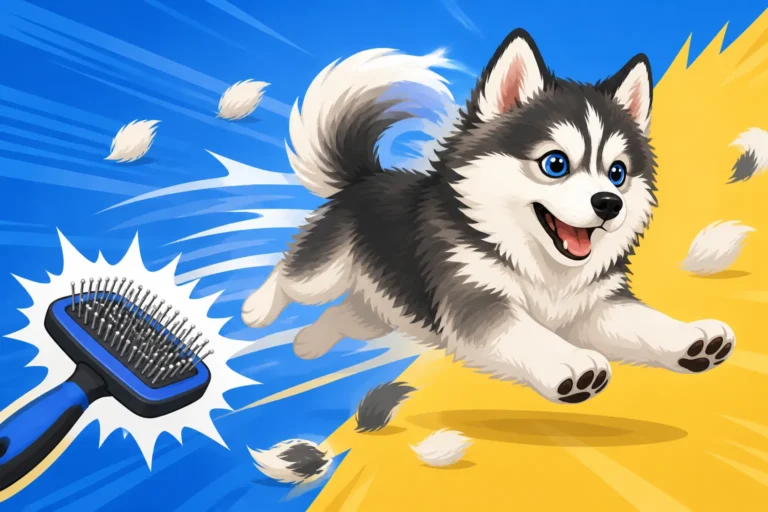
There’s no sugar-coating it: a Pomsky with a dense undercoat will shed. And when it comes to seasonal "blowouts," they can shed a truly astonishing amount of fur. Imagine the amount of hair a sixty-pound Husky sheds, and then try to picture a significant portion of that coming from a twenty-pound dog. That's the reality for many Pomsky owners. During these periods, which typically occur twice a year (spring and fall), they will literally "blow" their entire undercoat. When a Pomsky Blows Its Coat is a crucial time for intensive grooming.
This isn't just a few stray hairs; we're talking about loose, fluffy undercoat that can accumulate rapidly into "fur bunnies" that roll across your floors. It gets on your clothes, your furniture, and somehow, even in your coffee. It can be a constant battle, especially if you have dark furniture or rugs. Many owners find themselves vacuuming daily, sometimes twice daily, and investing in lint rollers by the bulk. This is simply the trade-off for having such a beautiful, fluffy companion.
Grooming Challenges: A Labor of Love (and Necessity)
Managing a dense Pomsky undercoat isn't for the faint of heart, or for those who prefer minimal grooming. This is a commitment. Regular, thorough grooming is absolutely essential, not just to manage shedding, but also to keep their skin healthy and prevent mats. A dense undercoat can easily trap dirt, debris, and moisture, which can lead to skin irritations or hot spots if not properly cared for. The Pomsky That Carries a Husky Coat at Twenty Pounds needs a dedicated grooming routine.
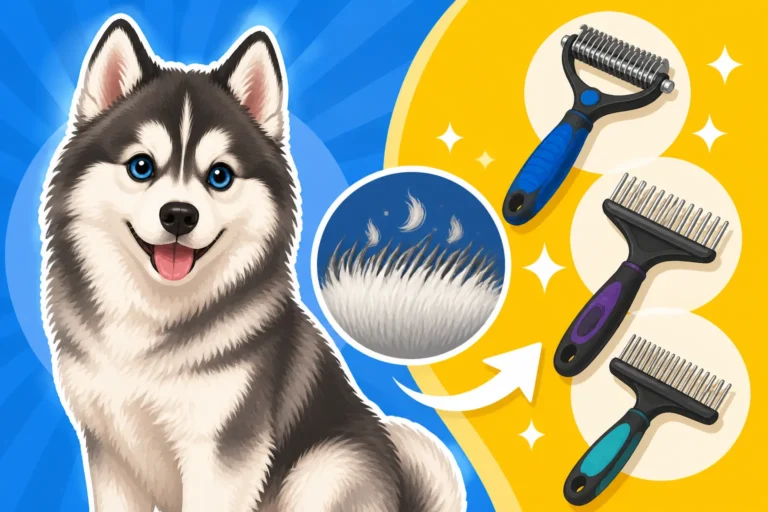
You'll need a toolkit of specialized brushes:
- Undercoat Rake: This is your MVP. An undercoat rake is designed to penetrate the topcoat and gently pull out loose undercoat without damaging the guard hairs. For a Husky-dense undercoat, you'll be using this a lot. The Undercoat Rake a Pomsky Owner Lives With is a staple.
- Slicker Brush: Great for detangling and smoothing the outer coat.
- Pin Brush: Excellent for longer hair and general brushing.
- Force Dryer: A high-velocity force dryer is a game-changer. It literally "blows" out loose undercoat and helps dry the double coat thoroughly after a bath, preventing skin issues. Whether a Force Dryer Is Essential for a Pomsky becomes clear very quickly for owners of dense-coated Pomskies.
You can often find all these essential tools on sites like Amazon or Chewy, which makes stocking up much easier.
Climate Considerations: Insulation Works Both Ways
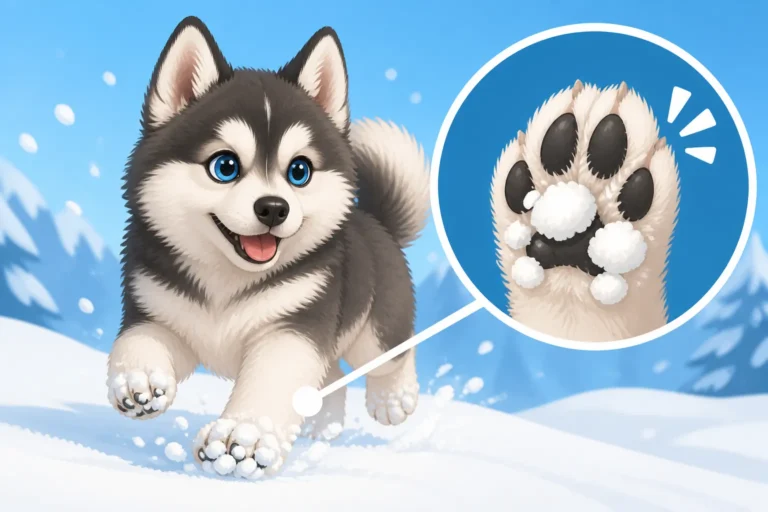
That dense undercoat, so perfect for keeping a Husky warm in frigid temperatures, also works incredibly well for a Pomsky. This is fantastic news if you live in a colder climate, as your Pomsky will likely revel in playing in the snow. However, it means you need to be extra vigilant if you live in a warmer region. A dense undercoat can cause a Pomsky to overheat quickly in hot, humid weather.
During summer months or in warmer climates, walks need to be timed carefully to avoid the hottest parts of the day. Access to shade, fresh water, and air conditioning becomes paramount. You might even find your Pomsky seeking out cool, tiled floors or digging shallow holes in the yard to create a cooler resting spot. Never, ever shave a double-coated Pomsky to try and "cool them down," as this can actually disrupt their natural insulation and lead to more problems, including sunburn and improper coat regrowth.
Practical Tips for Managing a Dense Undercoat
While a dense undercoat can be a lot to handle, it's absolutely manageable with the right tools, routine, and a bit of patience. Think of it as a commitment to their well-being and your home's cleanliness.
Establishing a Regular Grooming Routine
Consistency is key. Instead of waiting for a massive blowout, incorporate regular grooming into your Pomsky's weekly (or even daily during shedding season) routine.
- Daily Brushing (during shedding): During peak shedding, a quick 10-15 minute session with an undercoat rake can make a world of difference in reducing the fur floating around your house.
- Weekly Brushing (maintenance): For general maintenance, aim for 2-3 thorough brushing sessions a week. This helps prevent mats and keeps the undercoat healthy.
- Professional Grooming: Consider professional grooming every 4-8 weeks, especially during shedding seasons. Groomers have powerful force dryers and specialized tools that can remove a surprising amount of loose undercoat, giving you a much-needed break from the fur storm. They can also ensure proper drying after a bath, which is vital for preventing skin issues in double-coated dogs.
A good professional groomer is invaluable for tackling the challenges of The Pomsky That Carries a Husky Coat at Twenty Pounds.
Bathing and Drying Techniques
Bathing a double-coated Pomsky isn't just about getting them clean; it's also a critical step in managing their undercoat.
- Deshedding Shampoos: Look for shampoos specifically designed for double-coated breeds. These can help loosen dead undercoat and make brushing more effective. Many excellent options are available from retailers like Chewy.
- Thorough Rinsing: It's crucial to rinse all shampoo and conditioner out of their dense coat. Residual product can irritate the skin and lead to matting.
- Power Drying: This is where a force dryer truly shines. After towel-drying as much as possible, use the force dryer to blast air through the coat, starting from the skin. This not only dries them quickly but also helps to literally blow out loose undercoat. You'll be amazed at the clouds of fur that come off! Always ensure your Pomsky is completely dry to the skin to prevent skin infections. Shampoos That Suit a Pomsky's Double Coat are specially formulated to help with this process.
| Coat Characteristic | Siberian Husky | Pomeranian | Pomsky (Typical) |
|---|---|---|---|
| Undercoat Density | Very Dense | Dense | Dense to Very Dense |
| Undercoat Texture | Soft, Plush | Soft, Fluffy | Soft, Plush/Fluffy |
| Shedding Volume | High (Blowouts) | Moderate (Blowouts) | High (Often Husky-like Blowouts) |
| Grooming Frequency | Daily/Weekly | Weekly | Daily/Weekly |
| Matting Risk | Moderate | High | Moderate to High |
| Force Dryer Use | Essential | Recommended | Essential |
Nutritional Support for a Healthy Coat
While diet won't change the density of your Pomsky's undercoat, it can absolutely impact the health and quality of their fur and skin. A healthy coat sheds less excessively and looks better overall.
- High-Quality Diet: Feed a well-balanced, high-quality dog food. Look for formulas with good protein sources and healthy fats (like Omega-3 and Omega-6 fatty acids). Brands like Ollie often offer fresh, human-grade ingredients that can contribute to a lustrous coat.
- Supplements: Some owners find success with fish oil supplements, which provide Omega-3s that are beneficial for skin and coat health. Always discuss any supplements with your vet first to ensure they are appropriate for your dog.
- Hydration: Ensure your Pomsky always has access to fresh, clean water. Good hydration is vital for skin and coat health.
Remember, a healthy Pomsky generally has a healthier coat, which can make grooming and shedding a slightly less daunting task. Keeping an eye on What a Pomsky Needs Daily will help ensure their overall health, including their beautiful coat.
Exercise and Mental Stimulation
Believe it or not, adequate exercise and mental stimulation can indirectly help with coat health and management. A well-exercised and mentally stimulated Pomsky is less likely to be stressed, and stress can sometimes contribute to excessive shedding or dull coats.
- Regular Activity: A Pomsky, with its Husky heritage, needs regular exercise. Daily walks, playtime in a secure yard, or even dog sports can help keep them happy and healthy. The Exercise a Pomsky Needs Every Day is significant for this energetic breed.
- Mental Engagement: Provide puzzle toys, training sessions, or scent work to keep their intelligent minds active. A bored Pomsky is often a destructive Pomsky, and excessive self-licking or chewing due to boredom can sometimes lead to coat issues.
Ultimately, whether your Pomsky's undercoat is "Husky dense" or leans more towards the Pomeranian's fluffy side, you are responsible for providing the dedicated care it requires. Embrace the fluff, invest in the right tools (many available on Amazon!), and remember that their magnificent coat is part of what makes them such unique and beautiful companions.
Disclaimer
This article is for general informational purposes only and does not constitute professional advice. Laws, prices and regulations vary by location and change over time. Consult a qualified professional for guidance on your specific situation.