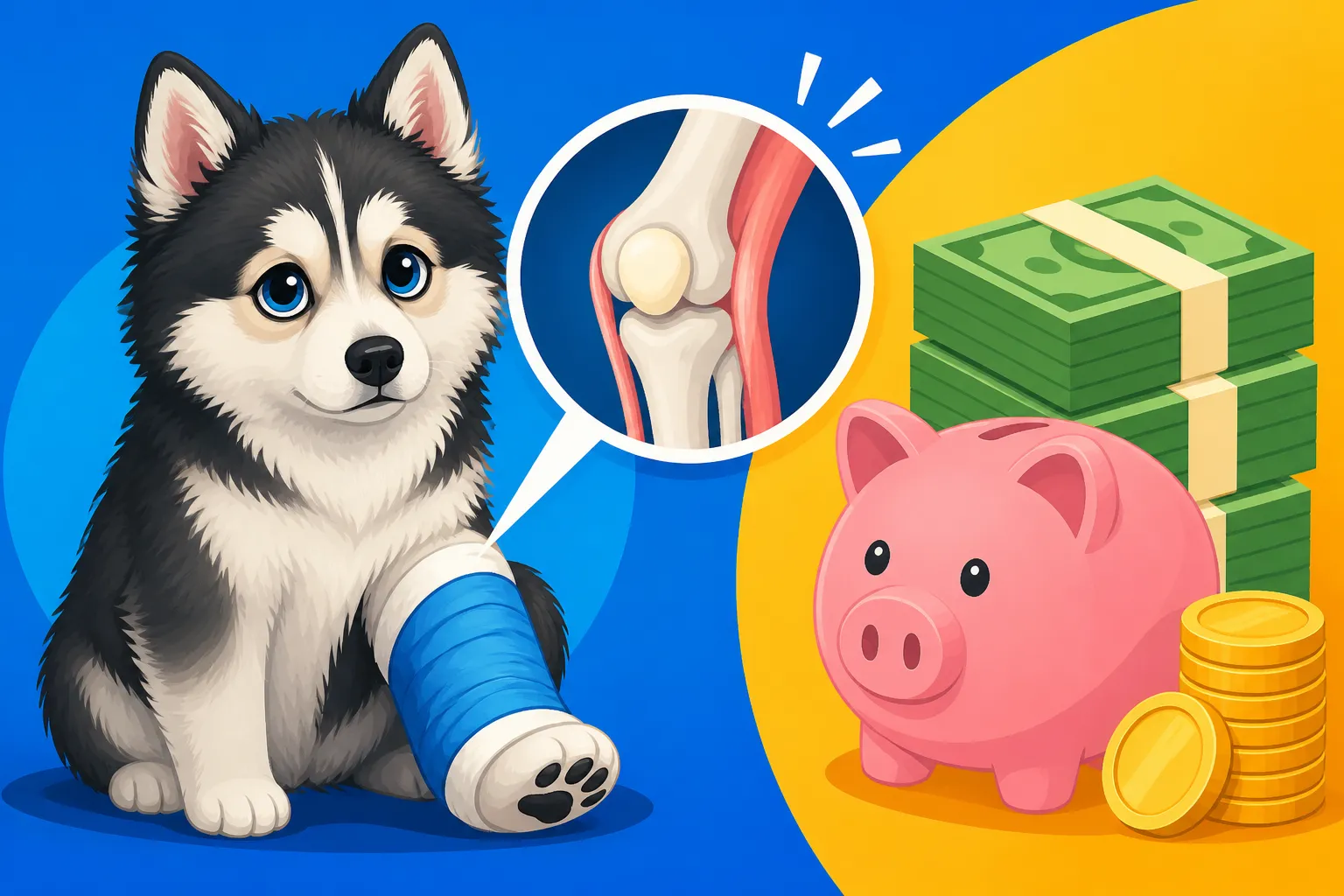
What Fixing a Pomsky’s Kneecap Costs
Few things are as disheartening as watching your spirited Pomsky suddenly skip a step, hold up a back leg, or even yelp in pain. That moment of realization that their kneecap might be slipping, a condition known as patellar luxation, can fill any dog parent with dread, especially when thoughts turn to how much it might cost to fix. This guide aims to gently walk you through the financial realities and medical considerations of treating a Pomsky's problematic kneecap, helping you prepare for what lies ahead.
Understanding Patellar Luxation in Pomskies and Why It Needs Attention
It’s easy to feel caught off guard when your energetic little fluffball starts showing signs of lameness. Patellar luxation, or a dislocating kneecap, is unfortunately a relatively common orthopedic issue, particularly in smaller breeds. Given the Pomeranian heritage of our beloved Pomskies, this condition is definitely one to be aware of.
What is Patellar Luxation and Why Pomskies are Prone to It?
At its simplest, patellar luxation means your dog's kneecap (patella) slips out of its normal groove on the thigh bone (femur). Think of it like a train coming off its tracks. This can happen towards the inside of the leg (medial luxation, most common) or the outside (lateral luxation). For Pomskies, who often inherit the smaller, more delicate bone structure of their Pomeranian parent, the anatomical predispositions can be significant. Their trochlear groove, where the kneecap should sit, might be too shallow, or their leg bones might be slightly misaligned. This structural quirk makes their kneecap prone to popping out, leading to varying degrees of discomfort and lameness.
While it might start as just an occasional skip, ignoring it can lead to more serious issues. Each time the kneecap slips, it can cause wear and tear on the cartilage and bone, eventually contributing to the development of arthritis. Over time, this can lead to chronic pain, reduced mobility, and a significant impact on your Pomsky's quality of life. Understanding Slipping Kneecaps in a Pomsky is the first step in addressing it effectively.
Recognizing the Signs and Initial Diagnosis
Catching patellar luxation early can make a big difference. You might notice your Pomsky suddenly picking up a back leg for a few steps, running on three legs, or a distinct "skip" in their gait. Sometimes, they might cry out if the kneecap slips painfully, though many dogs are surprisingly stoic. As the condition progresses, you might see more consistent limping, reluctance to put weight on the leg, or even a visible deformity if the kneecap is permanently displaced.
When you notice any of these signs, a trip to your veterinarian is crucial. They will perform a thorough physical examination, specifically manipulating the kneecap to check for instability and degree of luxation. They'll also gently palpate the joints and bones to assess for pain, swelling, and muscle atrophy. In some cases, your vet might recommend X-rays. While X-rays don't directly show the kneecap slipping, they are vital for evaluating the overall bone alignment of the leg, assessing the depth of the trochlear groove, and ruling out other orthopedic issues that could present similarly, such as Hip Dysplasia in a Twenty Pound Pomsky or Legg Calve Perthes in a Small Pomsky. The initial consultation and X-rays are your first set of costs, varying depending on your location and clinic, but typically involving an exam fee, potentially sedation for clear X-rays, and the films themselves. Your vet will determine the Patellar Luxation Grades in a Pomsky, which dictates the treatment path.
The Cost Components of Patellar Luxation Treatment
Once a diagnosis is made, your vet will discuss treatment options. These generally fall into two categories: non-surgical management for milder cases and surgical intervention for more severe or progressive luxations. Each comes with its own set of financial implications.
Non-Surgical Management Costs
For Pomskies with low-grade patellar luxation (often Grade 1 or a non-painful Grade 2), your vet might initially recommend a conservative, non-surgical approach. The goal here is to manage pain, reduce inflammation, and strengthen the surrounding muscles to provide more stability to the knee joint.
This typically involves a combination of strategies. Your Pomsky might be prescribed anti-inflammatory medications (NSAIDs) to alleviate pain and swelling, especially during flare-ups. These can be ongoing costs, purchased periodically. Joint supplements containing ingredients like glucosamine, chondroitin, and MSM are often recommended to support cartilage health. Brands like Chewy offer a wide array of these supplements, and while not a quick fix, they can contribute to long-term joint support and comfort. Weight management is also key; excess weight puts additional strain on the joints. Your vet might recommend a specific diet, and again, you might find suitable options or even prescription diets available through reputable pet retailers. Additionally, controlled exercise, such as leash walks on even surfaces, and avoiding activities that put stress on the knee, like jumping off furniture, are vital. You can find guidance on Whether a Pomsky Should Jump Off Furniture to minimize strain. Physical therapy or rehabilitation exercises might be taught for you to do at home, or your vet might recommend sessions with a certified canine rehabilitation specialist. These sessions can add up, but they are invaluable for muscle strengthening and improving range of motion. Regular follow-up vet checks will be needed to monitor progress and adjust the management plan, incurring further consultation fees.
Surgical Intervention – The Primary Expense
For Pomskies with higher grades of luxation (Grade 2 that's causing significant issues, Grade 3, or Grade 4), or those whose condition isn't improving with conservative management, surgery is often the most effective, long-term solution. This is where the costs can become substantial, as it's a complex orthopedic procedure.
The surgical process itself involves several stages, each with its own cost component. First, there are pre-operative expenses, including a thorough physical exam, bloodwork to ensure your Pomsky is healthy enough for anesthesia, and potentially more detailed imaging. Then comes the anesthesia, which includes the drugs used, monitoring equipment, and the time of the veterinary anesthetist. The surgery itself is the main event. A board-certified orthopedic surgeon might perform procedures such as deepening the trochlear groove (trochleoplasty), moving the attachment point of the patellar ligament (tibial crest transposition), or tightening/loosening soft tissues around the kneecap to keep it in place. The exact techniques used will depend on your Pomsky's specific anatomy and the severity of the luxation. Post-operative pain management, including medications administered during and after surgery, is also a significant factor. The cost for the surgery alone can vary considerably, but it's important to remember you're paying for specialized expertise, sterile environment, and complex equipment. Many people ask Which Patella Grade Needs Surgery in a Pomsky, and generally Grades 3 and 4 are clear candidates, while Grade 2 is often decided on a case-by-case basis depending on symptoms and progression.
Post-Operative Care and Rehabilitation Costs
The journey doesn't end when your Pomsky comes home from surgery. The post-operative period is crucial for a successful recovery, and it comes with its own set of expenses and time commitments.
You'll typically leave the vet with a supply of medications, including antibiotics to prevent infection and powerful pain relievers to keep your Pomsky comfortable during the initial healing phase. These prescriptions will need to be refilled, adding to the cost. Several follow-up appointments will be necessary for your vet to check the incision site, remove sutures, and assess initial healing progress. These appointments usually incur consultation fees.
Perhaps the most significant ongoing cost and commitment during recovery is rehabilitation. Your Pomsky will need strict rest and restricted activity for several weeks, followed by a gradual return to normal. This often involves physical therapy sessions. These might include hydrotherapy (underwater treadmill), therapeutic exercises, laser therapy, or massage to rebuild muscle, improve joint flexibility, and reduce scar tissue. These sessions can be weekly or bi-weekly for several months, and each session comes with a fee. While some exercises can be done at home, professional guidance is often critical for optimal recovery. You might also need to invest in some supportive equipment, such as a comfortable orthopedic bed for restricted movement, or ramps to help them avoid jumping onto furniture during recovery. The dedication required for this phase is immense, both financially and in terms of your time.
Navigating Financial Support and Insurance
The sticker shock of a significant veterinary bill can be overwhelming. Fortunately, there are ways to prepare and manage these costs.
Pet Insurance and Patellar Luxation
Pet insurance can be an absolute lifesaver when unexpected medical expenses arise. However, there's a critical caveat when it comes to pre-existing conditions. Most pet insurance policies, including those from providers like Healthy Paws, will not cover conditions that were diagnosed before your policy began or during its waiting period. This means if your Pomsky has already been diagnosed with patellar luxation, subsequent treatment for that specific knee may not be covered.
Therefore, the best time to get pet insurance is when your Pomsky is a puppy, before any health issues manifest. A good policy can cover a significant portion of eligible veterinary expenses, including accidents, illnesses, surgeries, and emergency care. When researching policies, always check the details regarding orthopedic conditions and hereditary issues to understand what's covered and what might be excluded. It's wise to review comprehensive guides on Insuring a Pomsky Against Two Parent Breeds and specifically Whether Patella Trouble Is Excluded on a Pomsky Policy before committing to a plan.
Other Financial Aid Options
If pet insurance isn't an option or doesn't cover your Pomsky's specific situation, don't despair. Many veterinary practices understand the financial strain of major procedures and offer solutions. Some clinics have in-house payment plans, allowing you to pay the total cost over several months. There are also third-party financing options, such as CareCredit, which works like a credit card specifically for healthcare expenses, often offering deferred interest periods if you pay off the balance within a certain timeframe.
While less common for designer breeds, some charitable organizations or breed-specific rescues might offer financial assistance for veterinary care in cases of extreme need, especially if your Pomsky was adopted through them. It's always worth asking your vet if they know of any local or national programs that could help. Finally, and perhaps most importantly, setting aside an emergency fund for your pet's healthcare is one of the most proactive steps you can take. Regularly contributing to a dedicated savings account specifically for your Pomsky's potential vet bills, as discussed in Setting Money Aside for a Pomsky's Vet Bills, can provide peace of mind and prevent financial distress when medical needs arise.
Factors Influencing the Total Cost
The exact cost of fixing a Pomsky's kneecap isn't a one-size-fits-all figure. Several variables play a significant role in determining the final bill.
Geographic Location and Clinic Type
Where you live can have a substantial impact on veterinary costs. Vets in major metropolitan areas, or regions with a higher cost of living, typically have higher overheads (rent, staff salaries, equipment), which translates to higher prices for their services. A surgical procedure in New York City, for instance, is likely to cost more than the same procedure in a smaller, rural town.
The type of veterinary clinic also matters. A general practice veterinarian who performs routine surgeries might charge less than a specialized veterinary orthopedic surgeon at a referral hospital. While a general practitioner may be perfectly capable, a board-certified specialist has advanced training and experience specifically in complex orthopedic procedures, which can offer greater peace of mind but often comes with a higher fee. It's worth discussing with your primary vet if a referral to a specialist is recommended for your Pomsky's specific case.
Severity of Luxation and Bilateral vs. Unilateral
The grade of patellar luxation significantly affects the complexity, and therefore the cost, of surgery. A Grade 4 luxation, where the kneecap is permanently displaced and the leg bones are often significantly deformed, requires more extensive surgical correction than a Grade 2 luxation where the kneecap slips only occasionally. More intricate surgical techniques and longer operating times naturally lead to higher costs.
Another major factor is whether one or both of your Pomsky's knees are affected. It's not uncommon for patellar luxation to occur in both hind legs. While surgeons rarely operate on both knees at the same time (to allow one leg to heal before the other is compromised), treating a second knee means essentially going through the entire diagnostic, surgical, and rehabilitation process twice. This effectively doubles many of the costs, although some vets might offer a slight discount on the second procedure if performed within a certain timeframe. Understanding Whether Both of a Pomsky's Knees Go is important for long-term planning.
Surgeon's Experience and Anesthesia Protocols
Just like in human medicine, a surgeon's experience and specialization can influence the cost. A board-certified veterinary orthopedic surgeon has undergone years of additional training beyond veterinary school and passed rigorous examinations to earn their specialization. Their expertise in diagnosing and correcting complex orthopedic issues is unparalleled, and their fees reflect this advanced skill set. While seemingly more expensive upfront, their experience can lead to better outcomes and potentially fewer complications, saving money in the long run.
The anesthesia protocols used during surgery also contribute to the overall cost. Advanced veterinary hospitals often employ dedicated veterinary anesthetists who meticulously monitor your Pomsky's vital signs throughout the procedure. They use modern anesthetic drugs and sophisticated monitoring equipment (like ECG, blood pressure, oxygen saturation, and capnography) to ensure the safest possible experience for your pet. While these enhanced safety measures add to the bill, they significantly reduce the risks associated with anesthesia, especially for smaller breeds like Pomskies. Comprehensive pre-anesthetic bloodwork also falls into this category, as it helps identify any underlying issues that could complicate anesthesia or recovery.
Here's a general idea of the cost breakdown for patellar luxation treatment, keeping in mind these are ranges and not specific figures:
| Cost Component | Description | Estimated Range (Relative) |
|---|---|---|
| Initial Diagnosis | Vet exam, palpation, possibly sedation, X-rays to assess bone alignment and rule out other issues. | Low to Moderate |
| Non-Surgical Management | Medications (NSAIDs), joint supplements, prescription diets, physical therapy sessions (per session). | Moderate (Ongoing) |
| Surgical Procedure | Pre-op bloodwork, anesthesia, surgeon's fees, operating room use, hospitalization (usually 1 night). | High |
| Post-Operative Meds | Antibiotics, pain medications for home use. | Low |
| Follow-up Vet Visits | Incision checks, suture removal, progress evaluations. | Low to Moderate |
| Rehabilitation Therapy | Professional physical therapy sessions (hydrotherapy, laser, exercises – per session, multiple required). | Moderate to High (Ongoing) |
| Emergency Fund/Insurance | Saving proactively or monthly premiums for pet insurance. | Variable |
Please note: "Low," "Moderate," and "High" are relative terms and actual costs will vary widely. Always consult with your veterinarian for precise estimates based on your Pomsky's specific needs and your location.
Fixing a Pomsky's kneecap is undoubtedly a significant undertaking, both emotionally and financially. However, the investment in proper diagnosis, surgical correction when necessary, and dedicated post-operative care can dramatically improve your Pomsky's comfort, mobility, and overall quality of life. Seeing them run and play without pain is priceless. By understanding the potential costs and exploring your financial options, you can make informed decisions to ensure your furry family member receives the best possible care.
Disclaimer
This article is for general informational purposes only and does not constitute professional advice. Laws, prices and regulations vary by location and change over time. Consult a qualified professional for guidance on your specific situation.