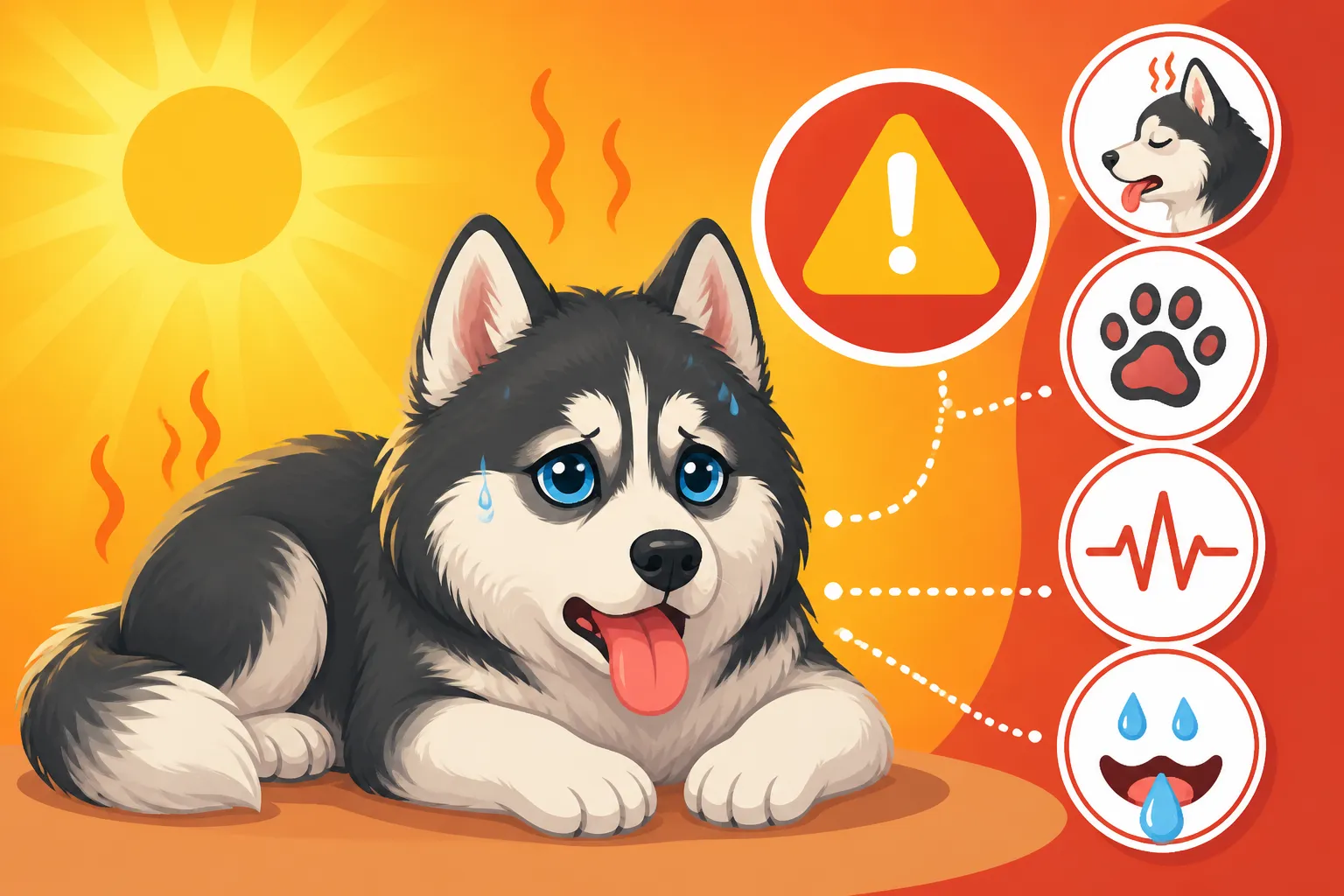
Signs a Pomsky Is Overheating
It's utterly terrifying to see your beloved Pomsky struggling in the heat, panting excessively, or acting unlike themselves. Their thick, beautiful coats make them particularly vulnerable to rising temperatures, and knowing the subtle cues can make all the difference in preventing a serious health crisis. This comprehensive guide will walk you through the definitive signs that your Pomsky might be overheating, helping you act swiftly and effectively to keep them safe and comfortable.
Why Pomskies are Prone to Overheating
Pomskies are truly unique little characters, blending the spirited energy of a Siberian Husky with the charming sass of a Pomeranian. While this mix results in an undeniably adorable companion, it also means they inherit some traits that make them quite susceptible to heat stress. It's not just about how warm you feel; it's about how their specific physiology interacts with the environment.
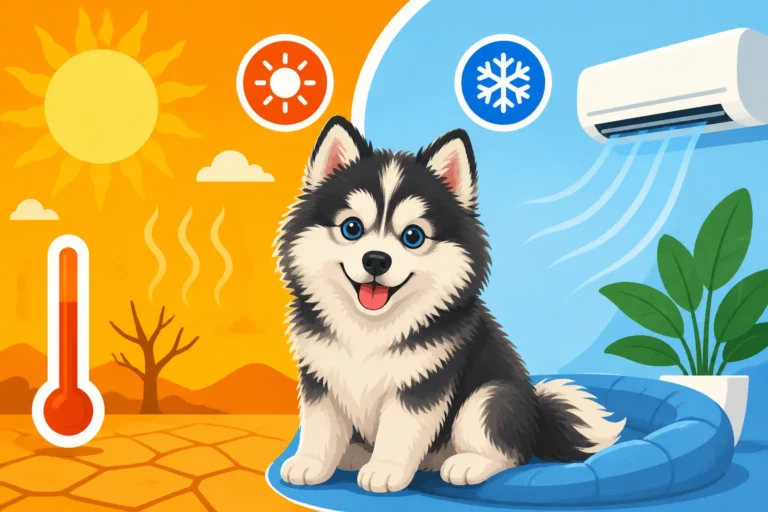
When temperatures climb, many Pomsky owners find themselves constantly monitoring their furry friends, and for good reason. Imagine wearing a heavy winter coat in the middle of summer – that's essentially what your Pomsky is dealing with. Their dense double coats, designed for colder climates, act as an insulator, making it harder for them to dissipate heat efficiently. This inherent trait, combined with their activity levels and sometimes dense build, means they can quickly move from comfortable to dangerously hot if precautions aren't taken. You might wonder, "Does my Pomsky feel the heat more than I do?" The answer is a resounding yes, and understanding why is the first step to prevention.
The Double Coat's Role in Temperature Regulation
The Pomsky's iconic fluffy coat, often a huge draw for potential owners, is a double-edged sword when it comes to heat. They typically have a soft, dense undercoat for insulation and longer, coarser guard hairs that protect from elements. This design is fantastic for keeping them warm in freezing Siberian temperatures, where their Husky ancestors thrived, or shielding a Pomeranian from brisk winds. However, in warmer weather, this same insulation traps body heat rather than allowing it to escape.
During summer, or even on a surprisingly warm spring day, this thick layering can lead to a rapid increase in internal body temperature. While the outer guard hairs do offer some protection from direct sun, the underlying insulation significantly hinders their ability to cool down. It's a common misconception that shaving a double-coated dog helps, but in reality, Why a Pomsky Must Never Be Shaved because it can actually worsen their ability to regulate temperature, potentially leading to sunburn and disrupting the natural cooling system. It's crucial to remember that The Pomsky That Carries a Husky Coat at Twenty Pounds is dealing with a lot of fur on a relatively small body. This means their core temperature can rise much faster than you might anticipate.
Genetic Predisposition from Husky Ancestry
Beyond the coat, the Husky side of your Pomsky's lineage brings a genetic predisposition to thrive in cooler climates. Huskies are renowned for their endurance in sub-zero temperatures, not scorching heat. This means their bodies are naturally adapted to conserve heat, which is the opposite of what's needed when the mercury rises. While a Pomsky is smaller than a Husky, they often retain much of that Arctic breed's physiology.
This ancestral background means your Pomsky's body isn't as efficient at cooling itself down compared to breeds originating from warmer regions. They primarily cool themselves through panting, which works by evaporating moisture from their tongue and respiratory tract. However, if the ambient air is already hot and humid, this evaporative cooling becomes much less effective. This is why even a moderate summer day can be problematic, and why you might notice Whether a Pomsky Overheats More Than a Husky is a frequent concern among owners. You must be extra vigilant, as their genetics are literally working against them in hot conditions. Additionally, factors like Signs a Pomsky Is Carrying Too Much Weight can exacerbate this predisposition, making it even harder for their body to regulate temperature.
Early and Subtle Signs of Overheating
Recognizing the early signs of overheating is absolutely critical. It's like catching a small fire before it becomes an inferno. Many owners might dismiss these initial indicators as normal dog behavior, especially if their Pomsky is usually energetic. But for a breed so susceptible to heat, paying close attention to these subtle shifts can prevent a trip to the emergency vet. Don't wait for your Pomsky to be visibly distressed before you act. Early intervention is key to a swift recovery and avoiding the severe consequences of full-blown heatstroke. Your Pomsky can't tell you in words that they're too hot, so you need to be their advocate and interpreter.
Behavioral Changes to Watch For
Sometimes, the first hints that your Pomsky is getting too warm aren't physical, but behavioral. They might become unusually subdued or, conversely, agitated. A Pomsky who typically greets you with boundless enthusiasm might seem lethargic and uninterested in playing. They might seek out cooler spots in the house more frequently, flattening themselves against tile floors or trying to lie under furniture that's not usually their favorite nap spot. This seeking of cool surfaces is an instinctual response to try and lower their body temperature.
Another common behavioral change is a reluctance to move. If you usually go for a walk and your Pomsky lags behind, stops frequently, or outright refuses to continue, it's a huge red flag. Even if they love their daily The Exercise a Pomsky Needs Every Day, pushing through discomfort could be dangerous. They might also appear disoriented or confused, bumping into things or having trouble following simple commands. If your normally vibrant Pomsky seems "off" or unusually quiet, especially after being outside or active, consider heat stress as a potential cause. This is especially true on days when The Temperature a Pomsky Starts Struggling At is reached.
Physical Indicators Beyond Excessive Panting
While excessive panting is the most well-known sign of overheating, it's often not the first sign. Before panting becomes frantic, you might observe other physical cues. Look at their gums and tongue – are they a brighter red than usual, or perhaps even a purplish shade? This change in color indicates that their circulatory system is working overtime to try and cool them down. Their eyes might appear glazed over or more wide-set, giving them a slightly dazed look.
Another often overlooked sign is a rapid heart rate, which you might feel by placing your hand on their chest. They might also be breathing faster than normal, even when resting, not just panting heavily. The skin on their inner ears can feel unusually warm to the touch. Pay attention to their saliva as well; thick, ropey, or foamy drool is a serious indicator that they are becoming dehydrated and severely overheated. This isn't just normal drooling; it's a sign that their body is struggling to produce enough cooling moisture, and the saliva itself is becoming thicker due to fluid loss.
Table: Signs of Overheating in Pomskies and Recommended Actions
| Severity Level | Behavioral Signs | Physical Signs | Recommended Actions |
|---|---|---|---|
| Mild | Restlessness, seeking shade/cool spots, slight lethargy, reluctance to play/walk | Increased panting (but not frantic), slightly warm ears/pads, bright red gums, increased thirst. | Immediately move to a cool, shaded, or air-conditioned area. Offer fresh, cool water. Apply cool, damp cloths to their paws, armpits, and groin. Limit activity. Monitor closely. |
| Moderate | More pronounced lethargy, stumbling, disorientation, whining/agitation. | Heavy, frantic panting; very red gums or pale/grey gums; thick, ropey saliva; rapid heart rate; vomiting; diarrhea. | Urgent action required. Move to a very cool environment. Offer small amounts of water. Apply cool, wet towels to the body, focusing on cooling major blood vessels (neck, armpits, groin). Use a fan to aid evaporation. Contact your vet immediately or head to the nearest emergency clinic. Call ahead if possible. |
| Severe | Collapse, seizures, unconsciousness, unresponsiveness. | Very shallow or no breathing; blue/purple gums; bloody diarrhea or vomit; elevated body temperature (over 105°F/40.5°C); muscle tremors. | This is a life-threatening emergency. Start cooling measures while en route to the nearest emergency vet. Do not force water. Do not overcool (e.g., ice baths), as this can cause shock. Continue applying cool, wet cloths and aim for a body temperature reduction to around 103°F (39.4°C) before stopping cooling to avoid hypothermia. Every second counts. Consider a pet insurance plan like Healthy Paws for these unexpected critical events. |
Critical Signs of Heatstroke and Emergency Actions
If the early signs are missed or ignored, a Pomsky can quickly progress to heatstroke, which is a life-threatening emergency. This isn't just about feeling a bit warm; it's when their internal body temperature rises to dangerous levels, causing organ damage, neurological issues, and potentially death. This is the stage where every minute counts, and a clear understanding of what to do can truly save your dog's life. Panic is a natural reaction, but quick, informed action is far more beneficial.
Recognizing Advanced Heatstroke Symptoms
When a Pomsky reaches the heatstroke stage, the symptoms become far more pronounced and alarming. The frantic, continuous panting might transition to labored breathing or even gasping, as their body struggles to get enough oxygen. Their gums, which were once bright red, might now be pale, grayish, or even a frightening bluish-purple, indicating a severe lack of oxygen. They may also develop small, pinpoint hemorrhages (petechiae) on their gums.
Neurological signs are also common and incredibly serious. Your Pomsky might collapse, stumble, or appear severely disoriented. Muscle tremors, uncoordinated movements, or even full-blown seizures are strong indicators of brain swelling due to high temperatures. They might vomit profusely, sometimes with blood, or experience severe diarrhea, which can exacerbate dehydration. In the most critical cases, they will become unconscious and unresponsive. If you observe any of these symptoms, it's not a "wait and see" situation; it's a full-blown emergency.
Immediate First Aid and When to Seek Vet Care
If you suspect your Pomsky is suffering from heatstroke, immediate action is paramount.
- Move to a Cooler Environment: Get them out of the heat source immediately. This means bringing them indoors to air conditioning or into a deeply shaded area.
- Start Cooling: The goal is to lower their body temperature gradually. Apply cool (not ice-cold) water to their body, especially on their paws, belly, inner thighs, and armpits, where major blood vessels are close to the surface. You can use cool, wet towels or even a gentle spray from a hose. A fan directed at them will help with evaporative cooling. Do NOT use ice water or immerse them in an ice bath, as this can cause blood vessels to constrict, trapping heat inside, and can lead to dangerous hypothermia once their temperature drops too quickly.
- Offer Water (if conscious): If they are conscious and able to drink, offer small amounts of cool water. Do not force them to drink if they are unresponsive or vomiting.
- Monitor Temperature (if possible): If you have a rectal thermometer, aim to reduce their temperature to around 103°F (39.4°C). Stop active cooling measures once they reach this point to prevent overcooling.
- CONTACT YOUR VET IMMEDIATELY: Even if you manage to cool them down and they seem to be recovering, veterinary attention is absolutely essential. Heatstroke can cause internal organ damage that isn't immediately visible. Call your vet or the nearest emergency animal hospital while you are implementing first aid. Let them know you're coming and what symptoms you're seeing. They will be prepared to take immediate action upon your arrival. Having a strong pet insurance plan, like Healthy Paws, can certainly alleviate some financial stress during these unexpected, critical events, allowing you to focus purely on your Pomsky's well-being. Serious conditions like heatstroke can incur significant costs, and knowing you're covered can be a huge relief.
Preventative Measures and Ongoing Care
Preventing overheating is always better than treating it. Given your Pomsky's unique genetics and luscious double coat, proactive steps are not just good practice, they're non-negotiable for their health and happiness. Integrating preventative measures into your daily routine will not only keep your Pomsky safe but also allow you both to enjoy the warmer seasons without constant worry. Think of it as a commitment to their well-being, acknowledging their specific needs.
Environmental Management and Exercise Adjustments
Your home and outdoor environment play a huge role in keeping your Pomsky cool. During warmer months, ensure your home offers plenty of cool, shaded spots. Consider setting up a cooling mat or a damp towel on the floor for them to lie on. If you have air conditioning, keep it running on warm days, especially when you're not home. Never, ever leave your Pomsky in a parked car, even for "just a minute" with the windows cracked. The temperature inside a car can rise to dangerous levels incredibly quickly, leading to fatal heatstroke in minutes.
When it comes to exercise, timing is everything. Avoid walks or strenuous play during the hottest parts of the day. Early mornings and late evenings are typically the coolest times. On particularly sweltering days, it might be best to skip the outdoor walk entirely and opt for indoor mental stimulation or short potty breaks in a shaded yard. Remember, When to Walk a Pomsky in Summer is a critical consideration. If you live in a hot climate, you might even question Whether a Pomsky Can Live in a Hot State – and while it's possible with extreme vigilance, it requires constant awareness and adjustment. Keep an eye on the pavement temperature; if it's too hot for your bare hand, it's too hot for their paws. Consider dog booties if an afternoon walk is unavoidable on warm days, though ideally, you'd avoid it altogether.
Hydration and Cooling Aids
Constant access to fresh, cool water is fundamental. Always have a bowl of water available indoors, and if you're out, carry a portable water bottle and bowl for your Pomsky. Encourage them to drink frequently. You can also offer ice cubes as a treat, or even make homemade frozen treats with dog-safe ingredients like diluted broth or pureed pumpkin. These not only hydrate but also provide a little internal cooling.
Beyond water, several cooling aids can make a big difference. Cooling vests or bandanas, which you soak in water and then wring out, use evaporation to help lower body temperature. Some Pomskies enjoy a kiddie pool with a few inches of water, offering a fun way to cool down. Others might appreciate a wet towel draped over them while resting in a shaded area. A high-velocity dryer, often used for grooming, can also be used on a cool setting to gently blow air through their coat after a damp towel rub, aiding evaporation and preventing hot spots under their dense fur. Regularly brushing your Pomsky, especially during seasonal "blowouts," can help remove dead undercoat, improving air circulation through their fur and making them more comfortable. This is why having tools like The Undercoat Rake a Pomsky Owner Lives With is so important. If you’re wondering Whether a Pomsky Should Swim to Cool Down, the answer is often yes, as long as it’s supervised and they enjoy it.
Other Important Considerations
Maintaining a healthy weight for your Pomsky is another crucial factor. An overweight dog will struggle significantly more in the heat because the extra fat acts as an insulator, and their body has to work harder to cool a larger mass. Discussing your Pomsky's ideal weight with your vet is always a good idea, as Signs a Pomsky Is Carrying Too Much Weight can sometimes be subtle, especially under all that fur. Don't forget What a Pomsky Needs Daily also includes mental stimulation and appropriate care, which can influence their overall resilience.
It's also important to consider your Pomsky's individual tolerance. Just because one Pomsky can handle a certain temperature doesn't mean yours can. Pay attention to their specific cues and always err on the side of caution. If the humidity is high, the danger increases exponentially, as evaporative cooling becomes much less effective. The combination of heat and humidity is particularly perilous. Even if the temperature isn't exceptionally high, The Temperature a Pomsky Starts Struggling At can be lower if the air is very muggy. Remember, Caring for a Pomsky Past Ten means being extra vigilant, as older dogs often have a harder time regulating their body temperature and are more prone to heat-related issues. Having pet insurance like Healthy Paws can give you peace of mind, knowing you're prepared for unexpected health challenges that can arise, especially as your Pomsky ages.
Ultimately, being a responsible Pomsky owner means understanding their unique needs and limitations, especially when it comes to heat. With diligent care and proactive measures, you can ensure your furry companion stays safe, cool, and happy through all seasons.
Disclaimer
Please note that the information provided in this guide is for educational purposes only and should not replace professional veterinary advice. If you suspect your Pomsky is overheating or experiencing heatstroke, contact your veterinarian or an emergency animal clinic immediately. Always consult with a qualified veterinary professional for any health concerns or before making any decisions about your pet's health or treatment.