Whether a Pomsky Overheats in Summer
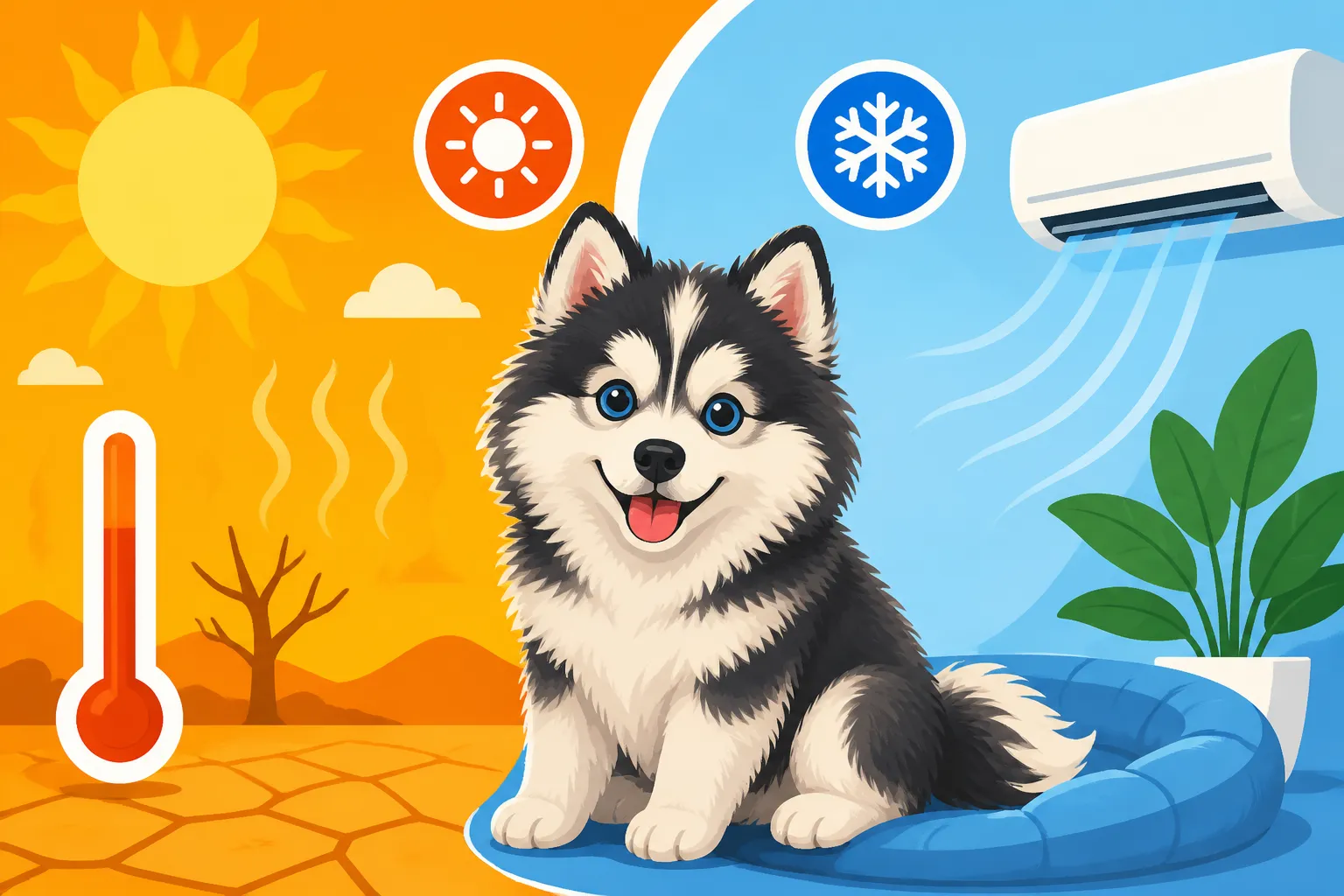
Summer is a time for fun, sunshine, and outdoor adventures, but for us Pomsky parents, it often brings a significant layer of worry. With their stunning, dense coats inherited from their Siberian Husky ancestors, many of us wonder if our beloved Pomskies can truly handle the heat. The reality is, yes, a Pomsky absolutely can overheat in summer, and understanding the risks and preventative measures is crucial to keeping them safe and happy when temperatures climb.
The Double Coat Dilemma: Why Pomskies Struggle with Summer Heat
The Pomsky’s defining feature, that gorgeous, fluffy double coat, is both a blessing and a curse. While it offers incredible insulation against cold northern winters, it can become a significant liability in scorching summer temperatures. Many owners mistakenly believe that because their Pomsky might be smaller than a full-sized Husky, their coat is less of an issue, but this simply isn’t the case.
Understanding the Pomsky's Coat Structure
Your Pomsky likely inherited a dense double coat, much like a Husky’s. This coat consists of two layers: a soft, downy undercoat that provides insulation, and a coarser, protective outer layer (guard hairs) that repels water and dirt. In winter, this undercoat traps warm air close to the body, keeping them toasty. In summer, the idea is that the same mechanism should trap cool air, but it’s a delicate balance that quickly fails when ambient temperatures rise too high. The air circulation within the coat becomes compromised, turning it into a heavy blanket rather than a cooling system. Even a small Pomsky, perhaps one that carries a Husky coat at twenty pounds, can be severely affected by its thick insulation.
The Northern Breed Legacy
Both the Siberian Husky and the Pomeranian originated in colder climates. Huskies, in particular, were bred for endurance in the Arctic. Their bodies are designed to conserve heat, not dissipate it efficiently in intense warmth. While Pomeranians are smaller, their dense coats also provide substantial insulation. This genetic predisposition means that Pomskies, regardless of their size, are generally less tolerant of heat than many other breeds. It’s not just about the external temperature; it’s about their internal thermodynamics struggling to keep up. This can make them much more susceptible to heat-related illnesses, sometimes even more so than their larger Husky cousins due to a smaller surface area to volume ratio for heat dissipation. If you’ve ever wondered Whether a Pomsky Tolerates Heat Worse Than a Husky, you might find that their compact size with that dense coat can be a unique challenge.
Humidity Adds to the Problem
It's not just the heat itself that poses a risk; humidity plays a massive role. Dogs primarily cool themselves through panting. When they pant, moisture evaporates from their tongue and respiratory tract, which helps to cool their blood. However, in high humidity, the air is already saturated with moisture, making it much harder for this evaporative cooling process to occur efficiently. Imagine trying to sweat in a sauna – it’s just not as effective. This means that a seemingly moderate temperature can become dangerous very quickly for a Pomsky if the humidity is high, turning a warm day into a suffocating one for them.
Recognizing the Red Flags: Signs Your Pomsky Is Overheating
It’s absolutely terrifying to realize your furry family member might be in distress, and every Pomsky parent needs to know the signs of overheating or, worse, heatstroke. Early detection can be the difference between a scary trip to the vet and a true emergency. These signs can develop quickly, so vigilance is key, especially during warm weather or after exertion.
Early Warning Signs
The first signs of a Pomsky overheating are often subtle. You might notice your dog panting more heavily than usual, even if they haven't been exercising intensely. Their breathing might become rapid and shallow. They might seem a bit more lethargic, perhaps dragging their feet a little on a walk, or not as eager to play. Their gums might appear a little redder than their normal healthy pink. Some Pomskies might start seeking shade or cool surfaces more actively. Pay attention to these cues; they are your Pomsky's way of telling you they're struggling. This is why it's so important to understand Signs a Pomsky Is Overheating and act immediately.
Progression to Heat Exhaustion and Heatstroke
If these early warnings are ignored, the situation can escalate rapidly. Heat exhaustion can manifest as excessive drooling, glazed eyes, weakness, and a general lack of coordination. Your Pomsky might stumble or have difficulty standing. Their heart rate will likely be elevated, and their gums might become bright red or even bluish-purple as oxygenation decreases. At this stage, their body temperature is rising dangerously high, typically above 104°F (40°C).
Heatstroke is a life-threatening emergency. At this point, you'll see more severe symptoms:
- Vomiting and diarrhea: Sometimes with blood.
- Collapse or loss of consciousness: The dog may become unresponsive.
- Seizures: Uncontrolled muscle spasms are a grave sign.
- Wobbling or staggering: Severe neurological impairment.
- Thick, ropey saliva: Due to dehydration.
If your Pomsky exhibits any of these severe symptoms, it is a critical emergency, and immediate veterinary intervention is required. Don't wait; every second counts. Pet insurance, like that offered by Healthy Paws, can be a lifesaver in these unexpected, urgent situations, helping to cover the often significant costs of emergency heatstroke treatment.
Proactive Summer Strategies: Keeping Your Pomsky Cool and Safe
Preventing your Pomsky from overheating is far easier and safer than treating heatstroke. By making a few adjustments to your routine and environment, you can ensure your furry friend enjoys the warmer months without risk. Remember, the goal is to keep them comfortable and cool even when the sun is blazing.
Timing Your Walks and Outdoor Activities
This is perhaps the most crucial adjustment. Avoid walking your Pomsky during the hottest parts of the day. This typically means skipping walks between 10 AM and 4 PM, especially in regions with intense summer heat. Instead, schedule walks for early mornings, when the air is still cool and refreshing, and late evenings after the sun has begun to set and the pavement has had a chance to cool down. Even a quick potty break during midday should be done in a shaded area. Consider checking the temperature of the pavement with your hand; if it's too hot for your bare palm, it's too hot for your Pomsky's paws. You'd be surprised how quickly asphalt and concrete can heat up, causing painful burns. For more detailed guidance on safe walking times, check out When to Walk a Pomsky in Summer.
Providing Ample Hydration and Cooling Opportunities
Fresh, cool water should be available at all times, both indoors and outdoors.
- Multiple Water Bowls: Place several water bowls around your home and yard to encourage frequent drinking.
- Ice Cubes: Add ice cubes to their water bowl to keep it cooler longer and make it more appealing. Some Pomskies even enjoy crunching on ice cubes as a treat!
- Portable Water: Always carry water and a collapsible bowl when you're out and about, even for short trips.
- Shade and Shelter: Ensure your yard has plenty of shaded areas where your Pomsky can retreat. A shaded spot under a tree or a covered patio is ideal. If they're outside for any length of time, a well-ventilated dog house in the shade can also offer respite, though ideally, they should be indoors with you.
- Cooling Mats and Elevated Beds: These can make a huge difference indoors. Cooling mats use gel or water to absorb body heat, providing a cool spot to lie down. Elevated dog beds allow air to circulate underneath, preventing heat buildup from the floor.
- Wading Pools: A shallow kiddie pool filled with a few inches of water can be a fantastic way for your Pomsky to cool down. Many Pomskies enjoy splashing around, and even just standing in cool water can help lower their body temperature. This can be a great way to help them cool down, so you might want to read more about Whether a Pomsky Should Swim to Cool Down.
- Air Conditioning: For Pomskies, especially those living in hotter climates, air conditioning isn't a luxury; it's a necessity. Keep your home comfortably cool. If you don't have AC, consider portable units or at least fans strategically placed to create air circulation. Leaving a Pomsky in a hot house, even with windows open, can be dangerous. It's truly vital to know Whether a Pomsky Needs Air Conditioning when you have this breed.
Grooming for Temperature Regulation (The Right Way)
It might seem counterintuitive, but never shave your double-coated Pomsky in summer. Their double coat, while dense, actually helps regulate their body temperature. Shaving them removes the protective outer layer and can expose their delicate skin to sunburn, disrupt their natural insulation, and even lead to a condition called "post-clipping alopecia" where the coat may not grow back properly. Instead, focus on thorough brushing, especially during their "blow-out" seasons. Regular brushing removes loose undercoat, which improves air circulation within their remaining coat. Using an undercoat rake can help thin out the dead, insulating fur. This maintains the coat's natural function and prevents matting, which can trap even more heat. For more on their specific grooming needs, refer to The Pomsky That Carries a Husky Coat at Twenty Pounds.
Know Your Local Climate Limitations
If you live in a region like the American South, where summers are long, hot, and humid, special considerations are needed. While a Pomsky can live in a hot state, their outdoor time will be severely limited, and air conditioning will be non-negotiable. You might want to consider activities like indoor dog parks or training classes to fulfill their exercise needs rather than outdoor adventures. Understanding Whether the South Is Too Hot for a Pomsky is critical for their well-being.
Recognizing and Responding to a Heatstroke Emergency
Despite all precautions, emergencies can still happen. Knowing exactly what to do if your Pomsky shows severe signs of overheating could save their life. This isn't a time for panic; it's a time for swift, decisive action.
Immediate First Aid Steps
If you suspect your Pomsky is suffering from heatstroke, you need to act quickly and calmly:
- Move to a Cooler Location: Immediately get your Pomsky into the shade or an air-conditioned environment. This is the very first step to halt the temperature rise.
- Apply Cool Water: Wet your dog thoroughly with cool (not ice-cold) water. Focus on areas with good blood flow, like the armpits, groin, and paw pads. You can use a hose on a gentle setting or wet towels. Do NOT use ice water, as this can cause blood vessels to constrict, trapping heat inside, and could lead to shock.
- Use Fans: If available, position a fan to blow air over your wet Pomsky. The evaporative cooling effect will help reduce their body temperature.
- Offer Water (If Conscious): If your Pomsky is conscious and able to drink, offer small amounts of cool water. Do not force them to drink, as they could aspirate it.
- Seek Veterinary Care IMMEDIATELY: Even if your Pomsky seems to be improving, heatstroke can cause internal organ damage that isn't immediately visible. Get to the nearest emergency vet clinic as quickly as possible. Call ahead if you can, so they are prepared for your arrival. During transport, keep the air conditioning on in your car and continue to apply cool, wet towels.
The Critical Role of a Veterinarian
A veterinarian will be able to accurately assess your Pomsky’s internal temperature, administer intravenous fluids to combat dehydration and shock, monitor for organ damage, and provide medications if necessary. They can also use more advanced cooling techniques if needed. The costs associated with emergency care for heatstroke can be substantial, often running into thousands of dollars depending on the severity and required treatments. This is where comprehensive pet insurance, such as a plan from Healthy Paws, proves invaluable, providing peace of mind and financial support during distressing times. Having a plan in place means you can focus on your pet's recovery, not just the bill. Many owners don't realize that emergencies like heatstroke are exactly why pet insurance exists.
Table of Symptoms: Overheating vs. Normal Summer Behavior
It can be hard to tell if your Pomsky is just warm or truly in distress. Here's a quick comparison to help you distinguish between normal summer behavior and a potential overheating emergency:
| Symptom / Behavior | Normal Summer Behavior for a Pomsky | Signs of Overheating / Heatstroke |
|---|---|---|
| Panting | Moderate, rhythmic, tongue slightly out | Excessive, frantic, labored, often with wide eyes |
| Activity Level | Relaxed, maybe a bit less energetic in heat | Lethargic, weak, stumbling, unwilling to move |
| Gums | Healthy pink, moist | Bright red, dark red, bluish-purple, or pale |
| Saliva/Drooling | Minimal drooling, moist tongue | Excessive, thick, ropey, foamy saliva |
| Body Temperature (Touch) | Warm to the touch, especially ears/pads | Extremely hot to the touch, internal temperature >104°F |
| Coordination | Normal movement, steady | Wobbly gait, disoriented, collapsing, seizures |
| Interest in Water | Drinks readily when offered | Refuses water, struggles to drink, vomiting |
| Urination/Defecation | Normal | Vomiting, diarrhea (possibly bloody) |
| Awareness | Alert, responsive to commands | Glazed eyes, unresponsive, loss of consciousness |
Always err on the side of caution. If you are unsure, contact your veterinarian immediately.
Long-Term Considerations and Prevention
While we've covered immediate actions, thinking ahead can make summer much easier for your Pomsky. Long-term strategies are about creating a lifestyle that supports their unique needs in warmer climates.
Regular Health Check-ups
Ensure your Pomsky has regular vet check-ups. A healthy dog is better equipped to handle environmental stressors. Your vet can advise on any underlying health conditions, such as heart disease or respiratory issues, which could make your Pomsky even more susceptible to heatstroke. Older Pomskies, in particular, may have reduced heat tolerance, so Caring for a Pomsky Past Ten often involves heightened awareness of heat risks.
Mindful Exercise Routines
Even when the weather is cooperative, be mindful of the intensity and duration of your Pomsky's exercise. While they are energetic dogs and require adequate physical activity, pushing them too hard in warm weather can be dangerous. Break up their The Exercise a Pomsky Needs Every Day into shorter, more frequent sessions, especially if you live in a warmer region. Consider indoor activities or mentally stimulating games on hot days.
Car Safety
Never, ever leave your Pomsky in a parked car, even for "just a few minutes" with the windows cracked. The temperature inside a car can rise to dangerous levels very quickly—over 120°F (49°C) in a matter of minutes—even on a moderately warm day. This is a common and tragic cause of heatstroke in dogs. If you can't take your Pomsky with you, leave them safely at home.
Travel Precautions
If traveling with your Pomsky in summer, plan routes that allow for frequent stops in cool, shaded areas. Always bring plenty of water, cooling towels, and a portable fan. Ensure your car’s air conditioning is functioning well. If you have a long journey, consider traveling during cooler parts of the day or overnight.
The joy of a Pomsky is immense, but it comes with the responsibility of understanding their unique needs, especially concerning their double coat and sensitivity to heat. By being informed, proactive, and ready to act, you can help your beloved Pomsky thrive through every summer season, no matter how hot it gets.
Disclaimer
This article is for general informational purposes only and does not constitute professional advice. Laws, prices and regulations vary by location and change over time. Consult a qualified professional for guidance on your specific situation.