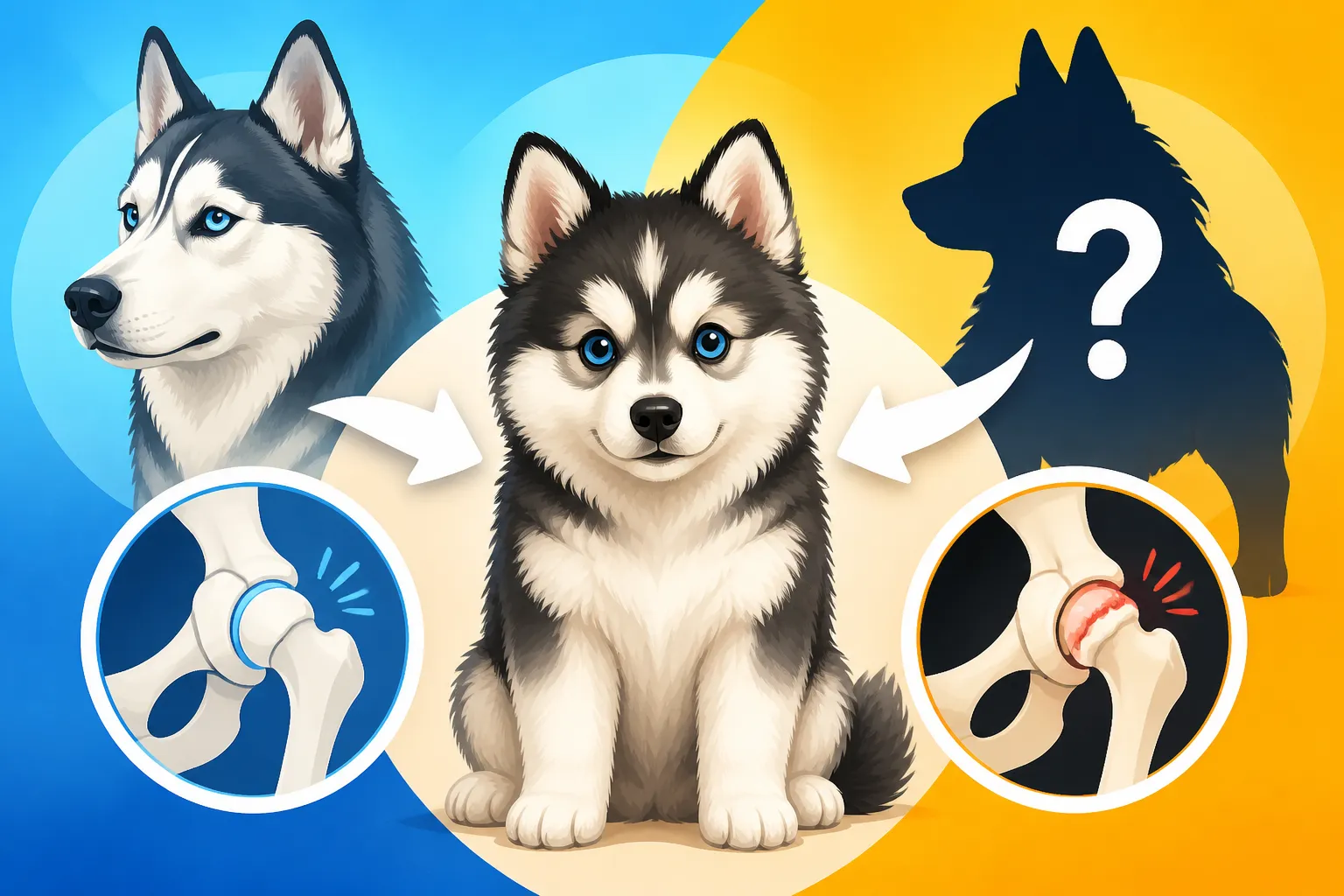
Whether a Pomsky Gets Hip Dysplasia From the Husky
It's heartbreaking to imagine your beloved Pomsky struggling with pain, especially when it comes to something as fundamental as movement. Many prospective and current Pomsky owners worry about hip dysplasia, wondering if this energetic, often pint-sized bundle of joy could inherit such a debilitating condition from its Husky lineage. You want to understand the risks, what to look for, and how to best protect your furry family member. This comprehensive guide will walk you through everything you need to know about hip dysplasia in Pomskies, from its origins to prevention and management, giving you the knowledge to advocate for your dog's long-term health.
Understanding Hip Dysplasia in Dogs: A Primer
Hip dysplasia is a term that strikes fear into the hearts of many dog owners, and for good reason. It’s a complex, often painful condition that can significantly impact a dog's quality of life. Before we delve into how it affects our adorable Pomskies, let's get a solid grasp of what it actually entails.
What Exactly is Canine Hip Dysplasia?
At its core, canine hip dysplasia is a developmental condition affecting the hip joint, which is a classic ball-and-socket joint. In a healthy hip, the "ball" (the head of the femur, or thigh bone) fits snugly and smoothly into the "socket" (the acetabulum, part of the pelvis). This allows for fluid, pain-free movement, letting your dog run, jump, and play with ease.
With hip dysplasia, this ideal fit is compromised. Instead of a tight connection, the joint becomes loose, or "lax." This laxity means the ball and socket don't grow at the same rate or don't align correctly. Over time, this abnormal movement causes wear and tear on the cartilage and bone. The body tries to compensate by laying down new bone, leading to the formation of bone spurs and the tell-tale signs of osteoarthritis. Imagine a door hinge that isn't quite aligned; every time you open and close the door, it grinds and wears down the components. That's essentially what's happening in a dysplastic hip, leading to inflammation, pain, and eventually, degenerative joint disease. This isn't just a minor issue; it's a progressive condition that can worsen over months and years, significantly impacting your Pomsky's mobility and comfort.
The Root Causes: Genetics, Environment, and Lifestyle
It’s crucial to understand that hip dysplasia isn't usually caused by a single factor. Instead, it's a multifaceted problem, often described as polygenic, meaning multiple genes contribute to its inheritance. This is why responsible breeding practices are so vital. A dog might carry the genetic predisposition without necessarily showing severe symptoms, but then pass those genes on to its offspring. This genetic component is the primary driver, but it's not the whole story.
Environmental factors play a significant supporting role in how severely hip dysplasia manifests, if at all. For a rapidly growing puppy, an unsuitable diet that promotes too fast growth can exacerbate hip laxity. Excessive or inappropriate exercise during the crucial developmental stages—think intense jumping, long runs on hard surfaces, or too much stair climbing before a year old—can put undue stress on immature joints, making a genetically predisposed puppy more likely to develop visible and painful dysplasia. Keeping a puppy lean is also important, as extra weight puts more strain on developing joints. Even something as seemingly benign as slippery floors can cause a young dog to splay its legs, potentially harming still-developing hips. It's a delicate balance, and understanding these factors can help you mitigate risks for your precious Pomsky.
Unpacking the Pomsky's Genetic Legacy: Husky and Pomeranian Contributions
When you bring a Pomsky into your life, you're getting a delightful blend of two distinct breeds: the Siberian Husky and the Pomeranian. Each parent breed brings its own set of genetic predispositions, and understanding these can shed light on your Pomsky's potential for hip dysplasia. Many prospective owners are curious about The Two Opposite Disease Lists a Pomsky Inherits, and hip issues are certainly on that radar.
The Siberian Husky's Predisposition to Hip Dysplasia
The Siberian Husky, known for its incredible endurance and athleticism, is indeed a breed that can be affected by hip dysplasia. While perhaps not as notoriously prone as some larger breeds like German Shepherds or Labradors, Huskies do have a measurable incidence of the condition. Reputable Husky breeders routinely screen their breeding stock for hip dysplasia using certifications like the Orthopedic Foundation for Animals (OFA) or PennHIP evaluations. These screenings help breeders make informed decisions to reduce the likelihood of passing on faulty genes.
If a Pomsky inherits more of the Husky's bone structure and size, especially a larger individual who might weigh Hip Dysplasia in a Twenty Pound Pomsky, the risk of developing hip dysplasia might be more pronounced. It's a numbers game: if one parent has a higher statistical chance of carrying the genes for hip dysplasia, then the offspring naturally have an increased chance of inheriting them. This is why asking breeders about the health clearances of both Husky parents is absolutely non-negotiable. Don't just assume; ask for proof.
The Pomeranian's Role in Pomsky Hip Health
Now, let's talk about the Pomeranian side of the family. Pomeranians are a toy breed, and while they aren't typically associated with severe hip dysplasia in the same way larger breeds are, they're not entirely exempt from joint issues. Smaller dogs can still experience joint laxity and osteoarthritis, although the clinical signs might be different or less severe due to their lighter body weight. Patellar luxation, or "slipping kneecaps," is a much more common orthopedic concern in Pomeranians than hip dysplasia. However, an overall genetic predisposition to joint laxity from either parent could potentially contribute to hip issues in a Pomsky.
When evaluating a Pomsky's potential hip health, it's about looking at the entire picture. A small Pomsky that leans heavily towards its Pomeranian genetics in terms of build might have different orthopedic concerns than one that resembles a miniature Husky. The key is that both parents, regardless of size, should have healthy joints and appropriate screenings.
Hybrid Vigor and the Pomsky's Hip Health Outlook
You often hear about "hybrid vigor" when discussing mixed breeds like the Pomsky. The idea is that by mixing two different breeds, you increase genetic diversity, potentially reducing the incidence of inherited diseases common in purebred lines. In some cases, this can certainly hold true, and there's definitely a lot of discussion around Whether an F1 Pomsky Is Healthier Than an F2. However, hybrid vigor isn't a magical shield against all genetic conditions. It doesn't guarantee a completely disease-free dog.
When it comes to hip dysplasia, if both parent breeds carry the genes for the condition, or even if only one does but passes them on, a Pomsky can absolutely develop it. Think of it this way: if you mix two paint colors, you get a new color, but if both original paints had an impurity, the new color will likely have it too. What hybrid vigor can do is reduce the overall likelihood when two very different gene pools are combined, but it won't eliminate specific genetic risks if those risks are prevalent in one or both of the parent lines contributing to the mix. Therefore, even with the potential benefits of hybrid vigor, thorough health testing of the parent dogs remains paramount for ensuring the healthiest possible Pomsky puppy.
Spotting the Signs: Early Detection and Diagnosis in Your Pomsky
One of the most crucial aspects of managing hip dysplasia is early detection. The sooner you identify potential issues, the better the chances of slowing its progression and keeping your Pomsky comfortable. As a vigilant owner, knowing what to look for can make all the difference.
Subtle Clues: How to Recognize Early Symptoms
Hip dysplasia symptoms can vary wildly, depending on the severity of the condition and your Pomsky's individual pain tolerance. Some dogs might be overtly lame, while others show only subtle changes that are easy to miss. Young puppies, often around 4-12 months old, might display pain and an abnormal gait during their rapid growth phase. You might notice them:
- "Bunny hopping": Running with both back legs moving together, like a rabbit, instead of independently.
- Reluctance to play or exercise: They might avoid jumping, climbing stairs, or prolonged walks.
- Difficulty getting up: After a nap or resting, they might struggle to stand or appear stiff.
- Lameness or limping: This can be intermittent or constant, often worse after exercise or in the morning.
- Decreased range of motion: You might notice their hips feel stiff, or they resist certain movements.
- Pain response: They might whimper or growl if you touch their hips.
- Muscle atrophy: Over time, the muscles in their hind legs might appear less developed due to disuse.
In adult Pomskies, especially those with milder forms of hip dysplasia, symptoms might only appear as osteoarthritis develops later in life. This can manifest as stiffness, difficulty rising, a reluctance to jump onto the couch (even if they used to), or reduced stamina on walks. It's often subtle, so paying close attention to any changes in your Pomsky's usual behavior and movement is key. If you ever see The Skip That Means a Pomsky's Knee Has Gone, it's important to differentiate patellar luxation from hip issues, though a vet can help distinguish.
The Diagnostic Journey: From Vet Exam to X-rays
If you suspect your Pomsky might have hip dysplasia, the first step is always a thorough veterinary examination. Your vet will perform a physical exam, which includes palpating the hip joints, checking for pain responses, and assessing the range of motion. They might also perform specific maneuvers, like the Ortolani sign, to check for hip laxity. Observing your Pomsky's gait is also crucial; they'll look for any signs of lameness, unusual movement, or stiffness.
However, a definitive diagnosis of hip dysplasia almost always requires X-rays. Because hip dysplasia isn't always visible from the outside, radiographic imaging allows the vet to see the internal structure of the hip joints. For these X-rays, your Pomsky will usually need to be sedated or given a general anesthetic to ensure they are perfectly still and positioned correctly. This allows for clear, precise images that show the degree of laxity, any signs of degenerative joint disease, and the overall health of the hip joint. It’s a bit like taking a picture of a moving car versus a parked one – you get a much clearer shot when the subject is still. This is why if you have Whether a Limping Pomsky Needs Films, your vet will almost certainly recommend X-rays. Moreover, your vet will discuss When a Pomsky's Hips Can Be X Rayed to ensure the optimal timing for accurate results, typically after they've reached skeletal maturity.
Navigating Life with Hip Dysplasia: Management and Prevention Strategies
Discovering your Pomsky has hip dysplasia can feel overwhelming, but it's important to remember that many dogs live full, happy lives with proper management. There are various strategies, from conservative treatments to surgical options, and proactive steps you can take to prevent or mitigate the condition.
Conservative Management: Keeping Your Pomsky Comfortable
For many Pomskies with mild to moderate hip dysplasia, or even severe cases where surgery isn't an option, conservative management is the cornerstone of treatment. The primary goals are to reduce pain, maintain muscle mass, and improve mobility.
One of the most critical aspects is weight management. Every extra pound puts immense strain on compromised joints. Keeping your Pomsky lean, even slightly underweight, can dramatically reduce pain and slow the progression of arthritis. This might involve a carefully controlled diet and regular, moderate exercise.
Controlled exercise is another key component. This isn't about stopping activity entirely, but rather modifying it. Short, frequent walks on soft surfaces like grass are better than long, intense sessions or high-impact activities like jumping or aggressive play. Swimming is an excellent, low-impact exercise that builds muscle without stressing the joints. Consider investing in a high-quality harness to avoid pressure on their neck and throat during walks, especially if they pull.
Joint supplements can also play a vital role. Ingredients like glucosamine, chondroitin sulfate, MSM, and omega-3 fatty acids (found in fish oil) can help support cartilage health, reduce inflammation, and improve joint lubrication. Many owners report noticeable improvements in their dogs' comfort levels with consistent use. If you're wondering Whether Joint Supplements Help a Pomsky, the answer is often yes, especially as part of a multi-modal approach. Brands like Healthy Paws often cover the cost of these supplements if they are prescribed by a vet as part of a treatment plan for a covered condition, highlighting the value of good pet insurance.
Finally, your vet might prescribe anti-inflammatory medications (NSAIDs) during flare-ups or for ongoing pain relief. Other options might include cold laser therapy, acupuncture, or physical therapy exercises prescribed by a certified canine rehabilitation therapist.
Surgical Interventions: When is Surgery an Option?
When conservative management isn't enough to control pain or maintain an acceptable quality of life, surgery might be considered. The type of surgery depends on the dog's age, size, the severity of the dysplasia, and the extent of arthritis.
- Juvenile Pubic Symphysiodesis (JPS): This is a preventative surgery performed only on puppies between 12-20 weeks of age. It encourages better hip socket development by fusing a part of the pelvis, changing how the bones grow and improving the fit of the hip joint.
- Triple Pelvic Osteotomy (TPO) / Double Pelvic Osteotomy (DPO): These surgeries involve cutting the pelvis in multiple places, rotating the segments, and then re-fixing them with plates and screws to create a tighter, more stable hip joint. This is typically performed on younger dogs (usually under a year old) with no existing arthritis and significant hip laxity.
- Femoral Head Ostectomy (FHO): This procedure is more of a salvage surgery, often chosen for smaller dogs like some Pomskies or when a total hip replacement isn't feasible. The surgeon removes the ball portion of the femur, and scar tissue forms a "false joint," alleviating bone-on-bone pain. While it won't restore a perfect joint, it can significantly improve comfort.
- Total Hip Replacement (THR): This is the most effective surgical option for severe hip dysplasia with significant arthritis, restoring near-normal function. A prosthetic ball and socket replace the damaged joint. This is a specialized and costly procedure, usually reserved for larger dogs, but can be considered for appropriately sized Pomskies at specialized surgical centers.
Discussing these options thoroughly with your veterinary surgeon is paramount to determine the best course of action for your Pomsky, especially considering potential costs that insurance providers like Healthy Paws can help alleviate.
Proactive Steps: Choosing a Healthy Pomsky Puppy
Prevention truly begins before you even bring your Pomsky puppy home. Responsible breeding is the single most important factor in reducing the incidence of inherited conditions like hip dysplasia.
- Ask for Health Clearances: A reputable breeder will have thoroughly health-tested both parent dogs. For hip dysplasia, this means OFA (Orthopedic Foundation for Animals) or PennHIP evaluations. OFA provides a rating (Excellent, Good, Fair, Borderline, Mild, Moderate, Severe), while PennHIP provides a distraction index, which is a quantitative measure of hip laxity. Don't accept vague assurances; ask to see the actual certificates. A good breeder should be transparent about The Health Tests a Pomsky Breeder Should Show.
- Understand Pedigrees: While you might not get a traditional pedigree for a crossbreed like a Pomsky, a good breeder will be able to show you the lineage of both the Husky and Pomeranian parents. Understanding the health history of grandparents and great-grandparents can also be insightful.
- Visit the Breeder: If possible, visit the breeder's facility. Observe the parent dogs (if available) to see their gait, energy levels, and overall condition. A clean, well-maintained environment and happy, healthy adult dogs are good indicators of a responsible breeding program.
- Ask Questions: Don't be afraid to ask a lot of questions about the parents' health, temperament, and any history of hip dysplasia in their lines. A good breeder will welcome your questions and be eager to educate you.
Remember, a cheaper puppy from an untested litter often means a higher risk of health issues and potentially higher vet bills down the line. Investing in a puppy from health-tested parents is an investment in your Pomsky's future health and well-being.
Lifestyle Adjustments for Optimal Hip Health
Once you've brought your Pomsky home, there are several lifestyle adjustments you can make to promote optimal hip health, especially during their crucial growth phases:
- Controlled Growth: Work with your vet to ensure your puppy grows at a moderate pace. Overfeeding or feeding diets too high in calcium or calories can lead to excessively rapid growth, which can put stress on developing joints.
- Appropriate Exercise: As mentioned earlier, avoid high-impact activities. Don't let your puppy jump excessively from heights (like off furniture or out of a car), avoid long, forced runs, and limit vigorous play on hard surfaces. Consider ramp access to the bed or couch; Whether a Pomsky Should Use Steps to the Couch is definitely a yes for protecting joints. Similarly, minimize stair climbing, as Whether Stairs Damage a Pomsky's Knees is a legitimate concern, particularly during their puppyhood.
- Supportive Environment: Provide soft bedding, especially for older dogs or those with diagnosed dysplasia. Ensure non-slip surfaces throughout your home, using rugs or runners on tile or hardwood floors to prevent slips and falls that can jar sensitive joints.
- Regular Vet Check-ups: Maintain a regular schedule of veterinary visits. Your vet can monitor your Pomsky’s weight, assess their gait, and catch any subtle signs of joint issues early on. Catching problems early allows for quicker intervention and can significantly improve the long-term prognosis. This proactive approach is where pet insurance, like a plan from Healthy Paws, can truly be a lifesaver, helping to cover unexpected diagnostics and ongoing care costs, ensuring your Pomsky gets the best possible treatment without financial stress weighing heavily on your mind.
By understanding the genetic and environmental factors at play, being diligent in your observations, and making informed choices about breeding and lifestyle, you can significantly influence your Pomsky's hip health. Your dedication today can lead to many more years of joyful, active companionship with your beloved canine friend.
Disclaimer
Please remember that the information provided in this guide is for educational purposes only and should not be considered a substitute for professional veterinary advice. Always consult with a qualified veterinarian for any health concerns or before making any decisions related to your Pomsky's medical care.