When a Pomsky’s Hips Can Be X Rayed
Finding out your beloved Pomsky might be experiencing joint pain or a subtle limp can be incredibly worrying, and it's natural to immediately wonder about the health of their hips. When it comes to something as potentially serious as hip dysplasia, getting a clear picture through X-rays is often the first step to understanding what's going on and ensuring your furry family member lives a comfortable life. This comprehensive guide will walk you through when and why hip X-rays are performed on Pomskies, what to expect, and how to proactively manage their joint health.
Understanding Hip Dysplasia in Pomskies
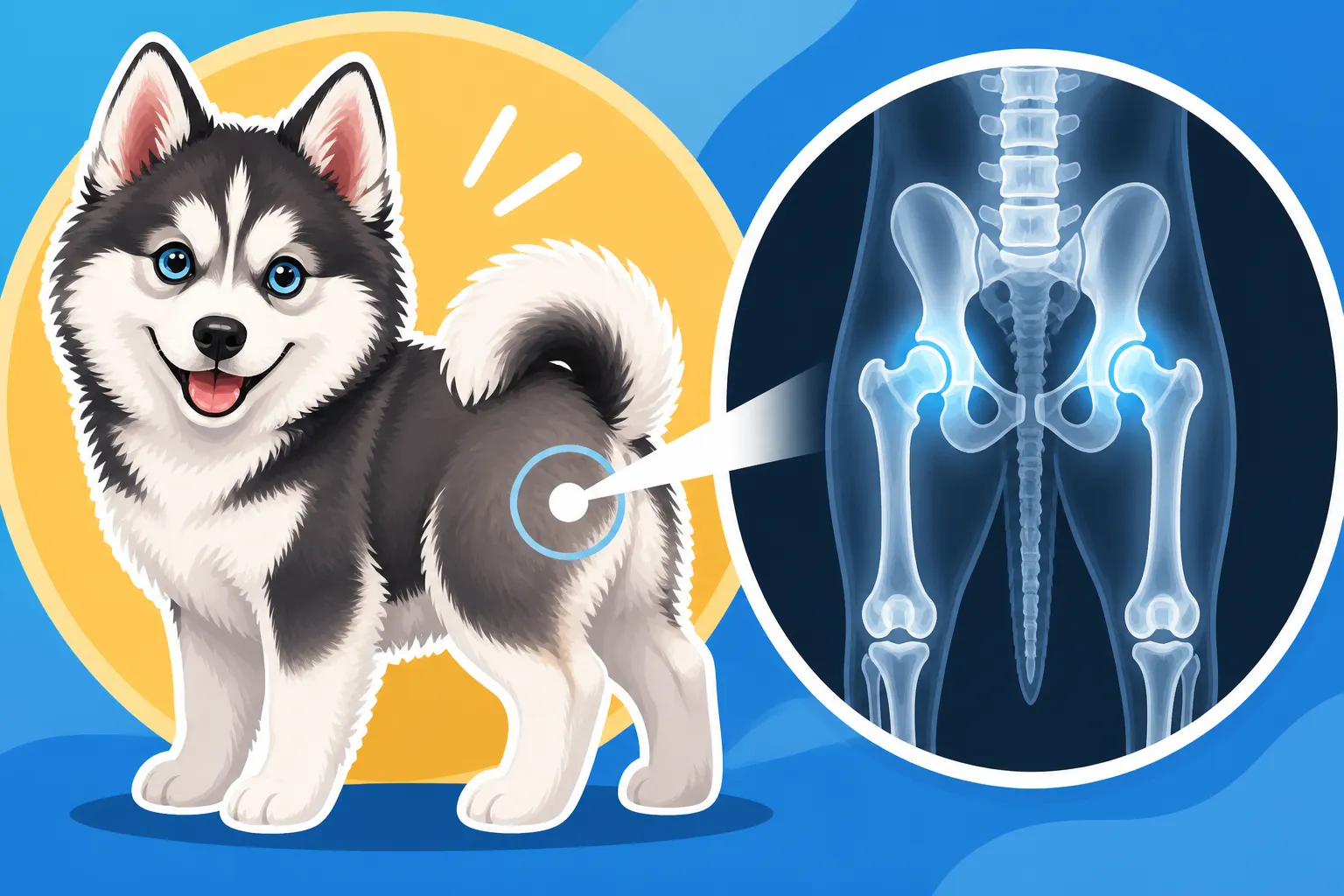
Hip dysplasia is a condition that many dog owners have heard of, and it often carries a heavy weight of concern. Essentially, it's a malformation of the hip joint, where the ball (the head of the femur) and socket (the acetabulum in the pelvis) don't fit together snugly. Instead of gliding smoothly, they can rub and grind, leading to deterioration over time. This can cause pain, lameness, and eventually, debilitating arthritis.
What makes hip dysplasia particularly relevant for Pomsky owners is their genetic lineage. They're a mix of two breeds, the Siberian Husky and the Pomeranian, and unfortunately, both can carry genetic predispositions to orthopedic issues. While Pomeranians are more known for patellar luxation (slipping kneecaps), Huskies are certainly on the radar for hip dysplasia. This means your adorable Pomsky has a chance to inherit this predisposition from either side, especially the Husky.
The Genetic Component from Both Parent Breeds
When we talk about a Pomsky's health, it's always a fascinating blend of possibilities from their parent breeds. In the case of hip dysplasia, the Siberian Husky brings a definite genetic component to the table. While Huskies generally have a lower incidence of severe hip dysplasia compared to some larger breeds, they are not immune. A quick check of data from organizations like the Orthopedic Foundation for Animals (OFA) confirms that a percentage of Huskies are affected. This means that if your Pomsky has a Husky parent with a less-than-ideal hip score, or even a carrier without symptoms, your Pomsky could inherit that tendency. It's a roll of the genetic dice, and understanding that this potential exists is crucial for responsible ownership.
On the other hand, the Pomeranian, while typically a smaller breed, also has its own set of orthopedic concerns. While hip dysplasia isn't as prevalent or as severely impactful in Pomeranians due to their smaller size, they can still contribute to joint laxity. Furthermore, conditions like Legg-Calve-Perthes disease, which affects the femoral head in small breeds, can sometimes be mistaken for hip issues or coexist with them. The combined genetic pool means there's a variation in how a Pomsky's skeleton develops, which is why monitoring their growth and understanding the potential for Hip Dysplasia in a Pomsky is so vital. It’s also why researching your breeder and asking to see parent health clearances, specifically for hips, is paramount. This insight helps you understand if Whether a Pomsky Gets Hip Dysplasia From the Husky or Pomeranian side might be influencing your puppy's joint health.
Why Early Detection Matters for Long-Term Health
You might think that if your Pomsky isn't showing obvious signs of pain, there's no rush to investigate. However, with conditions like hip dysplasia, early detection is absolutely key to managing the disease effectively and ensuring your dog maintains a good quality of life for as long as possible. If left unchecked, the friction and instability in the hip joint can lead to progressive degeneration, more pronounced pain, and severe osteoarthritis. This isn't just about discomfort; it can severely limit your Pomsky's ability to run, play, jump, and even walk without significant difficulty.
The progression of hip dysplasia often follows a pattern: initial laxity in the joint, followed by inflammation, pain, and eventually the development of bone spurs and irreversible cartilage damage. By intervening early, your veterinarian can recommend strategies that slow this progression, alleviate pain, and improve mobility. This could include controlled exercise, weight management, physical therapy, and appropriate joint supplements. Think of it like a crack in a windshield – the sooner you address it, the less likely it is to spread and become a much bigger, more expensive, and more impactful problem. Ensuring your Pomsky remains active and comfortable into their senior years is the ultimate goal, and early detection is a powerful tool to achieve this.
Optimal Timing for Hip X-Rays in Pomskies
When it comes to X-raying your Pomsky's hips, there are generally two main scenarios that dictate the timing: routine screening for health certification, especially if breeding is a consideration, and diagnostic X-rays due to clinical signs of discomfort or lameness. The approach and age recommendation for each scenario can be quite different.
For breeders, adhering to established health testing protocols is paramount for improving the overall health of the breed. This means understanding the guidelines set by reputable organizations. For pet owners, recognizing the subtle signs that something might be amiss can prompt necessary diagnostic imaging long before any official screening age is reached.
Standard Screening for Breeding and Health Certification
For any responsible breeder aiming to produce healthy Pomsky puppies, hip evaluations are a cornerstone of their breeding program. The gold standard for health certification in many breeds, including the Siberian Husky, is through organizations like the Orthopedic Foundation for Animals (OFA). The OFA's primary recommendation for hip screening for official certification is when a dog reaches 24 months of age, or two years old.
The reason for this specific age is crucial: by two years, a dog's skeletal system is considered fully mature. Before this age, the growth plates are still open, and the hip joints are still developing, which can lead to inaccurate assessments of hip quality. An X-ray taken too early might show a seemingly good hip that later develops laxity, or vice versa, making the certification unreliable. This 24-month marker provides the most consistent and accurate picture of the adult hip joint, giving breeders the best information on whether their dog is suitable for breeding and won't pass on undesirable traits. Any reputable breeder should be transparent about The Health Tests a Pomsky Breeder Should Show for their breeding stock, and OFA hip certifications should be among them. This practice helps ensure healthier generations and mitigates potential issues in puppies, whether they are Whether an F1 Pomsky Is Healthier Than an F2 or a later generation.
When Earlier X-Rays Become Necessary
While 24 months is the benchmark for official certification, life with a puppy rarely follows a strict schedule, and sometimes issues arise much earlier. If your Pomsky starts showing signs of discomfort or lameness in their hindquarters before their second birthday, waiting for the official screening age is absolutely not recommended. In these cases, earlier X-rays become a critical diagnostic tool.
Signs that might prompt an early veterinary visit and potential X-rays include a noticeable limp, difficulty getting up or lying down, a reluctance to play or jump, "bunny hopping" (where both hind legs move together), an unusual gait, or sensitivity when you touch their hips. If you notice any of these symptoms, even if subtle, it's time to consult your veterinarian. These diagnostic X-rays are not for certification but purely to understand the underlying cause of your Pomsky's discomfort. For instance, if you're concerned about Whether a Limping Pomsky Needs Films, the answer is almost always yes, regardless of their age. Conditions like Legg-Calve-Perthes disease or even trauma can manifest with similar signs in younger dogs, making accurate diagnosis essential for prompt and effective treatment. Early intervention can prevent further damage and significantly improve your Pomsky's quality of life.
The Hip X-Ray Process and What to Expect
Having your Pomsky undergo X-rays can feel a bit daunting, but understanding the process can alleviate some of that anxiety. It's a routine procedure for veterinarians, designed to get clear, diagnostic images of your dog's hip joints. The ultimate goal is to gather the best possible information to ensure your Pomsky's comfort and long-term health.
Whether it's for an official OFA screening or to diagnose a sudden lameness, the fundamental steps are largely similar, focusing on precise positioning and patient safety.
Preparing Your Pomsky for the Procedure
For hip X-rays, especially those intended for OFA certification, your Pomsky will almost certainly require sedation or light anesthesia. This might sound concerning, but it's a critical step for a few very good reasons. Firstly, to get truly diagnostic images, your Pomsky needs to be perfectly still and positioned in very specific ways (e.g., lying on their back with hind legs extended and rotated inward). Even the most compliant dog would struggle to hold these positions without a little help. Anesthesia ensures immobility, reduces stress and pain during positioning, and allows for clear, artifact-free images. Your vet will conduct a thorough pre-anesthetic check, which usually includes blood work, to ensure your Pomsky is healthy enough for the procedure.
You'll typically be asked to fast your Pomsky for 8-12 hours before the appointment, just as you would for any procedure involving anesthesia. This is to prevent aspiration (inhaling vomit) during or after sedation. Your vet will provide specific instructions tailored to your dog. It's natural to feel a bit anxious seeing your dog go in for this, but rest assured, veterinary teams are highly skilled at safely anesthetizing and monitoring pets. They prioritize your Pomsky's well-being throughout the entire process. After the X-rays are complete, your Pomsky will be carefully monitored during recovery from the anesthesia before you take them home.
Interpreting the Results
Once the X-rays are taken, the images are reviewed by a qualified veterinarian, often a board-certified veterinary radiologist, especially for official certifications like OFA. What they're looking for is evidence of hip laxity (looseness in the joint), abnormal joint formation (such as a shallow socket or a poorly formed femoral head), and signs of osteoarthritis (like bone spurs or sclerosis). For OFA evaluations, hips are graded as excellent, good, fair, borderline, mild, moderate, or severe. Only excellent, good, and fair grades are considered passing for breeding purposes.
Another common method for hip evaluation is PennHIP, which can actually be performed on dogs as young as 16 weeks. Unlike OFA, which focuses on a subjective assessment of joint conformation, PennHIP measures hip laxity quantitatively using a distraction index. This method is often considered more sensitive for predicting the likelihood of developing hip dysplasia. Your vet will discuss which method is most appropriate for your Pomsky's situation. A diagnosis of hip dysplasia, whether mild or severe, doesn't mean the end of the world. It means you now have valuable information to guide management. This could involve physical therapy, maintaining a healthy weight, joint supplements like glucosamine and chondroitin, or even surgical options in more severe cases. Pet insurance, such as through Healthy Paws, can be a lifesaver when dealing with the costs associated with diagnostic imaging and ongoing treatments for hip dysplasia, making it easier to provide the best care for your Pomsky.
Managing Hip Health in Your Pomsky
Receiving a diagnosis of hip dysplasia can feel overwhelming, but it's important to remember that it's a manageable condition. With the right approach and a commitment to ongoing care, many Pomskies can lead happy, active lives despite having hip issues. The key is a multi-faceted strategy that addresses pain, supports joint function, and prevents further deterioration.
It's about creating a supportive environment and routine that caters to their specific needs, transforming a potential long-term struggle into a manageable part of their life.
Lifestyle Adjustments and Supportive Care
One of the most impactful things you can do for a Pomsky with hip dysplasia is to maintain an ideal body weight. Extra pounds put enormous strain on already compromised joints, accelerating degeneration and increasing pain. Work with your vet to establish a healthy weight target and a feeding plan. Controlled exercise is also crucial – it's not about stopping activity, but modifying it. High-impact activities like aggressive jumping, prolonged running on hard surfaces, or sudden stops and starts should be minimized. Instead, focus on low-impact exercises such as swimming (if your Pomsky enjoys it), steady walks on soft ground, or leash walks that encourage a consistent gait. Whether a Pomsky Should Jump Off Furniture is a valid concern, as repeated high impact can worsen joint health. Consider ramps or steps for access to couches and beds.
Furthermore, supportive care can make a world of difference. Many owners find that Whether Joint Supplements Help a Pomsky is a definite yes, with ingredients like glucosamine, chondroitin, MSM, and omega-3 fatty acids playing a role in supporting cartilage health and reducing inflammation. Your vet might also recommend anti-inflammatory medications during flare-ups or for daily pain management. Physical therapy, including hydrotherapy or therapeutic exercises prescribed by a certified professional, can strengthen supporting muscles around the hip joint, improving stability and reducing pain. Even small changes at home, like providing orthopedic dog beds and ensuring easy access to food and water bowls, contribute to overall comfort for Caring for a Pomsky Past Ten as they age with hip issues.
The Role of Pet Insurance and Breeder Guarantees
Navigating the costs of diagnosing and managing hip dysplasia can be substantial, which is where pet insurance and responsible breeder guarantees come into play. Pet insurance, like policies offered by Healthy Paws, can provide significant financial relief. It's crucial, however, to understand the specifics of your policy. Most pet insurance plans have waiting periods before coverage for certain conditions begins, and pre-existing conditions (any illness or injury that showed symptoms before coverage started or during the waiting period) are typically not covered. This underscores the importance of getting insurance early in your Pomsky's life, ideally when they are a puppy and healthy. When Insuring a Pomsky Against Two Parent Breeds, make sure to review the terms carefully to understand coverage for breed-specific conditions. Some policies might have specific exclusions or higher premiums for orthopedic issues, so clarifying this upfront is essential.
On the breeder side, a reputable Pomsky breeder will typically offer a health guarantee that covers genetic conditions like hip dysplasia for a certain period. This often means they will contribute towards diagnostic costs or offer a partial refund or replacement if the condition is diagnosed within the guaranteed timeframe. Always get this in writing as part of your purchase contract, and understand exactly What a Pomsky Health Guarantee Covers. While pet insurance and breeder guarantees offer different types of financial protection, both are valuable resources for Pomsky owners facing the challenges of hip dysplasia. Planning ahead and being informed about these options can make a difficult situation much more manageable.
OFA vs. PennHIP: A Quick Comparison
When discussing hip X-rays for your Pomsky, you'll likely hear about two primary methods of evaluation: OFA (Orthopedic Foundation for Animals) and PennHIP. Both aim to assess hip health, but they do so with different methodologies and goals.
| Feature | OFA (Orthopedic Foundation for Animals) | PennHIP |
|---|---|---|
| Primary Goal | Subjective evaluation of hip conformation for breeding soundness | Quantitative measurement of hip laxity and osteoarthritis risk |
| Minimum Age | 24 months (2 years) for final certification | 16 weeks (4 months) |
| Methodology | Single extended VD (ventrodorsal) radiograph, reviewed by 3 radiologists. | Three specific radiographs: extended VD, compression, and distraction. |
| Results/Grading | Grades from Excellent to Severe. Passing grades are Excellent, Good, Fair. | Distraction Index (DI) score (0-1, lower is tighter) and comparison to breed. |
| Sedation/Anesthesia | Required for proper positioning. | Required for proper positioning. |
| What it measures | Visual assessment of joint integrity, shape, and signs of degenerative joint disease. | Quantifies the amount of laxity in the hip joint, a key predictor of hip dysplasia. |
| Best suited for | Official breeding certifications when skeletal maturity is complete. | Early risk assessment and identifying dogs with loose hips for breeding decisions. |
Understanding the differences between OFA and PennHIP can help you make an informed decision with your veterinarian about the best approach for evaluating your Pomsky's hip health, whether it's for breeding, early detection, or managing symptoms.
Disclaimer
This article is for general informational purposes only and does not constitute professional advice. Laws, prices and regulations vary by location and change over time. Consult a qualified professional for guidance on your specific situation.