Whether a Pomsky Tolerates Heat Worse Than a Husky
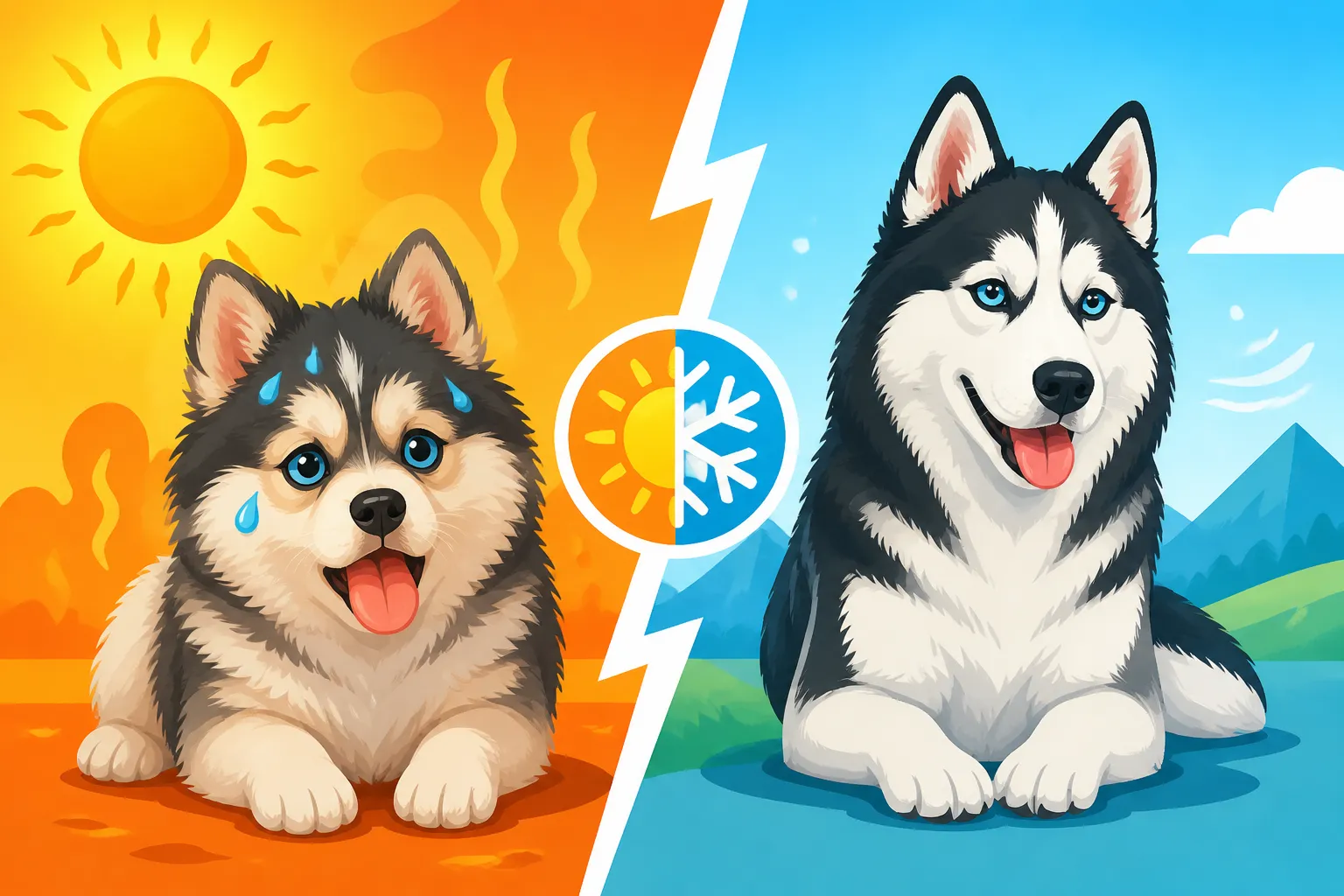
For any Pomsky parent living in a warmer climate, or even just facing a sweltering summer, a major worry often creeps in: "Is my fluffy companion secretly suffering?" You look at that gorgeous double coat and immediately picture a Husky enduring a desert, and it's a valid concern. This comprehensive guide will delve deep into how Pomskies handle heat, comparing their tolerance to that of their Siberian Husky ancestors, and equip you with practical, empathetic strategies to ensure your furry friend stays safe and comfortable when temperatures rise.
Understanding the Pomsky's Heat Tolerance
It's easy to assume that because a Pomsky is part Husky, they'll simply "take after" the Husky in all things, including heat tolerance. But the reality is far more nuanced, blending traits from both the Siberian Husky and the Pomeranian. Both parent breeds have dense coats, but their original climates and adaptations are vastly different, creating a fascinating, and sometimes challenging, mix in the Pomsky.
The Double Coat Dilemma: Husky vs. Pomeranian Influence
Let's talk about that glorious, dense coat. Both Huskies and Pomeranians possess a double coat: a soft, insulating undercoat and coarser, protective guard hairs. This double coat is phenomenal for keeping them warm in frigid temperatures, but it can be a double-edged sword in the heat. Many people mistakenly believe shaving a double-coated dog will cool them down, but it often does the opposite, removing their natural insulation and exposing their skin to sunburn. A well-maintained double coat actually creates a thermal barrier, trapping cooler air close to the skin and protecting against the sun's harsh rays.
However, the key difference often lies in the density and texture. Huskies are built for extreme cold, with an incredibly thick undercoat designed to withstand Arctic conditions. Pomeranians, while also double-coated, come from a slightly less extreme cold environment and are smaller, meaning their body mass-to-surface area ratio allows them to dissipate heat a bit more effectively than a larger, identically coated dog. A Pomsky can inherit any combination of these coat traits. You might have a Pomsky that carries a Husky coat at twenty pounds, with an incredibly dense undercoat that sheds profusely twice a year during their seasonal "blowouts." This particular type of coat will make them more susceptible to overheating than a Pomsky with a lighter, more Pomeranian-like coat. The actual thickness and density of your individual Pomsky's coat will be a huge determinant in how well they cope.
Factors Influencing Heat Tolerance Beyond Breed
Beyond their genetic makeup and coat type, several other factors play a critical role in your Pomsky's ability to tolerate heat. Age is a significant one; very young puppies and senior Pomskies are more vulnerable to heat stress. Puppies haven't fully developed their thermoregulation systems, and older dogs, especially those with underlying health conditions like heart disease or respiratory issues, struggle more. For older Pomskies, it's important to remember that caring for a Pomsky past ten often means being more vigilant about temperature and humidity.
Weight also comes into play. An overweight Pomsky has an extra layer of insulation (fat) that makes it harder for them to cool down. Maintaining a healthy weight is crucial for their overall well-being and heat tolerance. Furthermore, the individual temperament and activity level of your Pomsky can influence their risk. A dog that naturally pushes itself hard during play, even when hot, is at greater risk than one that self-regulates and seeks shade. Always remember that even a seemingly active dog can be pushing its limits without showing obvious signs until it's too late. When considering pet insurance for unexpected heat-related emergencies, many owners choose providers like Healthy Paws, which offers comprehensive coverage for various conditions, including those that might arise from environmental factors.
Recognizing Signs of Overheating in Your Pomsky
It’s not always obvious when your furry friend is starting to struggle in the heat. Unlike humans, dogs don't sweat efficiently through their skin; they primarily cool themselves through panting. This means you need to be extra vigilant and understand the signs that indicate your Pomsky is getting too hot. Early detection can literally save their life.
Early Warning Signals
The first signs of overheating in a Pomsky are often subtle, and they can easily be missed if you're not paying close attention. Increased panting, which sounds heavier and more rapid than usual, is one of the earliest indicators. They might also appear restless, trying to find a cooler spot to lie down, constantly shifting position, or seeking out shade. Their gums might look redder than normal, and their saliva could become thick and ropey. You might notice them drooling more than usual, which is another attempt by their body to cool down.
Another tell-tale sign is lethargy or a general lack of enthusiasm for activities they usually love. If your normally playful Pomsky is suddenly uninterested in a game of fetch, especially after being outside, it's a red flag. They might also start digging, as you might find a Pomsky that digs in the yard, not just out of boredom, but instinctually trying to reach cooler earth. Always keep an eye out for these changes in behavior, as they are your Pomsky's way of telling you they're uncomfortable and need help. It's often debated whether a Pomsky overheats more than a Husky, but the signs of distress are universal across most breeds.
Severe Symptoms and Emergency Actions
If the early warning signs are missed, a Pomsky's condition can rapidly escalate to severe heatstroke, which is a medical emergency. Critical signs include excessive, uncontrolled panting that sounds like gasping, a staggering gait or collapse, vomiting, diarrhea (sometimes bloody), and seizures. Their gums might become very bright red or even purple, and their body temperature will feel extremely hot to the touch. These are unmistakable signs that your Pomsky is in immediate danger.
If you suspect your Pomsky is experiencing heatstroke, every second counts. Get them out of the heat immediately and into the coolest environment you can find, whether that's an air-conditioned car, home, or a shady spot. Begin cooling them down gently. Wet towels applied to their neck, armpits, and groin areas can help, or you can gently spray them with cool (not ice-cold) water. Offer small amounts of water, but don't force them to drink. Crucially, do not use ice-cold water or submerge them in icy baths, as this can cause their blood vessels to constrict, trapping heat inside their body, and can also lead to shock. While you are cooling them, call your veterinarian or the nearest emergency animal clinic right away. Inform them you are on your way with a suspected heatstroke victim. Prompt veterinary care is essential, as heatstroke can lead to organ damage or even death. Having pet insurance, such as a plan from Healthy Paws, can provide immense relief in these stressful situations by helping to cover the often significant costs of emergency treatment.
Practical Strategies for Keeping Your Pomsky Cool
Living with a Pomsky means being proactive about managing their comfort in warmer weather. It's not just about reacting when they're too hot, but implementing daily routines and environmental changes that prevent them from reaching that critical point in the first place. You want your fluffy family member to thrive, not just survive, through the summer months.
Modifying Daily Routines and Exercise
One of the most effective ways to protect your Pomsky from overheating is to adjust their daily schedule, especially when it comes to exercise. Avoid walks and strenuous play during the hottest parts of the day, typically between 10 AM and 4 PM. Instead, plan walks for early mornings and late evenings when the temperatures are significantly lower. This is particularly important for breeds like Pomskies who have dense coats; knowing when to walk a Pomsky in summer is vital. On truly scorching days, skip outdoor walks altogether and opt for indoor mental stimulation or very short potty breaks in the shade.
Remember that pavements, asphalt, and even sand can heat up to dangerously high temperatures, burning your Pomsky's paw pads. If it's too hot for you to comfortably hold your hand on the pavement for five seconds, it's too hot for your dog's paws. Consider booties for short necessary outings or stick to grassy areas. Monitoring signs a Pomsky is overheating is crucial, so always carry water and take frequent breaks. If your Pomsky enjoys water, a shallow kiddie pool in the shade can be a wonderful way for them to cool off and expend some energy.
Creating a Cool Home Environment
Your home becomes your Pomsky's sanctuary from the heat, so it's essential to create an environment where they can always escape the rising temperatures. If you have air conditioning, keep it running, especially on hot days. If you're wondering whether a Pomsky needs air conditioning, the answer is a resounding yes, particularly for those with denser Husky-like coats. Don't rely solely on open windows, as they often don't provide adequate cooling when outdoor temperatures are high.
Beyond AC, strategically placed fans can help circulate air. Ceramic tiles or hardwood floors tend to stay cooler than carpets, offering a nice spot for your Pomsky to lie down. Elevated dog beds, which allow air to circulate underneath, can also provide relief. For those without central air, consider setting up a "cool room" in your house with a window unit or portable AC. Drawing blinds and curtains during the day can also help keep direct sunlight out and maintain a lower indoor temperature. This thoughtful approach ensures that even if you have to leave your Pomsky alone for a few hours, they have a safe, cool space. Many caring owners find that pet insurance, such as that offered by Healthy Paws, gives them peace of mind, knowing that if any heat-related illness occurs despite their best efforts, the financial burden will be lessened.
Hydration and Cooling Aids
Proper hydration is paramount for preventing heat stress. Always ensure your Pomsky has access to fresh, cool water. Keep multiple water bowls around the house and in any outdoor shaded areas. You can add ice cubes to their water bowl to keep it colder for longer. During walks, always bring a portable water bottle and a collapsible bowl for your Pomsky.
Beyond simple hydration, there are several cooling aids that can make a big difference. Cooling mats, which contain a gel that activates with pressure, can provide a cool spot for your Pomsky to lie on. Cooling vests or bandanas, which you soak in water before putting on your dog, use evaporative cooling to help lower their body temperature. Remember to keep them wet for maximum effect. For a quick cool-down, a damp towel draped over their back or a gentle spray with a hose (never directly in their face) can offer immediate relief. Frozen treats, like ice cubes with broth or frozen Kongs stuffed with dog-safe purees, not only offer a delicious diversion but also help to hydrate and cool them from the inside out. Understanding whether a Pomsky should swim to cool down is important; if your dog enjoys it, a supervised dip in a pool or lake can be an excellent way to beat the heat.
| Cooling Strategy | Description | Best Use Case |
|---|---|---|
| Adjust Exercise Times | Schedule walks and playtime for early morning or late evening to avoid peak heat. | Daily routine adjustment, especially in summer. |
| Provide Ample Water | Keep fresh, cool water available at all times, with multiple bowls. Add ice cubes. | Constant prevention, crucial for all weather. |
| Cooling Mats | Gel-filled mats that absorb body heat. | Indoor resting spots, crates, car travel. |
| Cooling Vests/Bandanas | Wetted fabric that uses evaporation to cool the dog. | Walks, outdoor activities, when ambient temperature is high but shade is available. |
| Shade and Shelter | Ensure constant access to shaded areas outdoors and a cool, air-conditioned indoor space. | Essential outdoor safety, indoor comfort. |
| Frozen Treats | Ice cubes, frozen broth, or stuffed Kongs. | Mental enrichment, internal cooling, hydration. |
| Shallow Pool/Water Play | Supervised access to a kiddie pool or lake. | Active cooling and exercise on very hot days. |
| Paw Protection | Avoid hot pavement; use dog booties if walking on hot surfaces is unavoidable. | Protecting sensitive paw pads during necessary outdoor excursions. |
Conclusion
Ultimately, a Pomsky's heat tolerance is a complex interplay of their genetic inheritance, individual coat type, age, weight, and even their personal activity level. While their Husky lineage suggests a predisposition to colder climates, many Pomskies can adapt to warmer environments with the right care and precautions. The most important thing is to be diligent, observant, and proactive. By understanding the early warning signs of overheating, modifying your daily routines, creating a cool home environment, and utilizing hydration and various cooling aids, you can ensure your beloved Pomsky remains safe and comfortable, even when the mercury rises. Prioritizing their well-being in the heat is a testament to the love and commitment you have for your furry family member.
Disclaimer
Please remember that the information provided in this guide is for educational purposes only and should not be considered a substitute for professional veterinary advice. Always consult with a qualified veterinarian for any health concerns or before making any decisions related to your Pomsky's health and care.