Whether a Pomsky Goes Blind From Cataracts
It’s a heart-wrenching moment for any Pomsky parent: you look into your furry friend’s eyes and notice a subtle cloudiness, a change that wasn't there before. The immediate fear is often, "Are they going blind?" This common worry, especially concerning cataracts, can feel overwhelming. This comprehensive guide will walk you through what cataracts mean for your beloved Pomsky, how they can affect vision, and what steps you can take to manage this condition, helping you understand if and when blindness might become a reality.
Understanding Cataracts in Pomskies: More Than Just Cloudiness
Seeing a change in your Pomsky's eyes can be quite alarming. Many people confuse the natural aging process of the eye with a serious condition, leading to unnecessary stress. It's crucial to understand the nuances of what might be happening behind those beautiful, often piercing, Pomsky eyes.
What Exactly Are Cataracts and How Do They Form?
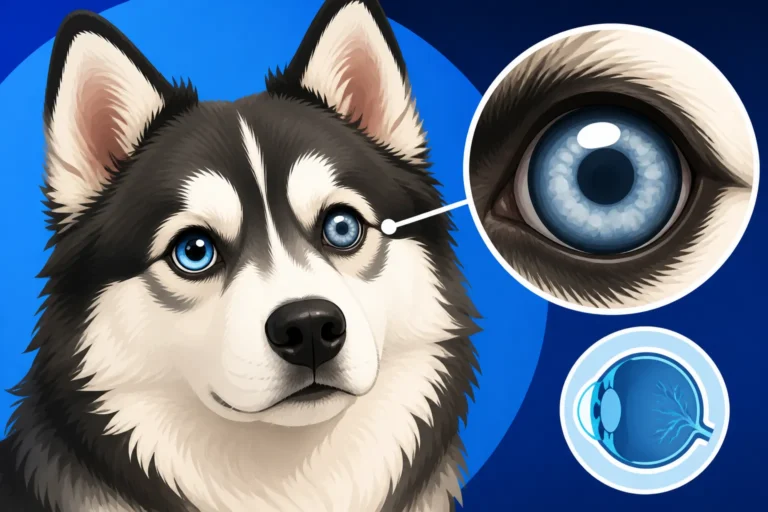
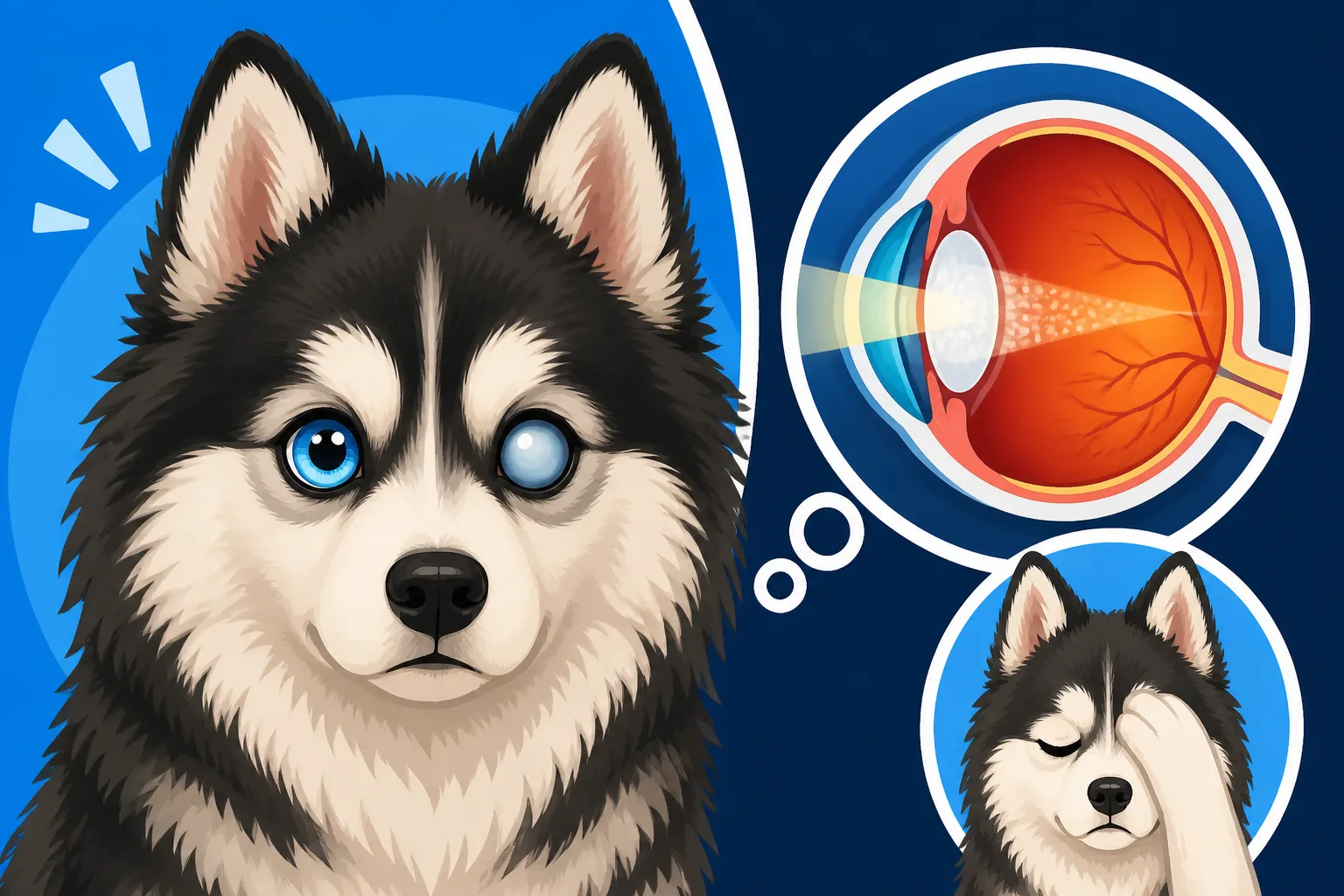
At its simplest, a cataract is an opacity or cloudiness that develops in the lens of the eye. Think of your dog's eye like a camera: the lens is supposed to be perfectly clear, allowing light to pass through unobstructed and focus sharply on the retina at the back. When a cataract forms, it's like a smudge on that camera lens – light gets scattered or blocked, leading to blurred vision or even complete blindness. This isn't just a surface issue; it’s a change within the lens itself, which is primarily made of water and protein. When those proteins start to clump together, they create the cloudy spots we identify as cataracts.
It's important to distinguish cataracts from a condition called nuclear sclerosis, which is often seen in older dogs. Nuclear sclerosis is a normal aging change where the lens hardens and takes on a bluish-gray haze. While it might look similar to a cataract, it usually doesn't significantly impair vision because the lens remains transparent enough for light to pass through. True cataracts, however, actively block light, and their severity can range from tiny, almost imperceptible spots (incipient cataracts) to those that cover the entire lens (mature cataracts). The Husky parentage in Pomskies makes them particularly susceptible to certain types of hereditary cataracts, which can sometimes manifest early in life.
Recognizing the Early Signs of Cataracts in Your Pomsky
Catching cataracts early can make a significant difference in management and treatment outcomes. As a devoted Pomsky owner, you're often the first to notice subtle changes in your dog's behavior or appearance. The most obvious visual cue is a cloudy or bluish-white appearance within the pupil, which is typically black. This cloudiness might start small, making it easy to miss at first, but it can grow over time.
Beyond the visible eye changes, your Pomsky might start showing behavioral signs that indicate their vision is compromised. They might hesitate when navigating familiar environments, bumping into furniture, walls, or even people. You might notice them being clumsier on stairs or reluctant to jump off surfaces they once easily scaled. During walks, they might become more hesitant, clinging closer to you, or struggling to find their favorite toys during playtime. A Pomsky's keen senses often compensate for early vision loss, so these signs can be subtle. If you suspect your Pomsky might be experiencing vision changes, especially if they are exhibiting signs of The Age Juvenile Cataracts Show in a Pomsky, don't hesitate to schedule a veterinary check-up. Regular examinations, including a thorough eye check, are a critical part of a Pomsky's overall health routine.
The Link Between Cataracts and Blindness in Pomskies
The word "cataract" itself can strike fear into a pet parent's heart, conjuring images of complete vision loss. While it's true that severe cataracts can lead to blindness, it's not always a foregone conclusion. Understanding the progression and factors influencing this outcome is key.
When Do Cataracts Lead to Complete Vision Loss?
It's a common misconception that any cataract automatically means blindness for your Pomsky. In reality, the journey from a small cataract to complete vision loss is a spectrum, and not all cataracts progress to that severe stage. Many cataracts develop slowly, remaining "immature" or "incipient," meaning they only partially obscure the lens. In these cases, your Pomsky might experience some blurring or reduced night vision, but they can often adapt remarkably well, relying on their other highly developed senses like smell and hearing. Think of it like looking through a slightly smudged window – you can still see out, just not perfectly clearly.
However, some cataracts are "mature" or "hypermature," where the entire lens becomes opaque, effectively blocking almost all light from reaching the retina. This is when functional blindness occurs. What's more concerning is that cataracts can sometimes lead to secondary complications that accelerate vision loss or cause significant pain. Conditions like glaucoma (increased pressure within the eye) or lens luxation (where the lens dislocates from its normal position) can develop as a result of advanced cataracts. These secondary issues not only cause irreversible damage to the eye but can also be incredibly painful. This is why early detection and regular monitoring by a veterinary ophthalmologist are so vital; they can help predict the trajectory of the cataracts and recommend interventions before pain or irreparable damage sets in. If your Pomsky's vet suggests a specialist, it's wise to follow that advice.
The Role of Genetics in Pomsky Cataracts
Understanding your Pomsky’s genetic background is crucial when considering cataract risk. As a designer breed, the Pomsky inherits traits from both the Siberian Husky and the Pomeranian. Siberian Huskies, in particular, are known to have a genetic predisposition to certain types of cataracts, including juvenile cataracts. This means that if one or both of your Pomsky’s Husky ancestors carried the genes for cataracts, your Pomsky has an increased likelihood of developing them, sometimes even at a young age.
Responsible breeders will conduct health screenings on their breeding dogs, including ophthalmic examinations (often certified by organizations like the Orthopedic Foundation for Animals, OFA, through their Companion Animal Eye Registry, CAER). These screenings help identify genetic eye conditions before they are passed down to puppies. Unfortunately, not all breeders are diligent, and without proper health testing, it’s a roll of the dice. If you didn't receive information about the parent dogs' eye health, it can add to the uncertainty. While you can't change your dog's genetics, knowing the predisposition can help you be more proactive with regular eye check-ups with your veterinarian. Being informed about The Eyes a Pomsky Gets From the Husky can empower you to ask the right questions and ensure your furry companion receives the best possible care throughout their life.
Managing and Treating Pomsky Cataracts to Preserve Sight
While the thought of your Pomsky developing cataracts can be frightening, there are indeed strategies and treatments available to either slow their progression or, in many cases, restore vision. The key is acting swiftly and working closely with veterinary professionals.
Diagnosis and Monitoring by Your Veterinarian
The first and most important step when you suspect cataracts is a comprehensive ophthalmic examination by your veterinarian. They'll use specialized tools, like an ophthalmoscope, to get a good look at your Pomsky's eyes. Often, dilating drops are used to enlarge the pupil, allowing for a clearer view of the lens and the back of the eye. A more advanced examination might involve a slit lamp, which provides a magnified, three-dimensional view of the eye structures, helping to determine the exact type and stage of the cataract.
Cataracts are typically graded from incipient (very early, small opacities) to mature (the entire lens is opaque) and hypermature (where the cataract begins to shrink and the lens capsule may wrinkle, which can lead to further complications). Your vet will monitor the progression of the cataracts over time, recommending follow-up appointments to track any changes. For definitive diagnosis and the most effective treatment plan, especially if surgery is being considered, your regular veterinarian will likely refer you to a board-certified veterinary ophthalmologist. These specialists have advanced training and equipment to provide the highest level of eye care for your Pomsky, including specialized screenings like a Whether a Pomsky Needs a CAER Exam.
Treatment Options: From Medical Management to Surgery
When it comes to treating cataracts, the options depend heavily on the type, cause, and maturity of the cataract, as well as your Pomsky's overall health. For very early, incipient cataracts, sometimes medical management might be attempted. This often involves specific eye drops, sometimes containing anti-inflammatory agents or antioxidants, which might help slow progression or manage any secondary inflammation. However, it’s crucial to understand that these drops do not reverse existing cataracts or prevent them from worsening; they are generally palliative rather than curative.
For cataracts that significantly impair vision or are progressing rapidly, surgical intervention is typically the most effective treatment. The gold standard for cataract removal in dogs, much like in humans, is a procedure called phacoemulsification. During this surgery, an ultrasonic probe is used to break up the cloudy lens, which is then aspirated out of the eye. An artificial intraocular lens (IOL) is usually implanted to restore focus. This procedure boasts a high success rate, often restoring excellent vision, especially when performed by an experienced veterinary ophthalmologist. Of course, like any surgery, there are potential risks, and meticulous post-operative care, including multiple eye drops and medications, is essential for a successful outcome. The costs associated with cataract surgery can be substantial, often ranging from several thousand dollars per eye. This is where a robust pet insurance plan, such as one from Healthy Paws, can be an absolute lifesaver. Many owners find that having comprehensive coverage helps them make the best medical decisions for their Pomsky without the added stress of financial strain. For more details on the financial aspect, you might want to look into What Cataract Surgery Costs on a Pomsky.
Living with a Blind or Vision-Impaired Pomsky
Discovering that your Pomsky is losing its sight, or has already gone blind, can be devastating. However, it's important to remember that dogs are incredibly adaptable, and with some adjustments, your Pomsky can continue to live a full, happy, and enriching life. It often requires more adaptation from the human than the dog!
Adapting Your Home for Safety and Comfort
The first priority for a vision-impaired Pomsky is creating a safe and predictable home environment. Dogs thrive on routine and familiarity, and for a blind dog, this consistency becomes even more vital. Avoid rearranging furniture as much as possible, as your Pomsky will create a mental map of your home. If you must move something, guide them around the new layout several times. You can use different textures of rugs or scent markers (like essential oils on furniture legs, easily refreshed) to help them identify specific areas or obstacles.
Blocking off hazardous areas is also critical. Use baby gates to prevent access to stairs, swimming pools, or areas with sharp corners or objects they could bump into. Ensure that food, water bowls, and potty areas are always in the same, easily accessible spot. Investing in a “halo” vest or a bumper collar, like those offered by Muffin's Halo or Blind Dog Halo, can be a game-changer, protecting their head and face from collisions as they learn their way around. Remember, your calm and confident demeanor will reassure your Pomsky, helping them adjust more quickly. Consistent verbal cues for stepping up, stepping down, or stopping can also be incredibly helpful in navigation.
Enriching Their Lives Beyond Sight
While sight may be diminished, your Pomsky's other senses are incredibly powerful and can be engaged to keep their minds sharp and spirits high. Focus on activities that stimulate their sense of smell, hearing, and touch. Scent work is an excellent way to provide mental enrichment. Hide treats around the house and encourage them to "find it!" using their nose. Puzzle toys that dispense treats when manipulated are also fantastic for engaging their minds.
Audible toys, such as those that crinkle, squeak, or jingle, can bring immense joy to a blind Pomsky. When on walks, use a harness (which prevents strain on their sensitive tracheas) and a regular leash. Allow them to explore new scents at their own pace, and describe the environment to them using your voice. Maintaining a consistent daily routine for walks, feeding, and playtimes helps reduce anxiety and builds confidence. While the initial adjustment period might be challenging, many blind Pomskies continue to enjoy walks, play, and cuddle time with their families, demonstrating an incredible resilience. Even with vision impairment, consistent vet check-ups are important as they get older, just as discussed in Caring for a Pomsky Past Ten. Having a reliable pet insurance provider like Healthy Paws can truly help manage the costs of ongoing care, medications, or any unexpected health issues that might arise, ensuring your cherished companion continues to receive top-notch veterinary support throughout their life.
Here's a quick overview of cataract types and their potential impact:
| Cataract Type | Description | Impact on Vision | Progression | Potential for Blindness |
|---|---|---|---|---|
| Incipient Cataract | Very small, localized opacities affecting less than 15% of the lens. | Minimal to no noticeable impact on vision. | Can remain static or progress slowly over years. | Highly unlikely |
| Immature Cataract | Opacities affect more of the lens, but the fundus (back of the eye) is still visible. | Mild to moderate vision impairment, especially in dim light. | Can progress to mature cataract, but often slowly. | Low to moderate |
| Mature Cataract | The entire lens is opaque, completely blocking light transmission. | Significant to complete vision loss in the affected eye. | Often leads to functional blindness if untreated. | High |
| Hypermature Cataract | Advanced stage where the lens proteins shrink and liquefy, sometimes causing inflammation. | Complete vision loss. Can lead to secondary complications like glaucoma or uveitis. | Can cause severe pain and permanent eye damage if not managed. | Very High |
| Juvenile Cataract | Cataracts that develop in young dogs, often hereditary. | Varies greatly from mild impairment to complete blindness depending on severity. | Can progress rapidly or slowly, often requiring early intervention. | Moderate to High |
Disclaimer
This article is for general informational purposes only and does not constitute professional advice. Laws, prices and regulations vary by location and change over time. Consult a qualified professional for guidance on your specific situation.