Whether an Old Pomsky Stops Blowing Coat
As our beloved Pomskies enter their golden years, many of us secretly hope for a reprieve from the never-ending battle with dog hair. We might wish that with age, the intense shedding cycle might slow down, or even stop altogether. Unfortunately, the reality of an older Pomsky's coat is often more complex than simply less shedding; it's a journey of changes in texture, density, and management that requires our careful attention and understanding. This guide will explore what truly happens to a senior Pomsky's coat, dispelling myths and offering practical advice for keeping them comfortable and healthy.
The Reality of Coat Changes in Senior Pomskies
It's a common misconception that as dogs age, their shedding dramatically decreases. While some changes do occur, the expectation that an old Pomsky will suddenly become a "no-shed" miracle is often met with disappointment. Their double coat, a beautiful inheritance from their Siberian Husky and Pomeranian ancestors, continues to be a defining feature, even in their twilight years.
The Myth of the "No Shed" Senior Pomsky
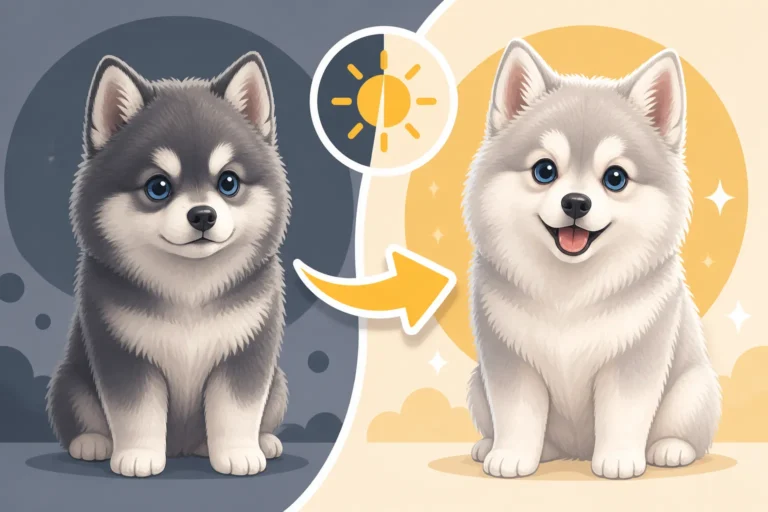
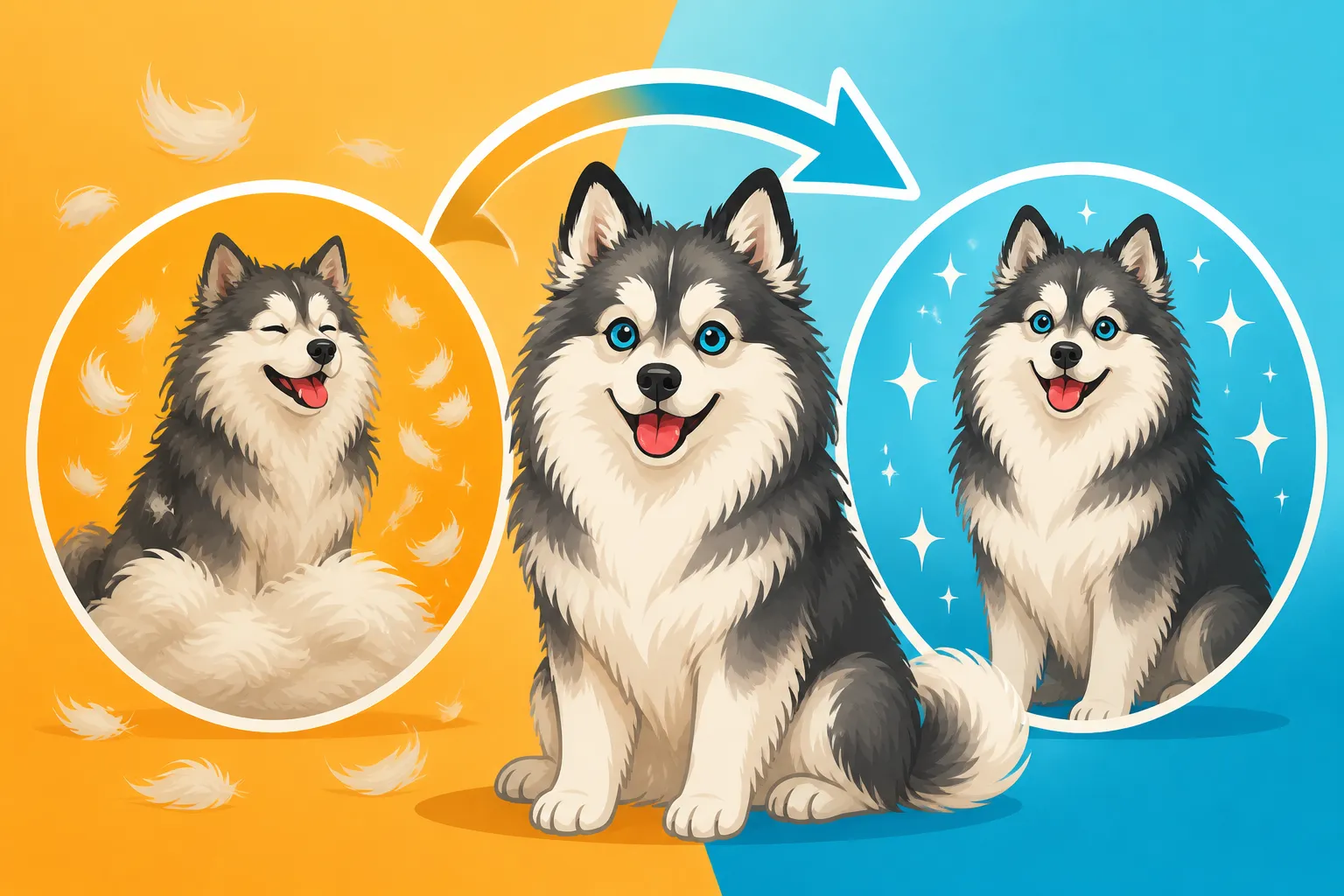
Let's be clear: a Pomsky, regardless of age, is a double-coated breed, which inherently means shedding. The idea that your senior Pomsky will magically stop blowing their coat is largely a myth. Those massive seasonal "blowouts" where tufts of undercoat seem to materialize out of thin air are likely to persist, though perhaps with some modifications. You might find that the sheer volume of hair during a blowout period remains significant, or perhaps it becomes more consistent throughout the year rather than intensely seasonal.
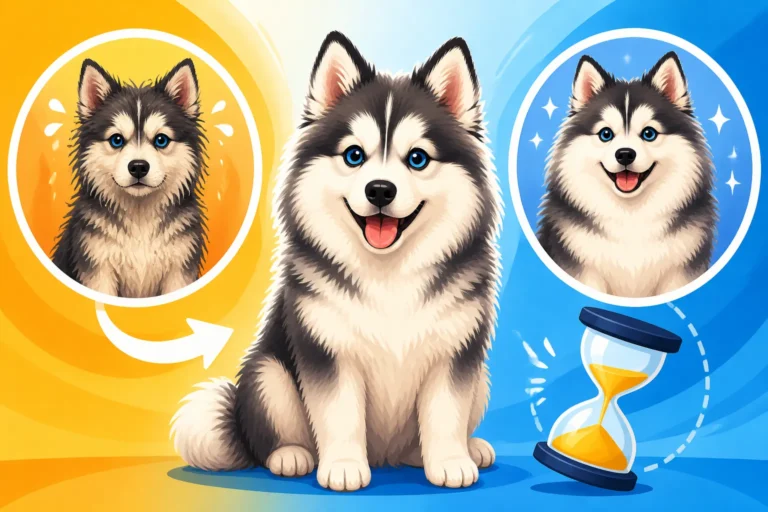
What often changes isn't the amount of shedding so much as the nature of the coat itself. You might notice the texture becoming a bit coarser or, conversely, finer and more prone to matting. The thick, insulating undercoat, which is a hallmark of a healthy Pomsky, can start to thin in places, especially along the back or flanks, but this doesn't necessarily mean less shedding overall. It often means a less effective coat for temperature regulation, making proper grooming even more vital. Whether an Old Pomsky Stops Blowing Coat is a common question, and the answer is usually 'no', but the way they shed can change.
Subtle Shifts in Shedding Patterns and Texture
As your Pomsky ages, you might observe subtle but significant shifts in their shedding patterns. Instead of the dramatic biannual "blowouts" that often mark a younger Pomsky's shedding cycle, you might find a more constant, lower-level shed throughout the year. This can feel less overwhelming in short bursts, but the cumulative effect can still be substantial. Their glorious double coat is truly something to behold, but it does come with upkeep, and that doesn't disappear with age. The Pomsky That Carries a Husky Coat at Twenty Pounds will still shed.
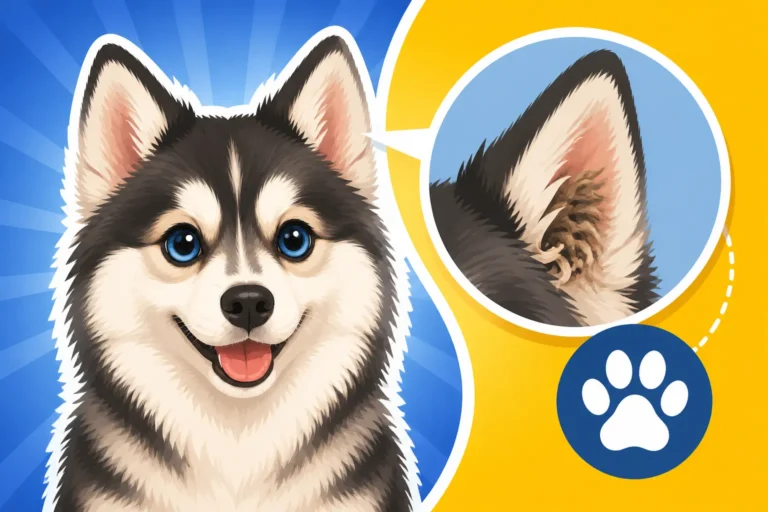
Beyond the volume, the texture of their fur can undergo transformations. Some senior Pomskies develop a drier, more brittle coat. This can make the individual hairs more prone to breaking, contributing to what might seem like more shedding, even if the actual growth cycle hasn't dramatically accelerated. Conversely, some owners report their senior Pomsky's coat becoming softer, but also finer and more prone to static and matting, especially in friction areas like behind the ears or under the legs. These textural changes demand a thoughtful adjustment to your grooming routine, emphasizing gentle handling and more frequent, perhaps shorter, brushing sessions.
Why the Undercoat Can Be a Big Deal
For a double-coated breed like the Pomsky, the undercoat is their primary insulation, a fluffy, dense layer that traps air and regulates body temperature. In older Pomskies, the undercoat can start to thin, become patchy, or even grow in unevenly. This thinning can make your dog more susceptible to temperature extremes, feeling the cold more acutely in winter and overheating more easily in summer, despite the guard hairs still being present.
Furthermore, a thinning or aging undercoat can become particularly prone to matting. Older dogs may have reduced mobility, making it harder for them to scratch and self-groom effectively. This, combined with changes in coat texture, creates a perfect storm for mats and tangles to form close to the skin. These aren't just cosmetic issues; mats can pull on the skin, causing pain, irritation, and even skin infections. They can also hide parasites or skin conditions, making them harder to detect. Regular, gentle grooming sessions, using tools like a good undercoat rake, become essential for their comfort and health. You can find excellent options on Amazon or Chewy. The Undercoat Rake a Pomsky Owner Lives With becomes an even more important tool for a senior Pomsky.
Factors Influencing Coat Health and Shedding in Older Dogs
The changes in a senior Pomsky's coat aren't random; they're often tied to the natural aging process, including shifts in hormones, metabolism, and overall health. Understanding these underlying factors can help you provide targeted care for your aging companion.
Hormonal Changes and Metabolism
As Pomskies age, their endocrine system, responsible for hormone production, undergoes changes. Hormones play a crucial role in maintaining healthy skin and a vibrant coat. For instance, a decline in thyroid hormone (hypothyroidism) is not uncommon in older dogs and can manifest as a dull, dry, brittle coat, often accompanied by excessive shedding, thinning hair, or even bald patches, particularly on the flanks. Signs a Pomsky's Thyroid Has Failed can easily be mistaken for normal aging coat changes, but they require veterinary attention.
Beyond thyroid issues, other hormonal imbalances can also affect coat quality. The metabolic rate generally slows down with age, impacting how efficiently the body uses nutrients to maintain skin and hair. A slower metabolism might mean nutrients aren't delivered to the hair follicles as effectively, leading to weaker hair shafts and increased shedding. It's a complex interplay, and what seems like simply "more shedding" could be a symptom of a deeper physiological shift in your aging Pomsky.
Nutritional Needs Evolve with Age
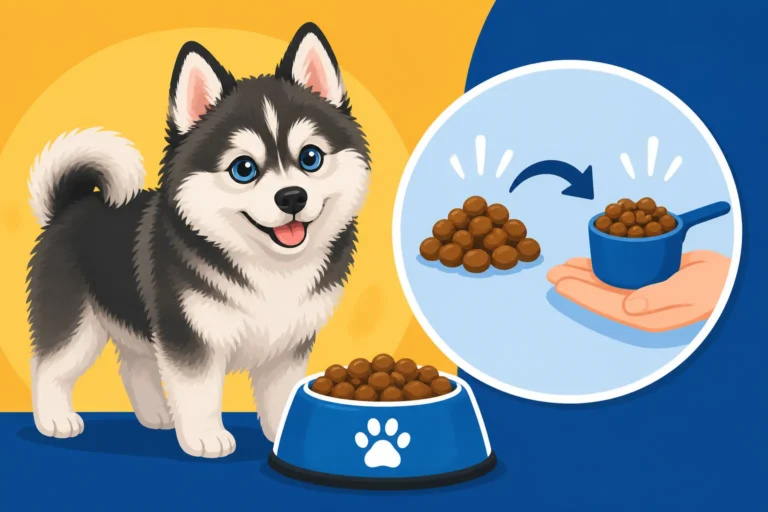
Just like humans, a Pomsky's nutritional requirements shift as they grow older. Their metabolism slows, their activity level might decrease, and their body's ability to absorb certain nutrients can become less efficient. These changes directly impact skin and coat health. A diet that was perfectly balanced for a youthful, energetic Pomsky might not be adequate for a senior. Feeding an Old Pomsky requires careful consideration.
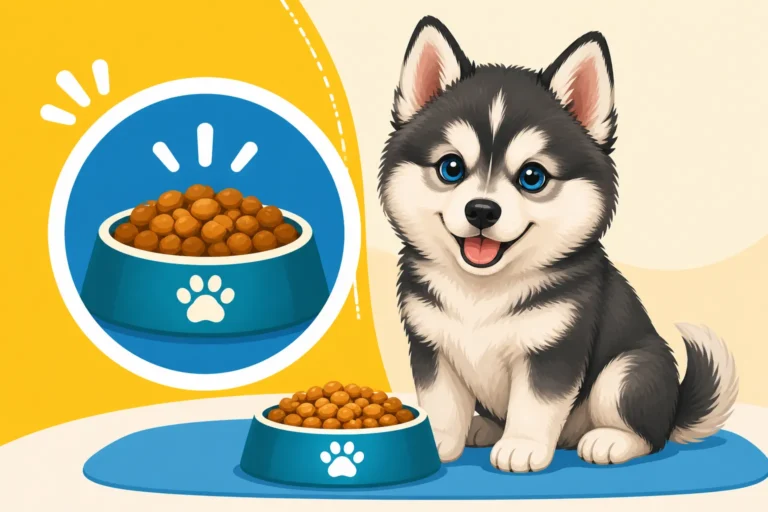
Senior-specific dog foods are formulated with these evolving needs in mind, often containing higher levels of omega fatty acids, antioxidants, and easily digestible proteins. Omega-3 and Omega-6 fatty acids, in particular, are vital for skin barrier function and coat luster. If your Pomsky isn't getting enough of these essential fats, their coat can become dry, dull, and prone to flaking or increased shedding. Some owners explore fresh food options like Ollie, which can offer highly digestible nutrients and often lead to noticeable improvements in skin and coat health due to the quality of ingredients. Ensuring your senior Pomsky receives optimal nutrition is a cornerstone of maintaining a healthy coat.
Underlying Health Conditions to Consider
While some coat changes are a normal part of aging, others can be red flags for underlying health issues. We already touched upon hypothyroidism, which is a common culprit. However, other conditions can also impact the coat. Kidney disease, liver disease, diabetes, and even certain types of cancer can manifest as changes in skin texture, coat quality, or shedding patterns. A Pomsky with Zinc Responsive Dermatosis in a Pomsky might also show coat issues.
Arthritis or other musculoskeletal issues can indirectly affect the coat by making it difficult for your Pomsky to groom themselves. If they can't comfortably reach certain areas to scratch or lick, mats can form, and the skin underneath can become irritated or infected. Parasites, allergies, or chronic skin infections can also cause localized hair loss, thinning, or excessive shedding. It’s important not to dismiss significant or sudden changes in your senior Pomsky’s coat as "just old age" without a veterinary check-up. Early detection and treatment of these conditions can significantly improve your Pomsky's comfort and quality of life. Caring for a Pomsky Past Ten means being vigilant about these potential health issues.
Practical Management for Your Senior Pomsky's Coat
Managing a senior Pomsky's coat requires a gentle, consistent approach tailored to their changing needs. What worked perfectly when they were a spry youngster might be too intense or uncomfortable for them now.
Adapting Your Grooming Routine
Your grooming routine will need some adjustments as your Pomsky ages. Long, vigorous brushing sessions that your younger dog tolerated might now be too much for an older dog with stiff joints or reduced stamina. Instead, opt for shorter, more frequent sessions. Focus on areas prone to matting, like behind the ears, under the legs, and around the tail. Use a soft brush or a wide-toothed comb first to gently untangle, followed by an undercoat rake to remove loose fur without pulling.
Consider the comfort of your senior Pomsky during grooming. Provide a non-slip surface, like a rubber mat on the floor or a stable grooming table, to prevent slips and falls. If they have arthritis, a comfortable, supportive dog bed (many excellent orthopedic beds are available on Amazon) for them to lie on during grooming can make a world of difference. Be extra gentle around any sensitive spots or lumps. Regular bathing, perhaps with a moisturizing shampoo designed for sensitive skin, can also help maintain coat health and keep them comfortable. Remember, the goal is not just a tidy coat, but also a comfortable and positive experience for your senior companion. How Often a Pomsky's Nails Need Cutting also becomes more important as older dogs may be less active.
Nutritional Support for a Healthy Coat
As discussed, nutrition plays a pivotal role in coat health. Review your senior Pomsky's diet with your veterinarian. They might recommend switching to a senior-specific formula or supplementing their current food. Look for foods rich in omega fatty acids, which are crucial for skin hydration and coat luster. Fish oil supplements, often found on Chewy, are an excellent source of Omega-3s and can greatly benefit a dry or dull coat.
Some senior dogs also benefit from supplements targeting joint health, as improved mobility can lead to better self-grooming. Glucosamine and chondroitin, often combined with MSM, can help ease joint stiffness, allowing your Pomsky to move more freely and maintain their coat better. Always introduce new foods or supplements gradually and under veterinary guidance to avoid digestive upset. A well-nourished body is the foundation for a healthy coat, even in old age.
Environmental Considerations
The environment your senior Pomsky lives in also impacts their coat and overall comfort. Their double coat, while fantastic for insulation, can become a liability if their undercoat thins and they struggle to regulate their temperature. In colder months, ensure they have warm, comfortable bedding, possibly an orthopedic bed to support aging joints. Beds That Suit an Arthritic Pomsky can make a huge difference. If their coat is thinning significantly, a warm sweater or coat for outdoor excursions might be beneficial, especially if you live in a colder climate.
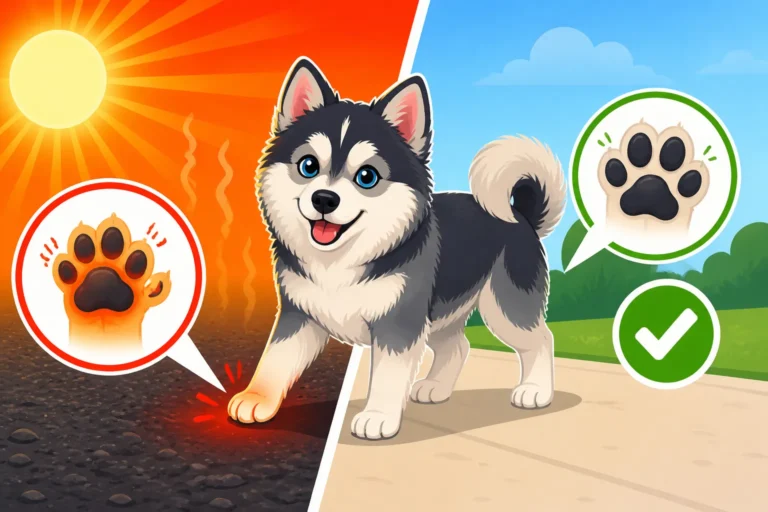
Conversely, in warmer climates or during summer, proper cooling is critical. Senior Pomskies can overheat more easily due to a less efficient cooling system and potentially a thinner yet still dense coat that traps heat. Ensure they always have access to fresh water, shade, and air conditioning indoors. Consider shorter walks during cooler parts of the day and avoid strenuous activity in the heat. Whether a Pomsky Overheats More Than a Husky is a relevant concern for all Pomsky owners. Regular, thorough deshedding with a force dryer can help remove dead undercoat, improving air circulation through their coat and making them more comfortable in warmer weather.
When to Worry: Red Flags in an Older Pomsky's Coat
While some changes are part of the natural aging process, certain coat alterations in your senior Pomsky warrant immediate attention from your veterinarian. Learning to distinguish between normal age-related shifts and signs of underlying illness is crucial for their well-being.
Signs That Warrant a Vet Visit
It's tempting to attribute any change in an older dog to "just getting old," but some signs should never be ignored. If you notice sudden, dramatic hair loss, especially if it's symmetrical on both sides of the body (e.g., thinning on both flanks), it could indicate a hormonal imbalance like hypothyroidism or even Cushing's disease. Patchy hair loss that is accompanied by redness, inflammation, scabbing, or excessive itching is another red flag, potentially signaling allergies, parasitic infections, or a more serious skin condition.
Changes in skin texture, such as excessive dryness, flakiness, greasiness, or unusual lumps and bumps, should also prompt a vet visit. A strong, unusual odor emanating from the coat or skin, even after bathing, can point to bacterial or yeast infections. If your Pomsky seems uncomfortable, constantly licking or scratching a particular area, or showing signs of pain during grooming, it’s time to seek professional advice. These symptoms are often treatable, and addressing them promptly can prevent further discomfort or progression of an underlying illness. Whether a Pomsky's Coat Loss Is Thyroid or Alopecia X can only be determined by a vet.
Distinguishing Normal Aging from Health Issues
This can be tricky because some early signs of health issues can mimic normal aging. For example, a slightly duller coat might just be aging, but if it's coupled with lethargy or weight changes, it could point to a thyroid problem. A general thinning of the coat, where the skin is still healthy and not inflamed, might be normal age-related atrophy of hair follicles. However, if that thinning leads to actual bald patches or is accompanied by excessive scratching, it's not normal. What Changes in an Old Pomsky's Coat can be subtle.
The key is to look for accompanying symptoms. Is the coat change isolated, or are there other changes in appetite, energy levels, thirst, urination, or behavior? Does your Pomsky seem otherwise healthy and happy? Keeping a log of your observations can be incredibly helpful for your veterinarian. They can perform diagnostic tests, such as blood work (to check thyroid function or organ health), skin scrapes, or biopsies, to differentiate between benign aging and a treatable medical condition. Whether a Thyroid Test Rules Out Alopecia X in a Pomsky highlights how similar symptoms can have different causes.
The Importance of Proactive Care
Being proactive with your senior Pomsky's health is the best approach. Regular veterinary check-ups, ideally twice a year for seniors, are essential. These visits allow your vet to catch subtle changes early, before they become significant problems. Discuss any coat changes you've observed, no matter how minor they seem. This is the time to ask about senior diet formulations, appropriate supplements, and personalized grooming advice.
Investing in high-quality grooming tools, like those available on Chewy or Amazon, and committing to a consistent, gentle grooming schedule will not only keep your Pomsky looking good but will also allow you to regularly inspect their skin and coat for any abnormalities. A senior Pomsky's coat might not be as vibrant or dense as it once was, and the shedding might still be considerable, but with attentive care, proper nutrition, and vigilant health monitoring, you can ensure they remain comfortable, healthy, and happy through their golden years.
Disclaimer
This article is for general informational purposes only and does not constitute professional advice. Laws, prices and regulations vary by location and change over time. Consult a qualified professional for guidance on your specific situation.