Whether Mats Behind a Pomsky’s Ears Are Common
If you're a Pomsky owner, you've probably experienced that little moment of panic when you're stroking behind your dog's ear, feeling that lovely, soft fur, and then your fingers snag on something dense and unforgiving: a mat. It's a common frustration, especially with their unique double coats, and this guide is here to unravel why those pesky mats form specifically behind the ears and, more importantly, how you can prevent and safely deal with them.
The Pomsky's Double Coat: A Matting Magnet
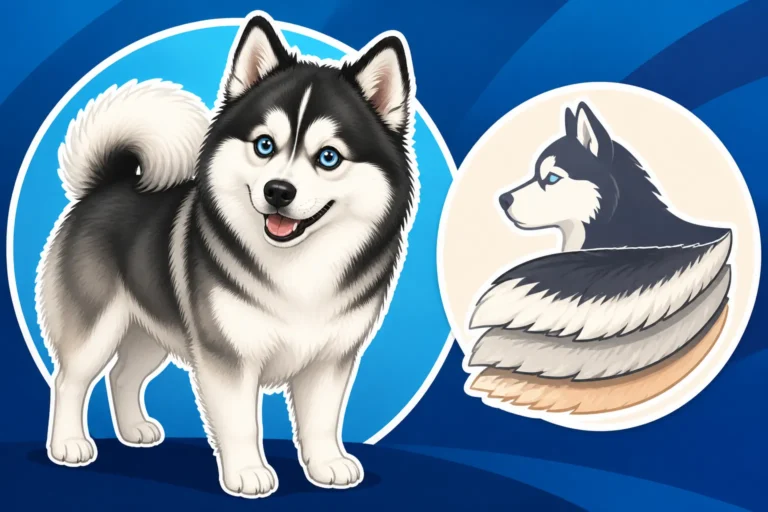
Pomskies inherit their stunning, dense double coats from both their Siberian Husky and Pomeranian parents. While beautiful, this coat structure is a primary reason why they're so prone to matting, especially in high-friction areas like behind the ears. It's not just a superficial issue; mats can pull on the skin, cause discomfort, lead to skin infections, and even hide parasites.
Guard Hairs Versus the Undercoat
To truly understand why mats form, you need to understand the two distinct layers of your Pomsky's coat. First, you have the guard hairs. These are the longer, coarser outer hairs that give your Pomsky its color and texture, protecting them from the elements. Beneath these lies the undercoat, a wonderfully soft, dense, and fluffy layer designed for insulation. This undercoat is what keeps them warm in winter and, surprisingly, helps cool them in summer by trapping air.
The problem arises because these two layers behave differently. The guard hairs are relatively smooth, but the undercoat is fine and woolly. It's fantastic for insulation, but it loves to tangle. When shed undercoat hairs get caught within the longer guard hairs and aren't brushed out, they start to felt together. Think of it like wool that's been washed incorrectly – it shrinks and becomes a solid, tight mass. This is the beginning of a mat. For an even deeper dive into this unique coat, you might want to read The Pomsky That Carries a Husky Coat at Twenty Pounds.
Why Behind the Ears is a Prime Matting Zone
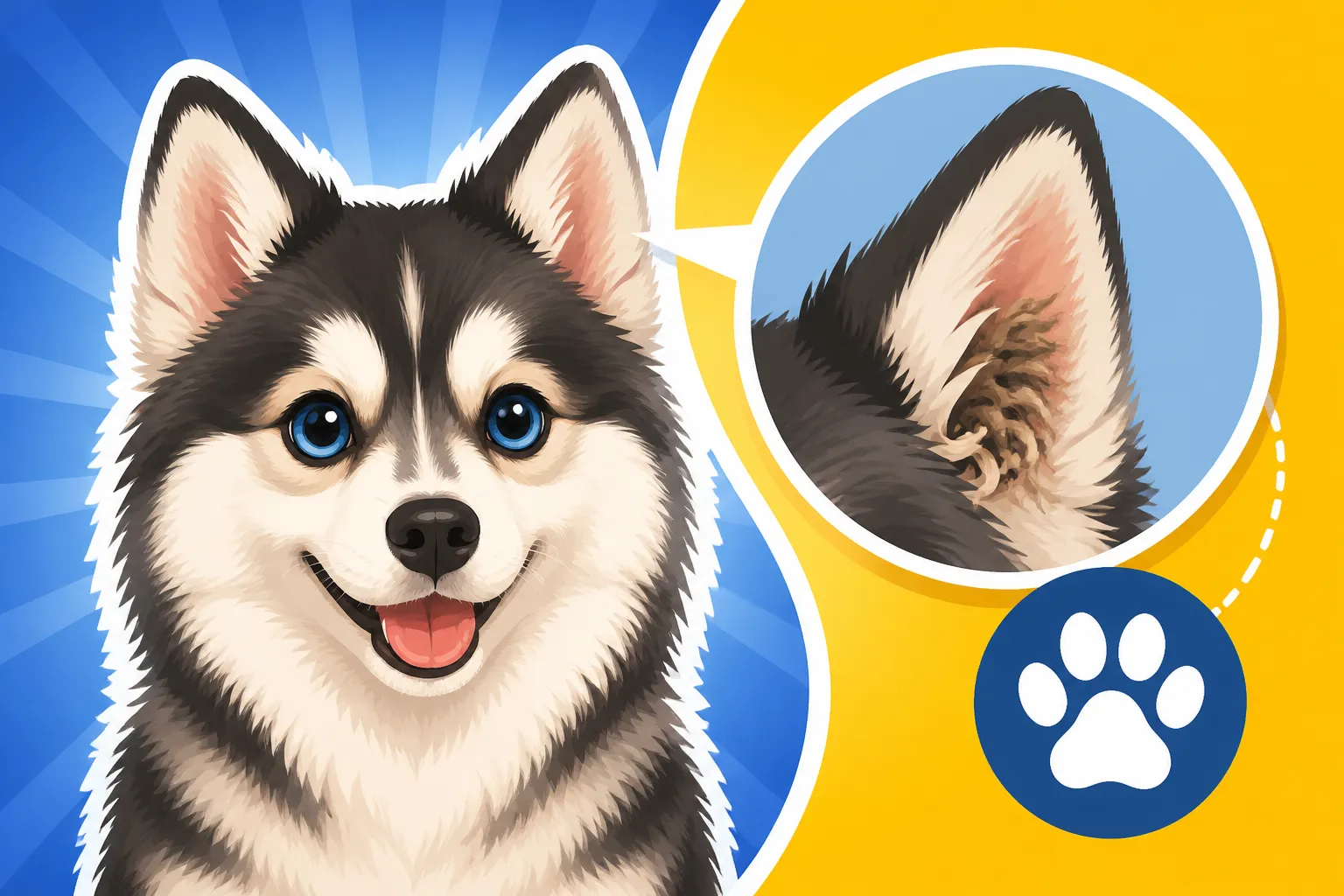
Now, why does this happen so frequently right behind those cute, often upright, Pomsky ears? It boils down to a few key factors:
- Friction, Friction, Friction: The area behind the ears is constantly subjected to friction. When your Pomsky scratches their ears with a back paw, when they roll around on the carpet, or even when they wear a collar that rubs, these actions contribute to tangles. Every time their head moves, the fur behind the ears rubs against itself, against their neck, or against whatever they're resting on. This movement causes the fine undercoat hairs to intertwine and knot up.
- Moisture Trapping: Ears can trap moisture. After a bath, if the fur behind the ears isn't thoroughly dried down to the skin, dampness can linger. Similarly, ear wax or discharge, or even just humidity from the air, can make the fur slightly sticky, providing the perfect environment for hairs to clump together and felt.
- Neglected Grooming Spot: Let's be honest, it's an easy spot to miss. When you're brushing your Pomsky, you often focus on the larger, more obvious areas of their back and sides. The small, often tucked-away area behind the ears can be overlooked, allowing minor tangles to quickly escalate into serious mats. Many owners find their Pomsky might be a little sensitive about having this area handled, making it even harder to tend to regularly.
The Anatomy of a Mat: From Tangle to Tangle Nightmare
Understanding how a mat progresses can empower you to intervene early. It doesn't just appear overnight as a solid block; it starts small and grows, much like a tiny snowball rolling down a hill.
The Initial Snag and the Snowball Effect
A mat typically begins with a few shed hairs intertwining with live hairs. This might happen from natural shedding, playing, or just daily movement. If these initial tangles aren't gently brushed out, they become tighter. As your Pomsky continues to move, scratch, and live their life, more loose hair gets caught in this growing knot. It's like a tiny piece of Velcro that attracts more and more debris.
The undercoat is particularly susceptible to this. As we discussed, it's soft and fine. Imagine trying to untangle a ball of fine wool versus a few strands of straight hair. The wool-like texture of the undercoat makes it excellent at gripping onto itself and any foreign object, forming a dense, almost impenetrable mass. This is why addressing tangles early is so critical, especially when considering Whether a Pomsky's Undercoat Is Husky Dense.
The Painful Reality: Mats Pull on the Skin
As a mat grows, it doesn't just sit on the surface of the coat; it pulls tighter and tighter, drawing the surrounding skin into the knot. This is where the real discomfort and potential health issues begin. When a mat pulls on the skin, it can restrict movement, causing pain every time your Pomsky moves their head, shakes their ears, or even lies down.
Beyond the immediate pain, these tight mats create an ideal breeding ground for skin problems. The lack of air circulation under a mat can lead to moisture build-up, creating a warm, damp environment perfect for bacterial or fungal infections. You might not even see the irritation or infection until the mat is removed, which is why regularly checking these spots is so important. In severe cases, mats can be so tight they cause tears in the skin or restrict blood flow, leading to serious medical conditions.
Prevention is Key: Daily Grooming Routines and Tools for Pomskies
The best way to deal with mats behind the ears, or anywhere else on your Pomsky, is to prevent them from forming in the first place. This requires consistency and the right tools.
Establishing a Daily Brushing Ritual
Consistency is absolutely paramount when it comes to grooming a Pomsky. Aim for a quick, thorough brushing session daily, or at least every other day. Don't skip the "hidden" areas, especially behind the ears, under the armpits, and around the groin.
Here's a routine you can adopt:
- Gather Your Tools: You'll need an undercoat rake, a slicker brush, and a metal comb. You can find excellent options on Amazon or Chewy.
- Start Gentle: Begin with the slicker brush to work through the top layer of guard hairs, removing any loose fur and surface tangles.
- Target the Undercoat: Switch to an undercoat rake, like The Undercoat Rake a Pomsky Owner Lives With, to gently pull out shed undercoat. Work in small sections, always brushing with the direction of hair growth, never against it. Be extra careful behind the ears, using your free hand to hold the skin taut to avoid painful pulling.
- Finish with the Comb: Use a metal comb to ensure you've gotten all the way down to the skin. If the comb glides smoothly through the fur, you're good. If it snags, go back with the slicker or rake to work out any remaining tangles. Pay special attention to the areas behind the ears and around the collar line.
| Grooming Tool | Primary Use | Tips for Pomskies |
|---|---|---|
| Undercoat Rake | Removes loose undercoat | Essential for double-coated breeds. Use gently to avoid skin irritation. |
| Slicker Brush | Detangles surface mats, removes loose topcoat | Good for general brushing and initial tangle removal. |
| Metal Comb | Checks for missed tangles, finer detail work | Crucial for behind ears and sensitive areas. Ensure it glides to skin. |
| Force Dryer | Blasts out loose undercoat, dries efficiently | Speeds up drying, prevents matting after baths. Loud, so introduce slowly. |
| Detangling Spray | Helps loosen small knots and conditions coat | Apply before brushing for easier mat removal and less breakage. |
Bathing and Drying Best Practices
Bathing a Pomsky needs to be done carefully to avoid causing mats, especially if they have any existing tangles. Water tightens mats, making them much harder to remove.
- Brush Before Bathing: Always, always thoroughly brush your Pomsky before getting them wet. Ensure there are no tangles or mats. If you bathe a matted dog, those mats will shrink and become almost impossible to remove without professional help.
- Use Appropriate Shampoo and Conditioner: Choose shampoos and conditioners specifically designed for dogs with double coats. These can help condition the fur and reduce static, which contributes to tangles. Chewy offers a wide selection of specialized dog grooming products.
- Rinse Thoroughly: Ensure all shampoo and conditioner is completely rinsed out to prevent skin irritation and residue build-up, which can also contribute to matting.
- Dry Completely: This is non-negotiable for Pomskies. Air drying is a recipe for mats, particularly with their dense undercoat. Use a high-velocity force dryer if you have one, or a regular human hairdryer on a cool setting. Direct the airflow down to the skin, working in sections, and brush as you dry. This helps to separate the hairs and push out loose undercoat. If you let it air dry, that undercoat will clump together like crazy. Remember, Drying a Pomsky to the Skin is vital.
The Role of Diet and Hydration
While not a direct matting prevention strategy, a healthy diet and proper hydration contribute significantly to overall coat health. A well-nourished coat is stronger, less prone to breakage, and less likely to become brittle and tangle.
High-quality dog food, like that offered by Ollie, can provide the essential fatty acids and nutrients that promote a healthy skin barrier and a strong, shiny coat. Ensure your Pomsky always has access to fresh, clean water. A well-hydrated dog often has a healthier coat, which can be more resilient to matting.
Dealing with Existing Mats: Gentle Removal and When to Seek Professional Help
Even with the best intentions and consistent grooming, a small mat might sometimes sneak in. Knowing how to handle it safely is crucial.
Small Mats: How to Detangle Safely at Home
For small, loose mats, you can often tackle them yourself with patience and the right tools.
- Assess the Mat: First, gently separate the mat from the surrounding healthy fur to avoid pulling more hair into it.
- Apply Detangling Spray: Use a dog-specific detangling spray on the mat. Let it sit for a minute or two to help loosen the hairs.
- Work with Your Fingers: Start by trying to gently pull the mat apart with your fingers, working from the outer edges inward.
- Use a Metal Comb: Once you've loosened it a bit with your fingers, use a metal comb, starting at the very tip of the mat and working your way slowly towards the skin, a few hairs at a time. Hold the base of the mat with your fingers against the skin to minimize pulling and discomfort for your Pomsky.
- Be Patient: This process can take time. If your Pomsky shows signs of discomfort, take a break. Never force the comb through.
- Avoid Scissors: Resist the urge to cut the mat out with scissors. It's incredibly easy to accidentally cut your dog's skin, which is often pulled up into the mat. Even experienced groomers will often opt for clippers rather than scissors for this reason.
Large or Tight Mats: When to Call a Professional Groomer
There comes a point where home mat removal becomes unsafe or too painful for your dog. If a mat is large, very tight against the skin, or if your Pomsky is highly sensitive or aggressive when you try to handle it, it's time to call in a professional groomer.
Professional groomers have specialized tools, training, and experience to safely remove even severe mats. They can use clippers with various blade lengths to carefully shave out mats, often getting underneath them without cutting the skin. They're also skilled at handling dogs who might be stressed or in pain during the process. While you might be tempted to save money by doing it yourself, the cost of a vet visit for a skin laceration or infection from improper mat removal far outweighs the cost of a professional groom. If you're wondering Whether a Pomsky Needs Professional Grooming at All, severe matting is a definitive "yes."
Remember, if a mat is causing skin irritation, redness, or open sores, a trip to the vet should precede the groomer, as your Pomsky might need medical attention before grooming can safely proceed.
Maintaining Grooming Sessions
Once the mats are gone, it's critical to maintain a regular grooming schedule to prevent their return. This means consistent brushing, proper bathing, and considering professional grooming appointments every 6-8 weeks, especially during shedding seasons. Your groomer can also provide valuable advice on specific tools and techniques tailored to your Pomsky's unique coat type and lifestyle. Establishing good grooming habits from a young age can also make a huge difference, as discussed in How Early a Pomsky Should Meet a Groomer.
Mats behind the ears are indeed a common issue for Pomsky owners, but with diligence, the right tools, and a bit of patience, they don't have to be a recurring nightmare. Your Pomsky will thank you for the comfort of a tangle-free coat!
Disclaimer
This article is for general informational purposes only and does not constitute professional advice. Laws, prices and regulations vary by location and change over time. Consult a qualified professional for guidance on your specific situation.